

What changes when you choose servo or clutch
A motor does more than turn the handwheel. It shapes how fast the machine starts, how easy it is to stop at a corner, how much noise runs through the workroom and how much confidence a new operator has on day one.
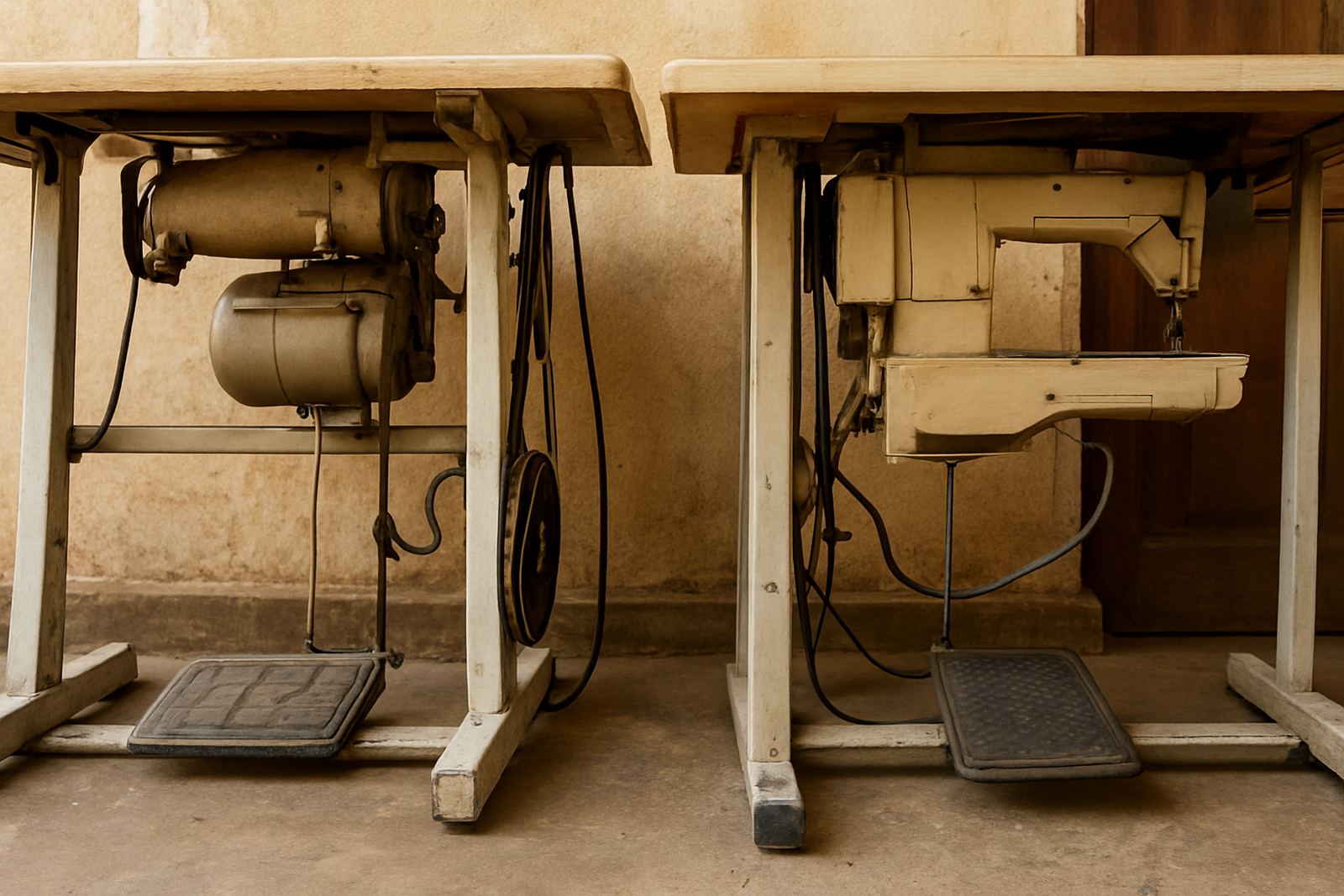
A clutch motor runs continuously while the machine is switched on. A servo motor only drives when you press the pedal. In practical terms that means a servo usually gives finer low-speed control, while a clutch often feels more direct and familiar to older operators.
If your room has several machines going at once, the difference in sound alone can matter. In a tight Johannesburg CBD workroom or a school sewing class, that can affect concentration all day long.
When a servo motor is the better fit
Servo motors suit most modern sewing rooms where control matters more than raw pull. They are a good option for tailors, small factories, alteration work and home sewers who want quieter operation and better control at slow speed.
They also help when you have newer operators. The machine starts only when the pedal is pressed, so the foot control feels less jumpy. That makes learning easier for straight stitching, topstitching, edge work and embroidery preparation.
- Quieter running for shared workrooms and schools
- Lower power use during idle time
- Better slow-speed stitching for beginners
- Cleaner control for precision work and corners
- Less fatigue in long shifts because the machine is not always running
For Gauteng workshops dealing with load-shedding and frequent stop-start routines, servo motors are often the more practical choice because they restart cleanly and do not keep spinning while the machine is idle.
When a clutch motor still makes sense
Clutch motors are still useful in busy production settings where experienced operators want a strong, familiar drive. Some heavy sewing tasks feel more direct with a clutch, especially where the machine is used hard all day and the team is already trained to handle it.
They can be suitable where the goal is speed and the operators are comfortable with the learning curve. On older industrial machines, a clutch motor may also already be fitted and working well, which can make it more economical to keep it in service for now.
- Good for experienced operators who know the pedal response
- Works well in high-output rooms with constant use
- Can suit heavier materials where a strong start is preferred
- Often found on older industrial machines still in daily service
If the room is noisy already, the motor sound may not be the main issue. But if you are trying to train new staff or reduce strain in a smaller shop, a clutch can feel less forgiving.
A simple step-by-step way to choose
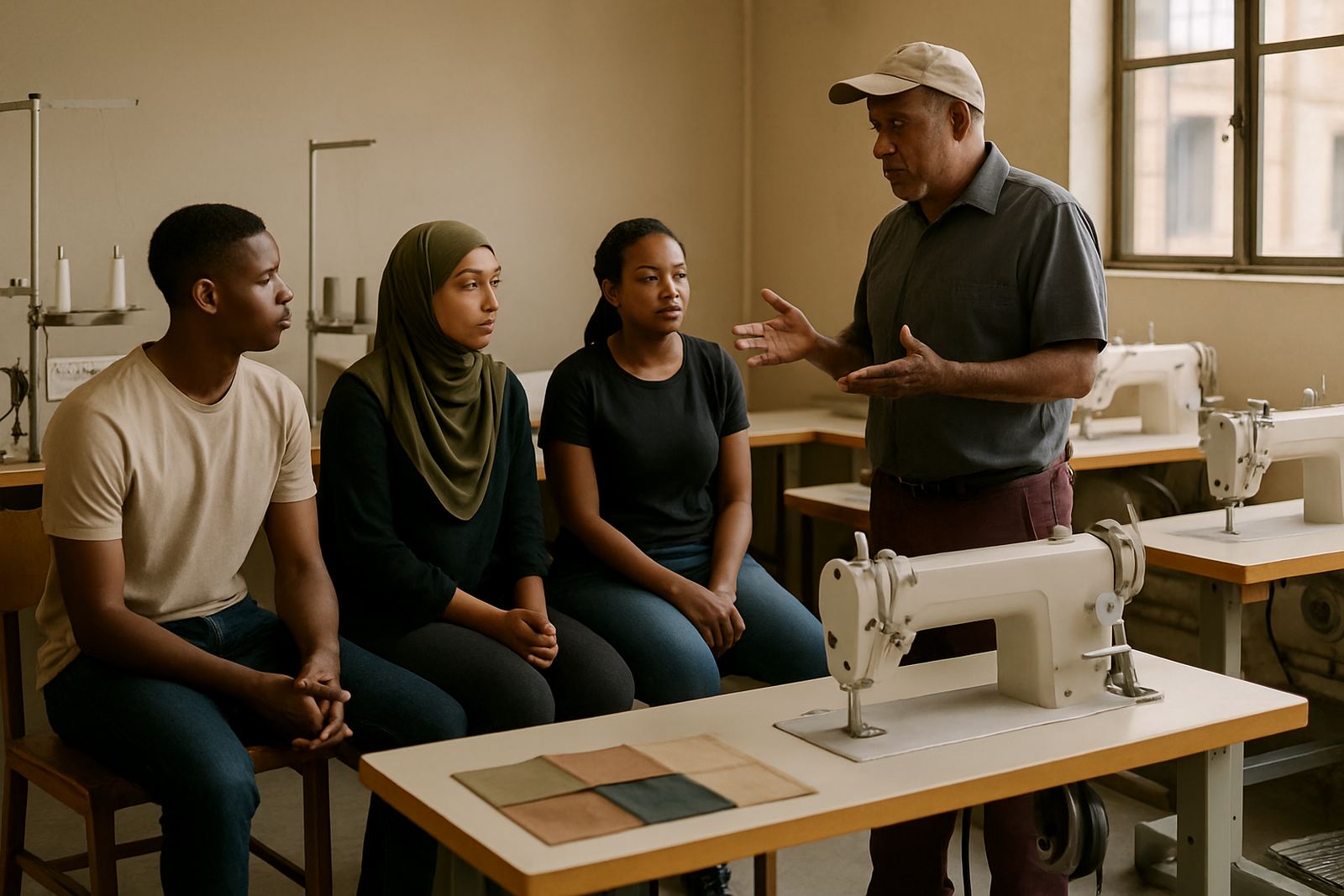
Start with the work you do most often. A tailoring shop, school workroom and embroidery room do not need the same setup as a production floor sewing canvas, denim or uniform runs.
Next, look at who uses the machine. If one operator is experienced and another is still learning, the safer choice is usually the motor that gives better low-speed control. Then check your power habits, because if the machine runs for long periods while waiting between pieces, a servo can cut unnecessary running time.
Use this checklist before you decide:
- What material is sewn most often, from light fabric to heavier layers
- How many operators will use the machine each week
- Whether the room needs quieter running
- Whether fine control matters more than top speed
- Whether the current machine frame can take the new motor properly
- Whether the pedal feel suits beginners, not only senior staff
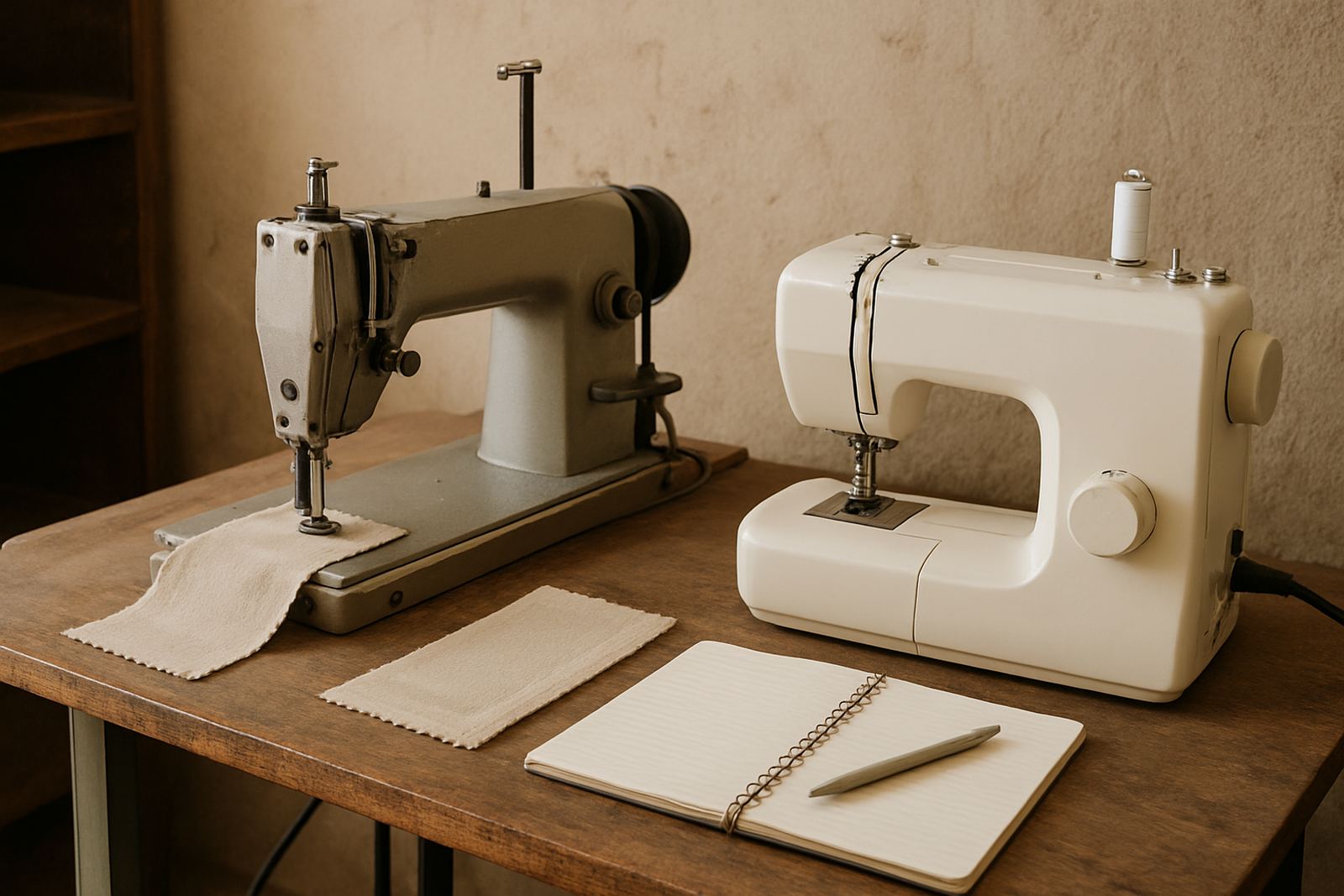
If you are not sure, test the machine with the same thread, needle and fabric you use every day. A motor that feels fine on paper may behave differently on a real hem or seam.
What to check before fitting or converting a motor
Motor choice is only part of the job. The belt line, bracket position, pulley size and table cut-out all affect how the machine runs. If these are wrong, even a good motor can feel jerky or underpowered.
It is also worth checking the condition of the machine head, because a poorly timed machine can make any motor seem weak. Worn belts, stiff bearings and poor foot control can hide the real problem.
- Confirm the machine model and mounting points
- Check the belt condition and belt length
- Inspect foot control response before installation
- Make sure the pulley and handwheel line up properly
- Test needle penetration on your normal fabric stack
- Allow space for servicing and safe operator access
For workrooms in Johannesburg, Germiston, Pretoria and surrounding areas, a neat fitting also matters for compliance and day-to-day safety. Cables should be tidy, the pedal area clear and the machine stable on the table.
How Asia Sewing Machines helps with the decision
We work from the Johannesburg CBD and support factories, tailors, schools and home sewers across Gauteng, including Fordsburg, Mayfair, Soweto, Germiston, Pretoria, Alberton and Randburg. Our team handles installation, motor conversions, routine servicing, workshop repairs and on site repairs where needed.
If you are deciding between servo and clutch, we look at the machine, the fabric, the operator and the working space before recommending a practical route. Lerato Mokoena leads sales support, Yusuf Patel oversees workshop repairs, Naledi Khumalo assists with embroidery setups, Willem van Wyk handles field service, Anele Dlamini manages parts and stores, and Farah Ismail coordinates customer support.
Send your enquiry through the contact page and we can help you match the motor to the job, rather than guessing and hoping it works out.