Start with the tools that handle most daily repairs
Most alterations work is not complicated, but it is constant. You are shortening trousers, taking in waists, replacing zips, mending linings and reshaping garments for school, work and events. For that kind of work, you need tools that cut cleanly, measure accurately and press properly, otherwise each job takes longer than it should.
The first tools to sort out are the basics on the cutting table and at the machine. Sharp scissors, a reliable seam ripper, dressmaking chalk, a measuring tape, pins, clips and a good ruler all save time. If a shop handles many different fabrics, from school shirts to thick suiting, it also helps to keep separate cutting tools for delicate cloth and heavier material. That small habit keeps blades sharper and work neater.
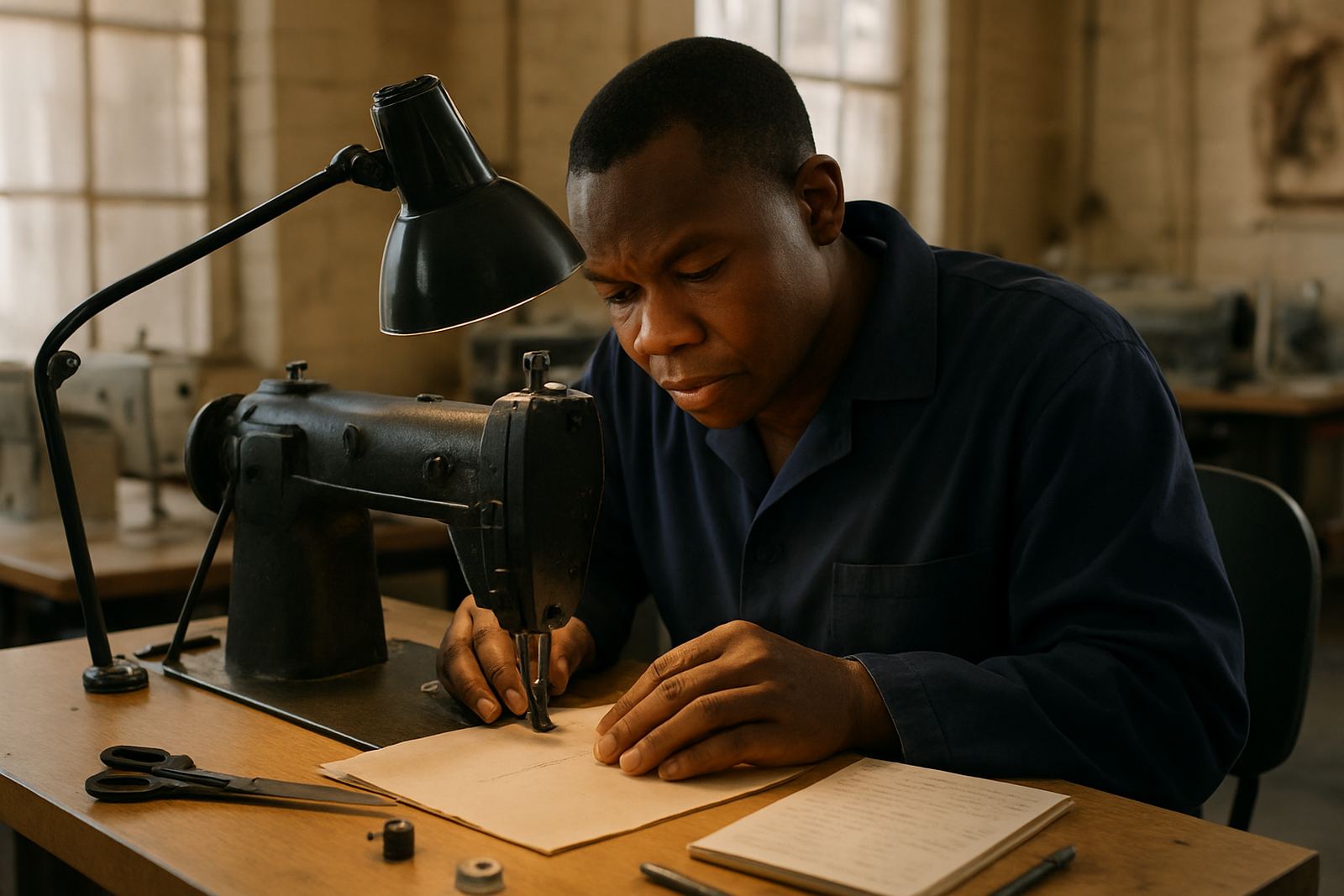
In a Johannesburg CBD alterations room, where walk-in work can come in all day, these basics are what keep the bench moving. When a customer waits for a hem or a school skirt adjustment, nobody has time for blunt scissors or missing tape measures.
Machines that suit an alterations shop rather than a factory floor
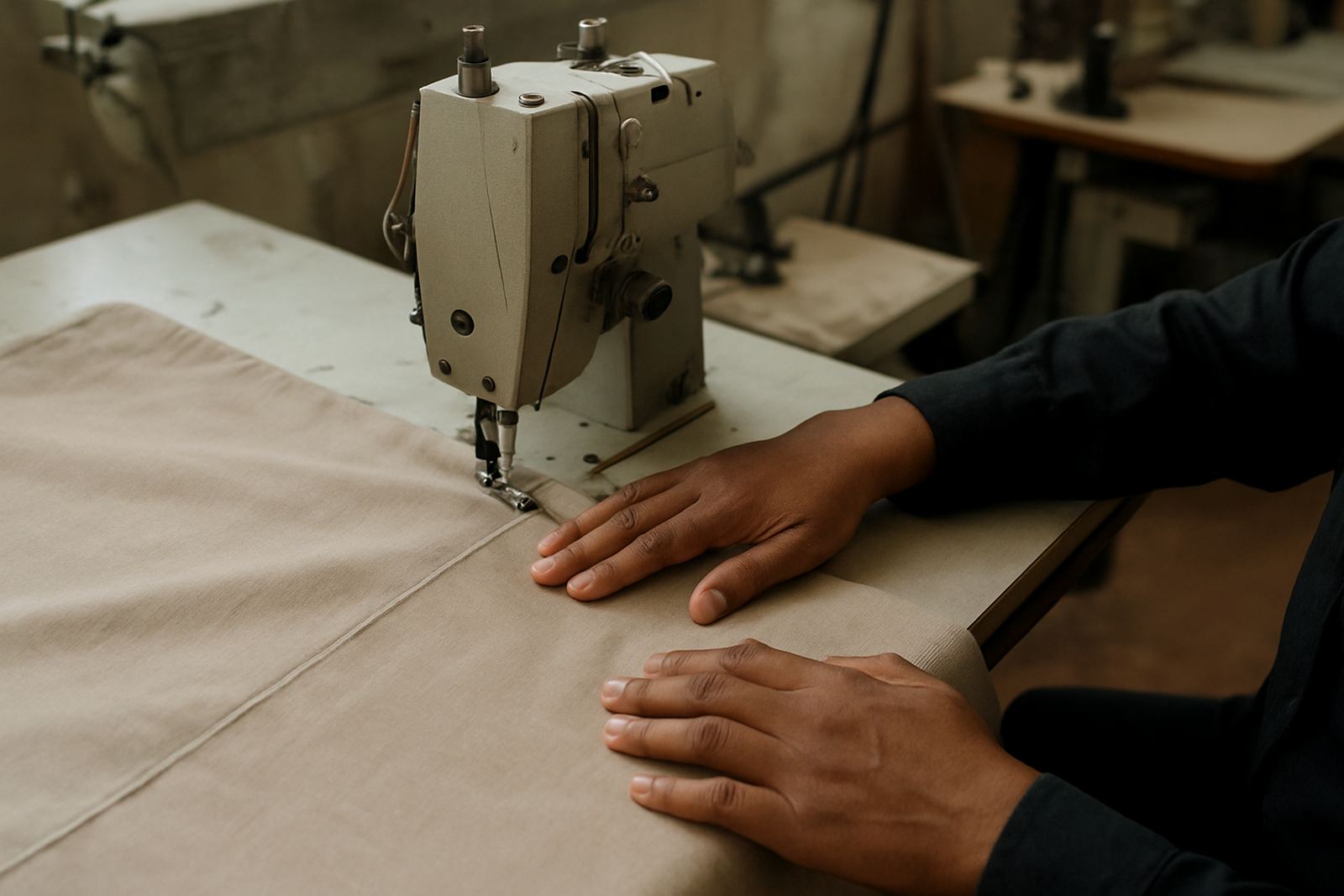
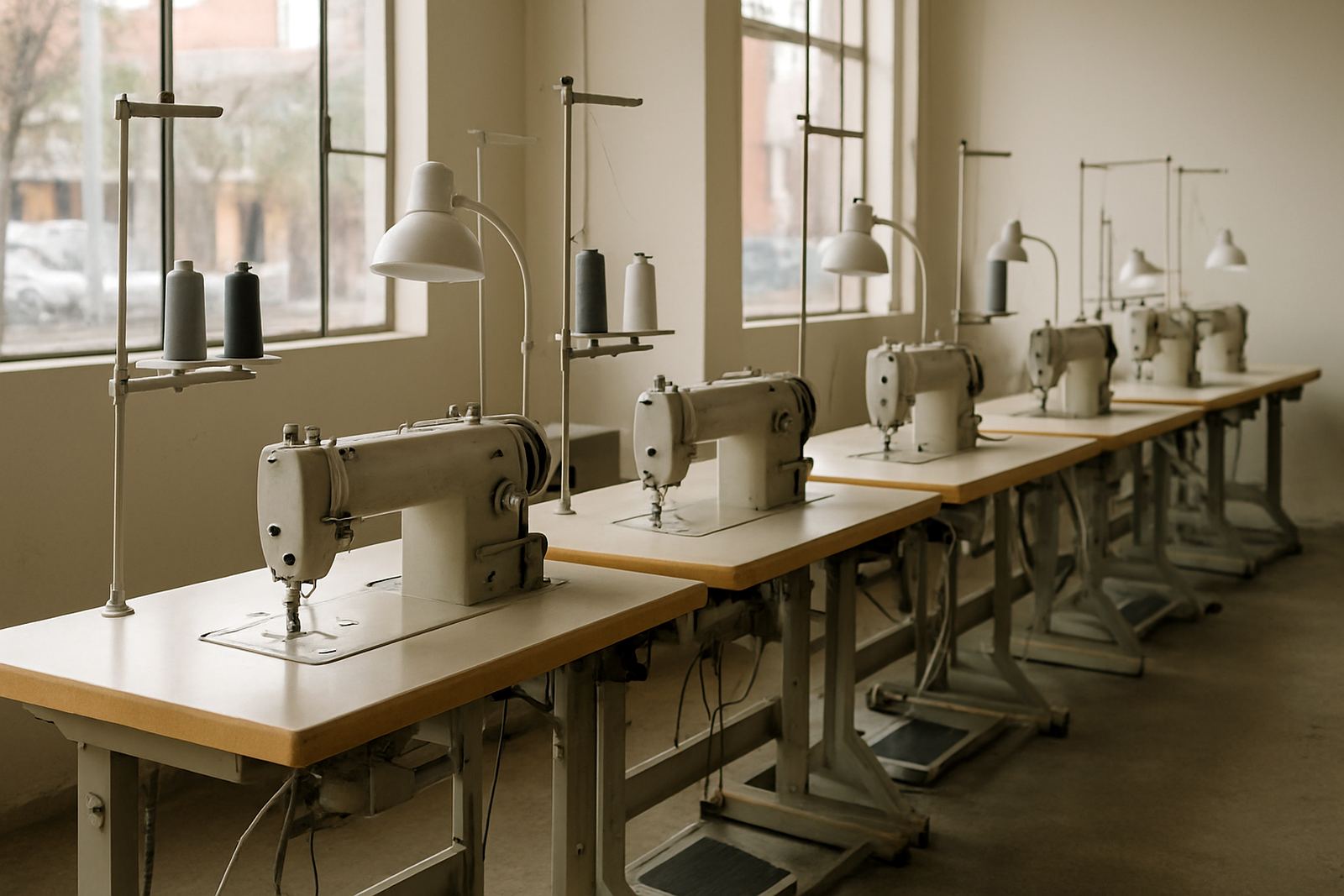
An alterations shop does not always need a full line of industrial equipment, but it does need machines that can handle everyday repair work without stopping every few minutes. A straight stitch machine is usually the main workhorse for most seams, darts and repairs. A zigzag option is useful for stretch fabrics and finishing edges on items that fray. For shops that do a lot of overlocking on knits, uniforms or altered garments, an overlocker can cut finishing time sharply.
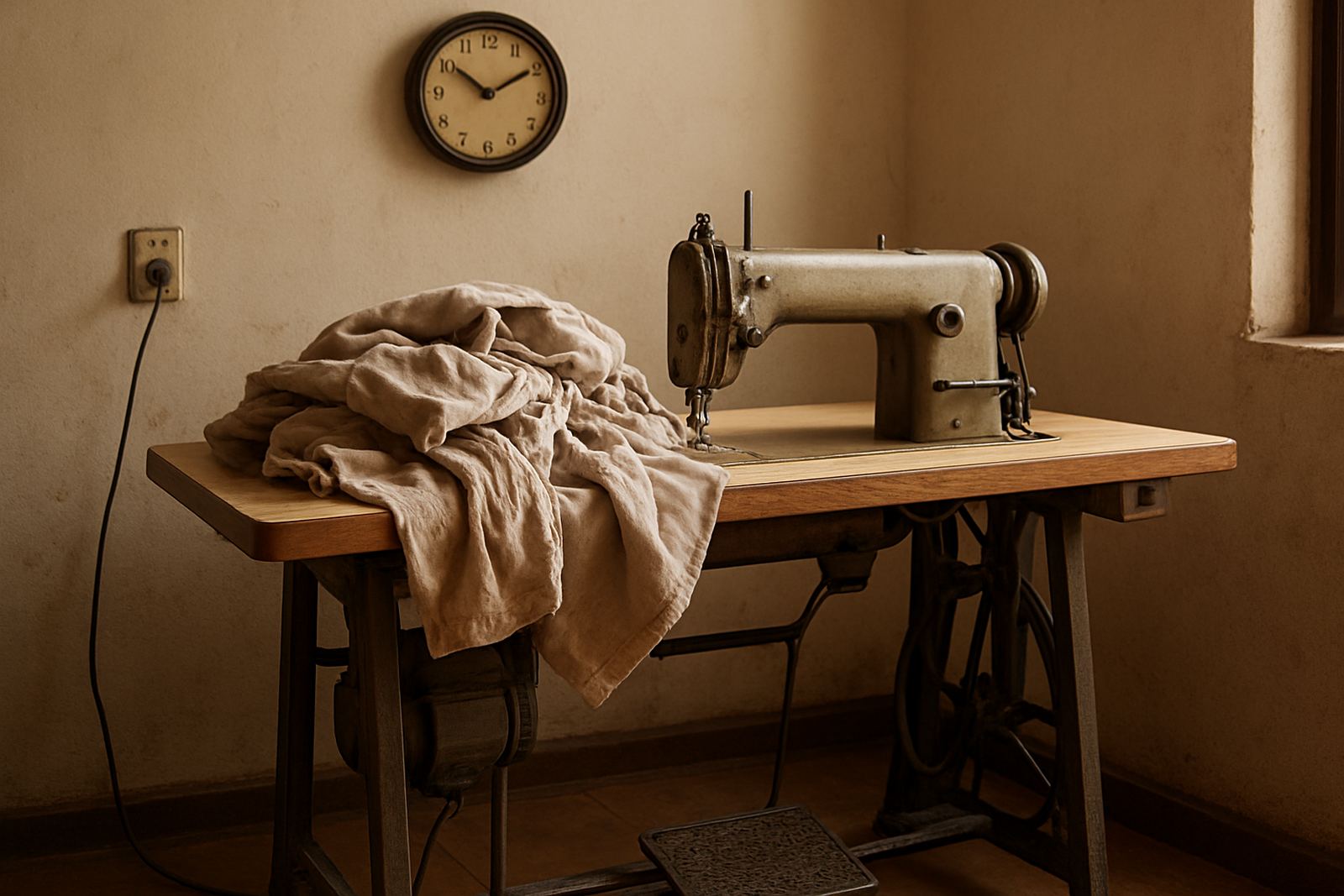
Household machines can suit light home use, but once the shop starts doing steady daily work, an industrial machine is often the better choice. It runs for longer, handles thicker fabric better and is easier to keep consistent when the queue builds up. If the workroom serves customers across Soweto, Fordsburg or Germiston, that consistency matters because repairs often need to be turned around quickly.
- Straight stitch machine for general alterations and seam work
- Overlocker for edge finishing and knitwear
- Buttonhole or button sewing setup for uniforms and shirts
- Heavy duty machine for denim, workwear and layered repairs
For shops that work from a small space, one properly set up machine is better than three underused ones. The aim is not to fill the room with equipment, but to choose tools that match the jobs you actually see every day.
Pressing tools that make the finish look professional
Many alterations problems are not caused by sewing, they are caused by poor pressing. A hem that has not been pressed properly can twist. A seam that was not opened and flattened can sit bulky under the eye. A jacket sleeve with a sloppy crease can make the whole job look rushed. That is why pressing tools deserve as much attention as sewing machines.
A good pressing surface, a steam iron and a reliable fusing press all help the final finish look sharp. For shops that alter school uniforms, trousers, blouses and jackets, pressing is part of the job, not something done at the end if there is time. In humid areas like parts of Johannesburg after summer rain, pressing tools also help control moisture in fabric before stitching and before handing the garment back to the client.
For more structured work, fusing equipment can help with collars, waistbands and facings, provided temperature and pressure are set correctly. If the heat is too low, the bond fails. If it is too high, the cloth can shine or shrink. Good pressing tools and correct settings prevent those problems and save a lot of rework.
Small attachments that save time on the table
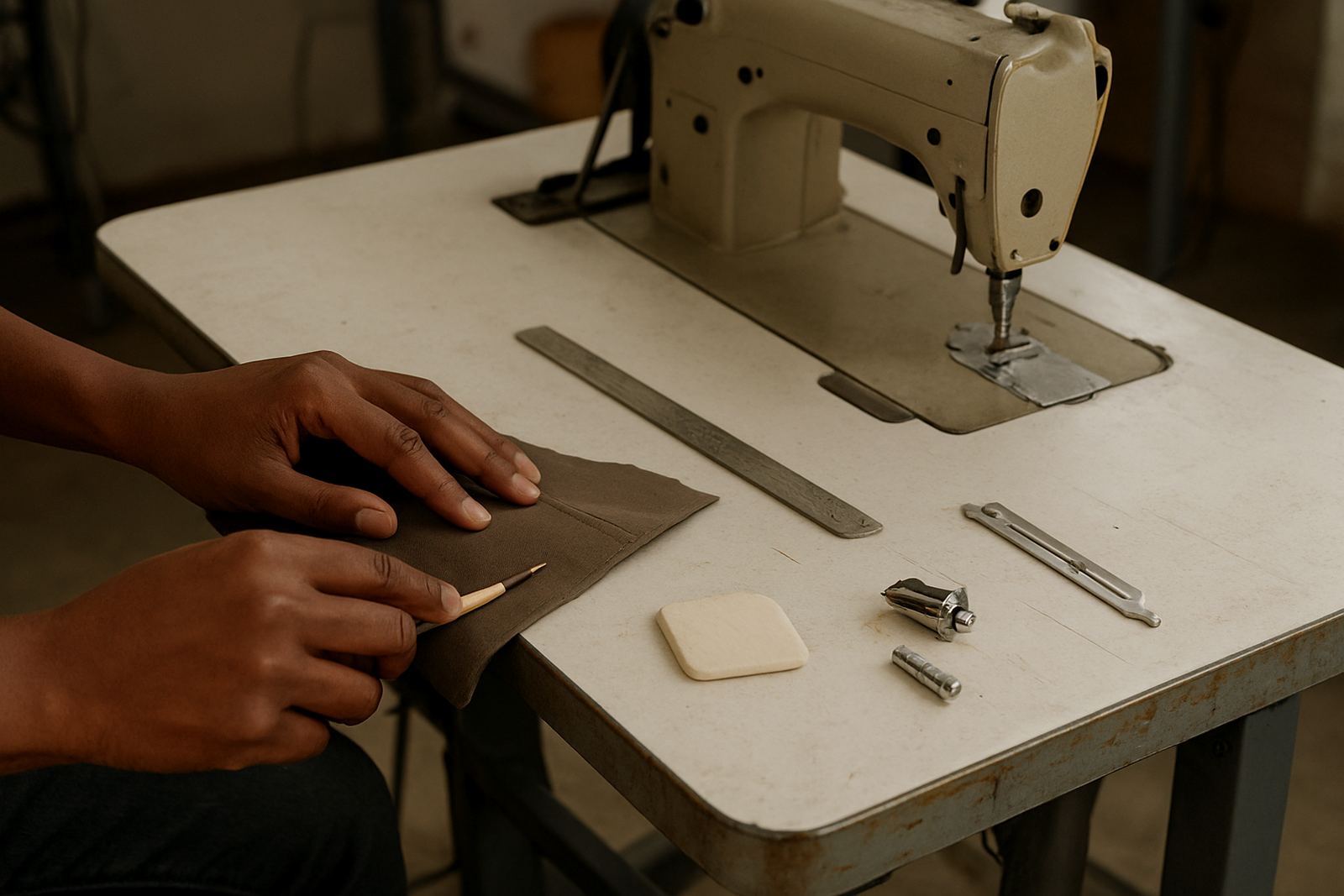
Alterations shops often lose time on small tasks that should be quick. A narrow hem, a concealed zip, a blind hem or a neat edge finish can slow things down if the right attachments are missing. The right presser foot or guide can make a tricky job much easier and more repeatable, especially when different machinists share the same workroom.
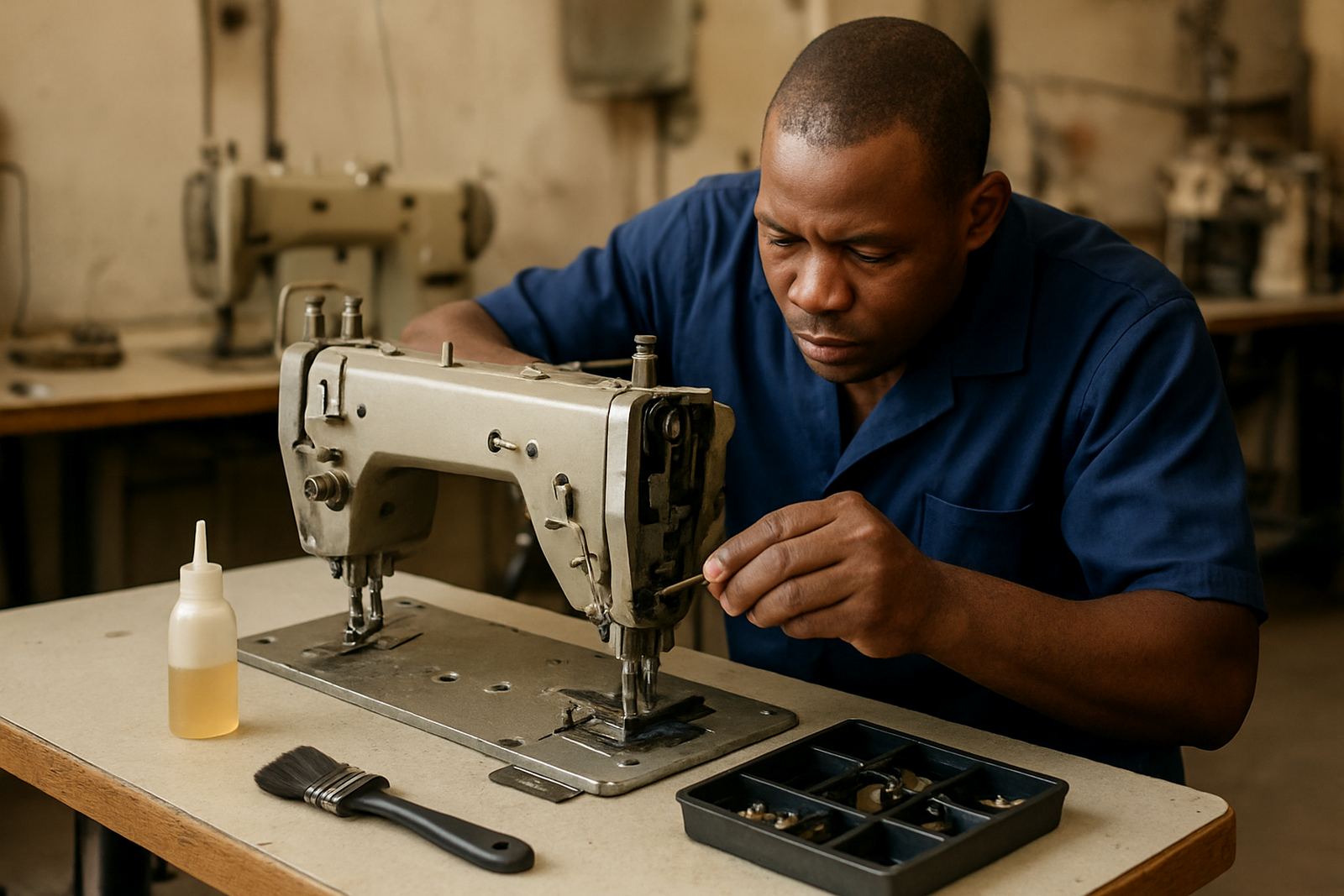
This is where attachments and spares matter. A shop that does regular repair work should keep a small stock of common items so that the whole day does not stop when one part wears out. Needles, bobbins, belts, lamps, foot controls, tension parts and spare bobbin cases should be on hand if the machine uses them.
- Zipper feet for standard and concealed zip work
- Hemmer feet for small rolled hems
- Buttonhole guides for repeat jobs
- Binder attachments for clean edging on uniforms or aprons
- Spare needles in the sizes used most often
A shop in Mayfair or Pretoria that is doing schoolwear alterations during the busy season cannot afford to wait days for a small part. Keeping the common items ready means the work keeps flowing and the customer does not lose confidence.
How a local alterations shop in Gauteng keeps work moving
In a busy local example, imagine an alterations shop near Johannesburg CBD that handles school trousers in the morning, suit waists at lunch and wedding guest dresses in the afternoon. That shop needs different tools for different jobs, but it also needs a good system. Measurements must be taken in the same way every time, the machine must be threaded correctly and pressing must happen before garments leave the counter.
Good layout matters too. The cutting table should be near the measuring tools. Pressing should be close enough to the machine so garments do not travel around the room more than necessary. Spares and threads should be stored in a clean, dry place because dust and damp can damage supplies, especially in workrooms near traffic or in older CBD buildings.
For shops serving customers from Alberton, Randburg and Soweto, a practical setup helps turn a small space into a productive one. It is not about fancy fittings. It is about a workroom that helps staff do accurate work quickly, without unnecessary walking, searching or stopping to fix the same issue twice.
Buying tools in the right order for your workload
If you are setting up or improving an alterations room, buy in order of use, not in order of appearance. Start with the tools that affect every job, then move to the attachments and extras that save time. A strong machine with poor pressing tools will still produce average results. Good measuring tools with a poorly maintained machine will do the same. The full setup has to work together.
For many shops, the best approach is simple: assess the jobs you handle most often, then build the tool list around those jobs. A schoolwear alteration service will need different support from a bridal workroom or a small tailoring counter. Once that is clear, it becomes easier to choose machine types, pressing gear and parts stock that suit the work.
Asia Sewing Machines supports alterations shops, tailors, factories and home sewers across Gauteng with sales, setup and servicing. From Johannesburg CBD to Fordsburg, Germiston, Pretoria and beyond, the aim is the same: keep the right tools in place so everyday repair work stays fast and accurate.