

Why one stopped machine can slow the whole room
In a small tailoring room or a busy factory floor, one machine standing still rarely affects only one operator. It usually creates a queue, throws off the day’s plan, and pushes pressure onto everyone else. A machine that stops for ten minutes in the morning can easily cost an hour by lunchtime if the operator keeps trying to work around the fault.
That cost is not only the repair bill. It includes missed targets, overtime, rushed finishing, and the extra time spent rechecking work that should have gone through cleanly the first time. In Johannesburg CBD, where many businesses work to tight delivery dates and limited floor space, even a short stoppage can upset the whole production flow.
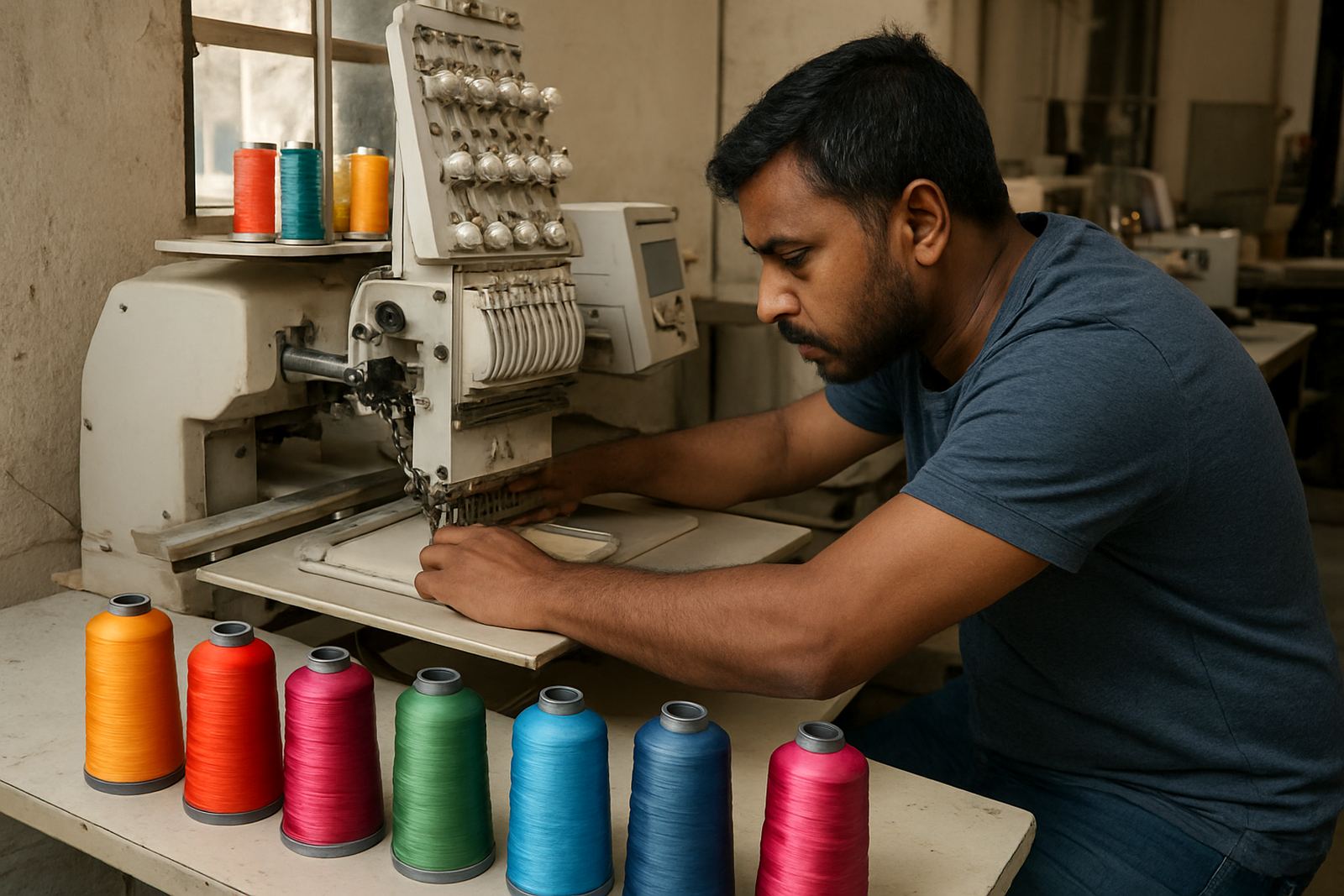
When machines are not serviced regularly, small issues tend to build up. Dust, lint, loose threads, blunt needles and worn parts all add drag. On older machines, timing can drift a little at a time until the machine begins skipping stitches or jamming. On computerised embroidery machines, a thread break or sensor fault can stop a whole run, and if the setup is not right, the operator may spend more time resetting than stitching.
The real problem is that many stoppages look minor at first. A slight noise, uneven feeding, or a press that takes longer to heat up often gets ignored until the machine refuses to perform. That is why downtime should be treated as a production issue, not only a workshop issue.
The most common stoppages we see in Gauteng workrooms
Across Johannesburg, Fordsburg, Mayfair, Soweto, Germiston and Pretoria, the same problems come up again and again. Some are tied to heavy daily use, while others come from poor setup or skipping routine care. Load-shedding also plays a part, especially when machines restart after a power cut and settings have shifted or motors have taken strain.
- Needle breakage from wrong needle size, bent needles, or poor timing
- Skipped stitches caused by loose tension, worn hooks, or timing that has drifted
- Thread breaks from poor threading, damaged guides, or dusty thread paths
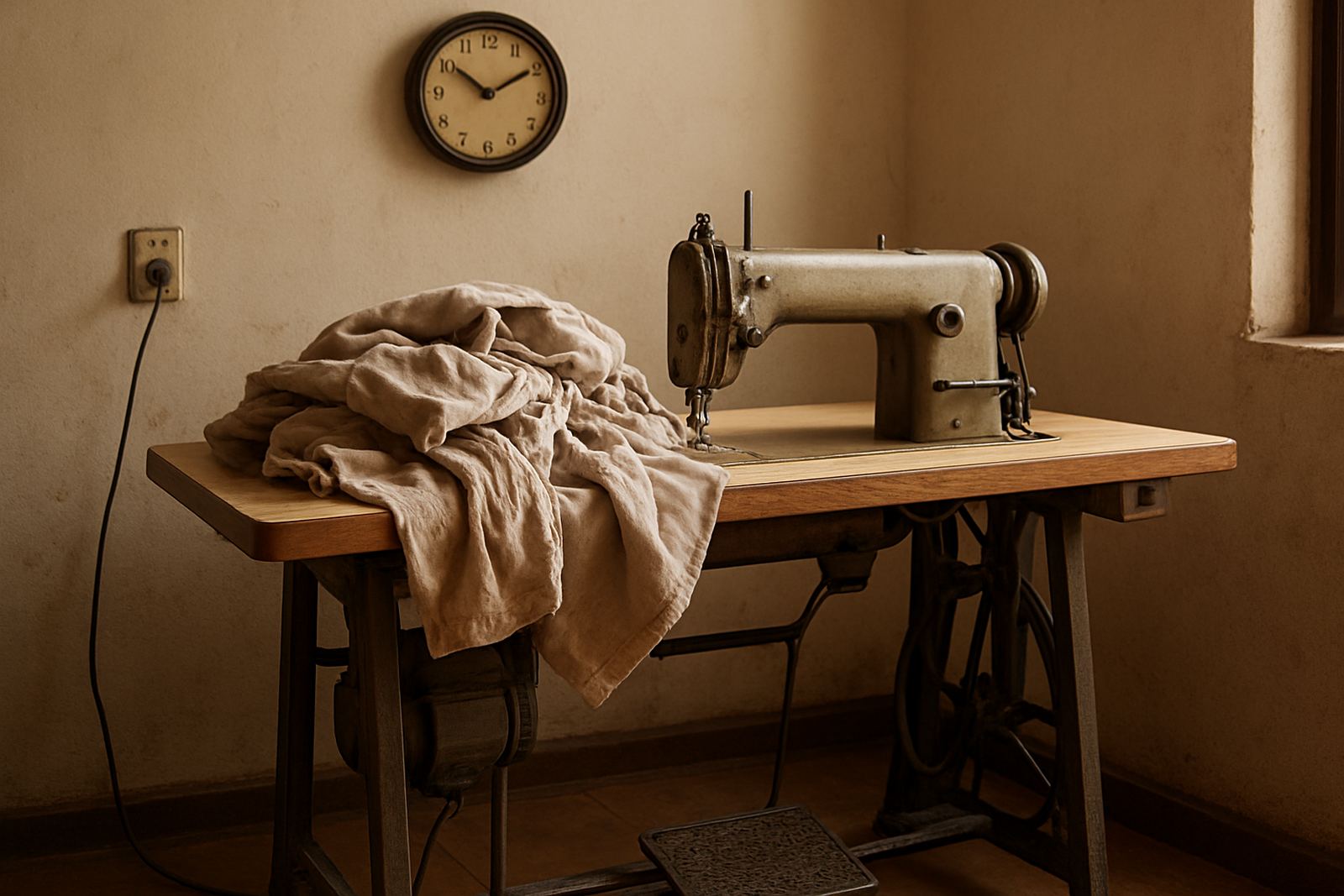
- Motor problems where older clutch motors need conversion or adjustment
- Embroidery faults linked to hooping errors, file setup issues, or sensor problems
- Fusing press failures caused by uneven heat, worn pads, or pressure problems
- Operator error after staff changes or rushed training
In many rooms, the machine itself is not the only issue. Poor lighting, cramped layout, tables at the wrong height and badly placed thread storage can all slow work and increase mistakes. A workroom should be planned so the operator can reach tools, cones, trims and finished pieces without crossing the whole room three times per job.
When a business starts tracking stoppages properly, the pattern becomes clear. The same machine may be giving trouble every Friday afternoon, or one operator may be wasting time on avoidable rethreading. Once the cause is known, the fix is often simpler than expected.
What a proper service does beyond cleaning the machine
A lot of people think servicing means wiping the machine down and adding oil. That is only the beginning. A proper service checks the parts that affect output, not just the parts that are easy to see. It should look at timing, feed movement, motor condition, tension, thread path, safety points and the state of wear on high-use components.
For industrial machines, routine servicing can prevent larger faults that lead to lost production. For household machines used at school or at home, it can mean the difference between a machine that runs smoothly and one that only works after repeated frustration. Machines in coastal humidity or dusty inner-city spaces often need more attention because moisture and dirt speed up wear.
- Cleaning lint and dust from critical areas
- Checking and adjusting tension settings
- Inspecting needles, hooks, belts and feed systems
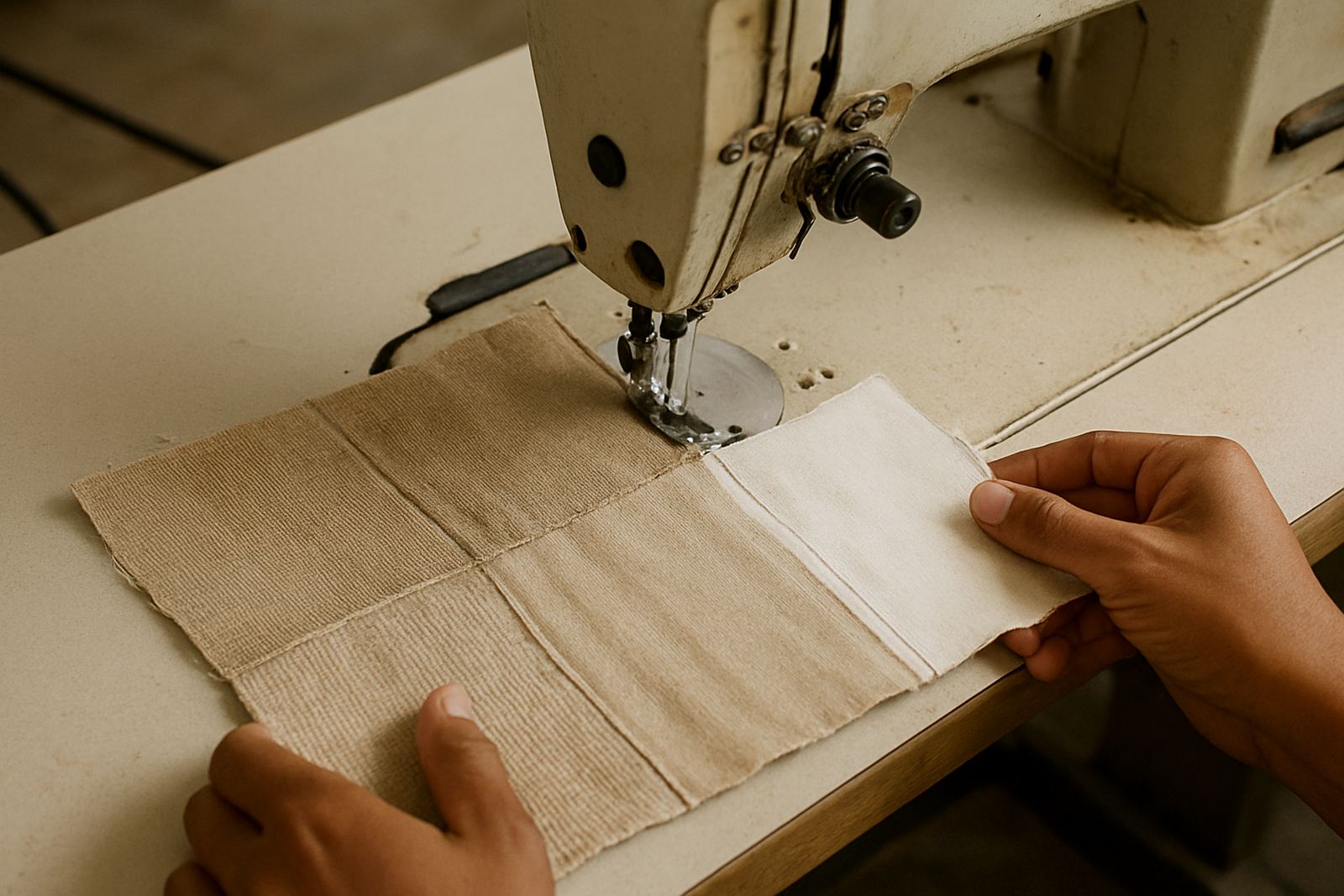
- Testing stitch quality under load
- Checking motor response and foot control action
- Confirming correct oiling points and wear signs
At Asia Sewing Machines, routine servicing is often the cheapest way to avoid a bigger repair later. It keeps the machine predictable, and that matters when orders are already on the table. A machine that behaves the same way each day lets your team plan properly instead of guessing what will go wrong next.
When repairs on site make more sense than moving the machine
Some faults need workshop attention, but many do not. If a machine is large, heavy or built into a production line, moving it can waste more time than the repair itself. On-site repairs are useful when the issue is linked to setup, timing, power supply, or installation conditions. They are also practical when a room cannot afford to lose the machine for several days.
On-site work is often the best choice for factories, tailoring rooms and schools in places like Alberton and Randburg, where transport time and handling can add more cost than the actual fix. A field technician can check the machine in its real working position, see how the operator uses it, and spot problems that disappear once the machine is removed from the room.
There are times when workshop repairs are the better option, especially for major internal faults, broken components, or machines that need parts sourcing and full testing. The point is to decide quickly. Leaving a machine idle while debating where it should go is usually the most expensive option of all.
Businesses that deal with embroidery or fusing often lose the most time when they wait too long. A small embroidery fault can spoil a full run. A press that heats unevenly can cause rejected garments, which means rework, wasted material and unhappy customers. That is avoidable if the machine is checked early.
A Johannesburg CBD example: one delay, three lost orders
Consider a small workroom in the Johannesburg CBD that produces school items and contract tailoring. Two industrial machines handle the main seams, one embroidery machine adds names and badges, and a fusing press finishes collars and panels. After a power interruption, one machine starts skipping stitches and the press takes longer to come up to temperature. The team tries to carry on, but the output falls behind almost immediately.
By midday, the operators are sharing the remaining working machine, the embroidery queue is delayed, and the finishing station is waiting on fused pieces that are not ready. The owner may think the problem is only one machine, but the real cost is the chain reaction. One fault can affect work that was already promised to a customer for the next day. That is how a minor stoppage becomes a missed deadline.
In that kind of room, the quickest value often comes from three actions: proper diagnosis, a fix that matches the actual fault, and a short training refresh for the operator. If the root problem was timing, a motor issue or thread handling mistake, it should not be left to guesswork. The machine must go back into service working the way the room needs it to work.
Simple habits that protect production between services
Not every delay needs a technician. A few daily habits can prevent many avoidable stoppages and keep production moving. These habits are small, but they save time every week and they reduce stress on the team.
- Change needles before they start affecting stitch quality
- Check thread routing at the start of each shift
- Keep lint and offcuts away from moving parts
- Let operators report unusual noise, heat or vibration early
- Restart machines carefully after load-shedding, then test on scrap first
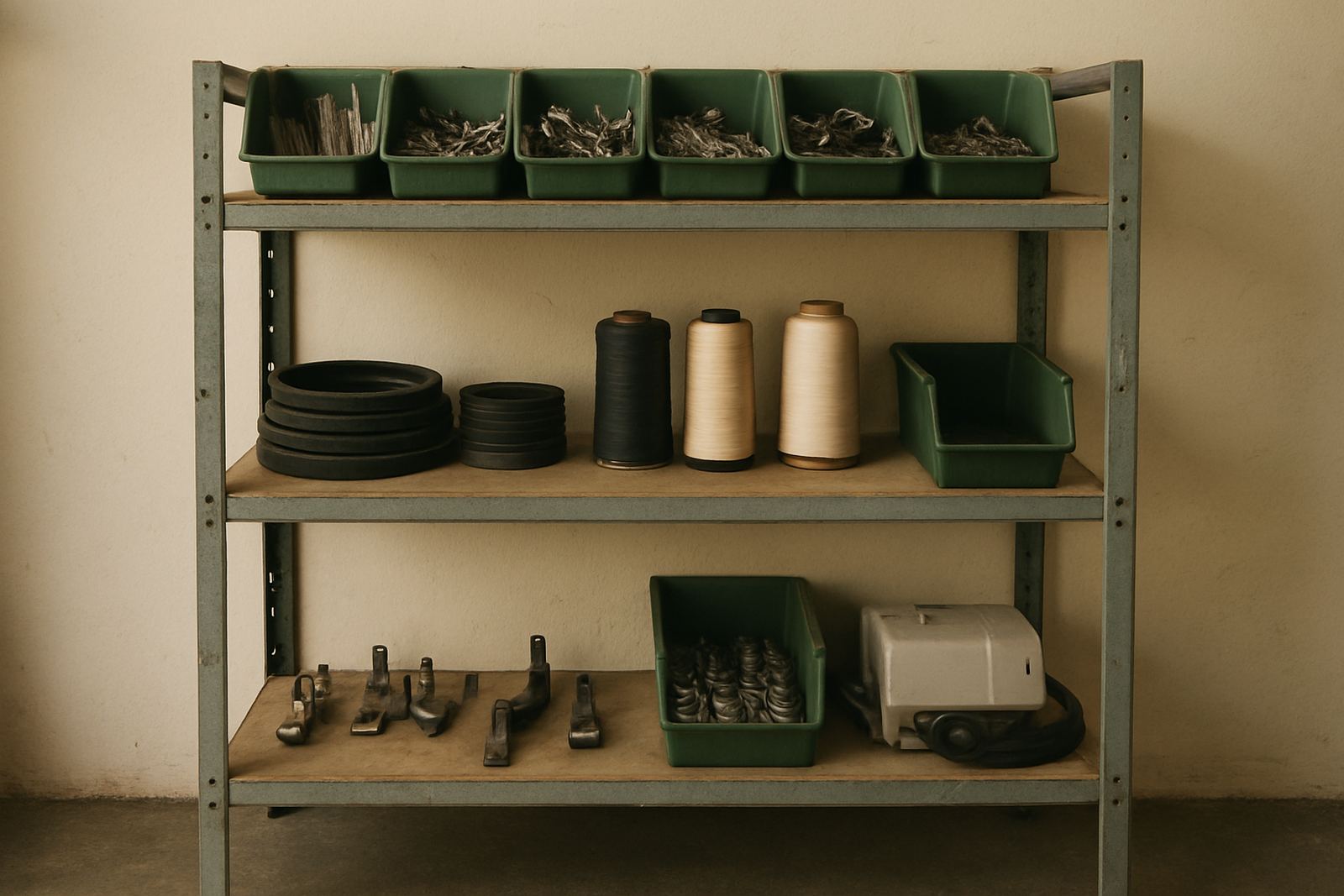
- Store spare parts, attachments and consumables in one clear place
Training matters as much as maintenance. A well trained operator spots a problem before it becomes a stoppage. They know when to stop, when to clean, and when to ask for help. That saves material and avoids damage to the machine.
For businesses with changing staff, short refreshers can pay off quickly. A new operator who understands basic threading, tension and start-up checks is far less likely to cause a day’s work to collapse. Even small changes in routine can reduce losses quite a bit.
},{