

Start with the right thread, not just any spool
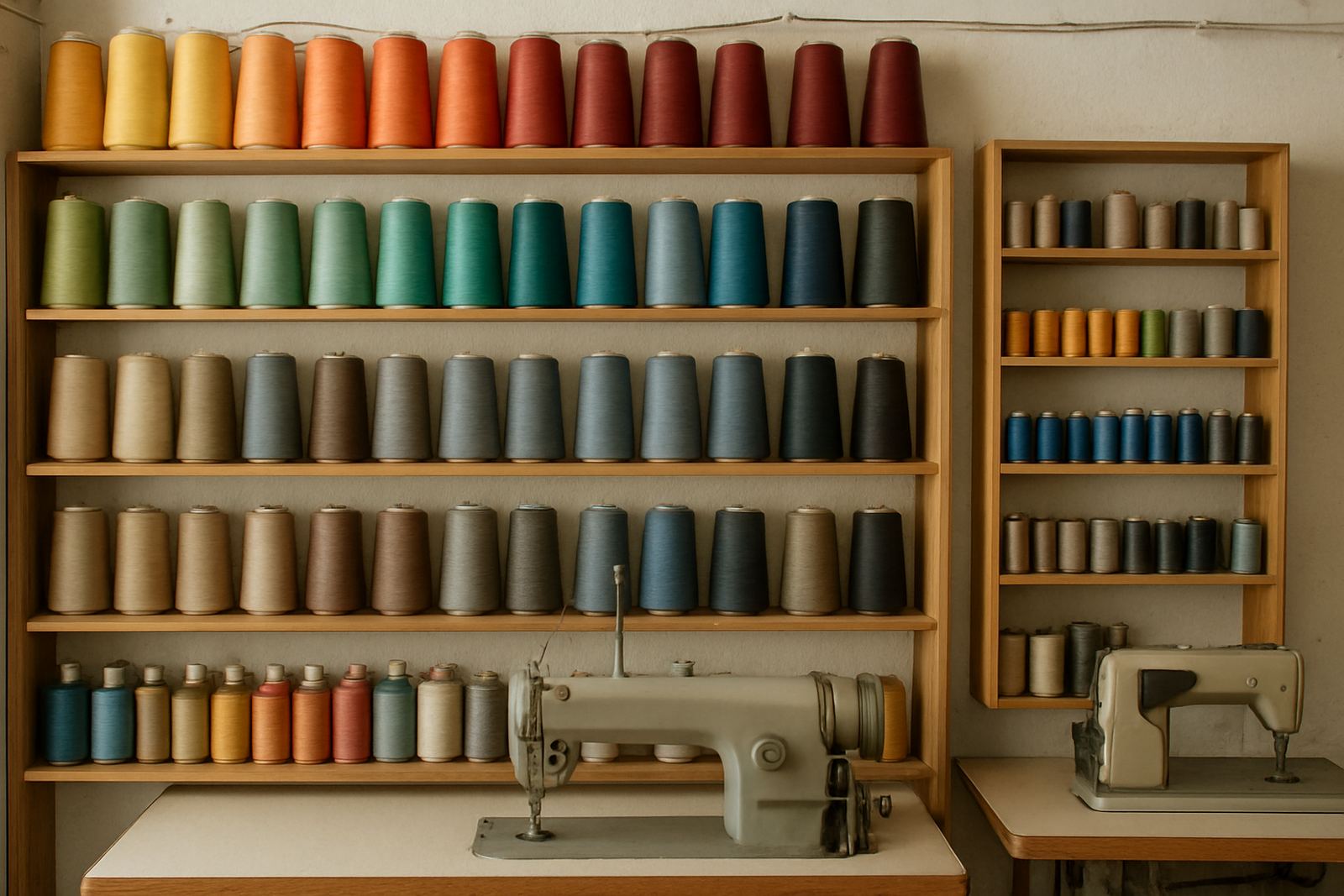
Bobbin winding begins with thread choice. The thread has to suit the machine, the fabric and the job at hand. A fine bobbin thread on a light garment machine will behave very differently from a heavier thread used for bags, denim or school uniforms. If the thread is dirty, old or stored in a hot storeroom it can shed fluff and create uneven winding, which affects the lower tension later on.
In Johannesburg CBD, where many workrooms run machines from early morning to late at night, we often see bobbin trouble start with mismatched thread. A sewing line in Fordsburg may use one thread for every machine in the room, but that does not mean the bobbin needs the same spool on every station. Check the thread path first, then wind a test bobbin and look at the layers. They should sit neatly side by side, not mound up on one edge.
Set the winding tension so the bobbin fills evenly
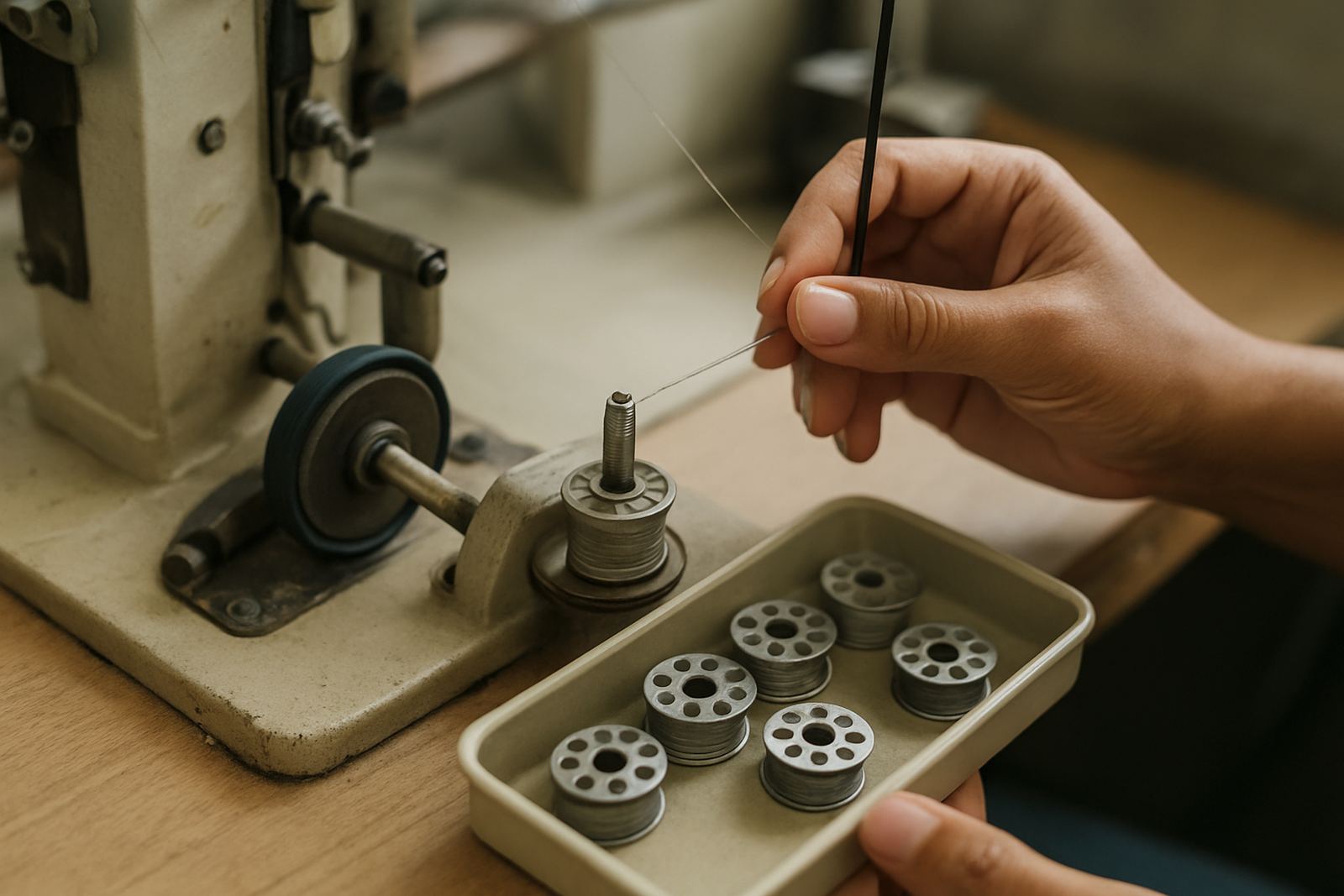
The winding tension must be firm enough to pack the thread neatly, but not so tight that the bobbin becomes hard and glassy. If the winding is too loose, the bobbin will collapse in the centre or unwind unevenly. If it is too tight, the thread can stretch and then relax later, which changes the stitch balance. That small detail can throw off a whole batch.
On most industrial and household machines, the winding should form an even build from side to side. Watch the bobbin as it fills. If one side rises faster than the other, the guide may be out of line or the thread path may be catching. A slight adjustment now saves a lot of rework later, and it is far better than guessing after the seam has already started puckering.
- Check the bobbin winder tyre or drive contact for wear
- Make sure the winding guide is clean and free of fluff
- Use a bobbin that matches the machine hook system
- Stop before the bobbin is overfilled, especially on fast machines
Do not overfill the bobbin, even if it looks handy
An overfilled bobbin may look useful, but it often causes more problems than it solves. When the thread sits above the bobbin edge, it can snag inside the case or rub against the tension spring. That extra friction leads to breaks, nesting and inconsistent stitches. On embroidery machines it can be even more troublesome because the machine runs at speed and the lower thread must feed smoothly every time.
A neat fill is better than a full one. Leave enough space so the thread can unwind without dragging against the flange. If your team is in Soweto or Germiston and working through a big order, it may feel quicker to wind everything to the brim, but the slower route is cheaper in the end. Fewer stoppages means less lost time, fewer broken seams and less waste from repairs.
Match the bobbin to the machine, case and job
Not every bobbin fits every machine in the same way. Size, height and weight all matter. A bobbin that works well in one industrial machine may not sit correctly in another machine with a different hook and case setup. Even a small mismatch can change how the thread feeds under the needle plate.
For tailors, schools and home sewers in Pretoria or Randburg, this often shows up as a machine that seems to sew fine for a few minutes and then starts acting up. Before changing the top tension or blaming the needle, check the bobbin, the case and the hook area. Clean lint from the race, check for damage and confirm the bobbin edges are smooth. If the bobbin has burrs or dents, replace it instead of trying to force it into service.
- Use the correct bobbin size for the machine model
- Inspect the bobbin case spring and tension point
- Remove lint from the hook area before every shift
- Keep spare bobbins sorted by machine type, not mixed in one tin
Watch the first few stitches after every bobbin change
The first line of stitches after a bobbin change tells you a lot. If the seam starts with a loose loop underneath, the bobbin may not be seated properly. If the thread pulls tight and the machine sounds strained, the lower tension may be too strong or the winding may be uneven. A quick test strip saves time, especially on batch work where one faulty bobbin can spoil several garments before anyone notices.
We always advise operators to run a short test on the same fabric before moving into production. Use the same needle size and top thread that will be used on the job. Then look at the underside of the seam as well as the top. Clean lower tension should show balanced stitches, not a row of knots or slack loops.
Keep bobbins clean in dusty rooms and humid stores
Bobbin problems are not only about tension. Dust, thread fluff and moisture all play their part. In a busy workroom, lint builds up fast around the winder and under the needle plate. Near the coast, humidity can also affect thread behaviour if stock is kept in a damp back room. Even in Johannesburg, where the air is drier, a locked storeroom with poor ventilation can cause trouble for thread and machine parts alike.
Simple habits make a difference. Wipe the winder area daily, store spares in closed containers and keep bobbins away from oil, water and direct sunlight. If the machine sits unused during load-shedding, cover it so dust does not settle into the hook area. A bobbin wound cleanly on Monday may still sew well on Friday if the storage is right.
When the bobbin keeps failing, get the machine checked properly
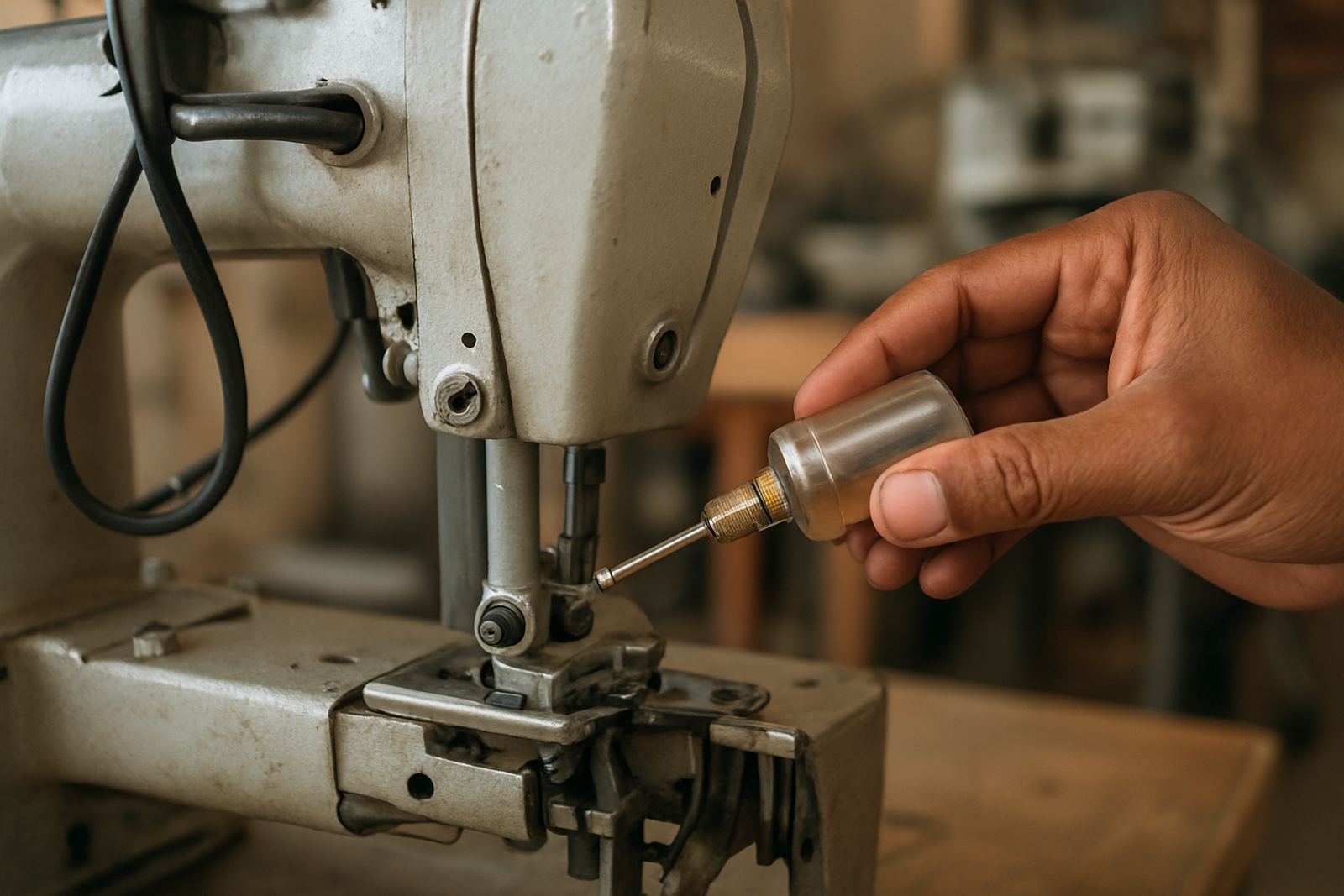
If you have corrected the thread, winding, bobbin size and cleaning routine but the machine still skips or nests, the issue may be deeper. The winder mechanism, timing, hook point or tension spring may need attention. A machine that has been running hard for years can drift out of adjustment little by little, and that shows up first in the lower thread. It is a small sign, but it matters.
For factories, schools and repair rooms across Johannesburg CBD, Mayfair, Alberton and Pretoria, we often find that bobbin trouble is really a sign of a bigger service need. A proper inspection can settle the timing, check the motor drive, clean the feed path and sort out worn parts before they stop production. That keeps the machine sewing steadily instead of giving the same fault every few days.
A simple bobbin routine that saves time on the floor
Bobbin winding does not need to be complicated. The best routine is consistent: choose the right thread, set the winding tension, avoid overfilling, clean the bobbin area and test before production. Once your team follows the same steps every time, seam quality becomes more predictable and the lower tension stays calmer.
At our Johannesburg CBD base, we see the difference this makes in busy workrooms. A clean bobbin may look like a small detail, but it supports the whole stitch. And when a seam must hold up through washing, wear and daily use, that small detail is doing more work than many people realise.