

Start with the style repeat, not the machine list
Good uniform room planning begins with the garments you make most often. If your workroom is cutting school shirts, nurse uniforms, security trousers or hospitality wear in repeated sizes, the room should be set up around repeat styles, not a long wish list of equipment. That approach makes it easier to choose the right industrial sewing machines, plan operator stations and keep each size moving in the same order every time.
For factories and smaller workrooms in Johannesburg CBD, Fordsburg, Mayfair and Soweto, repeat styles also make it easier to budget. You know where the bottlenecks are, you know which operations happen every day, and you can place the machine, table and storage where they will be used most. That cuts down on unnecessary walking, missed pieces and people crossing paths with half finished bundles.
- List your top 5 uniform styles by volume.
- Write down the operations for each style in order.
- Mark which steps need plain stitching, edge finishing, button work or pressing.
- Identify the sizes that repeat most often so you can bundle them together.
Choose machines around operations, not just brand preference
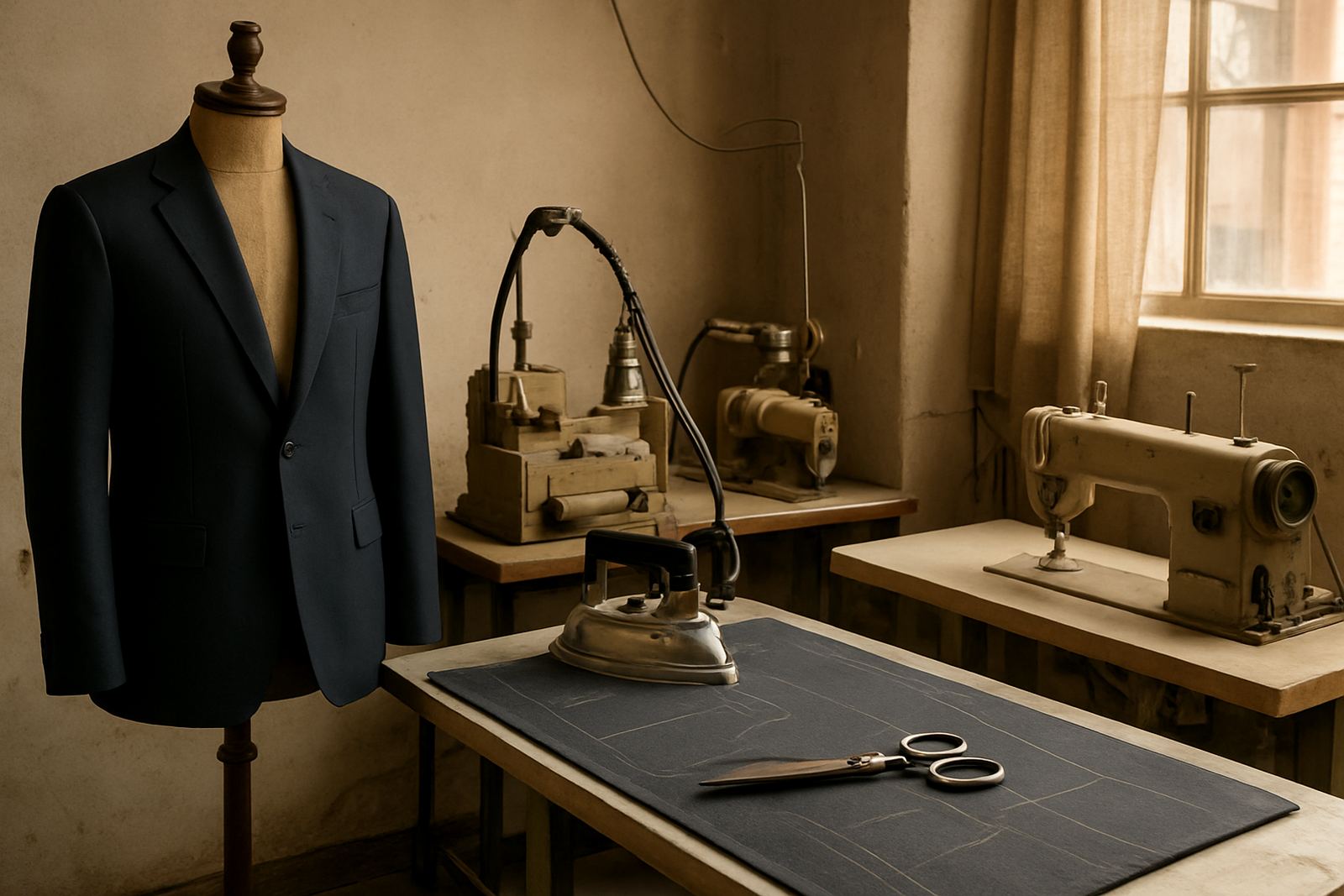
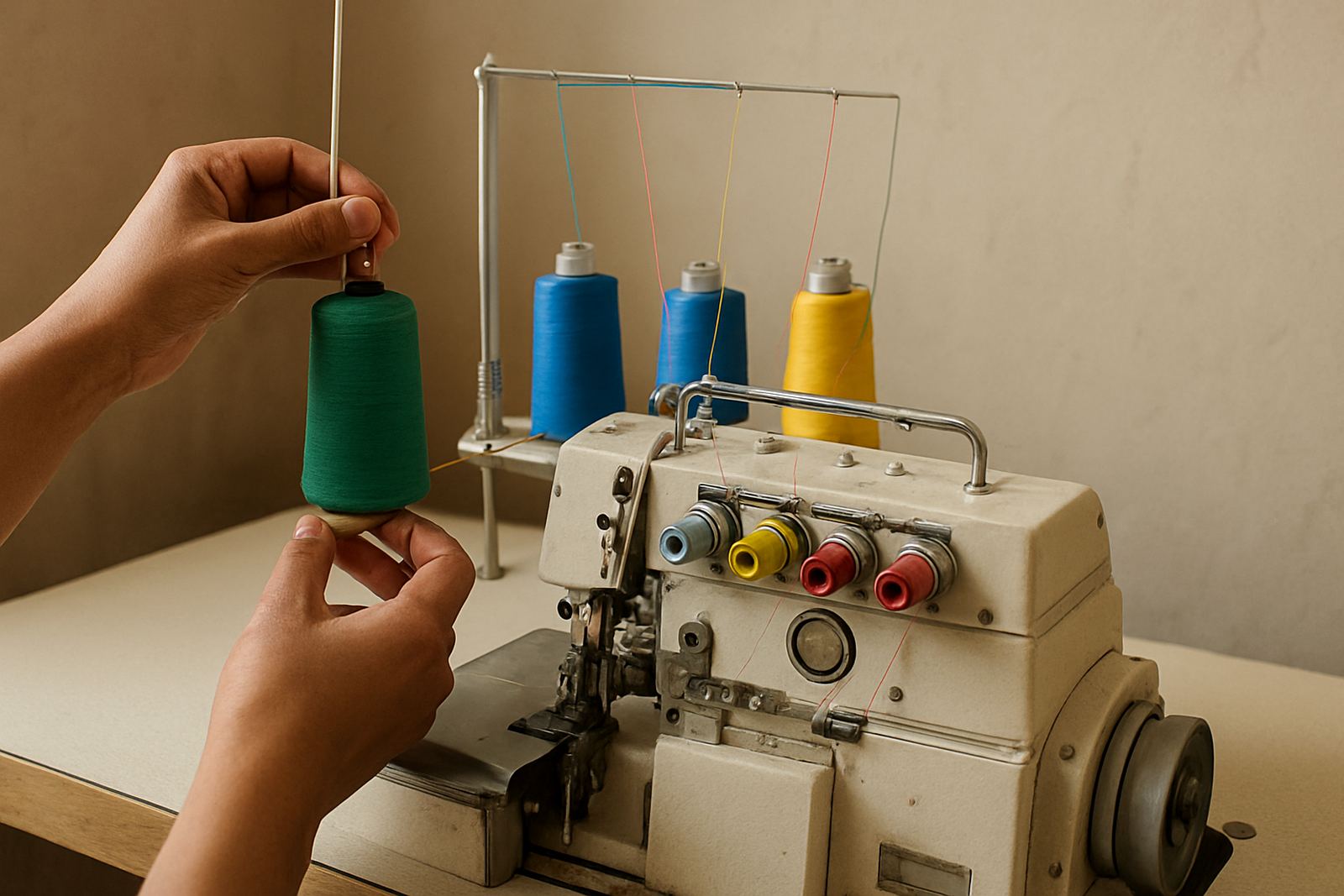
A uniform room does not need every machine under the sun. It needs the right mix for the work in front of it. Straight stitching handles much of the main construction, while overlocking supports seams that must hold up to daily wear. Buttonhole and button attaching machines are useful for shirts, tunics and coats. For embroidered name panels or school badges, a computerised embroidery machine may be part of the workflow. Fusing presses and pressing stations matter just as much, because a clean finish helps the whole batch look consistent.
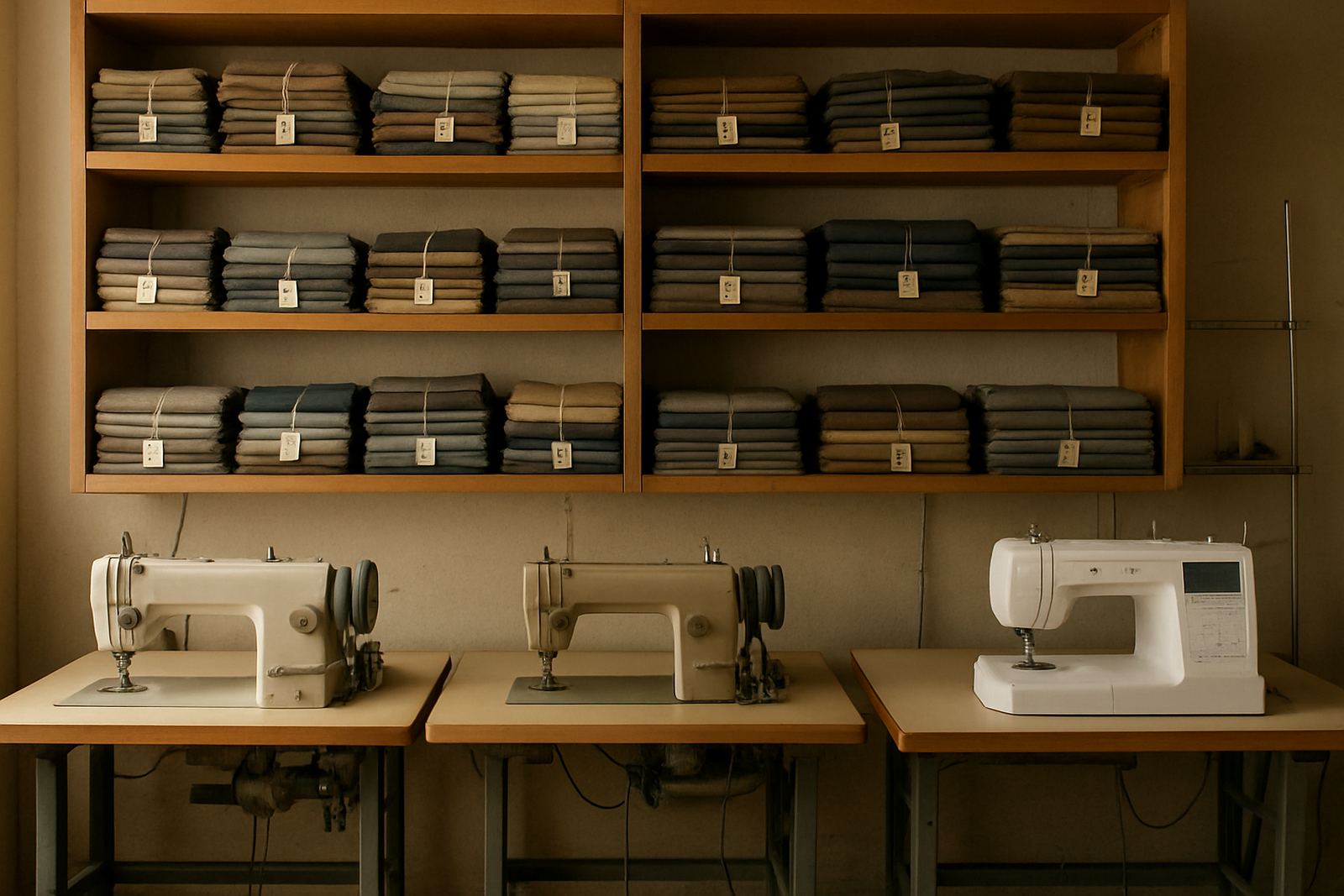
When the same style is repeated in large numbers, machine choice should support speed and consistency. A machine that is too advanced for a simple operation can slow operators down, while a basic machine with the right motor conversion or timing adjustment may do the job well for years. In Germiston and Pretoria, where some workrooms run long shifts and some face load shedding interruptions, that balance matters. A machine that restarts cleanly and stays stable on power changes saves time and frustration.
- Match each operation to the simplest machine that can do it well.
- Keep one station for repairs or test runs, so production is not interrupted.
- Allow space for spare needles, bobbins, oil and commonly used attachments.
- Plan power points for machines, presses and lighting before the layout is fixed.
Design a clean flow for bundling and checking
Repeat styles work best when the workroom follows a set route. Bundles should move from cutting to stitching, then to pressing, checking and packing without backtracking. This is where many rooms lose time. If checked pieces are sent back to the start because there is no clear inspection point, the line clogs up and operators wait for work that should already have moved on.
A practical uniform room should include a bundling point with enough space for size sorting, ticketing and issue records. Keep quality checking close to the end of the sewing run, not somewhere across the room. A simple table with good light, measuring tools and a clear reject tray can prevent small faults from becoming full batch problems. Lerato Mokoena often reminds clients that repeat styles need repeat checking. The routine must be same every day, not only when things go wrong.
- Use colour coded bundle tags for sizes, departments or contract numbers.
- Separate incomplete work from approved work so nothing gets mixed.
- Place finished bundles near packing, not back at the cutting table.
- Keep one checklist for measurements, stitch quality, trims and labels.
Build around the room, not against it
Workroom planning is easier when the room shape is respected. In the Johannesburg CBD and older factory spaces around Fordsburg and Mayfair, floors may be narrow, columns may break up the area, and storage may have to fit into corners. That does not mean the room cannot work well. It means the layout should follow the real space, with cutting tables, sewing rows and pressing points placed to reduce congestion.
Allow enough room behind operators for chairs, thread stands and service access. If machines are packed too tightly, the workshop team spends more time lifting tables and less time sewing. Yusuf Patel often checks whether the operator can reach thread, oil, trims and the pedal without twisting. That is a small thing, but across a full shift it makes a big difference to output and comfort.
- Leave clear walkways between cutting, sewing and packing zones.
- Keep heavy presses on level flooring where vibration is manageable.
- Store thread, spares and attachments within reach but not on the floor.
- Set aside a small bench for quick adjustments and test seams.
Do not ignore pressing, repairs and training
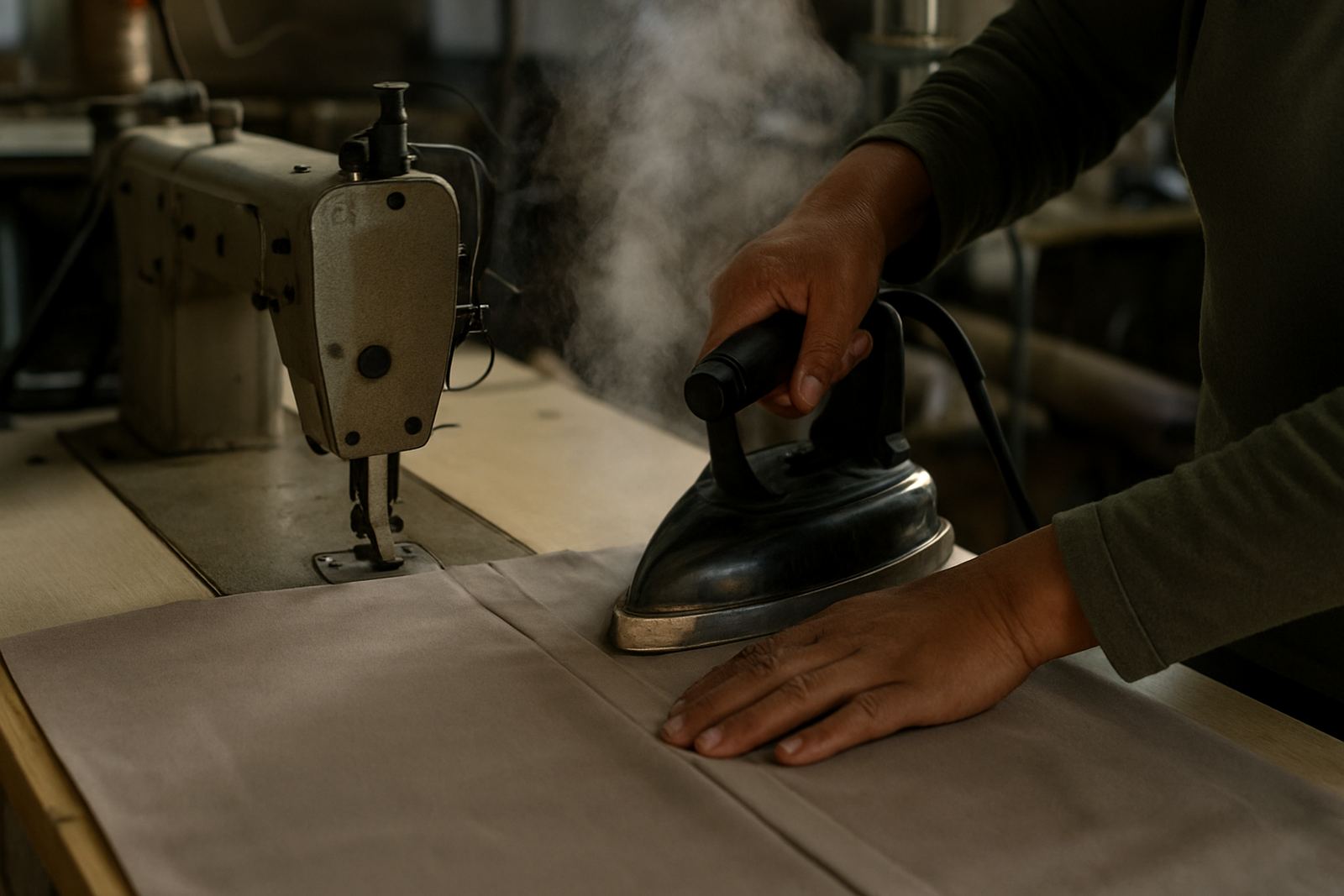
A uniform room can only hold its pace if the back end is cared for. Fusing presses and pressing stations need routine servicing, especially where adhesive work is constant. If temperature control drifts or pressure is uneven, collars, facings and cuffs begin to lift and the whole batch loses finish. On site repairs are useful for urgent breakdowns, but a planned servicing schedule is better than waiting for a fault to stop production.
Operator training should also be part of the layout conversation. When staff know where to collect bundles, how to report a jam, and how to check the first garment in a run, the room runs with less waste. In Alberton and Randburg, we often see small teams doing very well once they have a proper routine for threading, cleaning, bobbin change and end of day shut down. The room does not need more people, it needs better habits and equipment that is easy to keep in order.
- Train operators on one style at a time until the routine is steady.
- Keep a service log for each machine and press.
- Test the first piece of every bundle before the run continues.
- Build in time for cleaning lint, checking tension and replacing worn needles.
A local example from a school uniform room
A schoolwear maker in Soweto came to us with a common problem. The room had enough machines, but the setup was slow. Cutting was done at one end, sewing at the other and pressing in a separate corner. Operators were walking too much, bundles were mixed by size and the same shirts were being checked more than once. The machines were sound, but the room flow was wasting hours each week.
We rearranged the room for the repeat styles they made most: shirts, skirts and trousers in standard size runs. Straight stitching stations were grouped together, overlocking was kept near seam finishing, and the pressing station was moved closer to final inspection. A simple bundling point was added near the entrance so sizes could be issued in order. The result was not dramatic in a flashy sense, but it was practical. Less walking, fewer mistakes and a better rhythm for the whole team. That is what uniform room planning should do.
When repeat styles are handled properly, the room becomes easier to manage, easier to train and easier to keep productive. The aim is not to crowd in more equipment. It is to place the right machine in the right spot and make the work easy to follow from the first cut to the final fold.