
Why oil matters more than most people think
A sewing machine has many moving parts working at speed, often for hours at a time. Without the correct oil film, metal rubs on metal, threads snag more easily and the machine starts to sound dry or uneven. That is when stitch quality slips and repairs become more likely.
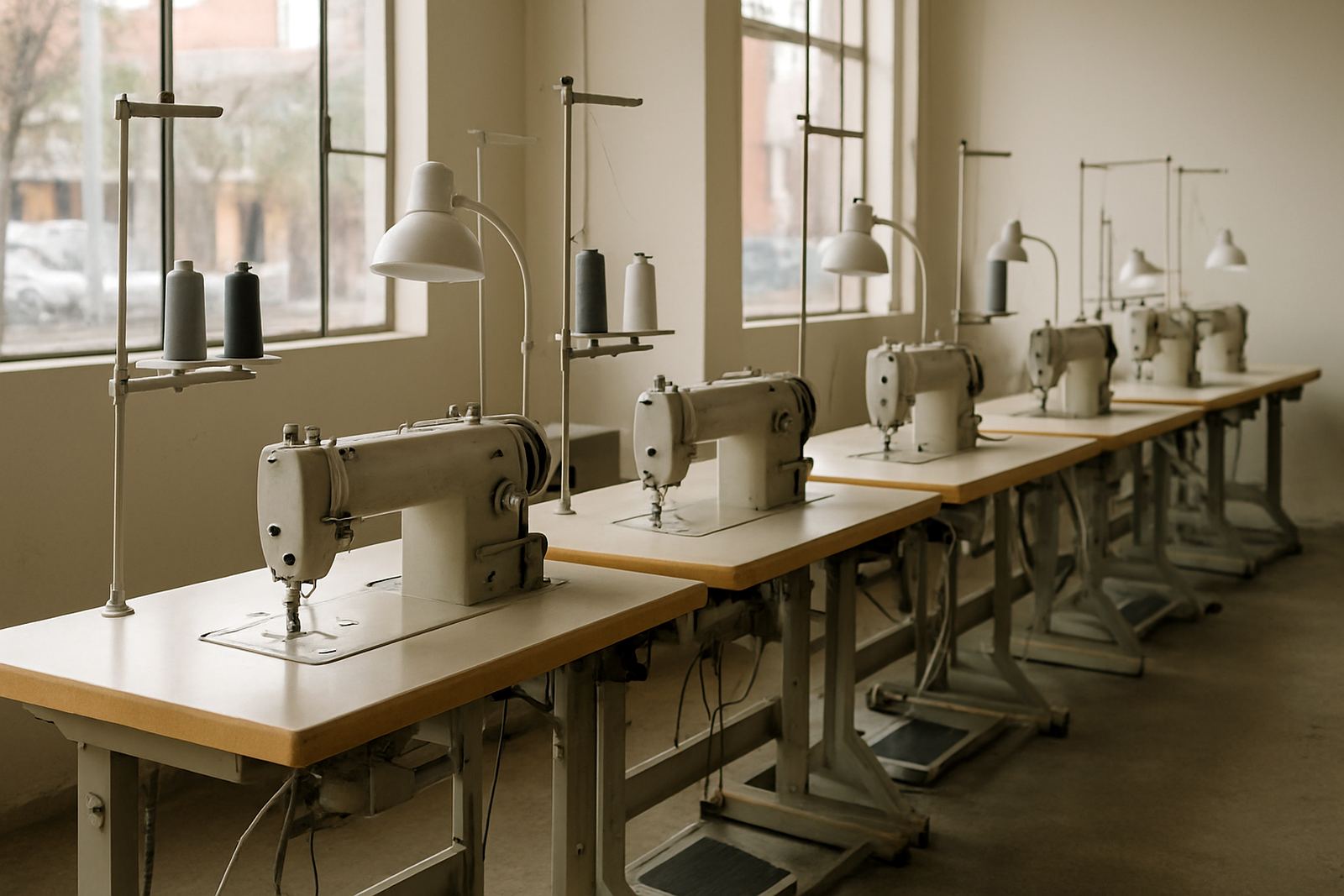
For factories in Gauteng, schools with busy sewing rooms, and home sewers running a few garments each week, oiling is not just routine care. It is part of protecting the machine against wear, especially when dust, lint and heat build up. In Johannesburg CBD and places like Fordsburg, Mayfair and Soweto, many machines sit in compact workrooms where lint collects quickly and a small oiling habit can make a real difference.
Oil also helps machines cope with long operating hours and load-shedding interruptions. If a machine is left standing for a while then started again, the moving parts should still be free enough to turn smoothly. Dry bearings and dry hook areas are where trouble starts.
Know the oil points on your machine
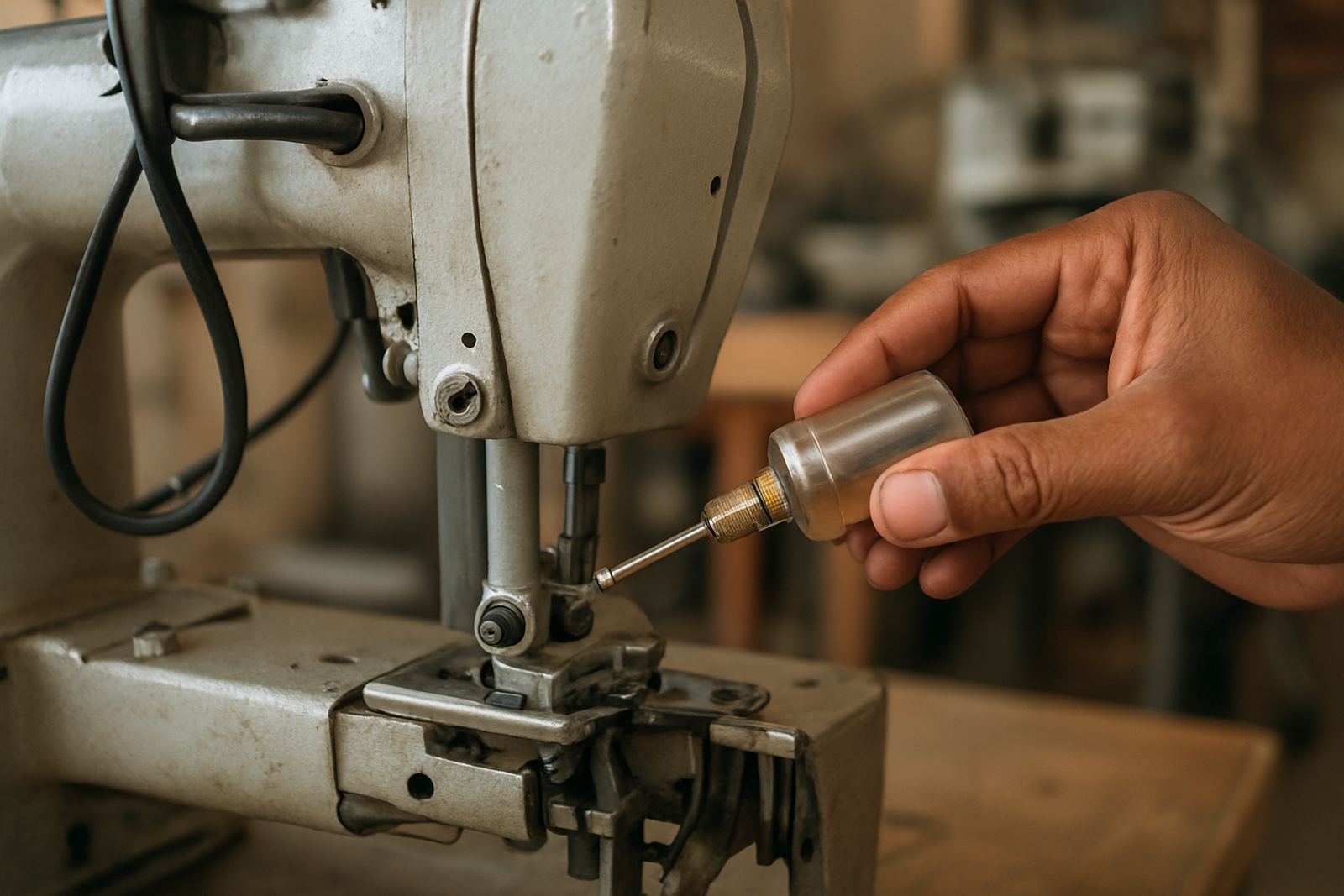
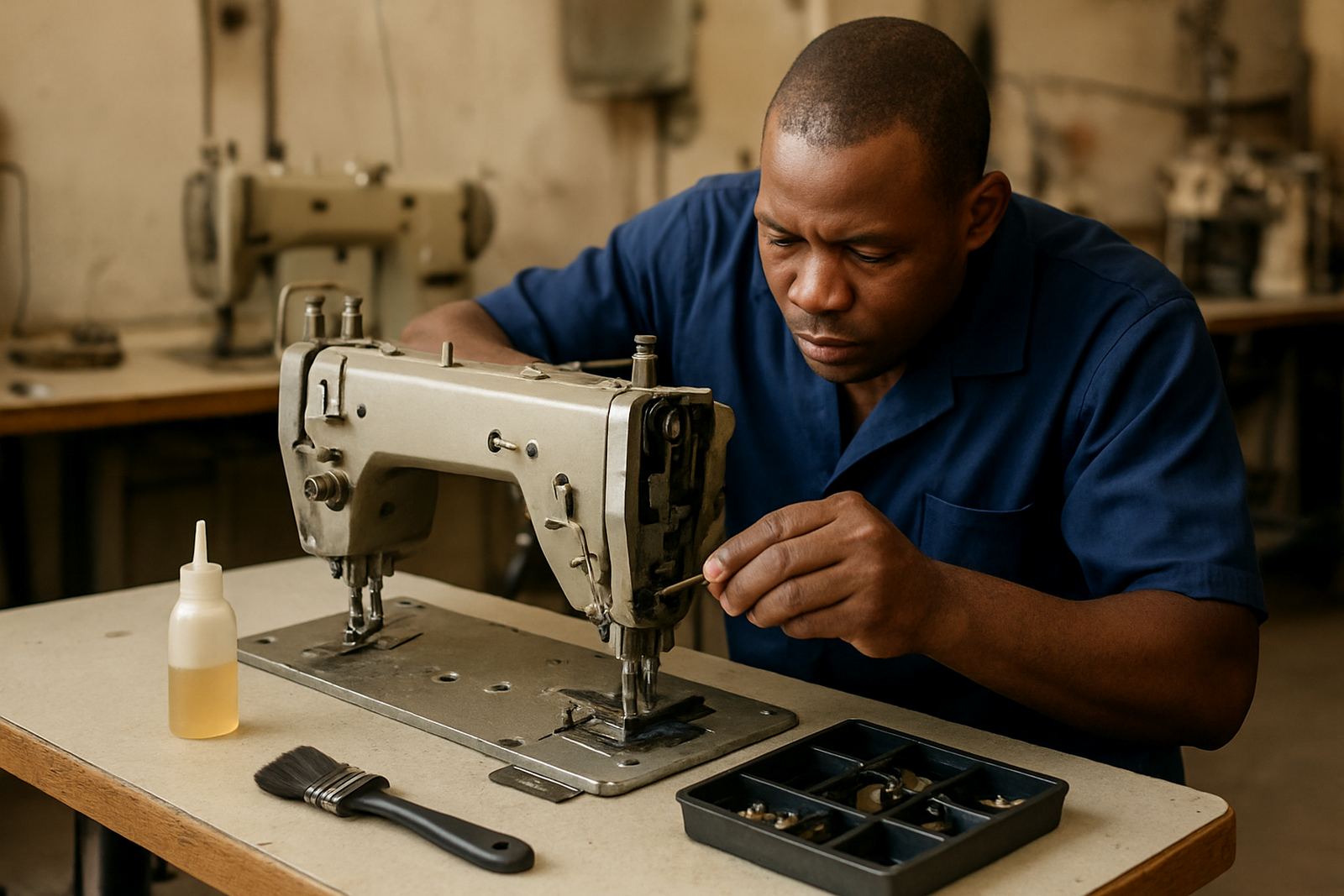
Different machines have different oil points, so the first rule is to follow the machine layout rather than guessing. Some household models have a few marked points under the top cover and around the needle bar. Industrial machines usually have more points on the hook, shafts, oscillating parts and moving joints. Embroidery machines can have a mix of accessible points and sealed sections that must be serviced carefully.
As a practical guide, oil is usually needed where metal parts move against each other. If your machine has a transparent window or a small oil sight point, keep an eye on it. If it has a hook race, take-up lever area or bobbin mechanism that runs dry, the machine will start to complain with a sharper sound.
- Needle bar and presser bar moving points
- Hook race or shuttle area on applicable machines
- Take-up lever and top shaft contact points
- Feed mechanism pivots and linkages
- Embroidery carriage points where approved by the service guide
Never pour oil where it does not belong. Too much oil can stain fabric, collect dust and work into the motor area. A small, clean drop is usually better than a heavy dose.
How often to oil depends on use, not hope
There is no single timetable that suits every machine. A tailor sewing daily in Germiston will need a different routine from a home sewer in Pretoria doing weekend alterations. The real guide is use, fabric type and machine speed. Heavy daily use means more frequent oiling. Light use still needs attention because oil dries out and dust settles.
As a working rule, check oil points before a long shift and again after cleaning lint from the machine. If the machine has just been serviced, use the recommended amount only and monitor it for the first few runs. If you hear a dry ticking sound, feel more vibration or notice the handwheel turning harder than normal, inspect the oil points immediately.
- Daily use: check before starting the day
- High-speed industrial work: inspect during changeovers
- After cleaning: re-oil the points that were wiped dry
- After transport or installation: confirm all points are free and lubricated
- After long standing periods: test slowly first, then resume normal speed
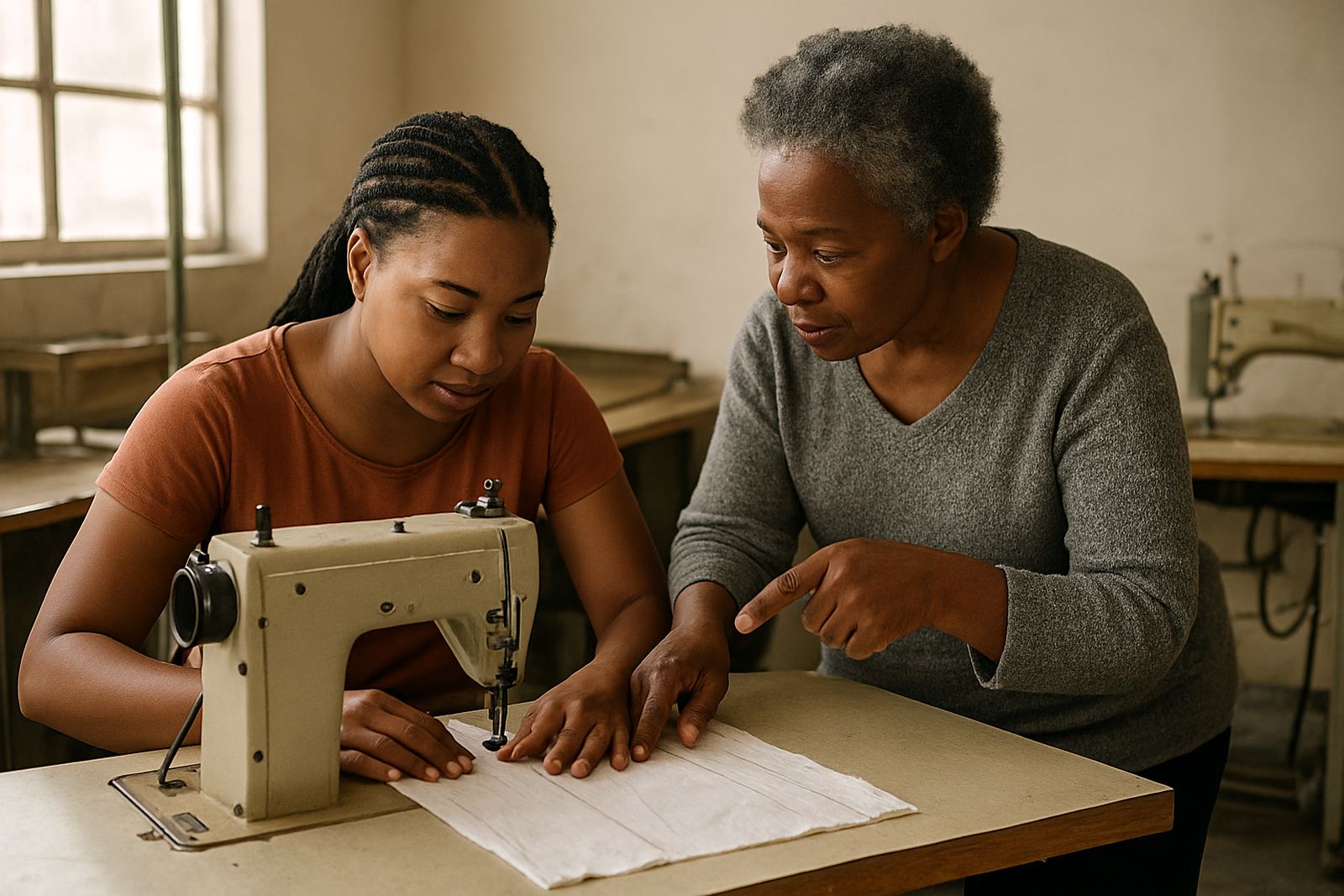
Schools and training rooms should also build oil checks into the weekly routine. Machines used by many operators wear differently because one person may be careful and the next may be heavy-handed. Simple supervision prevents avoidable damage.
What good oiling sounds and feels like
A well-oiled machine usually runs with a steady, light sound. The handwheel turns evenly, the needle action feels smooth and the stitch line stays consistent. You should not hear scraping, squeaking or harsh knocking. If the machine was noisy before oiling and then settles down, that is a clear sign the correct point was reached.
Not every problem is an oil problem though. Timing issues, bent needles, loose parts and poor thread tension can all create noise or bad stitches. That is why oiling should be part of a wider maintenance check, not a guesswork fix. If the machine is still rough after proper oiling, it needs a proper inspection rather than more oil.
Be careful with the amount. If oil collects under the needle plate or drips onto the work, wipe it off before sewing again. A machine that is over-oiled can be just as troublesome as one that is dry, because the excess attracts lint and leaves marks on fabric.
Common oiling mistakes that cause avoidable damage
Most oiling problems come from speed, habits or using the wrong product. Some operators add oil only when the machine has already started making noise. By then, wear may already have started. Others use too much, or oil the wrong areas and ignore the moving parts that actually need attention. A few simply skip cleaning, so the fresh oil traps lint instead of helping the machine.
Another common mistake is mixing oiling with quick fixes. If a machine is vibrating, dropping stitches or jamming the bobbin area, oil alone will not solve every fault. In those cases a service check is better than guessing. This is especially important for embroidery machines and fusing equipment where heat, speed and alignment all matter.
- Using cooking oil, thick grease or mixed lubricants
- Oiling over lint, dust or thread scraps
- Applying oil only after a fault starts
- Missing hidden points under covers and plates
- Ignoring drips on fabric, tables or the motor area
A Johannesburg example from workshop to floor
A small garment workshop in Johannesburg CBD called for help after three machines started running hot during a busy week. The operators had been adding oil now and then, but not cleaning lint from the hook area or checking the top shaft points. One machine had a dry, rattling sound and another was leaving uneven stitches. After a proper clean and service, plus correct oiling at the right points, all three machines returned to smoother running and the stitch quality improved at once.
That kind of situation is common across Fordsburg, Mayfair and Soweto where machines are often pushed hard before anyone stops to inspect them. A few minutes of oiling and checking can save hours of lost production. It also helps businesses plan better because fewer breakdowns mean less interruption to orders, fittings and deliveries.
For any workshop, the best habit is simple: clean first, oil second, test slowly and listen carefully. If the machine still sounds wrong, get the timing, feed or hook area checked before the fault becomes expensive.