A needle is a wear item, not a forever part
Many sewers wait until a needle breaks before they think about replacing it, but that is usually too late. Even if the point is still attached, the tip can become blunt, bent or burred after a few hours of sewing, especially on heavy fabric, coated cloth or thick seams. In a busy workroom in Johannesburg CBD or Fordsburg, that small wear adds up fast.
The needle is the first part that touches the fabric and thread, so when it is tired the whole stitch suffers. You may see missed stitches, uneven tension, frayed thread, snags in knitted fabric, or little holes in finer material. A fresh needle is a low-cost fix compared with a damaged job or a call-out for something that was just a worn needle in the first place.
Signs it is time to change the needle
Some signs are obvious, others are subtle. If the machine has started sounding harsher than usual, if the thread keeps breaking, or if the stitches look inconsistent from the first row to the last, the needle should be checked before anything else. On embroidery machines the signs can be even more noticeable because the machine repeats the same motion over and over, and one weak needle can throw off a whole design.
- Skipped stitches on straight seams or zigzag work
- Frayed top thread or bobbin thread showing through
- Fabric puckering, snags or small pulls
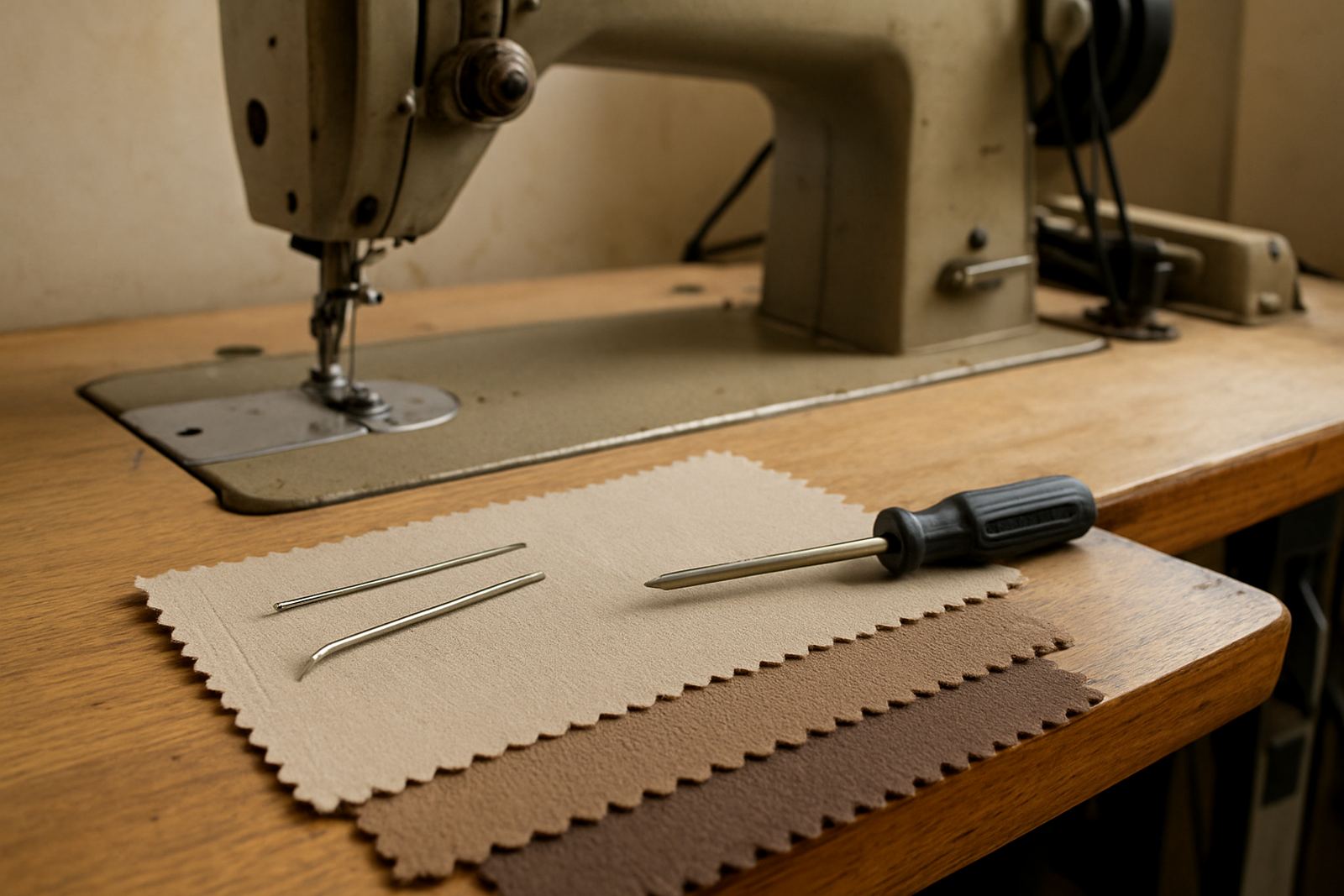
- Bent point, dull tip or visible burrs on the needle
- Rough noise as the needle enters thick seams
- Stitch quality changes after a fabric change
If you sew knits, stretch fabrics or fine woven materials, a slightly worn needle can cause problems very quickly. A needle may still look acceptable to the eye, but if the point is no longer clean it will not pass through the fabric properly.
How often should you change needles in real use
There is no single rule for every machine and every job, but there are sensible working habits. For home sewing, a general guide is to change the needle after every major project or after 8 to 10 hours of sewing. In a factory or school workroom, it may need changing much sooner depending on the fabric and the speed of the machine.
As a practical habit, change the needle when you change from one fabric type to another if the job is demanding. For example, moving from light cotton to denim, vinyl or layered canvas in Germiston or Pretoria calls for a fresh, suitable needle size. The wrong size can cause skipped stitches, thread damage and unnecessary wear on the hook area.
- Light fabric: finer needle for cleaner entry and less marking
- Medium woven fabric: standard general-purpose needle
- Denim or canvas: stronger needle with the right point style
- Knits and stretch fabrics: needle suited to stretching movement
- Embroidery work: sharp, clean needle to protect thread and design quality
It also helps to keep a simple log in the workroom, especially where several operators share machines. That saves time and makes needle changes less random.
Why the wrong needle causes bigger faults
When the needle is wrong for the fabric, the machine starts fighting the job. A needle that is too fine can flex and miss the loop of thread needed for stitch formation. A needle that is too thick can leave visible holes or distort delicate cloth. If the eye is damaged or the shaft is slightly bent, the thread is dragged instead of passing smoothly and the machine may then need timing checks or tension adjustments.
That is why a simple needle change is often the best first step before any major repair. Many technicians in Johannesburg will tell you that a machine brought in for a no stitch or tension complaint often only needed a new needle and a proper rethread. It sounds basic, but basic is sometimes the answer.
Coastal humidity can also affect thread and needle performance, though Gauteng is usually drier. In a room with dust, lint and long running hours, the needle should be checked more often because lint buildup and heat can make it behave like a worn part even before it snaps.
Special care for embroidery and fusing work
Embroidery machines are less forgiving than plain sewing machines because small faults repeat many times across the design. A needle that is a little dull can leave thread breaks, uneven stitching and bobbin issues that waste both time and thread. For production runs, it is better to replace the needle at the first signs of wear rather than wait for the job to fail halfway through.
Fusing presses and pressing stations do not use needles, but the same habit applies: do not wait for a small consumable issue to become a bigger service problem. In workrooms where sewing and pressing happen together, clean habits and regular checks keep the line moving. A broken needle can also leave tiny metal fragments in the machine bed so a quick clean is worth doing after any breakage.
- Check needle condition at the start of each shift in busy rooms
- Replace after breakage, even if the replacement is the same size
- Use the correct point type for embroidery thread and fabric
- Stop the job if sound or stitch quality changes suddenly
A local example from a busy Gauteng workroom
A small tailoring room in Soweto may run a few household machines in the morning and an industrial machine in the afternoon for school uniforms and alterations. When the operator notices skipped stitches on a hem, the instinct is often to blame tension or the bobbin case. In many cases the fix is simpler: the needle has done its share and needs replacing.
One fresh needle can save a garment, a deadline and a lot of frustration. It is not only about avoiding a break, it is about keeping the machine sewing cleanly before the fault spreads into timing issues, damaged thread paths or rough fabric marking. That is why routine servicing and good operator habits matter so much in busy local workrooms.
If your machine is acting up in Mayfair, Alberton, Randburg or Pretoria, start with the easiest checks first. A clean needle, proper threading and the right size for the fabric solve more problems than most people expect.
Simple needle-change habits that save time
The best approach is to make needle changes part of everyday machine care. Keep the correct sizes on hand, label them clearly and replace damaged needles straight away rather than putting them back in the packet for later. In shared spaces, a small needle issue can become a whole machine complaint before lunch.
- Keep a small stock of common sizes near each machine
- Never reuse a needle that has hit a pin, zip or thick seam hard
- Match the needle to the fabric, thread and machine type
- Inspect the needle under good light if stitches look wrong
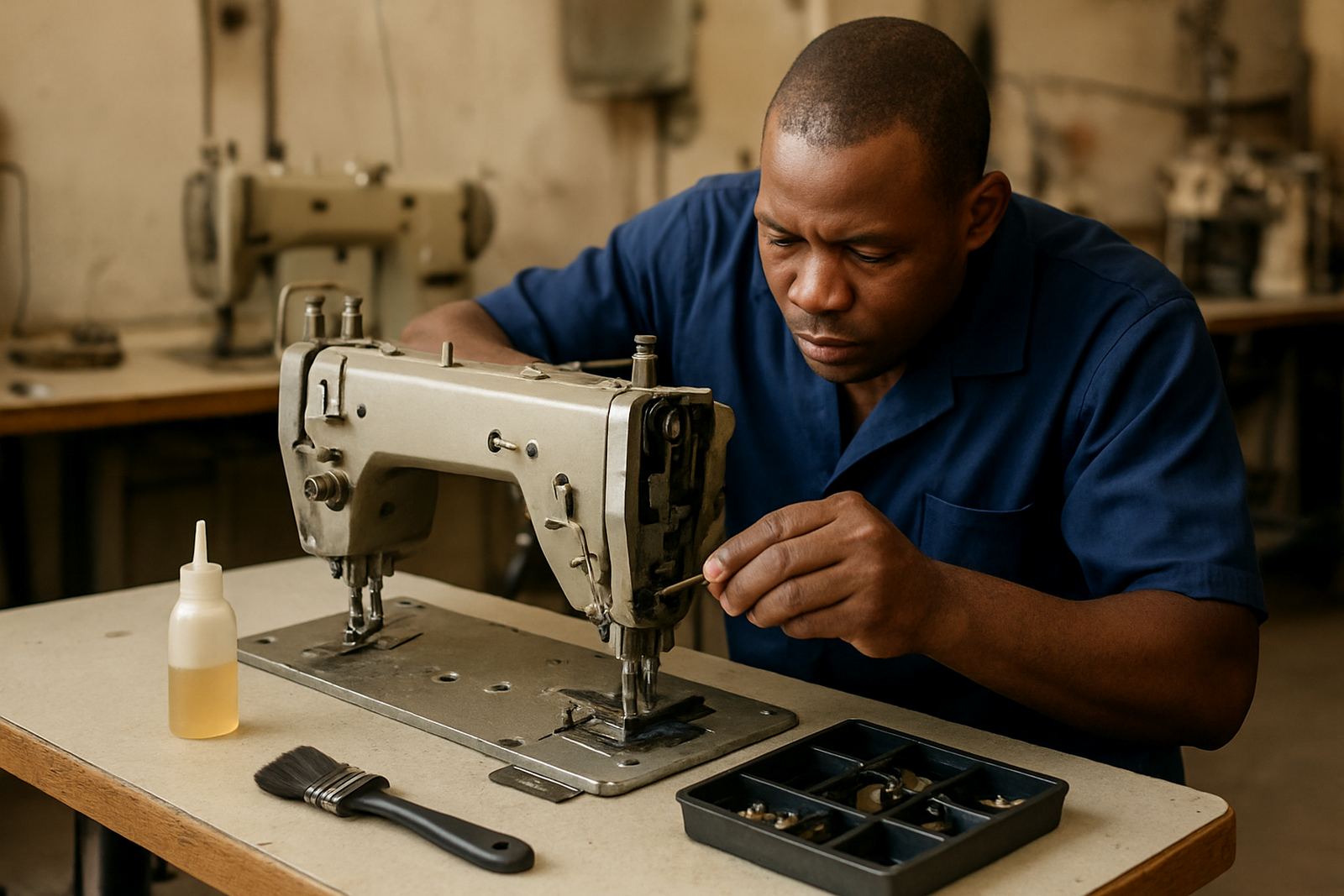
- Replace the needle before sending the machine for service
For factories, schools and home sewers across Gauteng, this simple habit can reduce downtime and stop avoidable repairs. It is one of the cheapest ways to protect both the machine and the work coming off it.