
Why sewing rooms get louder than they need to be
In many Johannesburg workrooms, noise builds up slowly until nobody notices it anymore. A machine that was once smooth starts clacking, the floor carries vibration, tables rattle against the wall, and a few badly placed fans or compressors add to the din. Add load-shedding, back-up power changes and rushed peak-season work, and the space can become tiring very quickly.
The good news is that not every noisy room needs major rebuilding. Most noise comes from a handful of common causes: worn parts, loose fittings, poor positioning, incorrect speed settings and machines that have not been serviced on time. If the team in Fordsburg or Soweto is working in a tight room with several industrial machines, the sound can bounce around and feel worse than it really is. Start by identifying what is making the most noise, then deal with that first.
- Knocking or tapping often points to timing, needle or thread path issues.
- Heavy vibration usually comes from level or mounting problems.
- Grinding sounds can mean dry moving parts or worn components.
- Motor hum that feels excessive may need conversion or adjustment.
Layout choices that reduce sound and strain
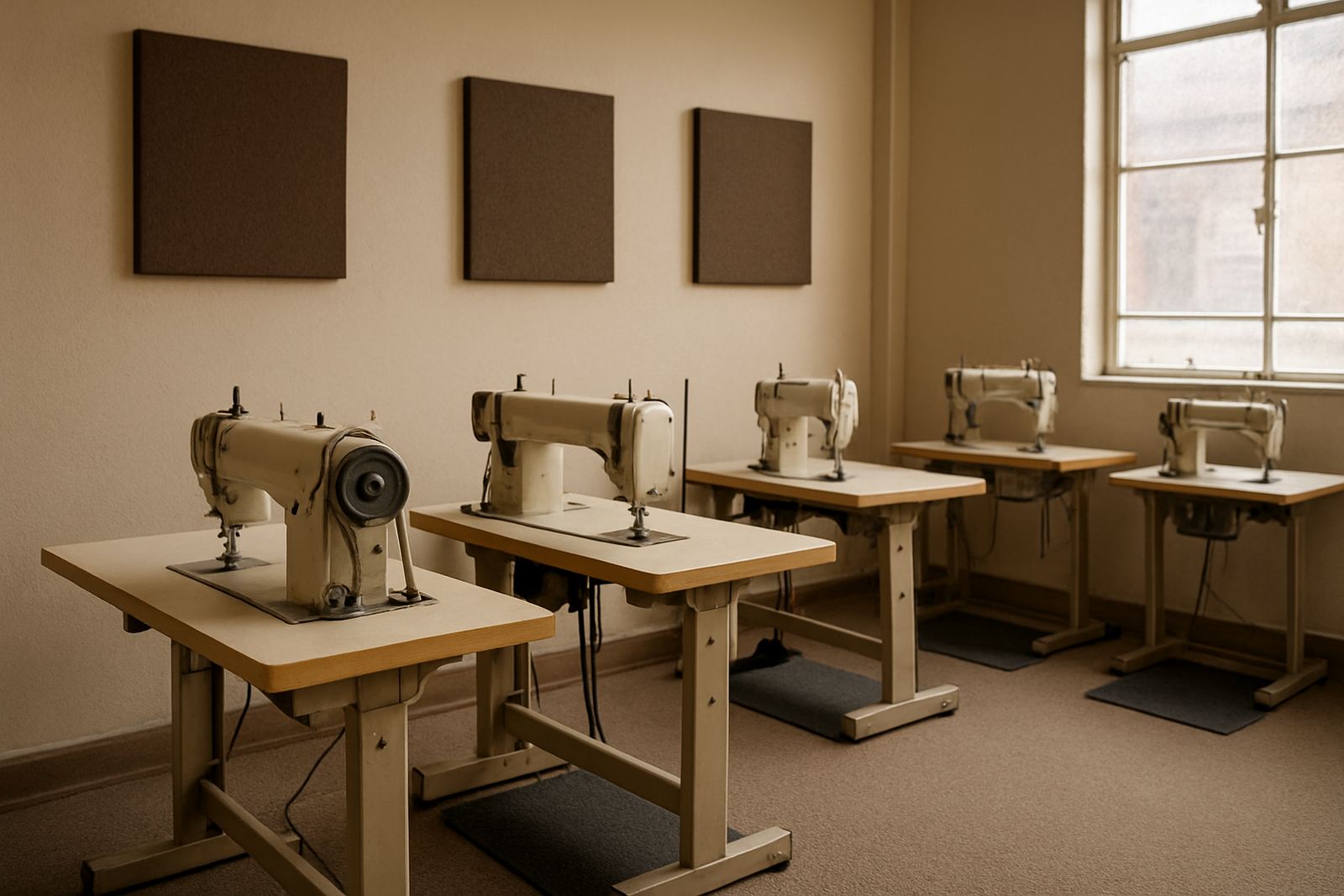
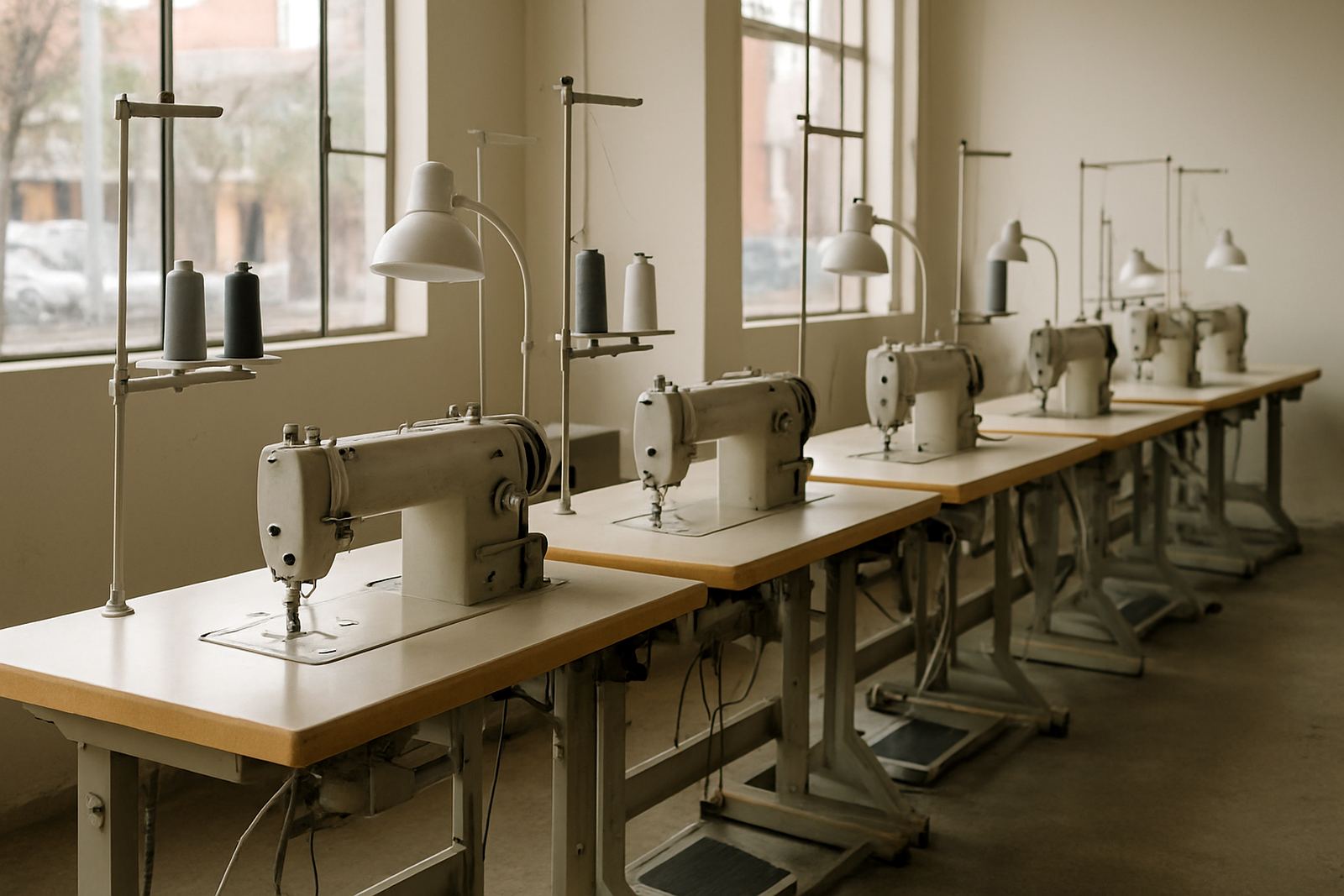
Workroom layout has a bigger effect on noise than most people think. When machines are crowded together, operators stretch, bump tables and keep moving stools around. That constant movement adds to the sound and the pressure on the team. A better layout gives each station enough room for fabric handling, thread changes and bins, without people knocking into each other all day.
In a CBD or Germiston workshop, it also helps to separate the noisiest equipment from cutting, folding and packing areas. Keep compressors, presses and older high-vibration machines away from the main sewing line where possible. If the floor is uneven or cracked, level the machine bases and fit proper feet so the vibration does not travel through the whole room.
- Leave clear space behind each machine for service access and cable routing.
- Place pressing stations away from sewing stations to limit heat and machine traffic.
- Use stable tables and proper stands rather than mismatched furniture.
- Keep thread, spares and tools close so operators do not keep walking back and forth.
Good layout does not only make the room quieter, it makes it easier to manage during busy periods, especially when orders need to move quickly and everyone is under pressure.
What regular servicing does for noise levels
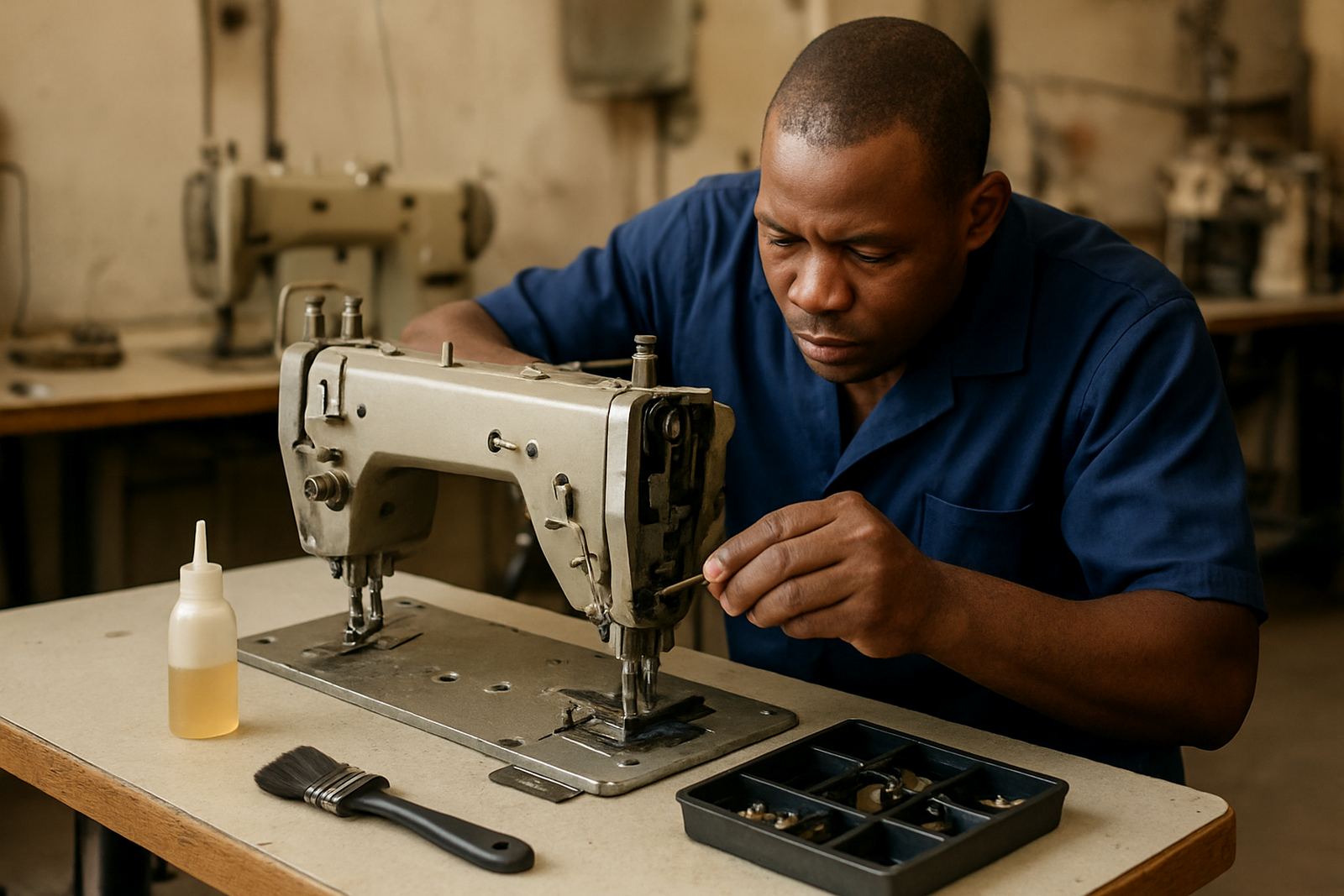
A well-serviced machine is usually a quieter machine. Dust, lint and thread build-up create friction, and friction creates extra noise. On industrial machines, even a small timing drift can change the sound of the stitch head from normal working noise to a sharp, uneven click. That is why routine servicing matters for both sound and performance.
For household machines used in schools, home sewing rooms and small ateliers, the difference can be just as noticeable. A machine that has been cleaned, oiled correctly and fitted with the right needle will sew more steadily and with less strain. If a machine is dragging, skipping or pulling thread, the operator often pushes harder and that only makes the room louder.
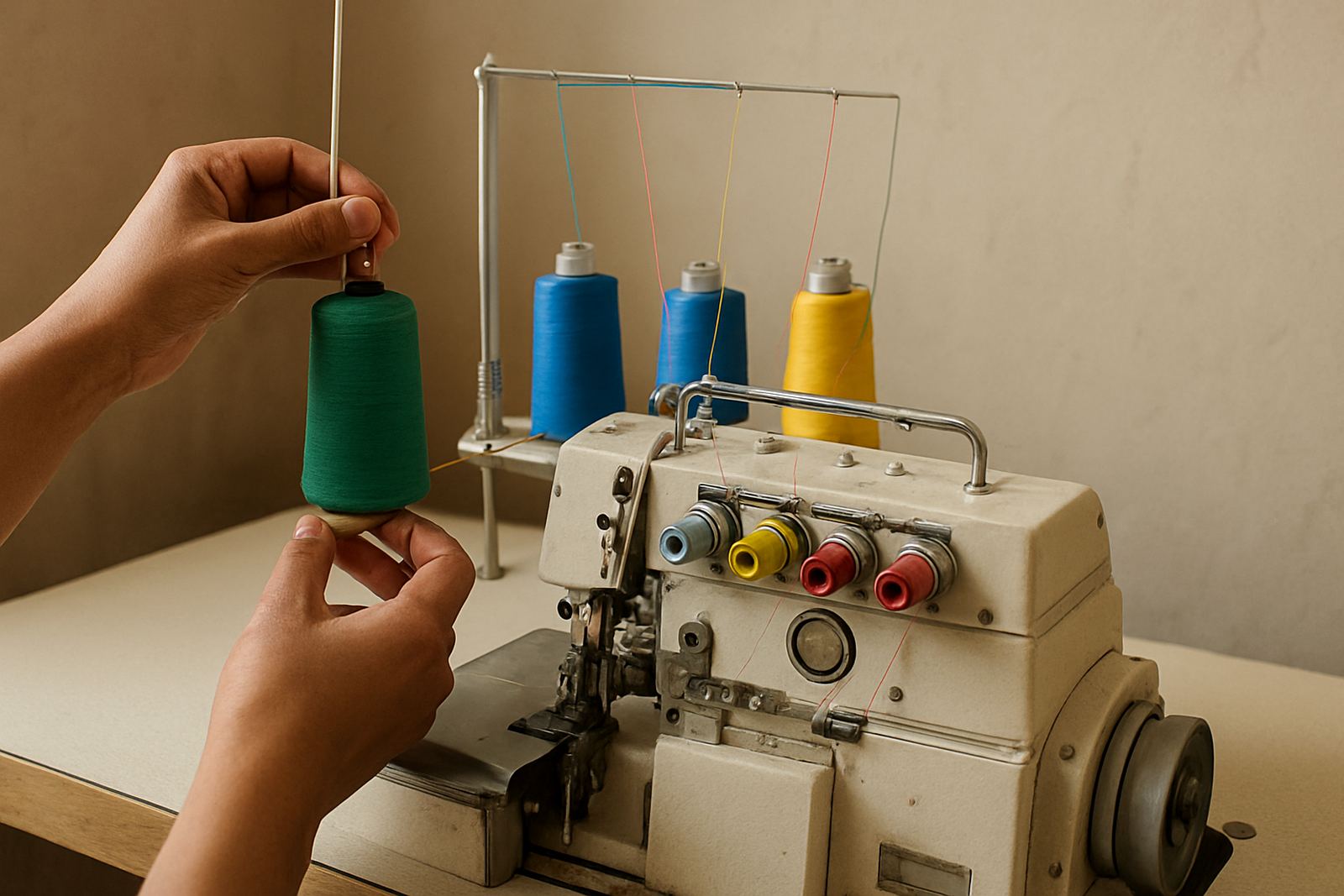
- Clean lint from the hook area, feed system and tension path regularly.
- Check belts, pulleys and moving joints for wear or looseness.
- Replace dull needles before they start creating snags and extra noise.
- Inspect motors and speed control components when the machine sounds rough.
At our Johannesburg CBD base, many customers bring in machines after they have become noisy enough to interrupt production. In many cases the fix is not complicated, but it does need proper attention rather than a quick wipe-down and hope for the best.
Motor conversions and speed control can calm a busy room
Older motor setups often make more noise than they need to, especially in small workrooms where machines run for long hours. If an industrial machine has a noisy, uneven or overpowered drive, a motor conversion can improve control and reduce strain on the operator. That often means less rattling, fewer sudden starts and a smoother sewing rhythm.
Speed matters too. A machine running faster than the work requires is usually louder and harder to manage. Tailors working in Pretoria or Alberton, for example, may need fine control for alterations, school uniforms or detailed finishing. Slowing the pace where appropriate can reduce mistakes and make the room feel calmer. It also helps when training new operators who need time to build confidence.
Not every machine should run the same way. Fusing presses, embroidery units and standard sewing heads each need their own setup. If one machine is overpowering the room, check whether the motor setting, foot control or installation is part of the problem before replacing the whole unit.
How operator habits affect noise every day
Even a well laid out, well serviced room can become noisy if the daily habits are poor. Slamming drawers, dropping bundles of fabric and running machines with loose covers all add to the background sound. Operators often do these things because they are busy, not careless, so a few simple house rules can make a real difference.
Good training helps staff work more consistently and with less pressure on the equipment. When people know how to thread correctly, adjust tension properly and stop the machine before a jam gets worse, the workroom stays quieter and the machines last longer. This is especially useful in schools and shared spaces where several users handle the same equipment.
- Switch off machines properly during breaks and shift changes.
- Use the correct needle, thread and attachment for the job.
- Do not force fabric through the machine when resistance is felt.
- Report unusual sounds early before they become full breakdowns.
A calmer room usually starts with calmer habits. It is simple but it works.
A Johannesburg example: a small room, less noise and better flow
We recently worked with a busy sewing room serving clients from Johannesburg CBD and Mayfair. The team had several industrial machines packed into a narrow space, plus a press station that sat too close to the sewing line. The room sounded harsh, and the operators were spending a lot of time pausing to sort out thread breaks, vibration and awkward movement between stations.
After a layout review, the noisiest machines were repositioned, the feet and stands were stabilised, and the press was moved to a separate area. Routine servicing cleared lint build-up and corrected a timing issue on one machine that had been making a sharp knocking sound. The change was noticeable straight away. The room did not become silent, of course, but it became much easier to work in, and the staff said they were less tired by the end of the day.
That is the point with noise reduction. You are not trying to make a sewing room quiet like an office. You are aiming for a space where the machines sound healthy, the team can concentrate and the work can continue without constant strain.