

Why classroom machines wear out faster than home machines
A school machine is used by many hands in one week, often by beginners who are still learning how to thread, set tension and control speed. That means more lint, more needle strikes, more bent bobbins and more strain on motors and belts than you would see in a home sewing room.
In Johannesburg and nearby areas like Fordsburg, Soweto and Germiston, classroom machines also deal with dust, heat and load-shedding. When power comes back after an outage, machines that were left threaded or half stitched can jam. If a learner sits down and the machine is not ready, the whole class loses time. The solution is not complicated. It is clear routine, proper storage and one person checking the basics before each lesson.
Set one simple routine for every lesson
The best classroom care starts before the first stitch. A machine should be checked, cleaned and set up the same way every time, whether it is a heavy-duty industrial unit or a small household model used for beginner work.
- Wipe the needle plate and remove lint after every lesson.
- Check that the needle is straight and correctly fitted.
- Make sure the presser foot is down before sewing starts.
- Test the top and bobbin thread on scrap fabric before handing the machine over.
- Switch off at the wall after use, especially during load-shedding and voltage surges.
Keep the routine short enough that learners will actually follow it. A two-minute check is better than a long list nobody remembers. Put the steps near the machine, not in a file on a shelf that no one opens. If a class has a learner monitor, rotate the role so one person is not carrying the responsibility all term.
Match the machine to the kind of learner work being done
Not every classroom needs the same machine type. A school teaching basic garment making may do better with reliable household machines for straight stitching, while a more advanced programme may need industrial lockstitch units, overlockers or computerised embroidery machines for specific projects.
Before buying or moving equipment between rooms, consider the actual work. Thin school polycotton, denim samples and uniform alterations each place different demands on the machine. If the machine is underpowered, learners force the wheel and damage timing. If it is too advanced for the class, more time is spent fixing settings than sewing.
For schools in Pretoria, Alberton and Randburg, we often see machines moved from one room to another without checking stands, power points or tables. A proper setup matters. The height of the table, the position of the pedal and the clearance around the machine all affect how safely learners work.
Shared use needs clear rules and visible responsibility
When several classes share the same machines, confusion starts quickly unless responsibility is written down. One teacher may assume another has cleaned the machines. One class may leave thread wrapped around the spool pin. The result is avoidable service calls and repairs that could have been prevented.
A simple classroom plan works best when everyone knows what they must do.
- Assign one staff member to inspect machines at the start of the week.
- Keep a small logbook for faults, skipped stitches and broken needles.
- Store spare needles, bobbins and screwdrivers in one labelled container.
- Separate learner consumables from service parts so nothing goes missing.
- Report repeated problems early, before a small fault becomes a workshop repair.
This approach saves money and keeps lessons moving. It also teaches learners to respect shared equipment, which is useful far beyond the sewing room.
Use the right habits for dust, power cuts and busy terms
Classroom care changes with the season. In winter, dry air can increase static and thread breakage. In summer, dust and humidity can affect thread feed and metal parts. In areas where school buildings sit close to busy roads, dust builds up fast around feed dogs, bobbin cases and motors.
During load-shedding, unplug machines rather than leaving them exposed to power returning suddenly. After power resumes, allow a short pause before switching on sensitive units. If your school uses embroidery machines or motor conversions, it is wise to check settings after every outage. A quick inspection can prevent a costly fault.
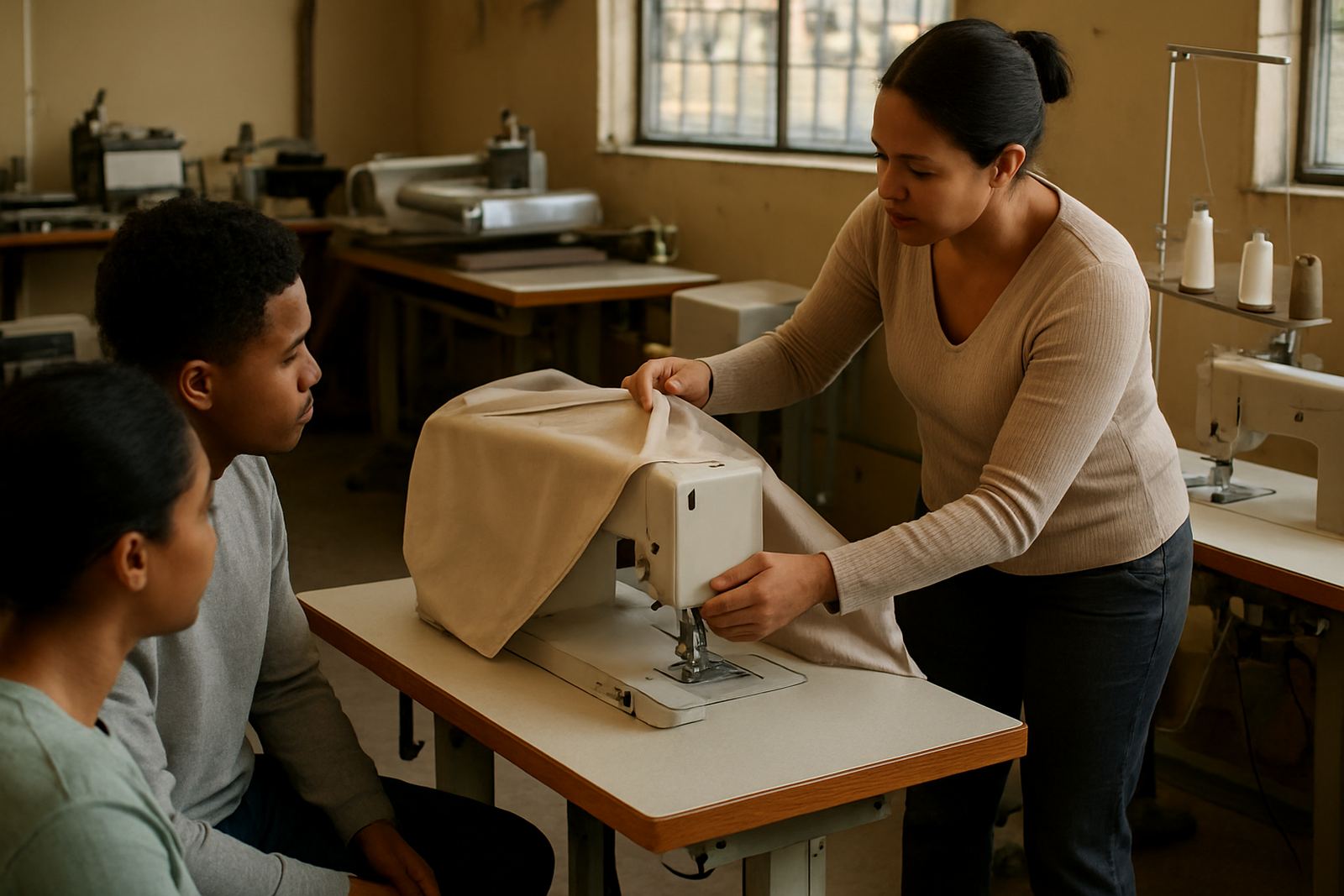
Keep machines covered when not in use. A light dust cover is enough, but it must fit properly and be removed before the machine is started. If covers are missing, cloths and scraps often end up inside the handwheel or under the base. That creates more work for the workshop later.
What to fix in school and what to send for service
Some faults can be handled on site by trained staff. Others should go straight to a workshop or field service technician. Knowing the difference protects the machine and prevents learners from working on equipment they do not understand.
Usually safe to handle in school:
- Changing a bent or blunt needle.
- Cleaning lint from the bobbin area.
- Re-threading the machine properly.
- Replacing an empty bobbin.
- Checking the power switch and plug top for visible damage.
Best left for service:
- Timing issues and skipped stitches that keep coming back.
- Motor trouble or burning smells.
- Broken belts, foot control faults or internal noise.
- Embroidery setup problems on computerised units.
- Fusing press or pressing station faults that affect heat or pressure.
If a machine makes a new sound, locks up, or starts pulling thread unevenly, stop using it. Continued sewing can turn a small repair into a bigger one and in a school setting that means more downtime for everyone.
A practical example from a Gauteng school room
At one school in Soweto, the sewing room had six shared machines and a mix of beginner and advanced learners. The staff were frustrated because one or two machines kept arriving at class with broken needles, tangled bobbins and loose thread all over the work area. After a simple routine was introduced, the difference was clear within a few weeks.
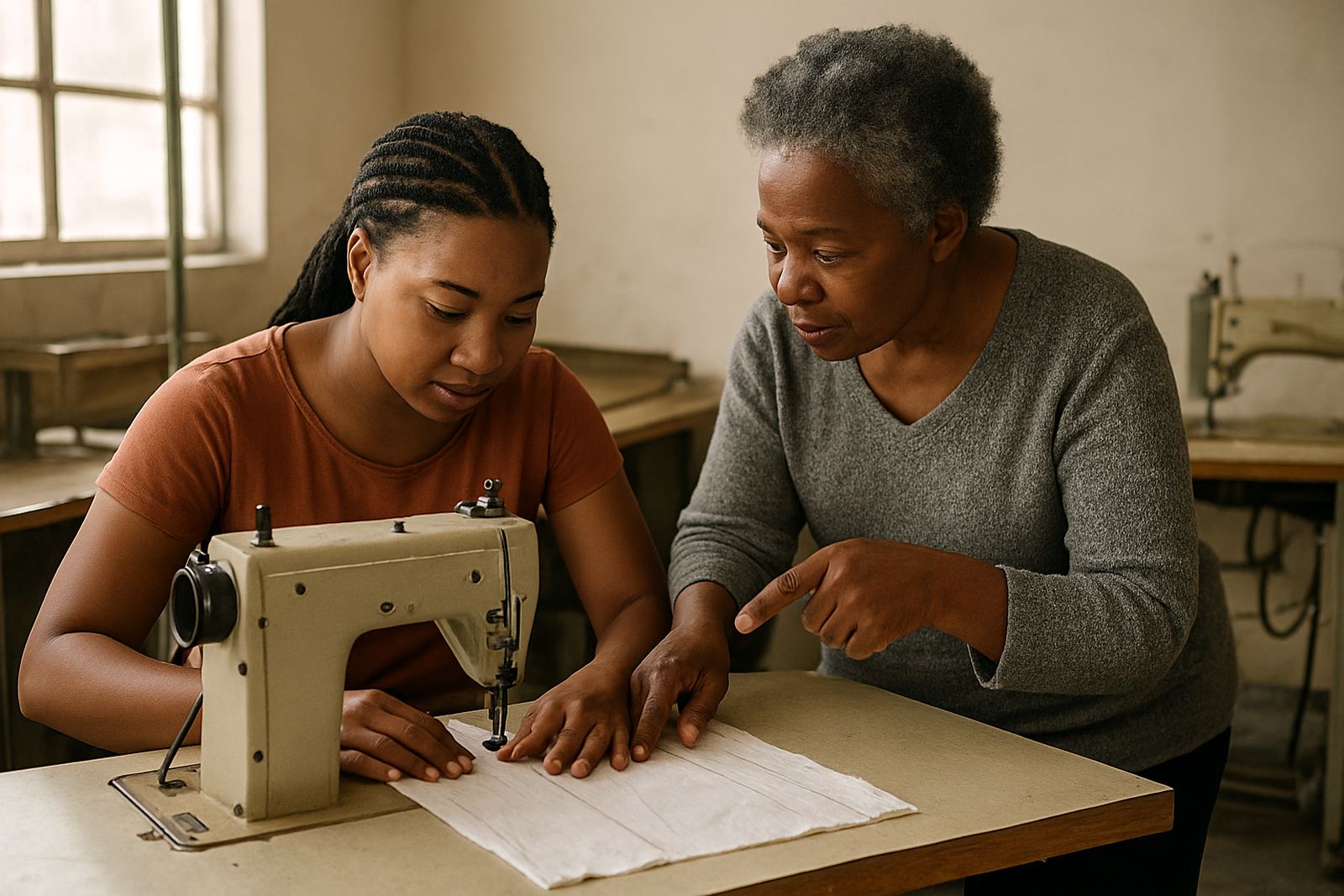
The school appointed one learner monitor per class, introduced a five-minute closing check, and kept a fault book next to the machines. Learners were shown how to clean the needle plate, check the bobbin case and switch off properly after use. The workshop then handled the more technical issues such as timing adjustments and motor checks. Breakdowns dropped, the teachers spent less time troubleshooting, and the machines stayed available for longer.
That same approach works in Fordsburg, Mayfair, Germiston and Pretoria too. The tools do not need fancy treatment. They need steady habits, clear roles and servicing before the small problems become expensive ones.