

Why seam guides matter on real work
Seam guides are one of those small workshop details that make a big difference. When a machine is set up for the same seam allowance every time, operators can work faster with less measuring and fewer mistakes. That matters on shirts, trousers, school uniforms, workwear and any order where repeatability counts.
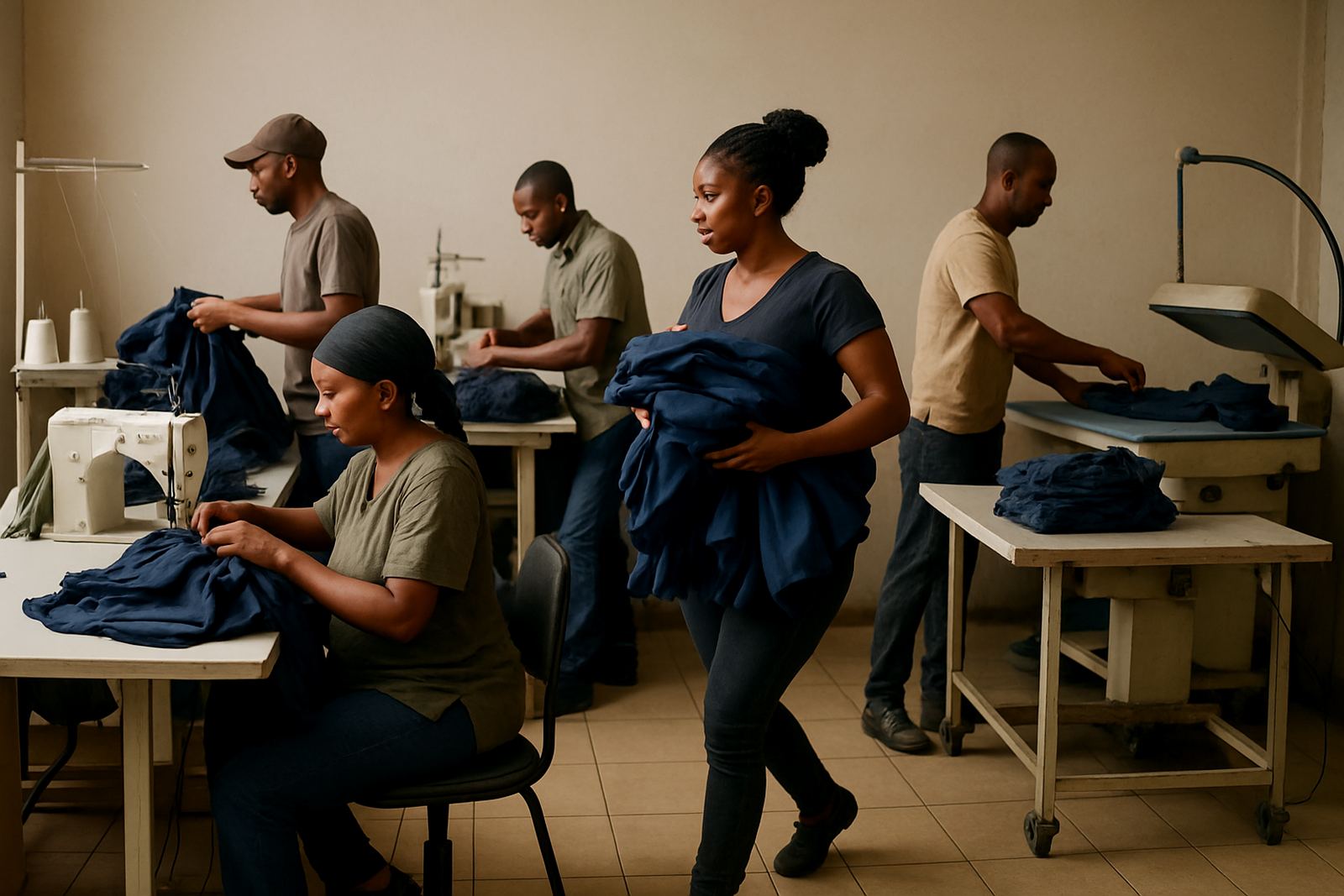
For newer operators, a guide gives confidence. Instead of watching the needle and the fabric edge separately, they can follow one fixed reference. That helps keep stitch lines straight, especially on long runs where concentration starts to slip. In a busy Johannesburg CBD workroom, that extra consistency can mean fewer rejected pieces at the ironing table.
Choose the right guide for the job
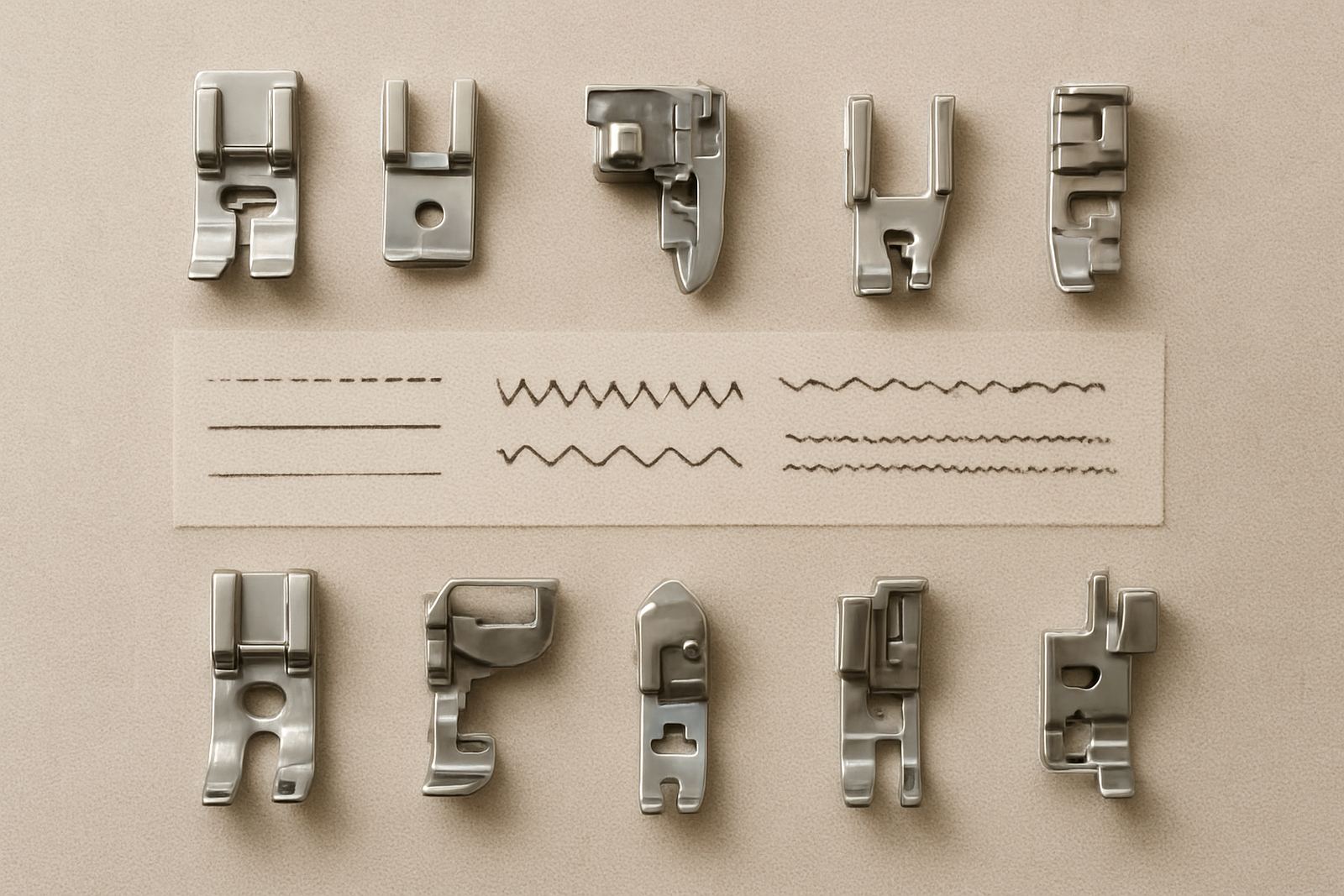
Not every seam guide suits every operation. A narrow edge guide works well for topstitching and hems, while a wider guide may be better for assembly seams on heavier fabrics. The shape of the foot, the thickness of the cloth and the operator’s hand movement all affect the final result.
Before fitting a guide, check the type of seam you want to hold. A straight seam on woven fabric is not the same as a topstitched curve on a collar, and a heavy denim seam needs different support from a light poly-cotton shirt. If the guide is wrong, operators often fight the machine instead of sewing with it.
- Use a narrow guide for close topstitching and neat edge work
- Use a wider guide when the seam allowance must stay steady on bulkier fabric
- Match the guide to the presser foot and feed system
- Test on offcuts before starting production
Setting the guide on the machine
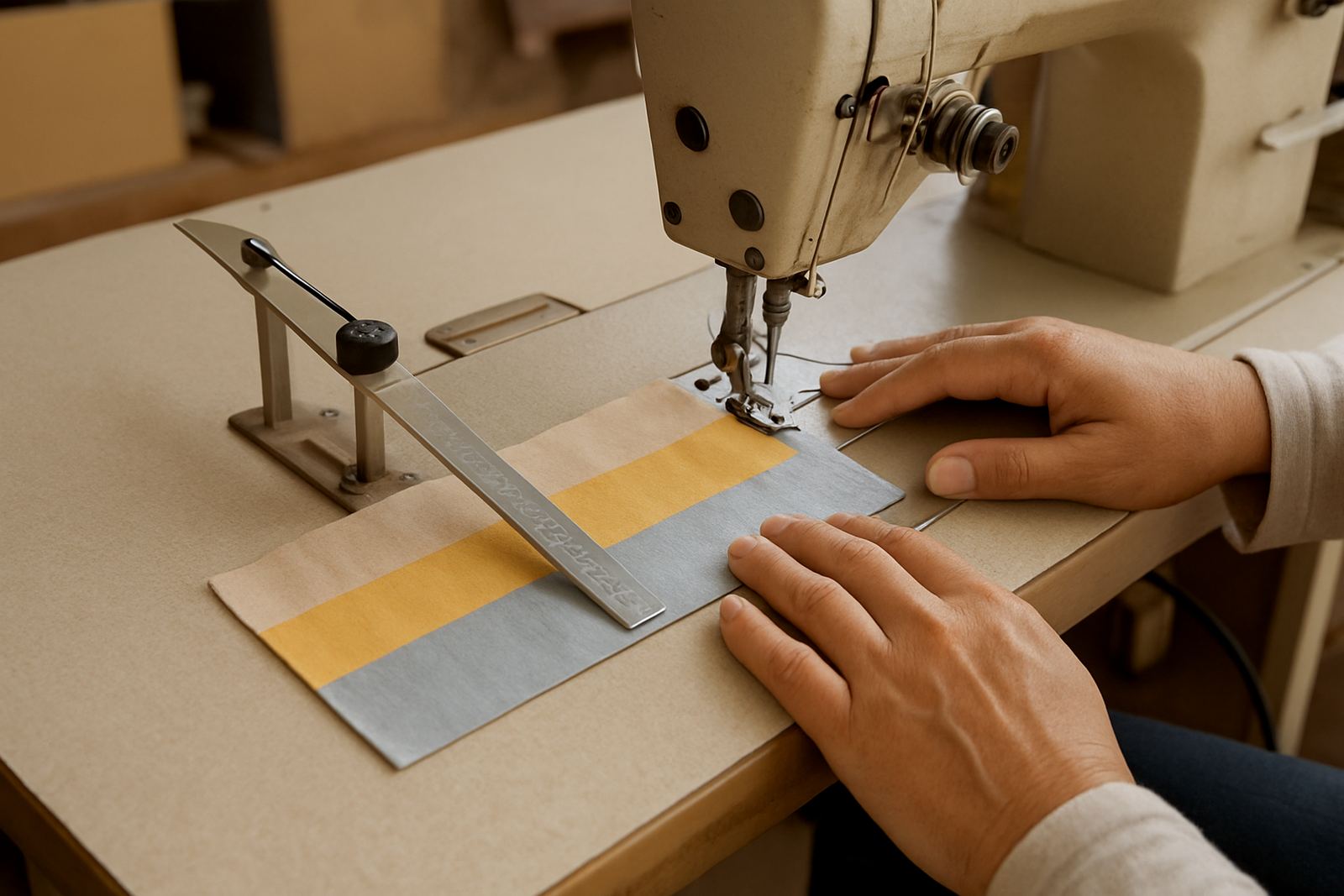
Setting a seam guide is not difficult, but it does need care. Start by checking the machine is threaded correctly, the needle is suitable for the fabric and the tension is balanced. If the stitch itself is uneven, a guide will not fix the problem. It only helps the operator keep the line in the right place.
Mount the guide so the fabric edge runs smoothly against it without dragging. It should support the material, not squeeze it. On some machines the guide can be moved a few millimetres at a time, which is useful when you need a 6 mm or 10 mm seam allowance. Small adjustments matter here, because even a slight shift can show on a finished garment.
Always test on the same fabric type you will sew in production. A guide set on thin shirting may behave differently when you move to canvas, fleece or knit fabric. The feed, foot pressure and needle penetration all change the feel, so a quick test run is worth it.
How guides help new operators work better
Training new staff takes time, and seam guides can make that process easier. They give operators a clear physical reference, which reduces the need for constant corrections from a supervisor. That is useful in schools, training rooms and small factories where one person may be learning while production keeps moving.
In a Soweto or Germiston workshop, for example, a team sewing school trousers for a local uniform order may have operators with different levels of experience. A properly set guide helps everyone hold the same seam width, even if hand speed varies. It also reduces the pressure on the trainer, because the machine itself is doing part of the teaching.
- Fewer crooked seams on first attempts
- Less marking out with chalk or measuring tape
- Shorter training time for simple repeat operations
- Better consistency between different operators
When seam guides need adjusting
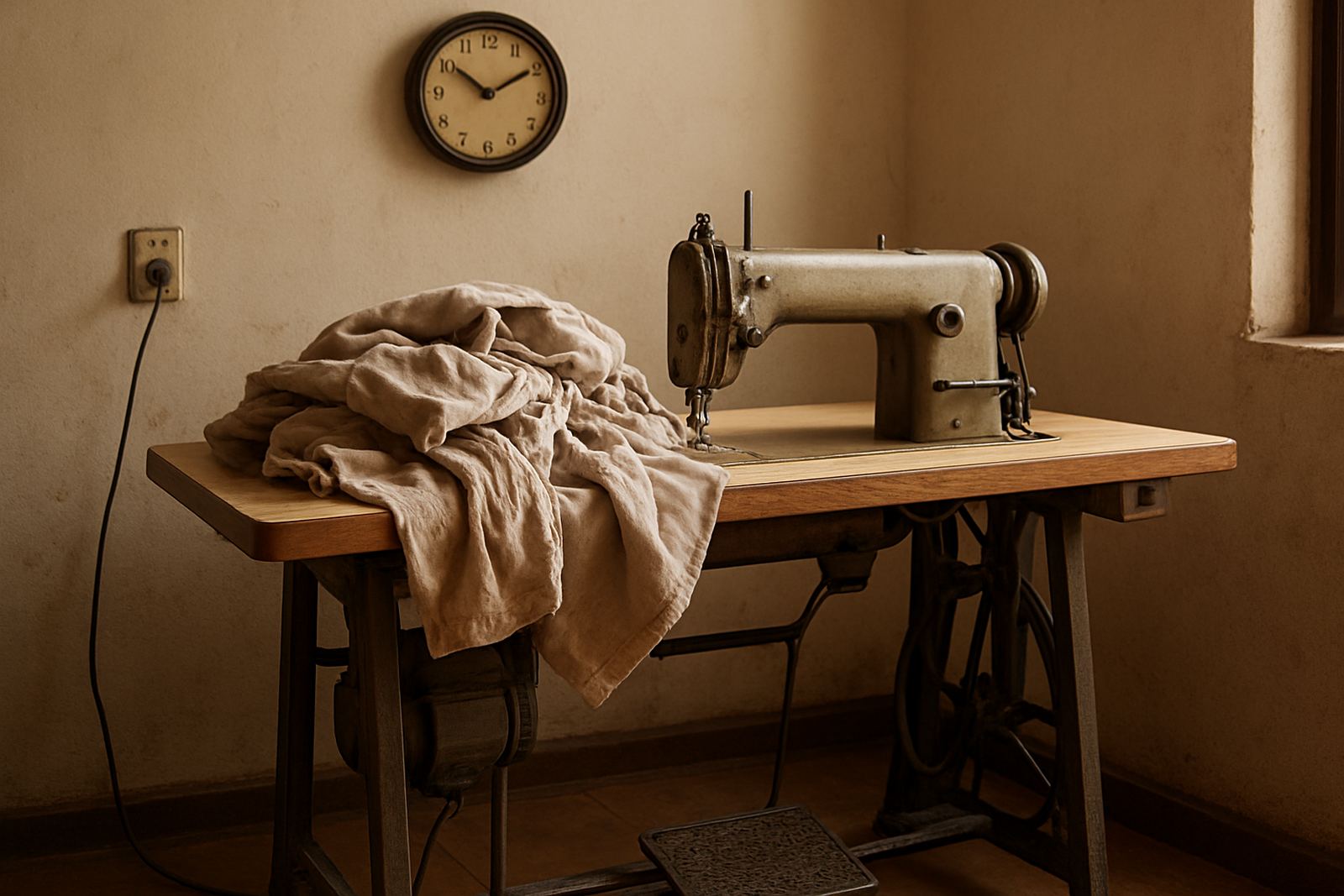
Seam guides are not a fit once and forget tool. If fabric starts drifting, the operator may be pushing too hard against the guide or the guide may have loosened over time. Vibrations from long shifts, especially in workshops running through load-shedding schedules, can affect machine settings if bolts are not checked regularly.
Watch for signs such as uneven seam width, pulled edges, skipped stitches near folds or shiny marks from fabric rubbing too hard. On coated fabrics and synthetics, too much pressure can leave a visible track. If the guide is making the operator compensate with extra hand force, it should be reset. A small fault can turn into a whole bundle of rejects quite fast.
A Johannesburg example from the workroom floor
A tailoring team in Johannesburg CBD might be sewing batches of uniform shirts for schools in Pretoria and Alberton. The order may include several sizes, but the seam allowance must stay the same across every piece. Once the guide is set correctly on the straight-stitch machine, the team can keep the side seams, yoke seams and hem lines matching without constant remeasuring.
That matters when the work must move between cutting, sewing and pressing with little downtime. If one operator sews the seam too wide, the next person at the overlocker and press station has to correct it later. With a proper guide in place, the whole line runs cleaner and the finished garments hang better. In our experience, that is where the value really shows.
Getting help with setup, servicing and training
Seam guides work best when the machine is already in good condition. If the timing is off, the feed is uneven or the needle bar needs adjustment, the guide will only hide the problem for a short while. A proper service checks the full machine, not just the visible parts.
For factories, tailors, schools and home sewers across Johannesburg CBD, Fordsburg, Mayfair, Soweto, Germiston, Pretoria, Alberton and Randburg, support can include installation, workshop repairs, routine servicing, motor conversions, timing adjustments and operator training. When needed, parts sourcing and workroom planning can also help keep the production floor organised and practical.
If you need help setting seam guides on industrial or household machines, use the enquiry form on our contact page and our team can assist from the Johannesburg CBD base.