Start with the cloth, not the machine
Many sewing problems begin before the needle touches the fabric. A machine that is threaded correctly can still give poor results if the cloth is stretched, pulled or allowed to shift while feeding. That is why fabric handling matters as much as tension, needle choice or stitch length. In a busy Johannesburg workroom, especially where orders must move through fast, the first step is to look at the material and decide how it wants to behave.
Woven fabric, knit fabric and slippery fabric all react differently under the presser foot. A woven cloth usually holds its shape. A knit stretches and can wave if it is handled roughly. A slippery fabric can slide out of alignment before the seam is done. Once you understand that, you can choose the right table setup, feeding aid and operator method instead of fighting the material on every job.
How woven fabric should be prepared
Woven fabric is often the easiest to cut and sew, but it still needs proper preparation. Check the grain line before cutting, because a piece cut off grain will twist during construction and the garment will never hang properly. In factories and school sewing rooms, this step is often rushed when there are many pieces on the table, but it saves time later.
For woven cloth, keep the cut edges neat and avoid dragging panels across the table. If the fabric frays, overlock or finish the edges early. A clean edge feeds better through the machine and reduces lint build up in the feed dogs. This is useful on cotton, shirting, canvas and uniform fabric, where repeated work can quickly fill the throat plate area with loose fibres.
- Lay woven fabric flat and square before cutting.
- Keep the grain line straight from the start.
- Use a sharp needle suited to the thickness of the cloth.
- Support long panels so they do not hang and distort at the machine.
Knits need support, not force
Knit fabric is where many operators start to struggle. It stretches, curls at the edge and can be pulled out of shape if it is fed too hard. The answer is not to press down more firmly or speed up the machine. Instead, the operator should guide the cloth lightly and let the feed system do the work. A walking type feed or even pressure adjustment can help on thicker stretch material, but the handling on the table is still important.
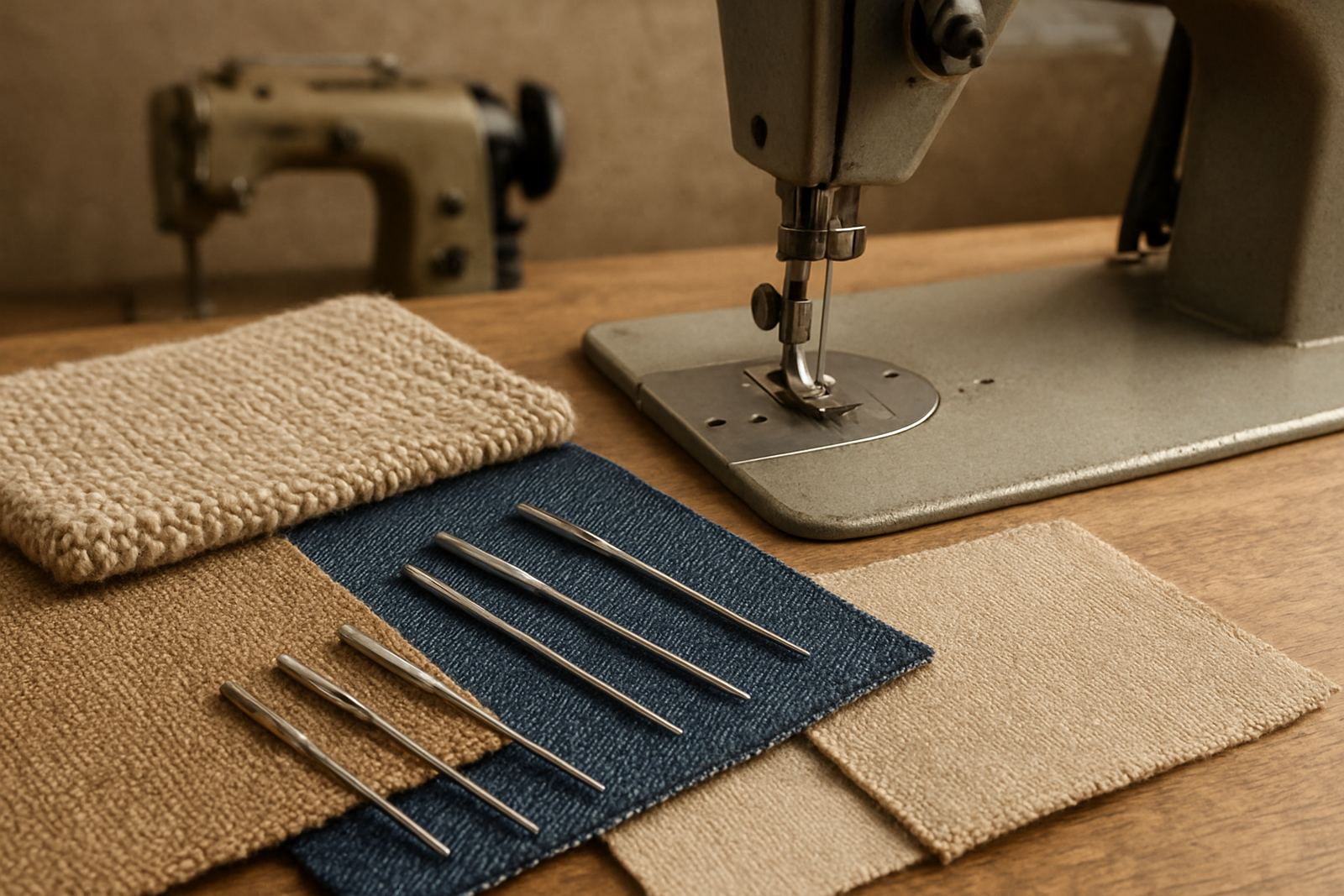
When sewing knitwear, avoid lifting the fabric as it leaves the needle. Let it rest on the machine bed so the seam forms evenly. If the fabric is light, a small amount of stabiliser or a temporary backing can keep the seam tidy. For collars, cuffs and T shirt hems, test the stitch on a scrap first because what works on one knit may pucker on another. A slight change in needle size or stitch length can make a big difference and save you from rework.
- Use a stretch friendly needle and test on offcuts first.
- Do not pull the fabric from the back while sewing.
- Reduce pressure if the cloth is marking or waving.
- Check seam stretch by opening and moving the sample before bulk work starts.
Slippery fabrics need surface control
Satin, lining, chiffon and similar materials can shift even when the operator is careful. These fabrics often look flat on the cutting table but move the moment the presser foot comes down. The best approach is to reduce slide at every stage. Keep the work surface clean, use narrow guiding methods and handle each layer separately where possible. If the fabric is very fine, a slight change in humidity can also affect how it moves, which is something many Gauteng workshops notice on hot afternoons.
On slippery cloth, small mistakes become visible very quickly. A seam allowance that wandered by just a few millimetres can show on the right side of the garment. For that reason, use plenty of clips or fine pins where the fabric allows, and do not drag long lengths across a rough table. In a Pretoria alteration room or a Fordsburg tailoring shop, this is often the difference between a clean finish and a costly remake.
- Keep scissors, blades and table tops smooth and clean.
- Cut one layer at a time if the cloth moves too much.
- Use clips or fine pins carefully to control the seam.
- Work slowly on the first seam, because the first seam sets the line for the rest.
Feeding the fabric properly through the machine
Good feeding is about balance. The top layer and bottom layer must move together, without one being pushed ahead or held back. If the operator pulls from the front, the feed dog cannot do its job properly. If the cloth is hanging off the back, the weight may distort the seam. This is where table support matters. Long curtains, uniforms or school items should be supported before and after the needle area so the machine is not carrying the full weight.
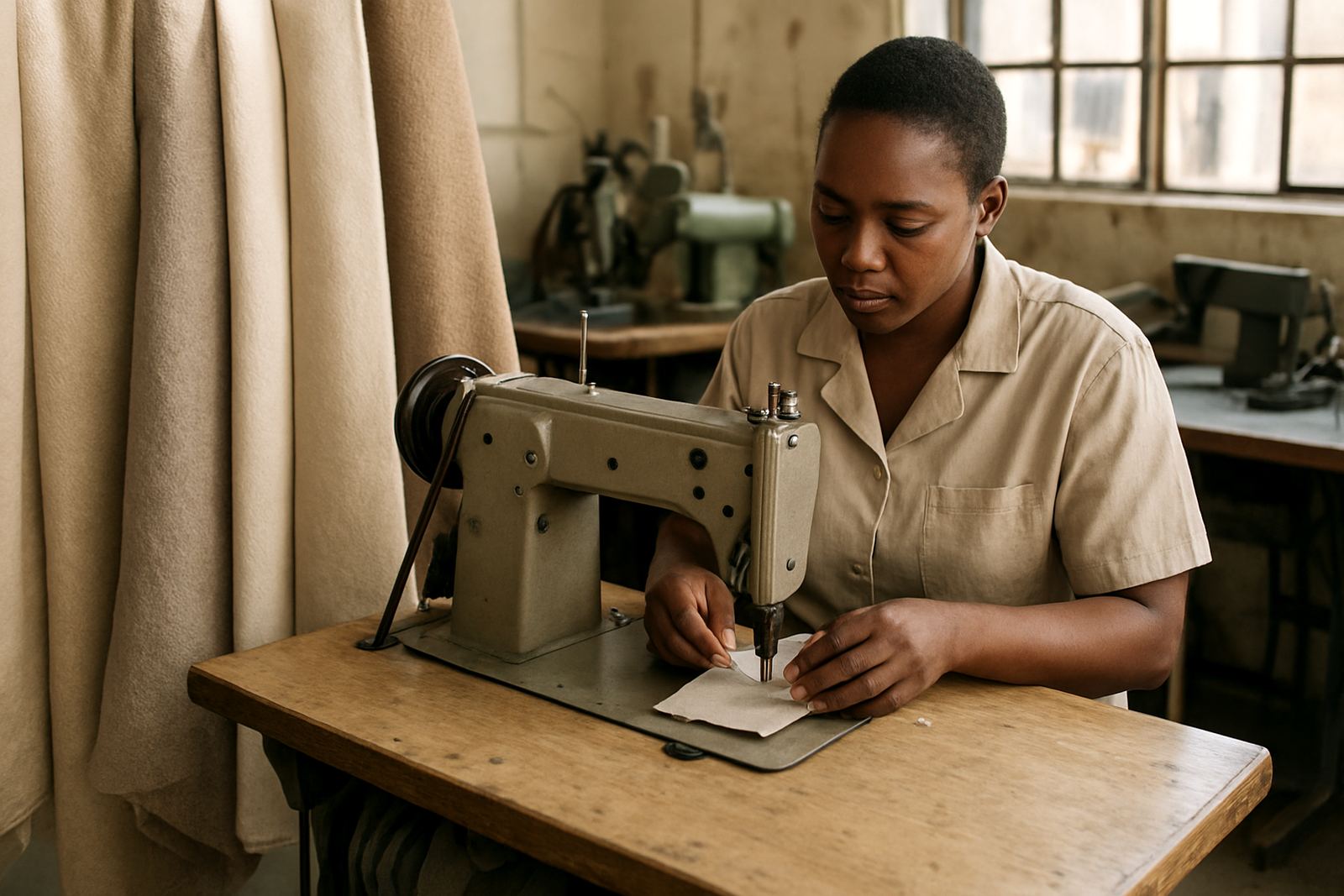
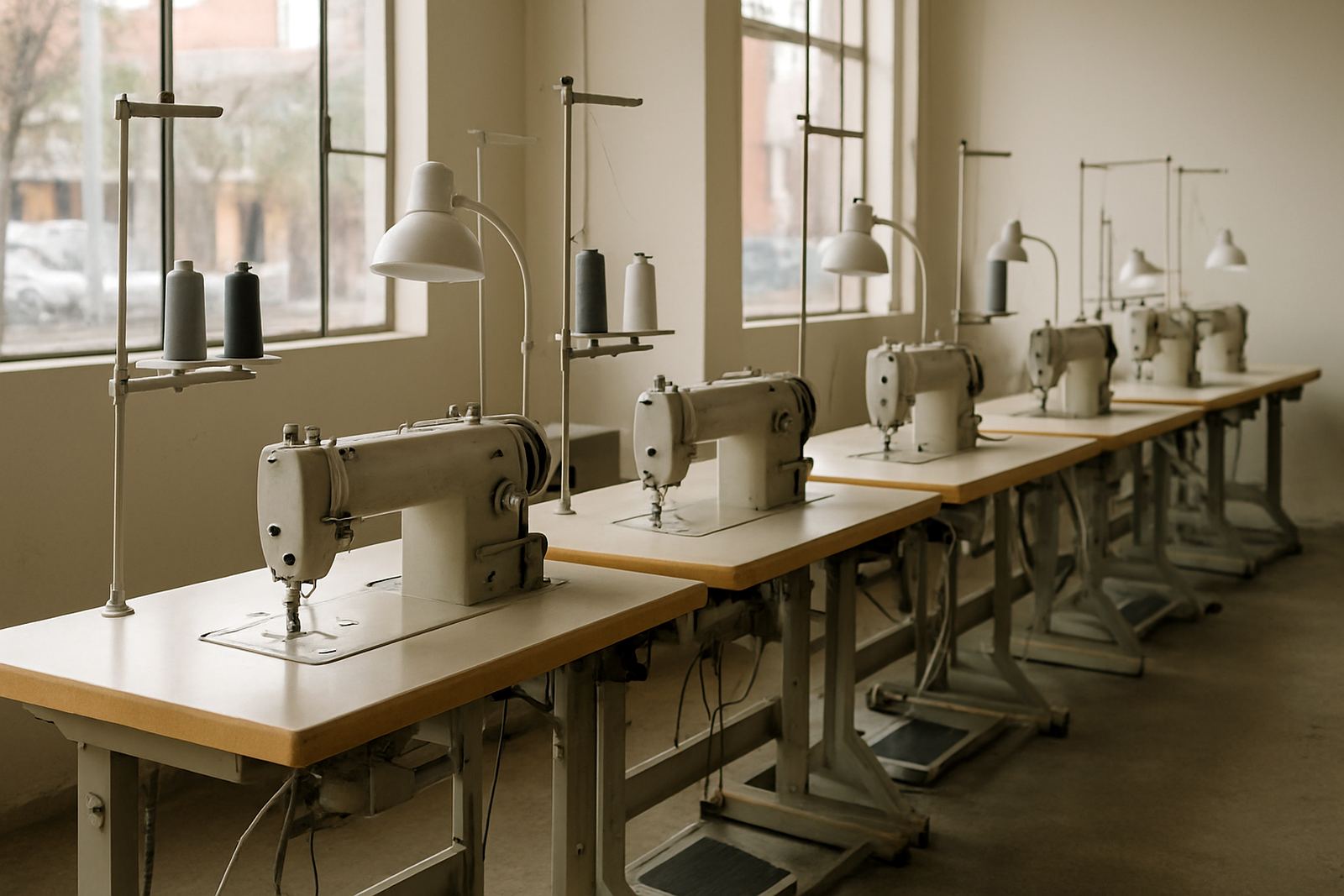
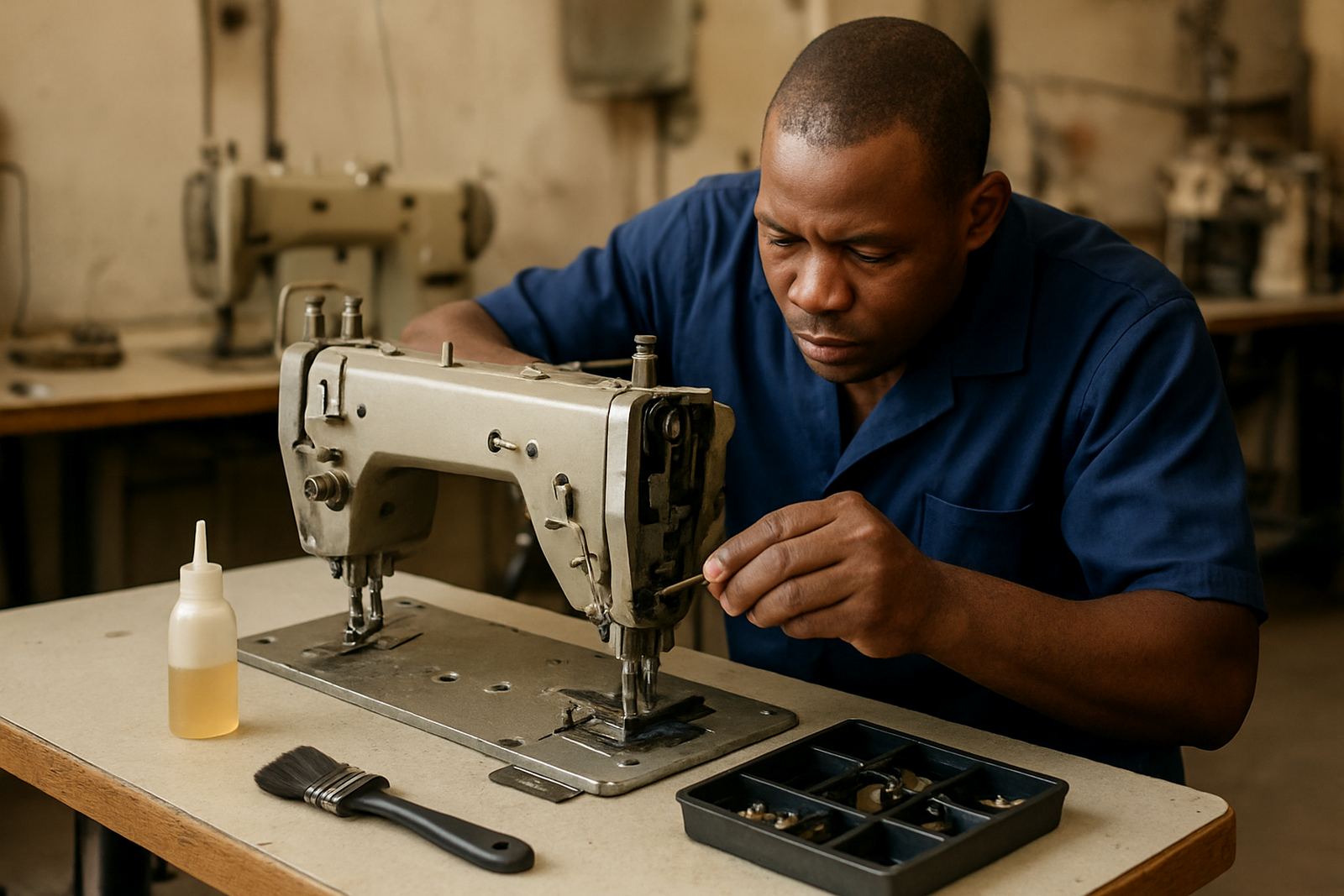
On industrial machines, check the presser foot pressure, feed timing and stitch length before starting a production run. On household machines, make sure the machine is clean and that the fabric is suited to the foot and needle in use. A machine may be in good condition yet still produce uneven seams if the operator is feeding the fabric roughly. Good handling is a skill, not just a setting.
Where load shedding has interrupted work, operators sometimes rush when power returns and that is when mistakes happen. Take a minute to recheck alignment, needle position and thread path before restarting. It is quicker than unpicking a line of misfed stitches later.
Preparation in the workroom saves time later
Before sewing starts, prepare the full job properly. Sort pieces by size, keep cut bundles in order and label related panels if several sizes are being made at once. This helps in schools, factories and home setups where more than one person may be handling the same order. Good preparation also reduces fabric damage from repeated folding and refolding.
A practical workroom routine can be simple:
- Inspect fabric for flaws, holes or shade differences before cutting.
- Match pieces by grain, stretch direction and right side.
- Keep pressure, stitch length and needle type written down for repeat jobs.
- Store slippery or delicate fabric flat, not stuffed into a bag.
In a busy Johannesburg CBD shop, this kind of routine helps the operator stay consistent from the first seam to the last. It also makes training easier, because new staff can follow a clear method instead of guessing how each fabric should be handled.
A local example from a Gauteng workroom
A small garment room in Soweto was having trouble with knit school tops and satin trims on the same order. The tops were stretching at the shoulders, while the trims were sliding off line. The fix was not one single machine part. It was a better process. The team separated the fabrics, adjusted the feeding approach, and gave the slippery sections more table support. They also tested each fabric before bulk sewing instead of assuming one setting would suit all three materials.
After that, the rework dropped and the finishing became more consistent. That is the main lesson with fabric handling basics: the cloth tells you what it needs if you watch closely enough. When you prepare it properly, guide it correctly and choose the right setup, the machine can do steady work without fighting the material.
For factories, tailors and home sewers across Gauteng, the aim is the same. Handle the fabric well from the start and the sewing becomes cleaner, faster and less wasteful.