

Why the needle matters before you touch the tension
Many sewing problems start at the needle, not the tension dial. If the point, size or needle system is wrong for the fabric, you can chase the fault for ages and still end up with puckered seams, loose stitches or fabric that starts to mark and tear. On household machines and industrial machines alike, the needle is the first part of the stitch formation process, so it has to suit both the thread and the cloth.
In our Johannesburg CBD workshop we often see machines that are otherwise in good shape but still stitch badly because the needle is too thick for fine fabric, too fine for heavy cloth, or bent from hard use. A needle that looks fine from a distance can still have a burred point or a slight bend that causes skipped stitches. That is why needle choice should be treated as part of routine machine care, not just a quick swap when something goes wrong.
Match the needle point to the fabric, not only the thread
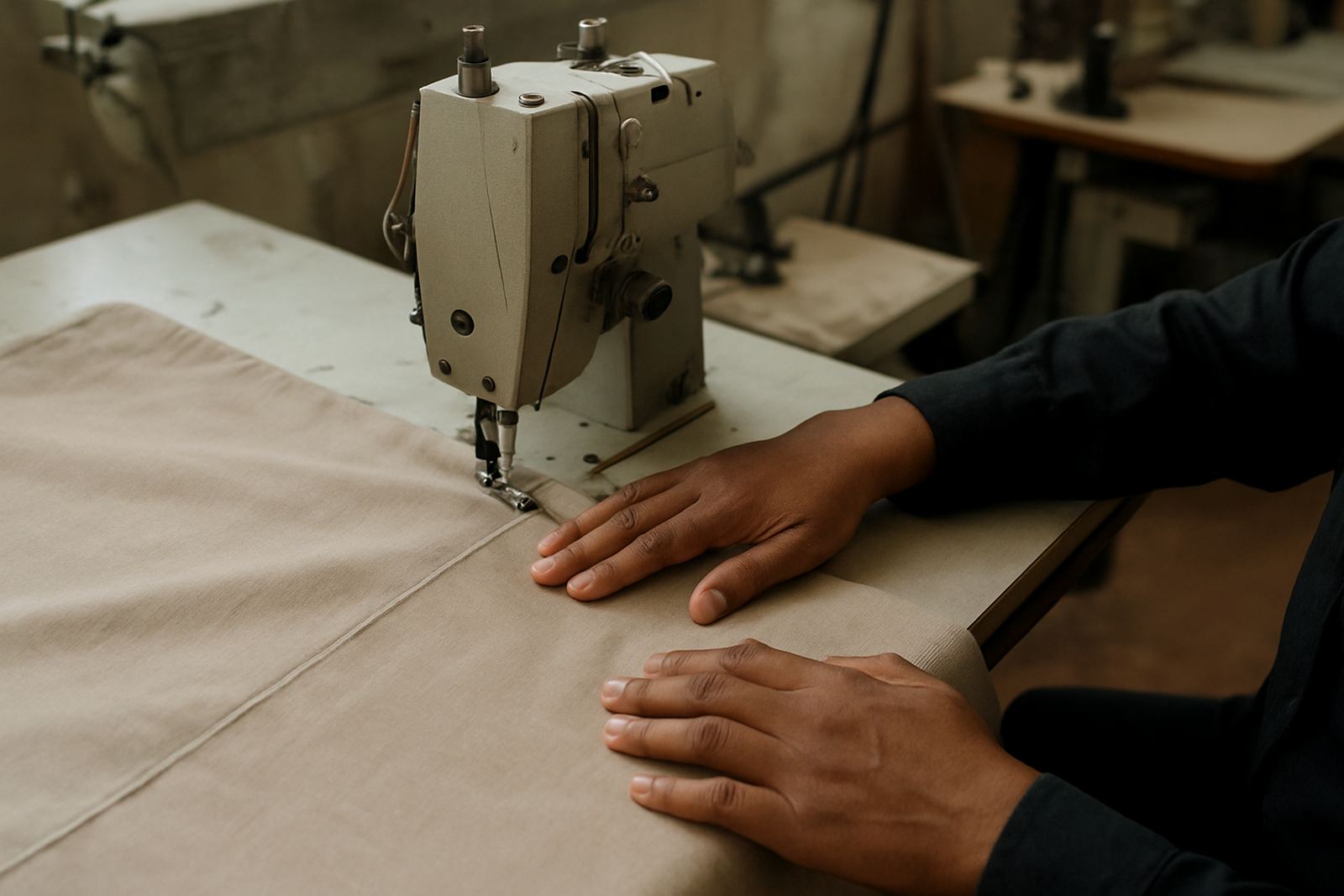
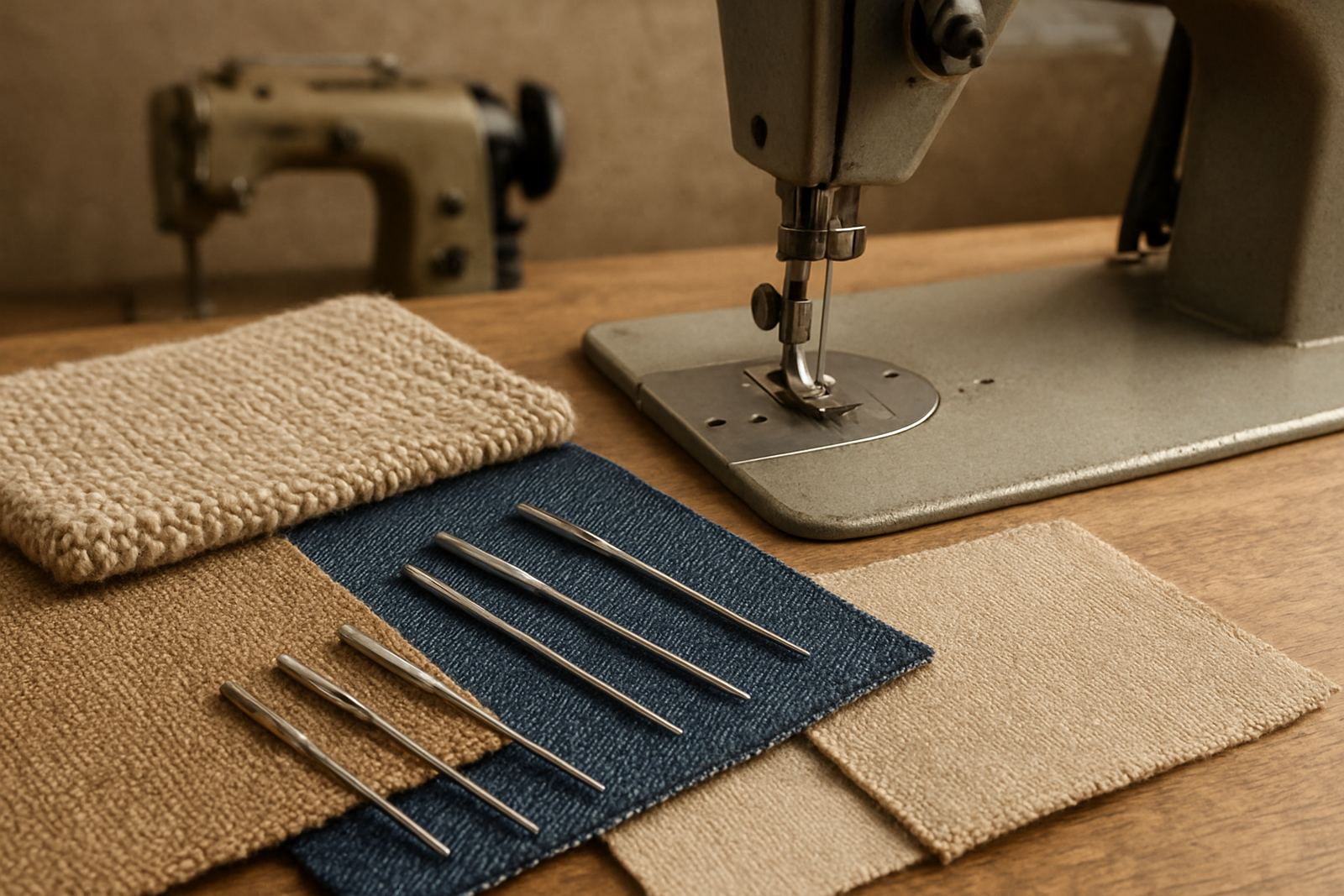
Different fabrics need different needle points. A sharp needle is often better for woven fabrics because it cuts a clean path through dense fibres. A ball point or rounded point works better on knit fabrics because it separates the loops instead of cutting them. Leather and coated materials need a point that can penetrate without tearing the surface. If the point is wrong, you may get runs, holes or a seam that sits crooked.
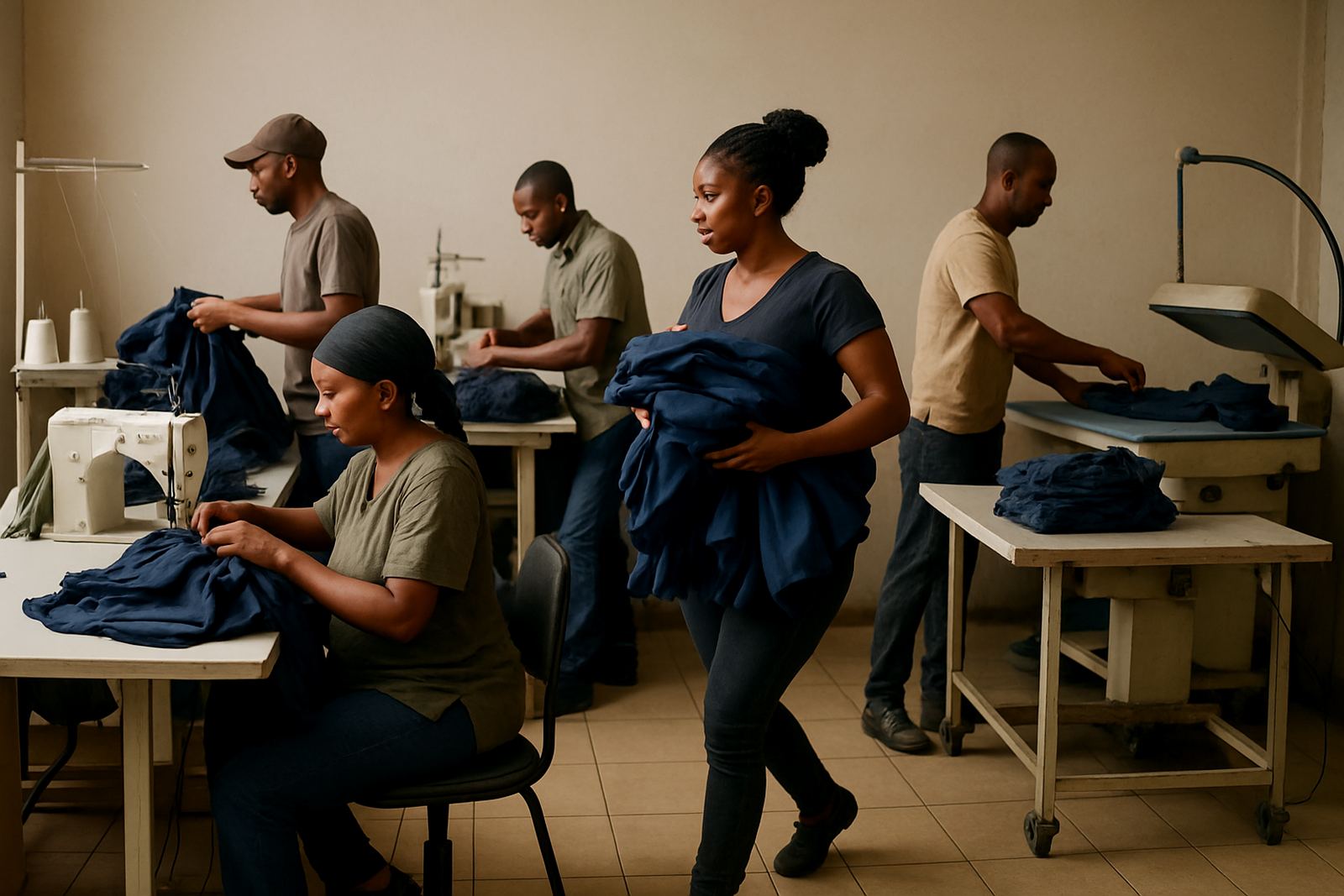
This matters across Gauteng, especially for workrooms in Fordsburg and Mayfair where tailors handle a mix of suiting, schoolwear and alterations on the same machine. A seam that looks acceptable on one fabric may fail on another. For example, a school shirt and a heavy work trouser can not use the same needle choice just because the thread colour is close. The fabric structure must lead the decision.
- Use a sharp point for tightly woven fabrics.
- Use a ball point for jerseys, rib knit and stretch fabric.
- Use a leather point for hide and similar materials.
- Test a scrap first if the fabric has a coating, finish or foam layer.
Needle size has to suit the thread and the seam load
Needle size affects how the thread passes through the eye and how the fabric opens for the stitch. A needle that is too small for the thread can fray it, warm it through friction and cause breakage. A needle that is too large can leave visible holes, especially on fine garments or linings. Most operators focus on thread thickness first, but the needle eye and groove must also support the thread without forcing it.
For everyday garment work, lighter fabrics usually need a finer needle, while upholstery, denim and multi layer seams need a larger size. On industrial machines, the wrong size often shows up as a noisy stitch, a rough loop on the underside or a top thread that keeps snapping. In a factory setting in Germiston or Pretoria, that means more stoppages and more rejected work. Choosing the correct size saves time and helps the machine hold its timing better over long runs.
- Finer fabric usually needs a smaller needle size.
- Heavier fabric and thicker thread usually need a larger size.
- If the stitch is pulling or cutting the fabric, check the needle size first.
- Replace the needle before blaming the hook, bobbin or tension assembly.
Watch for the warning signs of a wrong needle
Skipped stitches are one of the clearest signs that the needle is wrong, damaged or worn. But there are other clues too. If the fabric starts to pucker, the top thread frays, the seam feels rough to the touch, or the machine makes more noise than usual, the needle may be the cause. On embroidery machines the signs can be even more obvious because a damaged needle leaves gaps in lettering and breaks the rhythm of the design.
Operators in Soweto often tell us the machine was sewing fine yesterday and then suddenly began acting up after a change of fabric. In many cases the issue is not the machine at all. It is the change from woven to knit, from light cotton to coated cloth, or from standard sewing to a thicker seam section. One small change in the material can need a different needle point or size.
A needle should also be replaced if it has been dropped on the floor, hit a pin or bent in a jam. Even a slight bend can affect stitch formation. It is cheaper to change a needle early than to repair fabric damage later.
How local workrooms keep needle costs under control
Needles are cheap compared with repairs, but poor handling still wastes money. In a school sewing room or a small tailoring business, it helps to keep needles grouped by size and type, and to change them on a set schedule instead of waiting for failure. A simple log can show which machines use more needles, where breakages happen and which fabrics are hardest on parts. That kind of record is useful when planning servicing and operator training.
For businesses across Alberton, Randburg and central Johannesburg, the biggest savings usually come from consistency. If one operator uses a fine needle on denim and another uses the correct size, the quality gap will be obvious by the end of the day. The same goes for embroidery and fusing work. Matching the needle to the job keeps the finish cleaner and reduces load on the machine. It also helps during load-shedding recoveries, when machines are restarted and operators need to get back into production quickly without extra faults.
A practical routine before each shift starts
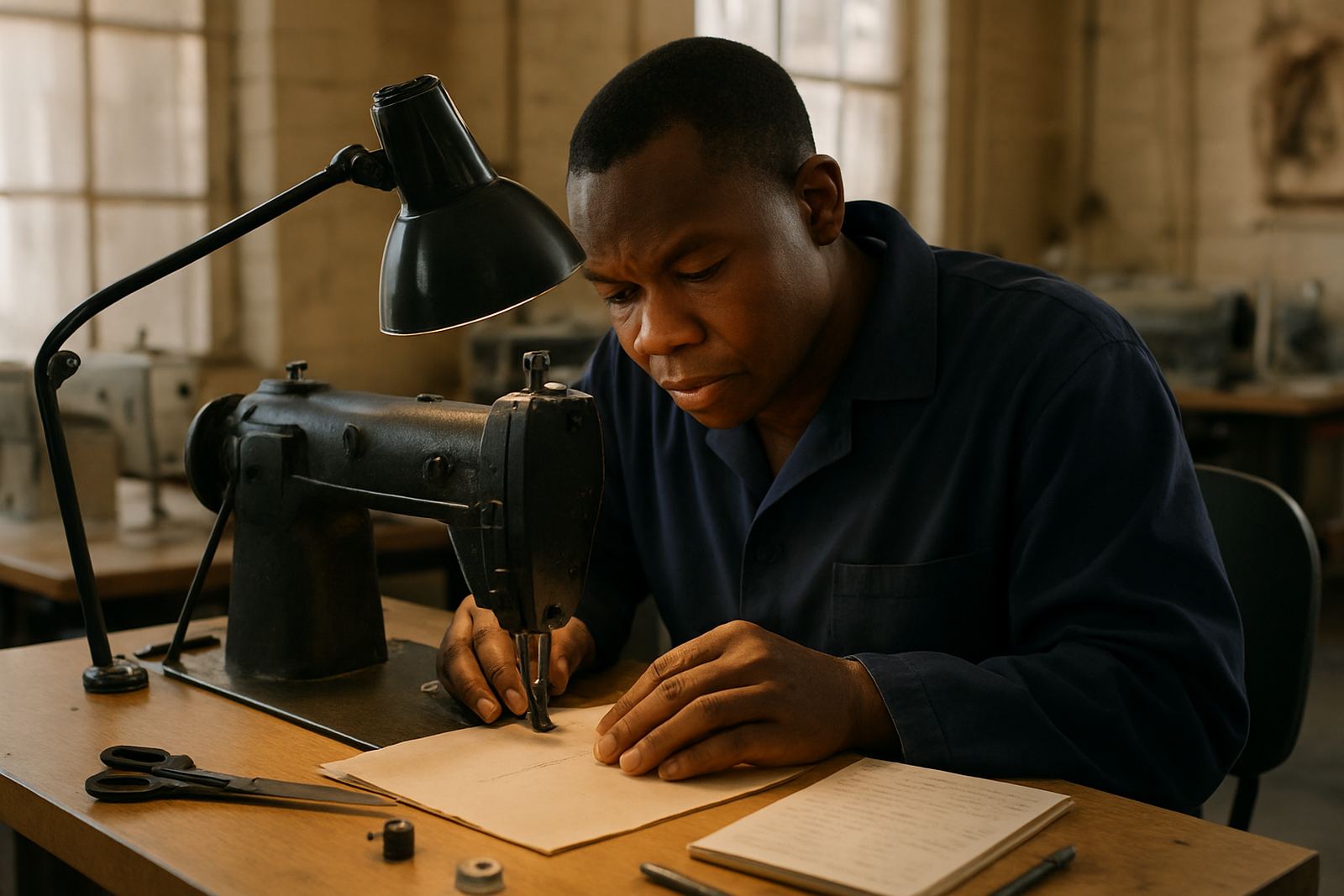
A quick needle check at the start of the day can prevent a long list of faults later. The operator should look at the point, the shaft, the size marking and the condition of the thread path. If the machine was used on a different fabric the day before, the needle may need to change before the first seam is sewn. This is especially important for mixed workrooms where one machine may do alterations in the morning and school uniforms in the afternoon.
Use this short routine:
- Confirm the needle type matches the fabric for the day.
- Check that the needle is fully seated in the clamp.
- Make sure the needle is straight and not scratched or burred.
- Replace the needle after a jam, a hard impact or visible wear.
- Test on offcuts before starting a production run.
Where a machine keeps skipping even after a fresh needle, the fault may lie in timing, a worn bobbin case, damaged thread guides or poor setup. That is when proper servicing matters. A good needle choice is the first step, but it works best when the rest of the machine is set correctly as well.