
Start with the items that get used every hour
When a workroom opens, it is tempting to buy every zip, button and trim in sight. In practice, the first stock should cover the jobs that happen daily: measuring, marking, stitching, pressing and finishing. That gives your team a reliable base while you learn what your customers actually ask for most often.
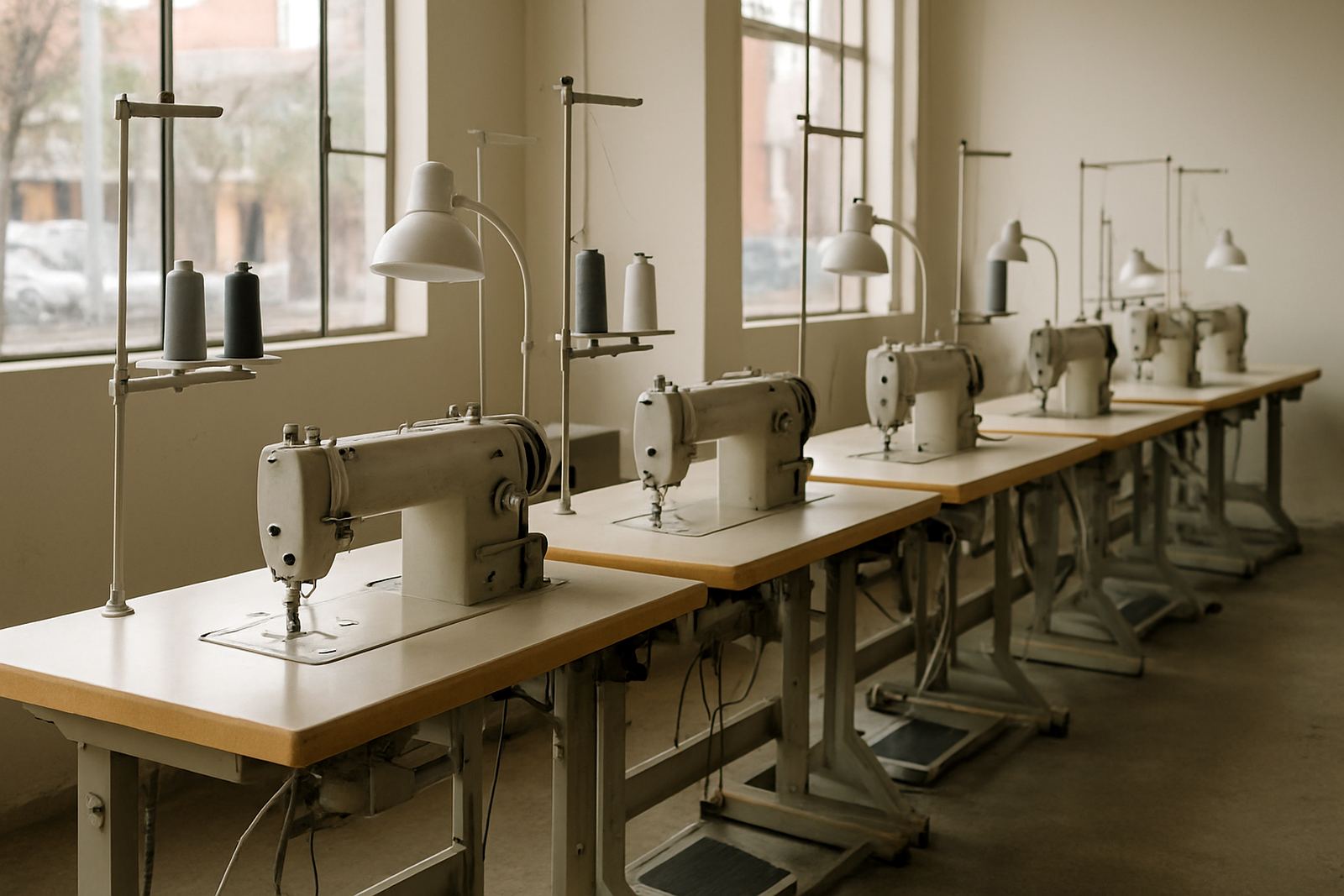
For a factory floor in Johannesburg CBD or a small tailoring room in Soweto, the same rule applies. Keep the basics close to the machines, store them in clear boxes, and make sure the team knows where each item lives. A tidy starter list saves time, cuts waste and helps with stock counts, which matters when you are working through busy weeks and load-shedding interruptions.
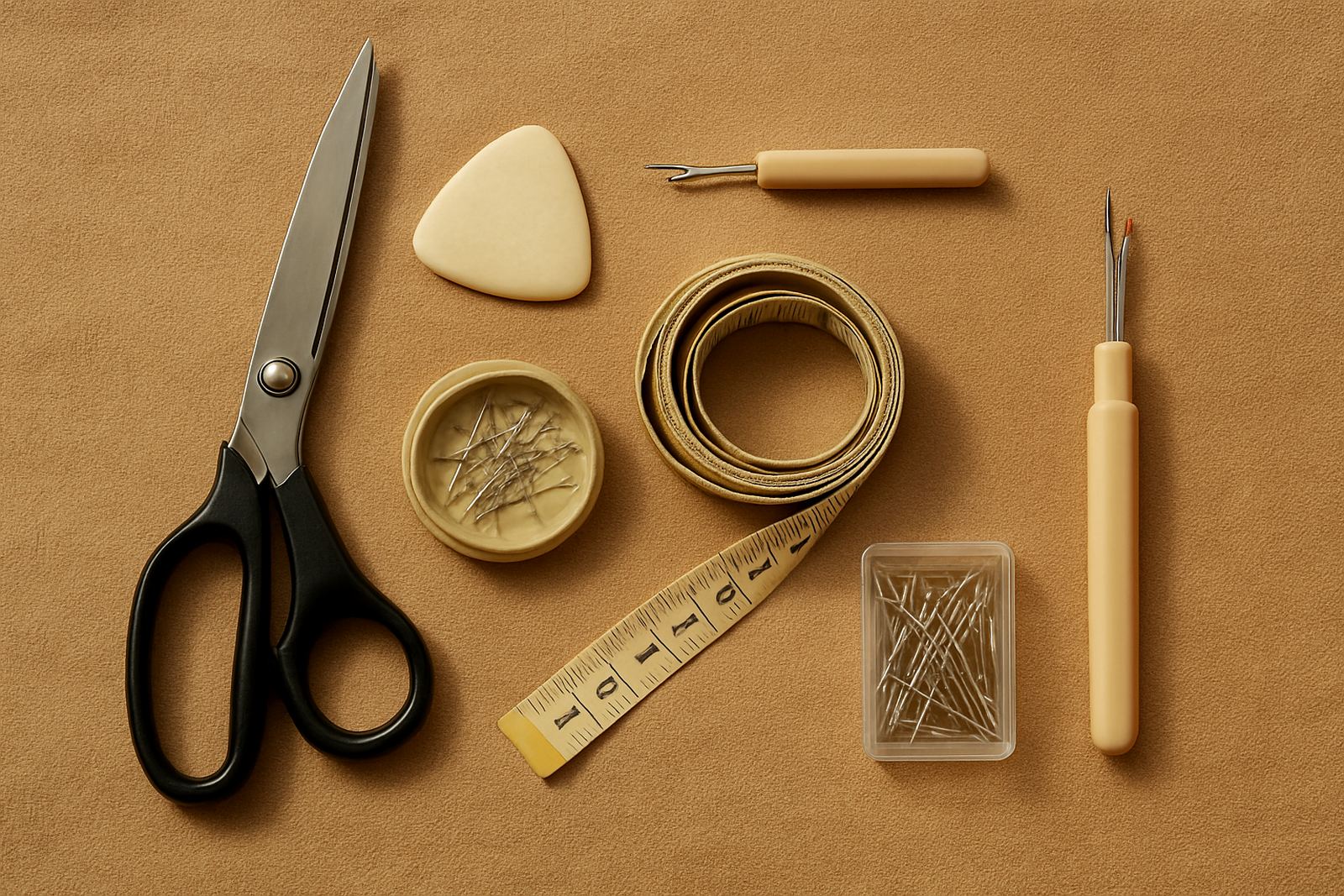
- Dressmaking scissors and smaller thread snips
- Measuring tapes, rulers and curve tools
- Tailors chalk, fabric markers and pencils
- Pins, clips and pin cushions
- Seam rippers and hand sewing needles
- Thimbles, finger guards and needle threaders
Thread, needles and bobbins need proper planning
Thread is one of the first items to run out when a sewing room is busy. Buy a narrow colour range first, then expand once you know your repeat orders. Neutral shades such as black, white, navy and grey cover most schoolwear, workwear and alterations. If your customers bring lighter summer fabrics or uniforms, add beige and cream early on.
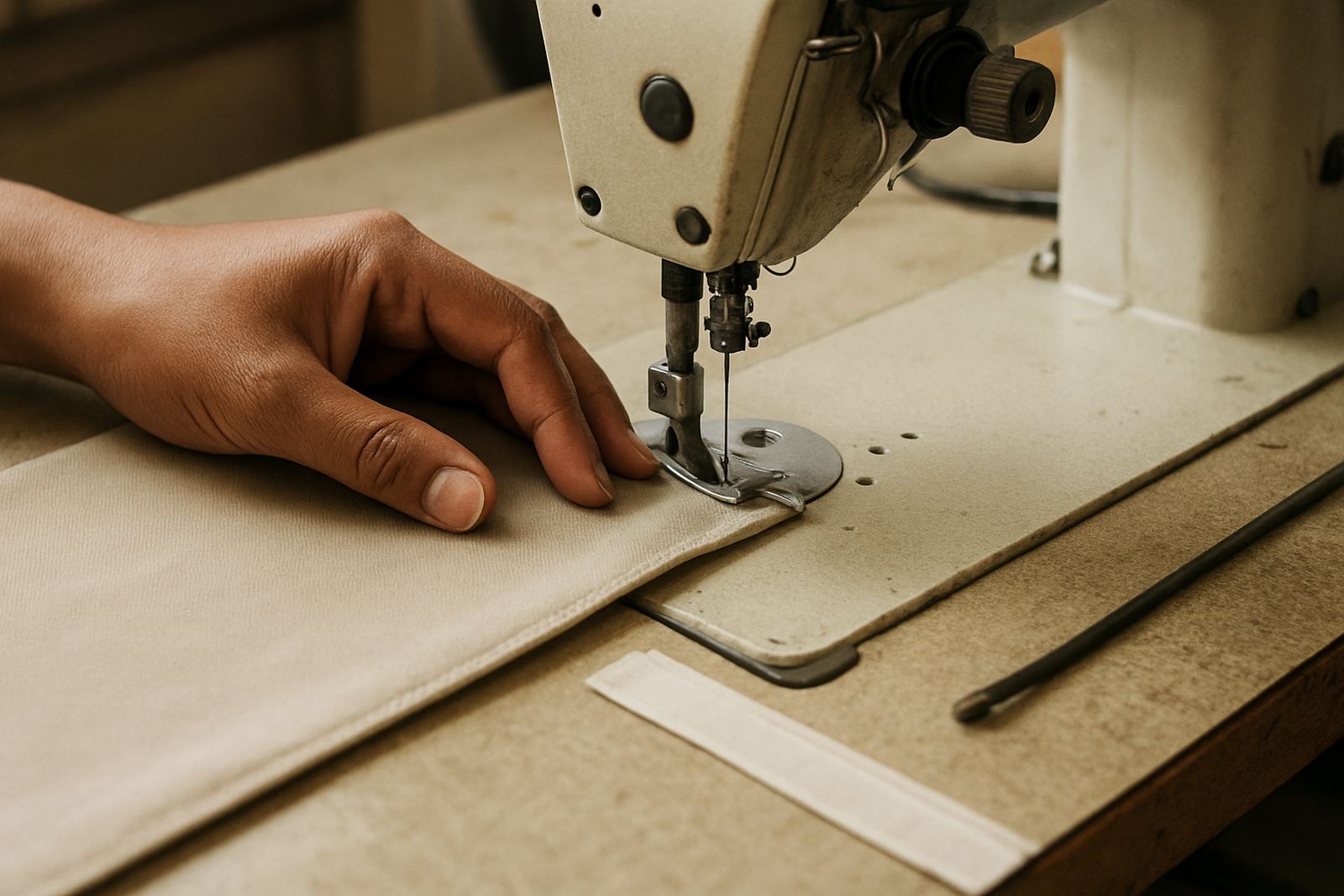
Needles and bobbins should match the machines on the floor. Industrial straight stitch, overlocker and household machines all use different sizes, and the wrong needle causes skips, breakage and poor seam quality. Keep spare bobbins, bobbin cases where needed and a few common needle sizes for woven and knit fabrics. In humid areas like Germiston and parts of the East Rand, thread storage also needs to stay dry and closed, because moisture can affect tension and finish.
- Core thread colours: black, white, navy, grey, beige
- Needle packs for woven fabrics and stretch fabrics
- Plastic or metal bobbins that match each machine type
- Thread cones for industrial machines and small spools for household work
- Bobbin boxes or labelled containers for quick access
Marking and cutting tools that reduce rework
Bad marking leads to bad cutting, and bad cutting wastes expensive fabric. That is why a starter haberdashery list should include reliable marking and cutting tools before decorative items. If your workroom is doing school uniforms in Pretoria or alterations in Fordsburg, you need clean lines and repeatable results more than you need fancy extras.
Use tools that suit the fabric type and the speed of the room. Chalk is still useful, but some fabrics need washable markers or fine pencils. Keep cutting tools sharp and dedicated to specific jobs so the blades last longer. A simple system for left hand and right hand use also helps reduce mix ups when several people share the same table.
- Chalk pencils, soapstone chalk and washable markers
- Fabric shears for cloth only
- Paper or trimming scissors for patterns and packaging
- Seam gauges, measuring wheels and hem tools
- Pattern weights and cutting mat offcuts for delicate work
Pressing supplies matter more than many new rooms expect
Pressing is not a finishing touch, it is part of the process. A good press helps seams lie flat, improves the final look and reduces the chance of later complaints. In a new sewing room, a basic pressing station should be set up from the start, even if the work volume is still small.
For workrooms using fusing presses or pressing stations, make sure the starter list includes items that protect fabric and support consistent heat and pressure. This becomes even more important where power cuts or uneven voltage affect machine rhythm, because operators need a clean routine when the machines come back on. Keep pressing cloths nearby, and replace worn padding before marks start showing on garments.
- Pressing cloths and protective covers
- Tailors hams, sleeve rolls and seam rolls
- Spray bottles for light dampening
- Heat resistant gloves and finger guards
- Spare ironing board pads and covers
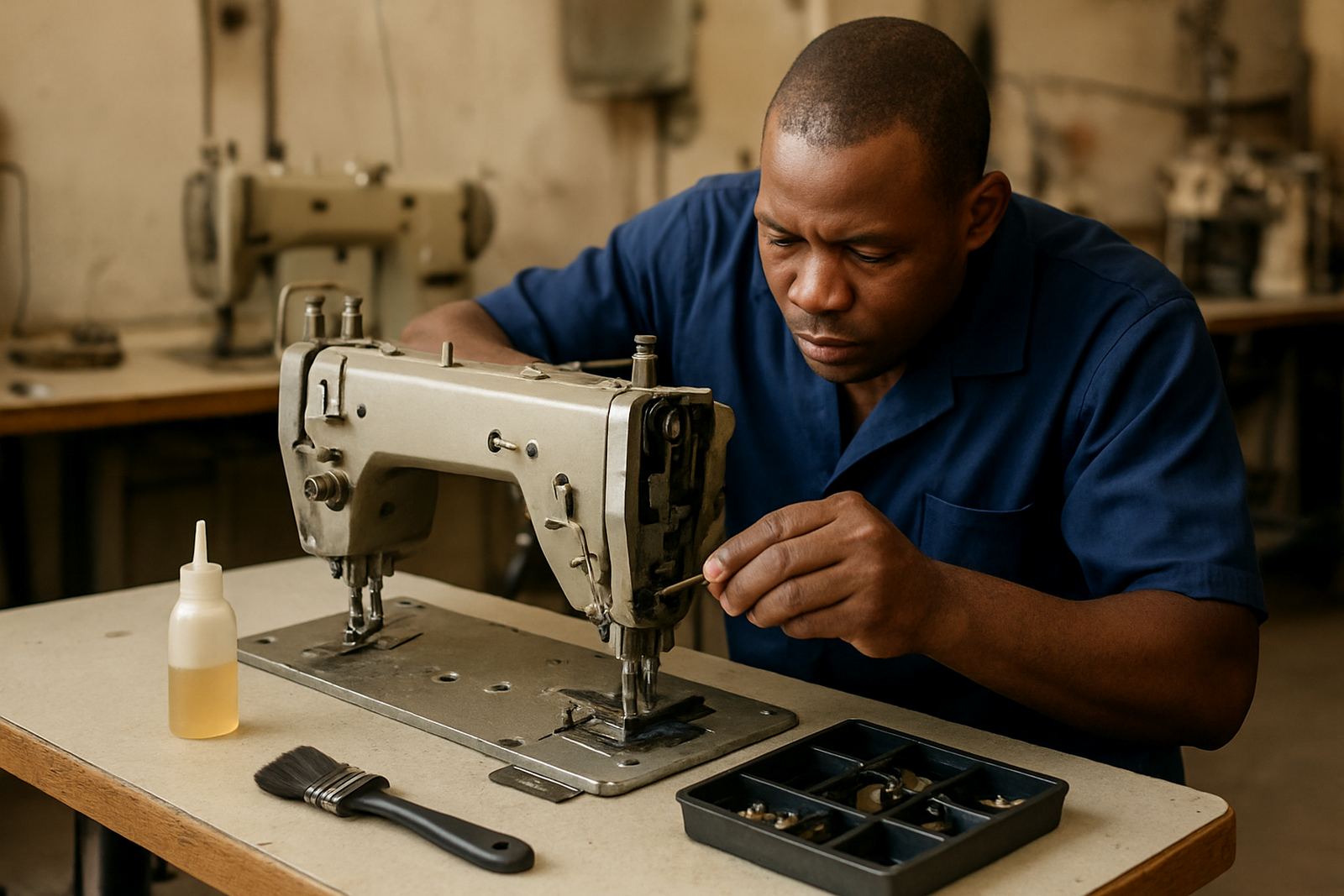
Stock a small repair box for daily machine care
Even a well set up room needs quick fixes during the day. A repair box keeps you ready for minor adjustments before they turn into downtime. This is especially useful in busy spaces where one machine may be used for alterations, another for embroidery setup and a third for finishing. When the right parts are close at hand, the workshop runs with less stoppage.
Do not overload the first order with every possible spare. Start with the items used for routine servicing and common wear. Then build from your service records. If your team is working across Johannesburg CBD, Mayfair, Randburg or Alberton, the same repair box can support on site work as well as workshop repairs when the basic parts are organised properly.
- Machine oil and approved lubricants
- Needle plates, feet and feed dogs for common models
- Screwdrivers, small spanners and hex keys
- Brushes for lint and dust removal
- Extra belts, fuses and power leads where suitable
- Small parts trays and labelled containers
Choose haberdashery by the work you want to sell
The smartest starter list is based on your first month of work, not on guesswork. A school uniform room will need different stock from a bridal alterations service. An embroidery studio will need stabilisers, bobbins and hoop related items sooner than a home sewing room. This is why it helps to separate essentials from speciality stock and buy in stages.
If you are serving factories, tailors, schools and home sewers across Gauteng, start by mapping the jobs you expect most often. Then group your stock into three levels: daily use, weekly use and speciality use. That keeps cash flow under control and prevents shelves filling up with items nobody asks for. It also makes training easier for staff because everyone learns the same storage system from the start.
- Daily use: thread, needles, scissors, marking tools
- Weekly use: zips, buttons, elastics, interfacing
- Speciality use: embroidery supplies, fusing materials, decorative trims
- Back up items: bobbins, blades, fasteners and machine care products
A practical Johannesburg example for a first order
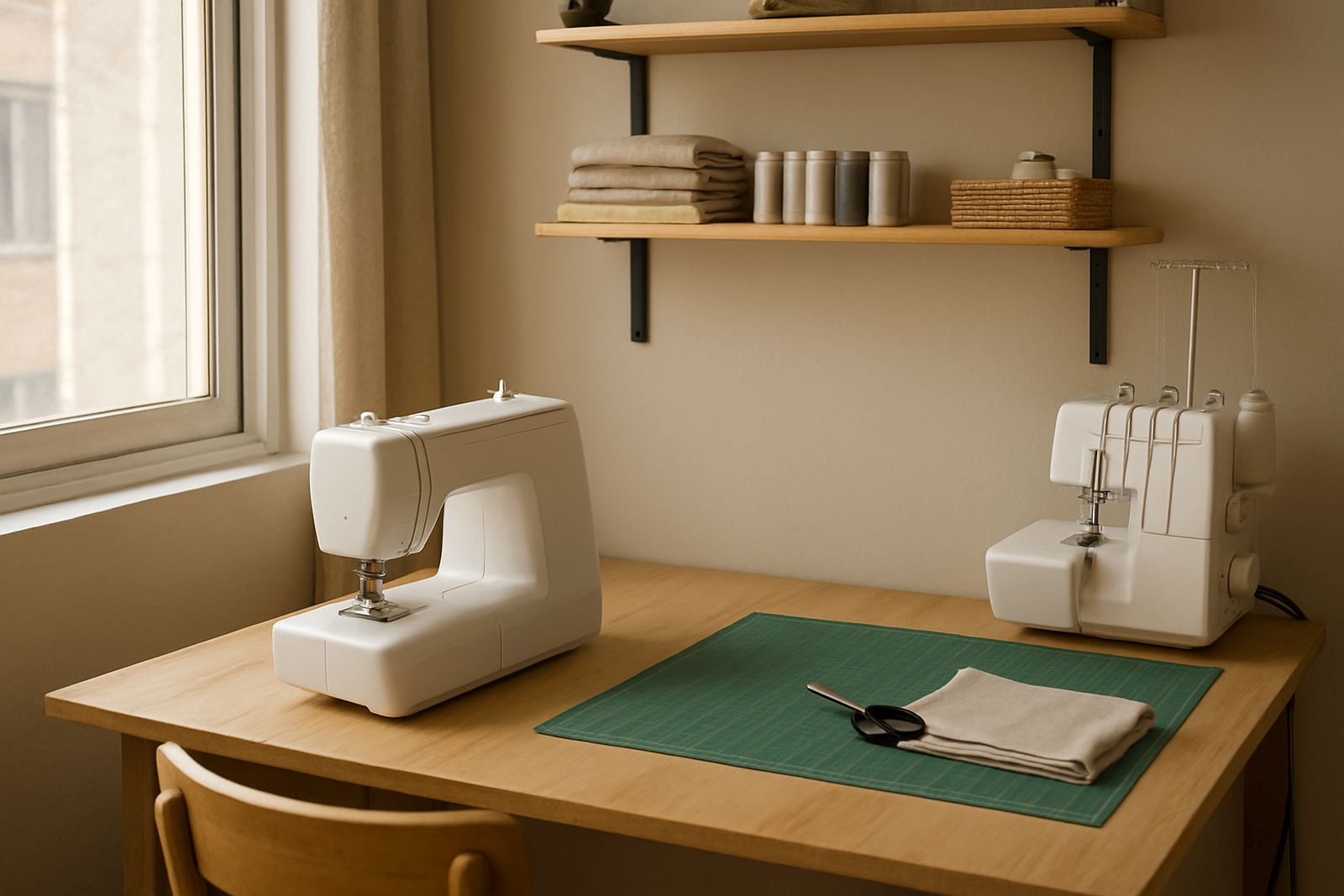
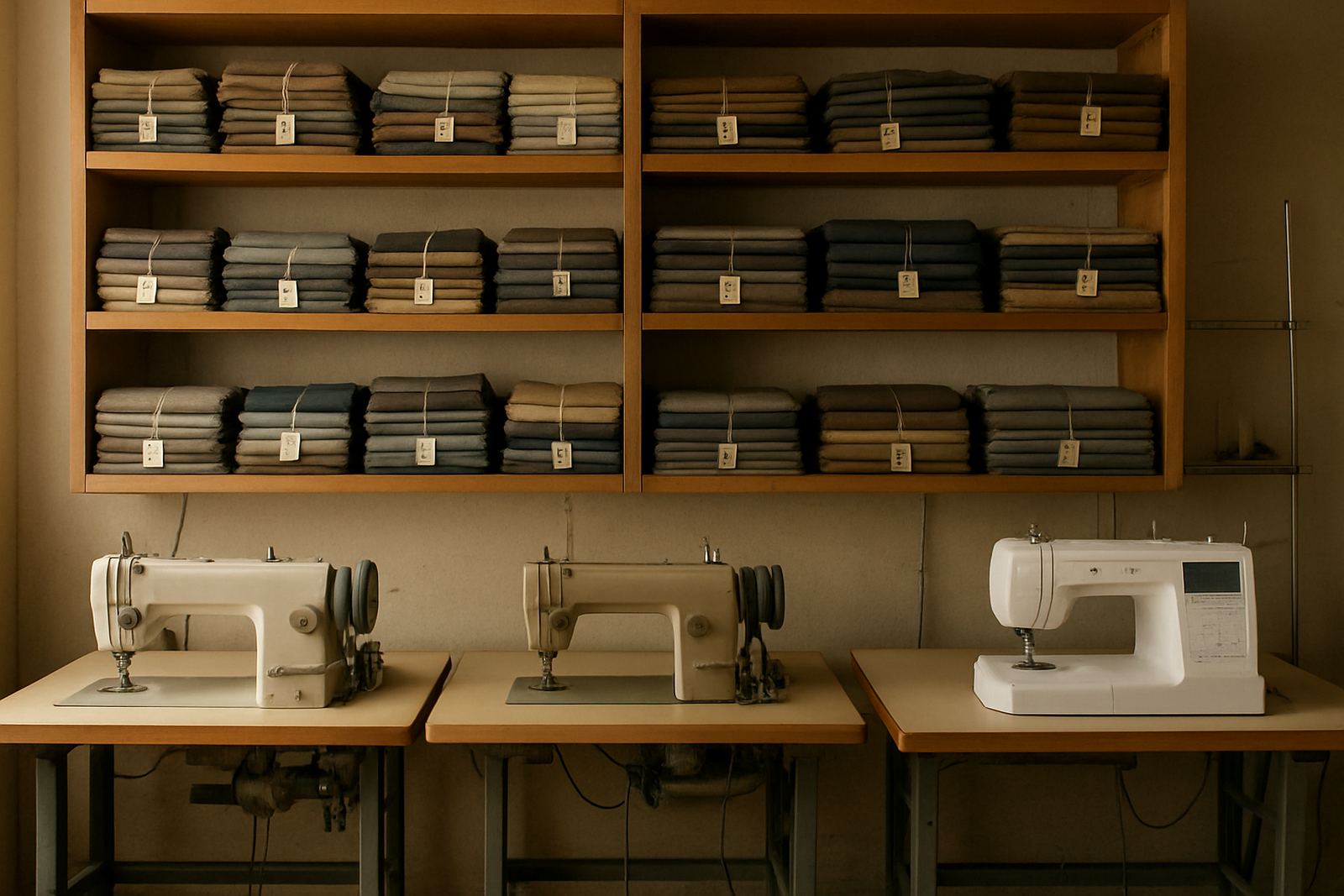
Take a small sewing room opening in Johannesburg CBD with two industrial machines, one household machine and a pressing table. The first stock order should not try to cover every garment type. Instead, it should support the work that is likely to come in during the first few weeks: hems, repairs, schoolwear, simple alterations and sample pieces. That means thread in key colours, strong scissors, measuring tools, marking supplies and a basic repair box for machine care.
Once the room is active, the next order can add the extras people actually ask for. That might include more zip sizes, interfacings, bias binding, elastic widths or embroidery related consumables. By starting small and practical, the room avoids dead stock and keeps money free for better machines, training and service. That approach works just as well in a backyard setup in Soweto as it does in a busy workroom near Pretoria.
For new sewing rooms, the goal is not to buy everything at once. It is to buy enough to work well today, and enough flexibility to grow next month without wasting cash.