

Start With the Work Flow, Not the Floor Plan
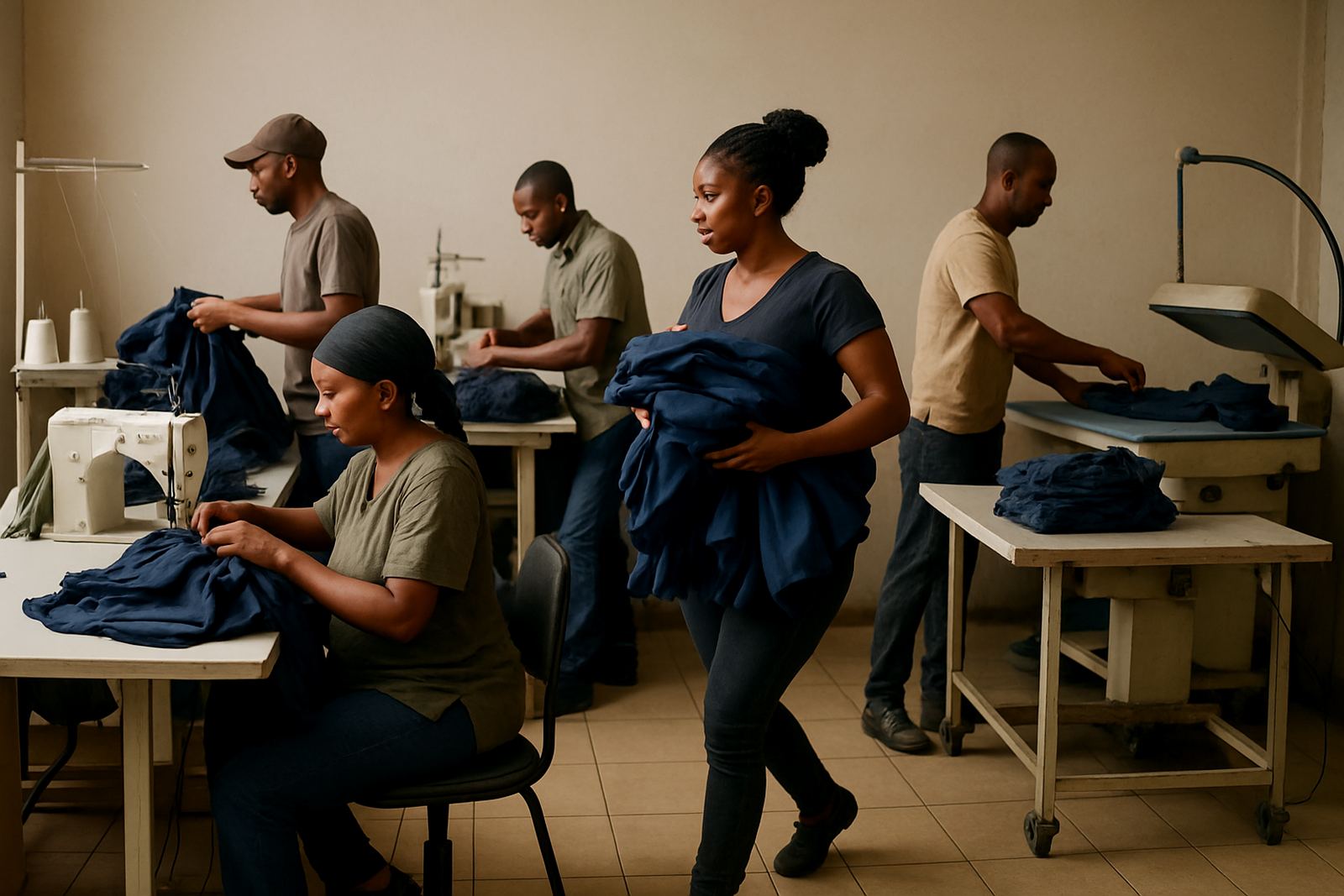
A small line setup works best when the movement of work matches the actual job. Do not place machines by habit or by who shouts the loudest. Start with the full process, from cut pieces coming in, to stitching, trimming, pressing and final check. If the order is wrong, operators end up carrying bundles back and forth and the whole room slows down.
For a team of three to eight people, the aim is simple: keep each station close to the next one in the sequence and leave enough space for chairs, trolleys and finished goods. In many Johannesburg CBD and Fordsburg workrooms, space is tight, so the layout has to be practical rather than fancy. A straight line is not always the answer, but the handoff between stations must be clear.
- Place the first operation near the incoming cut work.
- Keep trimming and checking stations close to the stitching points.
- Leave a clear path for bundles, bins and completed garments.
- Do not block access to plugs, circuit breakers or gas lines for pressing equipment.
Set Clear Handoffs Between Operators
The best small line setup has obvious handoff points. Each operator should know where to place a completed bundle, where to collect the next one and who checks quality before the job moves on. This cuts confusion and helps when the owner is not on the floor every minute.
In a small team, one person often does more than one task. That is normal. The problem starts when nobody knows whether a piece is waiting for trimming, sewing, pressing or inspection. A simple label, tray or marked table edge can solve a lot of this. Even in a home-based setup in Soweto or Germiston, clear handoffs prevent confusion and missed steps.
- Use trays, baskets or marked shelves for each stage.
- Keep rejected work separate from accepted work.
- Mark the check point before pressing or final packing.
- Agree on who signs off each batch before it leaves the room.
Match Machines to the Job, Not Just the Space
Small teams often try to do every job on one or two machines. That usually leads to delays, more wear and poor stitch quality. A better approach is to match each machine to the work it will do most often. A straight stitch machine should not be pushed into every task if the room also handles heavier seams, decorative work or repairs.
When setting up industrial and household machines together, think about foot traffic, power points and noise. Machines used for heavier work should sit where the floor is stable and where the operator can work without bumping into the next station. If embroidery or fusing is part of the line, those machines need extra space for handling fabric and checking alignment. In Pretoria and Alberton, where some workrooms mix school uniforms with alteration work, this planning saves a lot of rework.
- Keep heavy work machines on firm, level flooring.
- Allow space for thread stands, bins and tool trays.
- Place speciality machines where the operator can load and unload safely.
- Leave access for servicing and cleaning around each machine.
Plan for Power Cuts and Daily Interruptions
In Gauteng, a small line setup must deal with load shedding, voltage dips and occasional workshop interruptions. If a machine stops in the middle of a run, the operator needs to know exactly where to pause and how to resume without mixing up pieces. That is why a setup should include a simple restart routine, not just machines in a row.
For rooms that run fusing presses or pressing stations, power planning matters even more. Some equipment needs a stable supply to keep temperatures steady, while stitching can continue with backup power or a manual process when needed. A good setup also keeps the most time-sensitive jobs closest to the exit, so finished pieces can move out quickly if power is interrupted. It is a small detail, but it helps keep deadlines on track and avoids heat damage to fabric.
- Keep a written restart process near the main work area.
- Label which machines must be switched off first and on again last.
- Group high-load equipment on the correct circuits.
- Store spare bulbs, needles, bobbins and basic tools in one known place.
Train the Team on Movement, Not Just Sewing
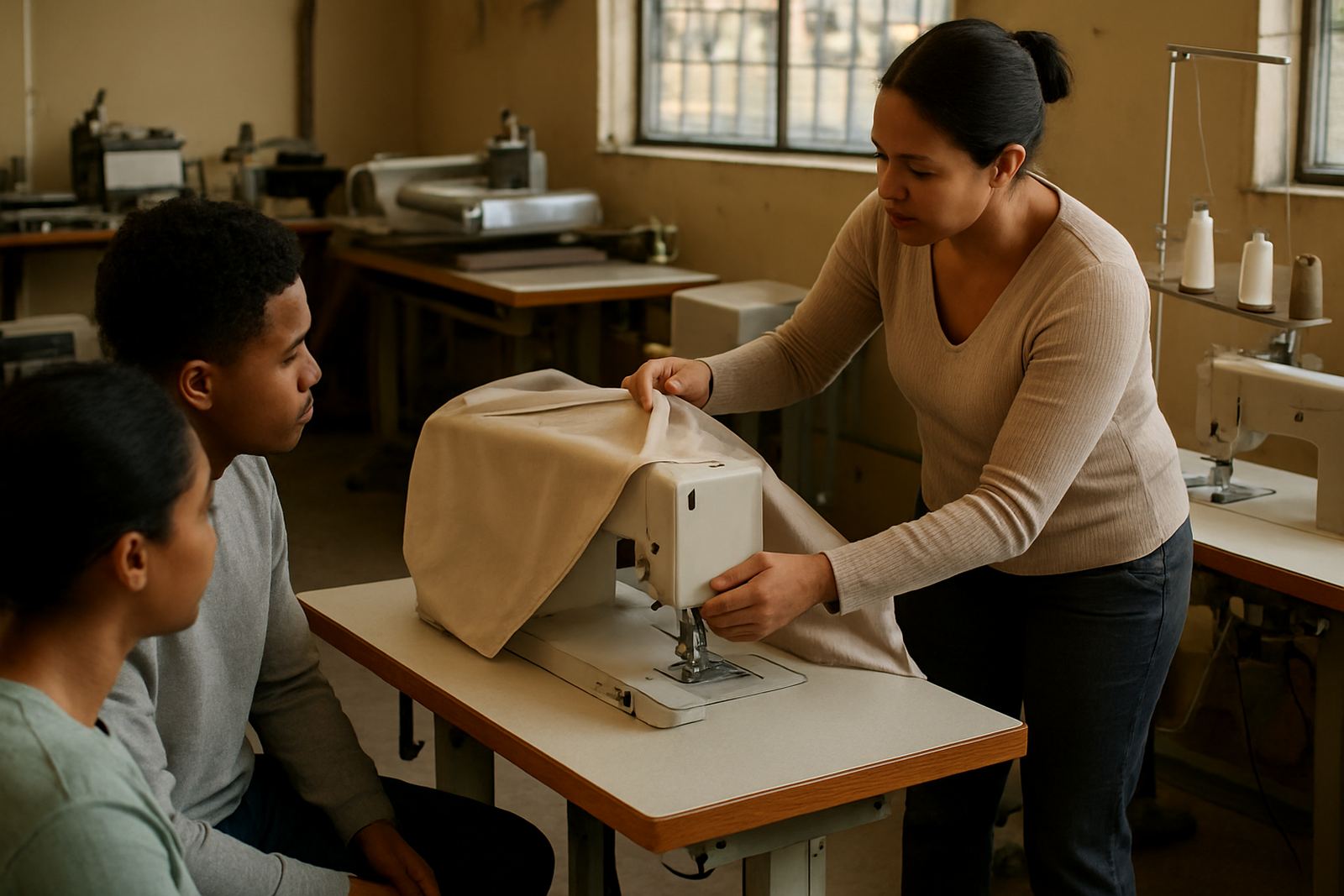
A small line setup only works if the people using it understand the layout. Training should cover how to pass work forward, when to call for help and where to put unfinished pieces. It should also cover simple machine care, because a blocked bobbin case or loose thread guide can slow the whole line, not just one operator.
At Asia Sewing Machines, we often see workrooms where the machines are fine, but the team has never been shown the best order for moving through a job. A short practical session can solve that. It is also the right time to explain needle choice, thread tension, basic oiling and how to recognise early signs of wear. Good training reduces mistakes and helps new staff settle in faster, especially in busy areas like Mayfair or Randburg where staff turnover can be high.
- Show each operator where the work starts and ends.
- Teach basic fault spotting before a small issue becomes a stoppage.
- Agree on who calls for repairs and who clears the machine area.
- Include cleanup steps at the end of each shift.
A Johannesburg CBD Example That Saves Time
A small garment room in the Johannesburg CBD came to us with four sewing stations, one overlocker and a press. The team was losing time because cut pieces entered from one side of the room, while finished work had to cross back through the same path to reach pressing. Operators were waiting on one another, and bundles kept getting mixed up.
We reworked the layout so the first station received cut work closest to the entrance, the next two stations followed the seam order and the press sat near the final check table. We also separated rejected pieces from approved ones and gave the team a simple handoff system. The result was less walking, fewer calls across the room and a calmer pace. The room was still small, but now it moved like a proper line instead of a crowd. That sort of change matters whether you are working in Fordsburg, Soweto or Pretoria.
When to Ask for a Proper Setup Visit
If your team keeps waiting for the same machine, or if fabric keeps moving backwards through the room, the setup needs attention. A proper visit can sort out machine placement, power points, press position, operator spacing and the order of work. It also helps when you are adding a new machine, changing from household to industrial equipment, or bringing embroidery into an existing room.
Asia Sewing Machines handles installation, servicing, workshop repairs, parts sourcing and operator training for workrooms across Gauteng. If you are planning a small line in the Johannesburg CBD, Germiston, Alberton or Pretoria, the best time to fix the flow is before the delays start. A few metres of movement can save hours in a week.