

Start with the work flow, not only the machines
A tailoring room should move in one direction: cut, sew, press, fit and finish. When that sequence is clear, the room runs faster and the staff spend less time carrying work back and forth. In Johannesburg CBD and the surrounding areas, many small operations begin with too few tables, one overworked machine and no proper pressing space, then wonder why orders back up by Thursday.
Plan the room around the type of work you do. A school uniform room needs plain sewing, overlocking and strong pressing. A bridal or alteration room needs finer control, better lighting and more fitting space. A workshop making bulk garments needs separate stations for stitching, seam finishing and final pressing. The right setup saves labour and gives a cleaner finish from the first week.
At Asia Sewing Machines, we see the difference when a room is planned with the whole job in mind. A proper layout can reduce walking time, improve output and make it easier to train new operators.
The sewing machines that belong in a tailor room
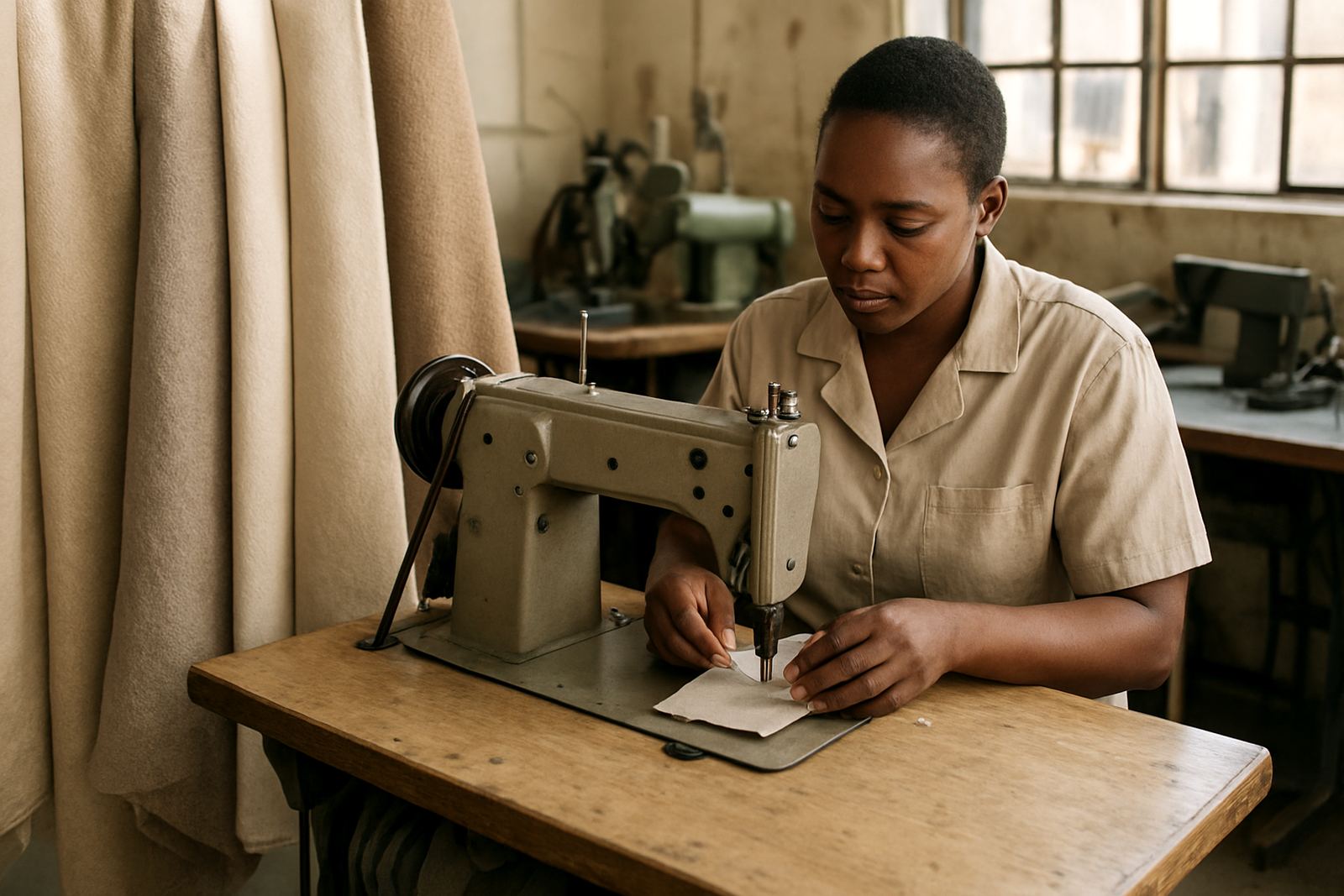
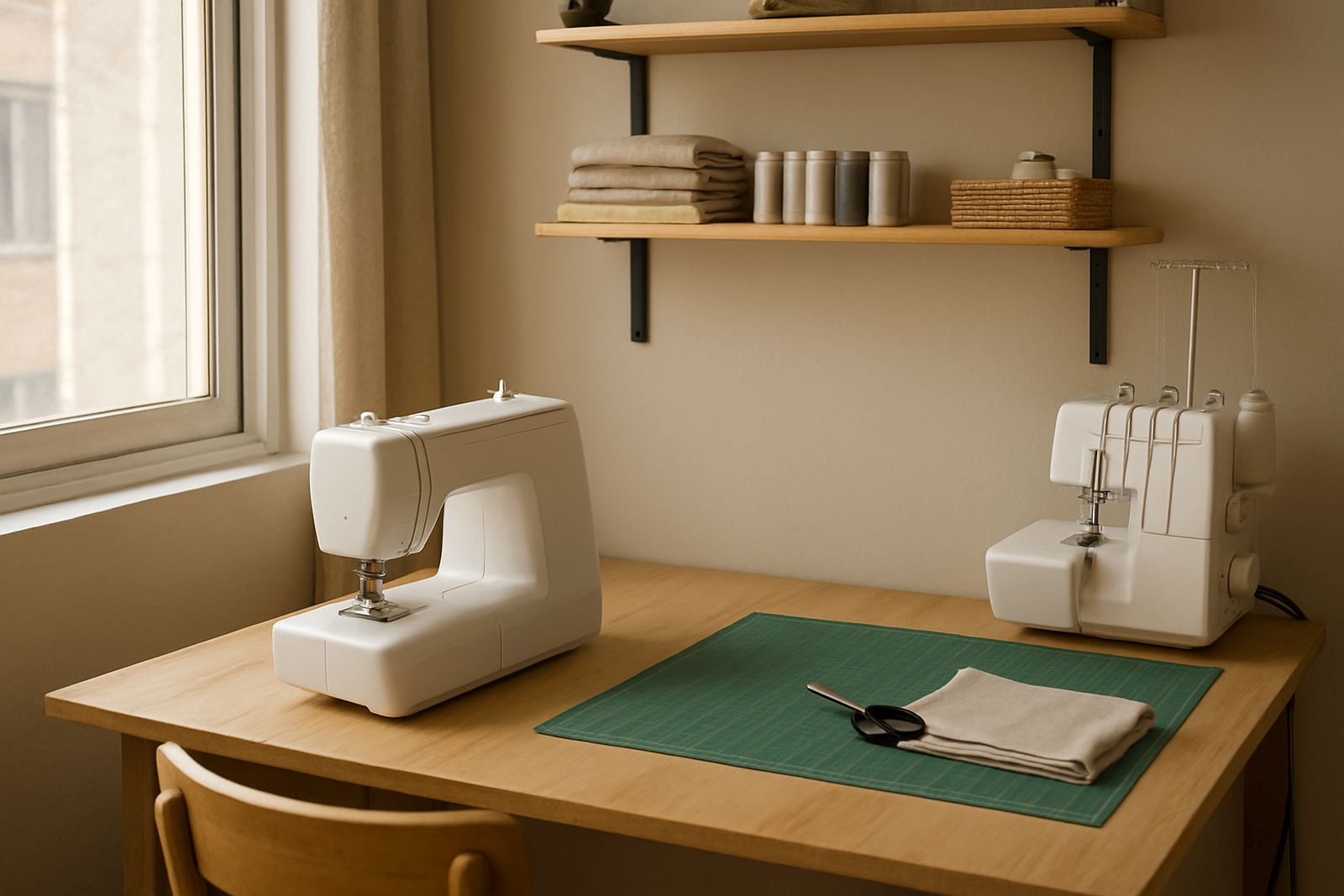
Every tailoring room needs the right mix of industrial and household machines, depending on volume and fabric type. For light work, alterations and lessons, a household machine can be useful. For regular production, an industrial straight stitch machine gives steadier speed, better penetration and less strain on the operator. If you work with stretch fabrics, knitwear or fraying cloth, an overlocker is just as important as the main stitch machine.
For many Gauteng businesses, a small room works best with three core machines: one straight stitch, one overlocker and one buttonhole or specialist machine, if needed. That mix handles most everyday tailoring jobs without crowding the floor. Computerised embroidery machines can add name work, school logos and custom detail, but only if the room has the space, power and operator skill to support them.
Do not ignore the motor setup. Older rooms often lose time because the machine is slow, noisy or difficult to control. In some cases a motor conversion makes more sense than replacing the whole unit, especially when the head is still in good condition.
Pressing equipment is not an extra, it is part of the job
A tailoring room without proper pressing always looks unfinished. Pressing sets seams, removes bulk and gives garments the shape customers expect. In warm months and coastal humidity, garments can also hold moisture longer, so a good pressing station helps you work cleanly and consistently.
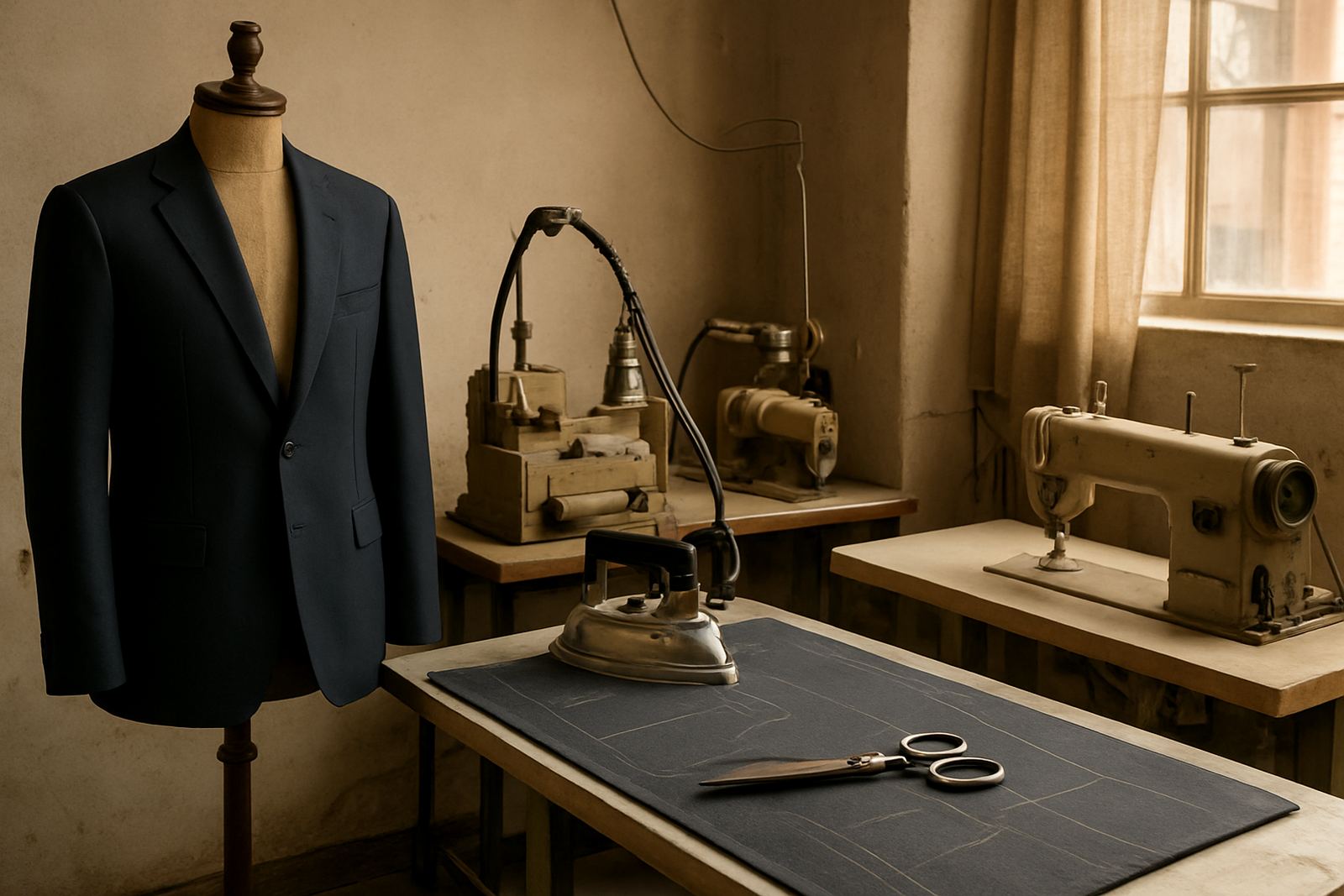
For small rooms, a reliable iron, vacuum or suction board and a steady power supply may be enough. For busier shops, a fusing press and a proper pressing station save time on collars, cuffs, waistbands and bonded parts. If you make school wear, workwear or formal clothing, a consistent press finish matters as much as the stitching.
Pressing areas must be kept clear. Steam hoses, cables and hot surfaces should never crowd the fitting side or the sewing line. A cramped pressing corner is one of the quickest ways to slow a team down and create safety problems.
Fitting space and measurements need their own corner
A fitting area is often forgotten until the first customer arrives and there is nowhere private to check a hem or shoulder line. Whether you work from a shop in Fordsburg, a school room in Soweto or a small production space in Germiston, the fitting corner should be separate enough to protect privacy and close enough to the sewing floor for quick adjustments.
You do not need a large room, but you do need a proper mirror, measuring tools, hanging space and a clean surface for pattern notes. The fitter or tailor should be able to mark changes, compare the garment against the body and return the item to sewing without confusion. For alterations, this is where good work starts and bad work gets caught early.
Simple order systems also matter. If garments are numbered, tagged or colour coded, the room stays organised. That is especially helpful when several jobs are moving at once, or when one operator is waiting on a fitting before final stitching.
Storage, spares and threads keep the room moving
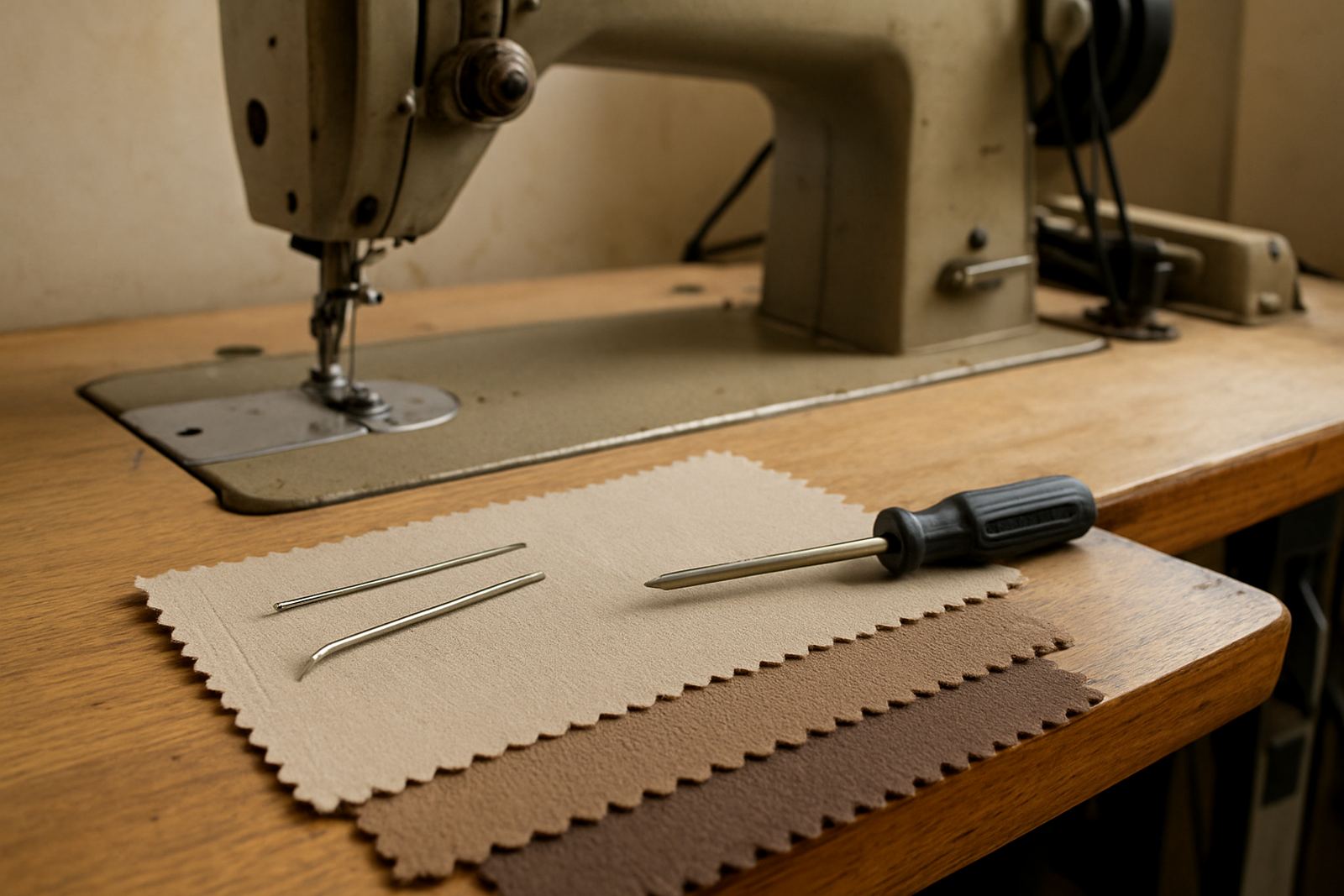
A tailoring room works better when the small things are easy to find. Threads, needles, feet, zips, buttons, elastic and spare parts must be stored in a clean, labelled system. When staff spend ten minutes looking for one attachment, the whole day slips. In a busy Johannesburg CBD workshop, that lost time can become a serious backlog by month end.
Good storage also protects your stock. Damp rooms, open windows and dust from nearby traffic can spoil thread and haberdashery. In areas with load-shedding or frequent power interruptions, keep essential items where they can be reached quickly when machines stop and restart. That includes spares for common wear parts, oil, cleaning tools and the attachments used most often.
For schools and smaller home sewing rooms, a simple shelving system with labelled containers is usually enough. For factories or larger tailoring rooms, the stock area should be planned for reordering, counting and issue control.
A local example from a busy Johannesburg workroom
A small tailoring room in the Johannesburg CBD recently needed a better layout before the start of the school uniform season. The team had one straight stitch machine, one overlocker, a press and a cramped fitting corner. Work was piling up because finished pieces had to cross the room several times before packing. The owners did not need more floor space, they needed a better arrangement.
After the room was reorganised, the sewing line was moved closer to cutting, the press was placed at the end of the process and the fitting corner was given its own clear space. Routine servicing was done at the same time, and one motor was adjusted for smoother control. The result was simple: less walking, fewer mistakes and faster turnaround on each batch.
That is the main point of tailor room essentials. A room does not become efficient by buying everything at once. It becomes efficient when every item has a job, a place and a reason for being there.
Build for service as much as for sewing
Tailoring rooms in Gauteng work better when the machines can be installed, adjusted and serviced without delay. A good room is not only about the first setup, it is about keeping the work moving after months of daily use. Timing adjustments, routine servicing, on site repairs and parts sourcing should all be part of the plan. If the room depends on one machine, one press or one operator, any fault becomes expensive quickly.
For factories, schools, tailors and home sewers, the safest approach is to start with balanced equipment, then build around actual workload. The room should suit the kind of garments you make, the space you have and the service you can maintain. That is how you avoid waste and get dependable output, day after day.
When a tailor room is set up properly, it works quietly in the background. Staff can focus on stitching and finishing, customers see cleaner results and the business has room to grow without having to redo the whole floor plan later.