Pressing Is What Gives Fabric Its Final Shape
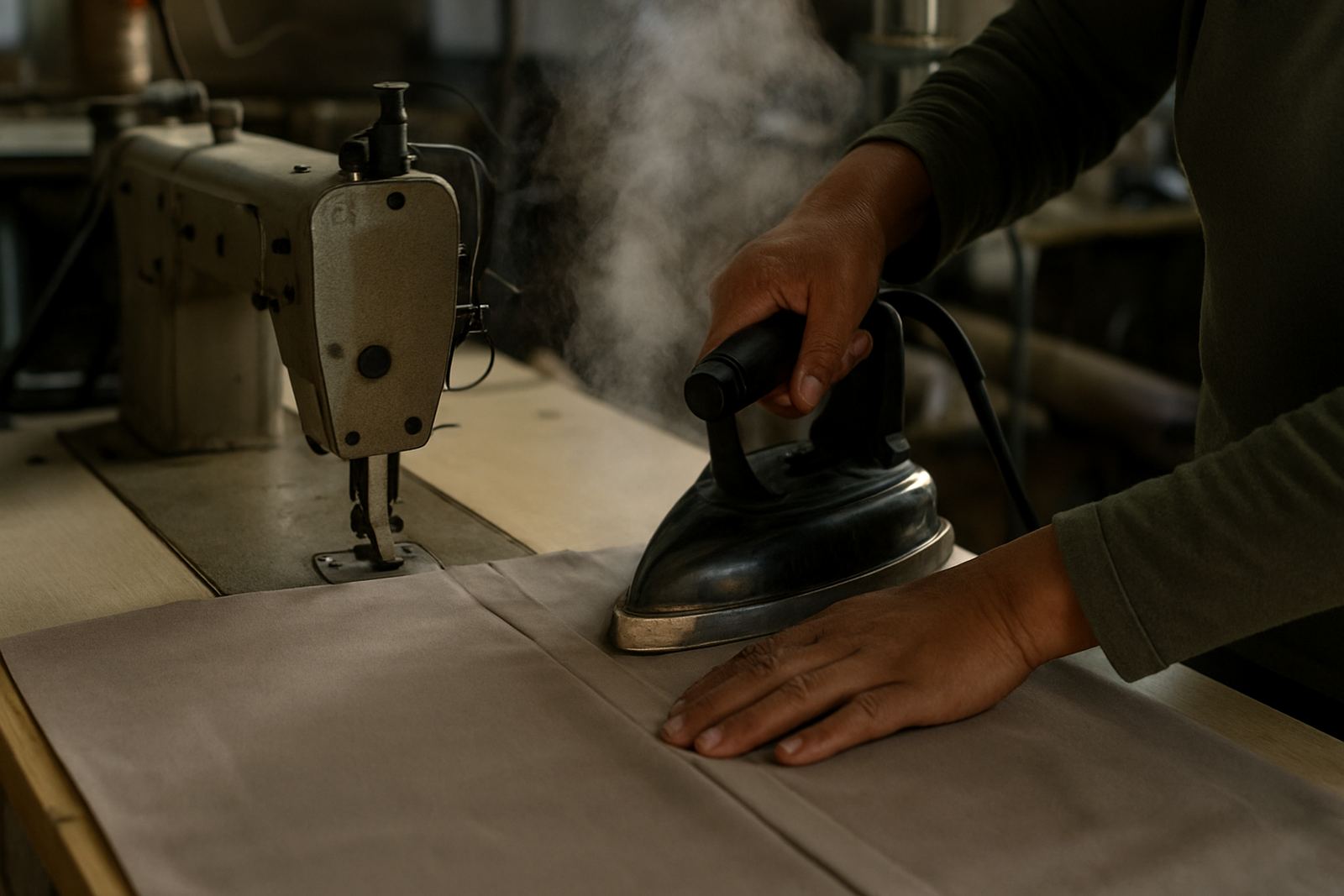
Many sewers treat pressing as something to do at the end, but the best results come from pressing throughout the job. When you press seams open, set collars, flatten hems and shape curves as you sew, the garment sits better on the body and the lines look cleaner. This matters whether you are making school shirts, workwear, dress garments or small production runs for a tailor shop.
In practical terms, pressing controls the fabric. It helps fibres settle after stitching, removes bulk in seam areas and makes it easier to match pieces accurately. On thicker fabrics like denim, twill and canvas, a good press can stop a seam from standing proud and making the finished item look untidy.
Why Pressing Changes How Seams Behave
A stitched seam without pressing often looks puffy and uneven. With the right heat, steam and pressure, the same seam can lie flat, take the correct shape and hold better through wear and washing. That is why pressing is often the difference between a garment that looks homemade and one that looks professionally sewn.
For factories and schools working under time pressure, the gains are real. Fewer reworks, cleaner topstitching and better consistency from one operator to the next. If a seam is not pressed correctly before topstitching, the machine may sew over small ridges and that can show up all the way to the finished side. One small press at the right stage saves a lot of correction later, and it keeps the workroom moving.
- Press after each major seam is sewn, not only at the end.
- Use the right temperature for the fibre content.
- Apply steam carefully on sensitive fabrics to avoid shine or distortion.
- Use a pressing cloth on delicate cloth and dark synthetics.
The Tools That Make Pressing Reliable In A Busy Workroom
A proper pressing setup does not need to be complicated, but it must be dependable. For a small tailoring room, that may mean a good iron, a stable board and a clean water supply. For a garment factory, it often includes a fusing press, sleeve board, steam iron, vacuum table or a dedicated pressing station. The aim is the same: even heat, steady pressure and repeatable results.
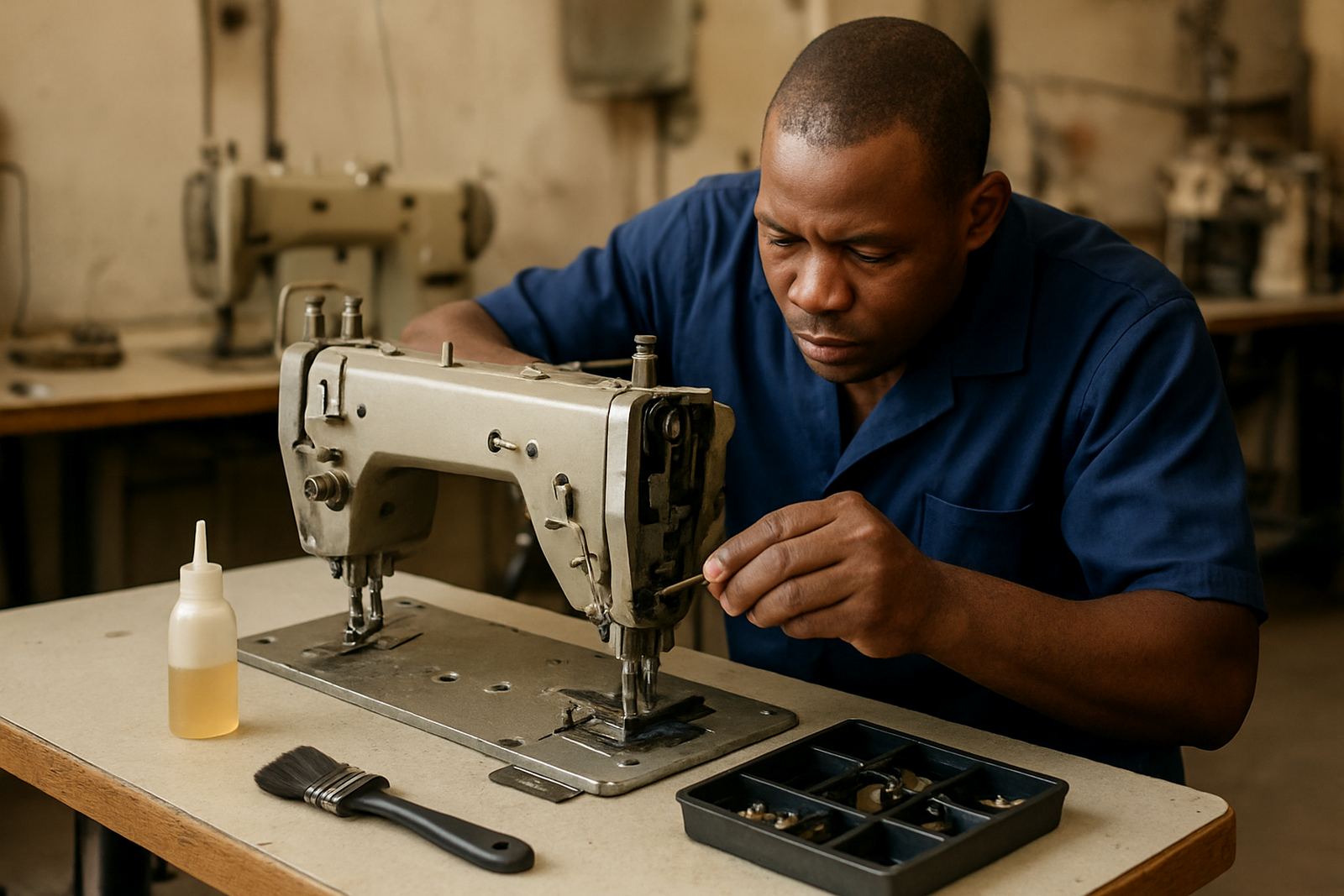
In Johannesburg CBD and surrounding areas like Fordsburg, Mayfair and Soweto, many workshops run through load-shedding and power dips. That makes equipment condition important. A worn thermostat, weak steam output or a tired element can throw off the press and leave marks or uneven results. If the press is used hard, it should be checked before the busy season so operators are not fighting faulty heat during a rush.
- Check the soleplate or platen for dirt, scorch marks and damage.
- Drain and clean steam systems regularly to reduce scale build-up.
- Test temperature control across the full range, especially on synthetic fabrics.
- Keep pressing stations clear so operators can move pieces safely and quickly.
Common Pressing Mistakes That Cost Time And Quality
Some of the most common problems in a workroom come from rushing the press. Too much heat can glaze the cloth, too much steam can distort a seam and too much pressure can flatten texture that should stay in the garment. On fashion fabric, one wrong pass can leave a permanent shine. On uniforms and shirts, bad collar pressing can make the whole item look off-centre.
Another mistake is using the same method for every fabric. Wool, polyester, cotton blends and coated cloth all respond differently. A fabric that presses well on a hot dry iron may react badly to heavy steam. That is why operator training matters. When the team knows which method suits which fabric, the finish improves and waste drops. A quick test on a scrap piece is always better than discovering a problem on the finished garment.
How Pressing Supports Fusing, Embroidery And Final Assembly
Pressing is also tied to other processes in the workroom. Fusible interfacings need correct heat and pressure to bond properly. If the press is too cool, the layer can lift later. If it is too hot, the glue can bleed through or make the cloth stiff in the wrong places. The same applies to pressing around embroidered panels where extra bulk can affect the finish if it is not handled carefully.
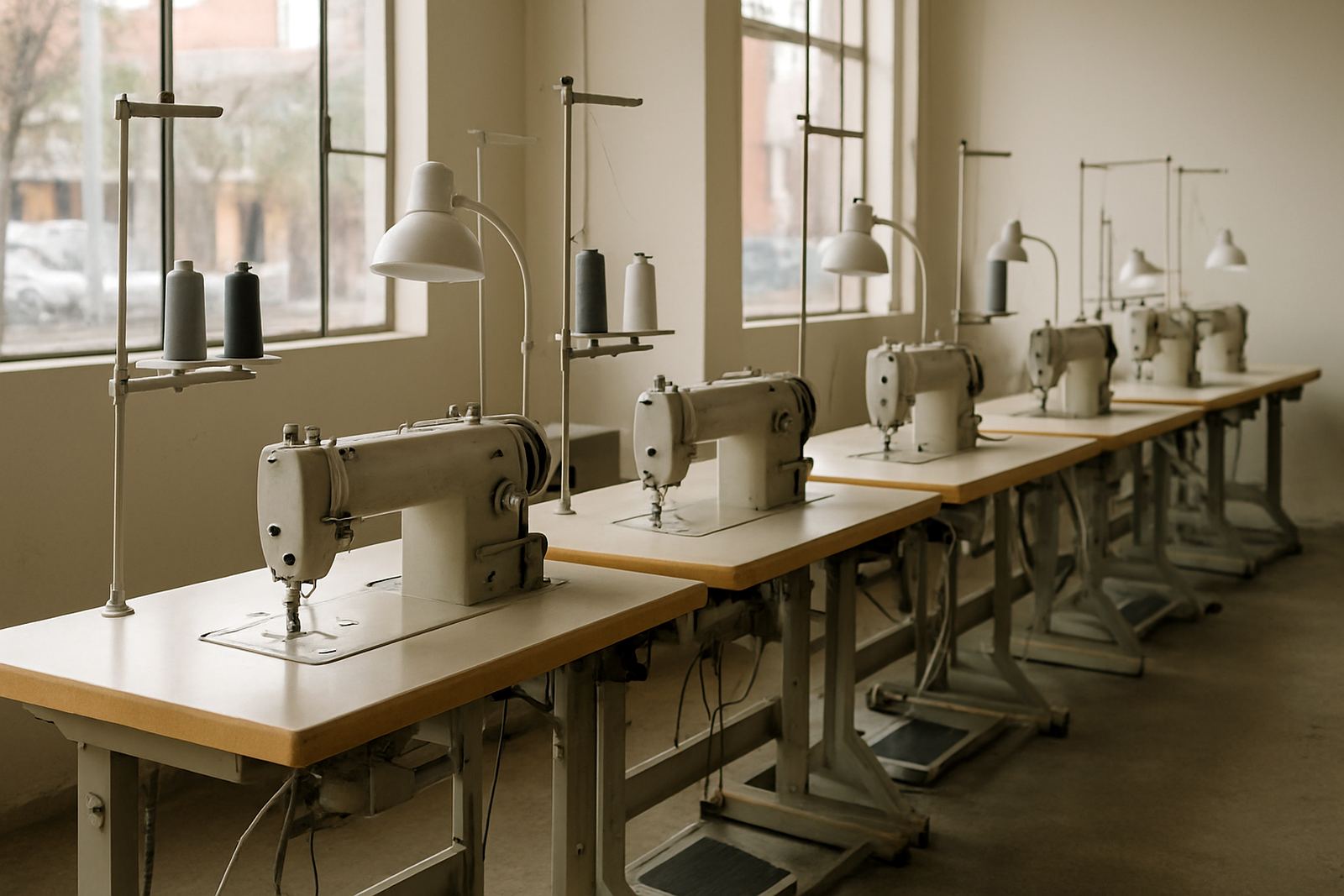
When we set up presses and service them, we often see that the best workrooms plan pressing alongside sewing rather than after it. That means placing the station near the machine line, giving operators enough table space and making sure the press matches the volume of work. For a school uniform maker in Germiston or a small production unit in Pretoria, the right press setup can make a full day’s difference.
- Match the press type to the garment range and output level.
- Allow space for pre-pressing, in-process pressing and final finishing.
- Keep interfacings and trims close so operators do not waste time walking around.
- Check that electrical supply and plugs can handle the machine safely.
A Johannesburg Example That Shows The Difference
A small workroom in the CBD was sewing shirts and skirts for local schools and retail orders. The stitching was good, but the garments were coming back with flat collars, uneven hems and seams that looked bulky. The team thought the issue was the sewing machine settings. In fact the main problem was pressing. The iron was not heating evenly, the board was too small and operators were skipping press stages to save time.
After adjusting the pressing station, checking the equipment and retraining the operators on when to press, the finish improved quickly. Collars sat neater, side seams lay flatter and the garments looked more consistent from piece to piece. It was not a big change in machinery, just better control of the steps already happening in the room. That is often how good pressing works, small corrections with a clear effect.
When A Pressing Problem Needs Workshop Attention
If your press is leaving marks, not bonding fusibles properly or taking too long to recover heat, it may need servicing rather than another quick adjustment. The same goes for pressing stations with leaking steam, uneven plates, worn pads or weak pressure. These issues waste time and can damage cloth, especially in a busy factory or school uniform room where there is no space for repeat work.
For businesses across Johannesburg CBD, Alberton, Randburg, Soweto and Pretoria, we help with setup, service and repairs for pressing equipment and related sewing room machinery. The goal is simple: better results with less stoppage. When pressing works properly, the whole garment line runs cleaner, faster and with less rework, and that shows in the final piece every time.