

Start with the machines that use power most often
Most sewing rooms do not lose money only on big machines. A few watts here and there, left running for long hours, can push up the monthly bill more than people expect. The first step is to look at which machines are switched on for the longest periods, then decide which ones must run continuously and which ones can be switched off between jobs.
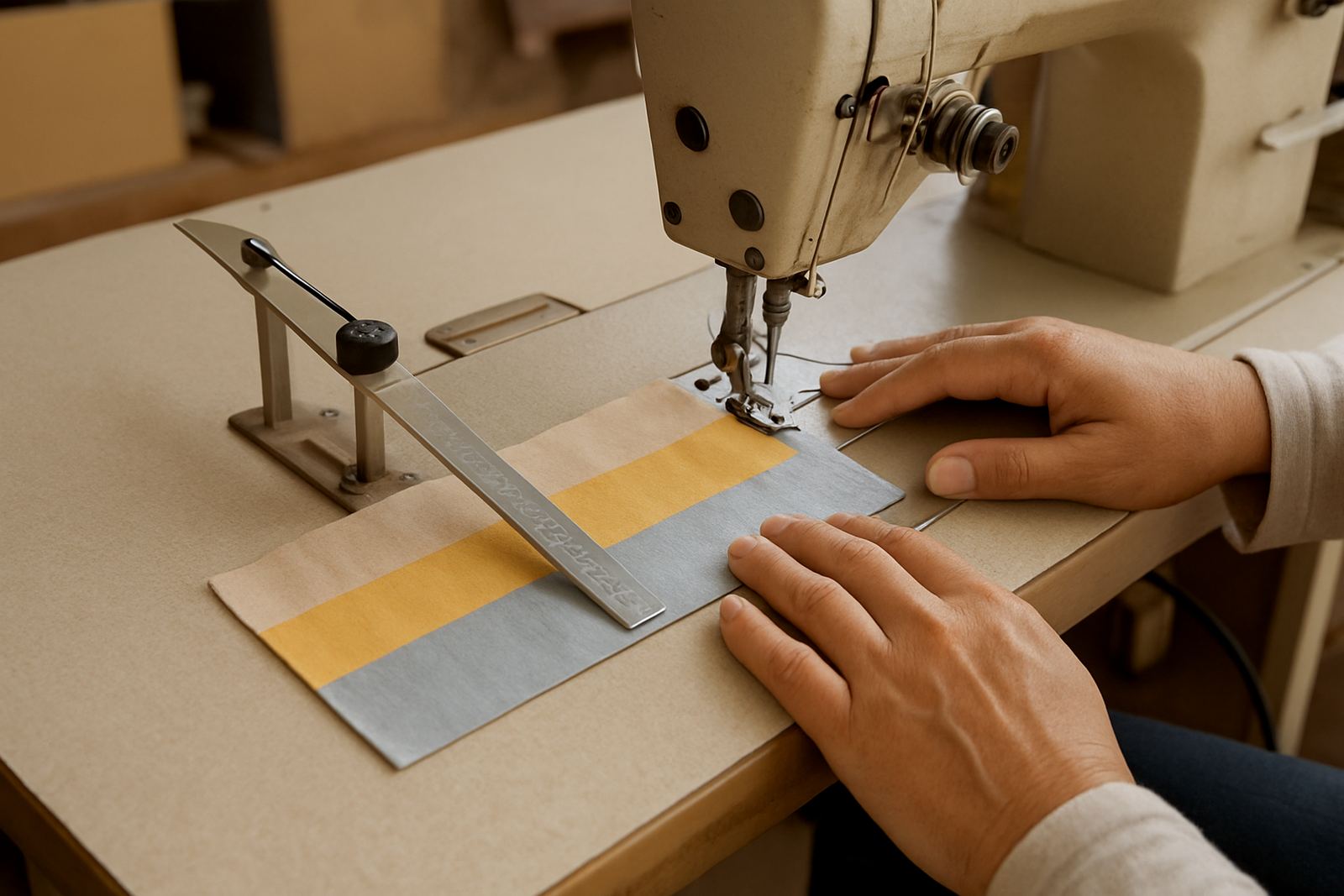
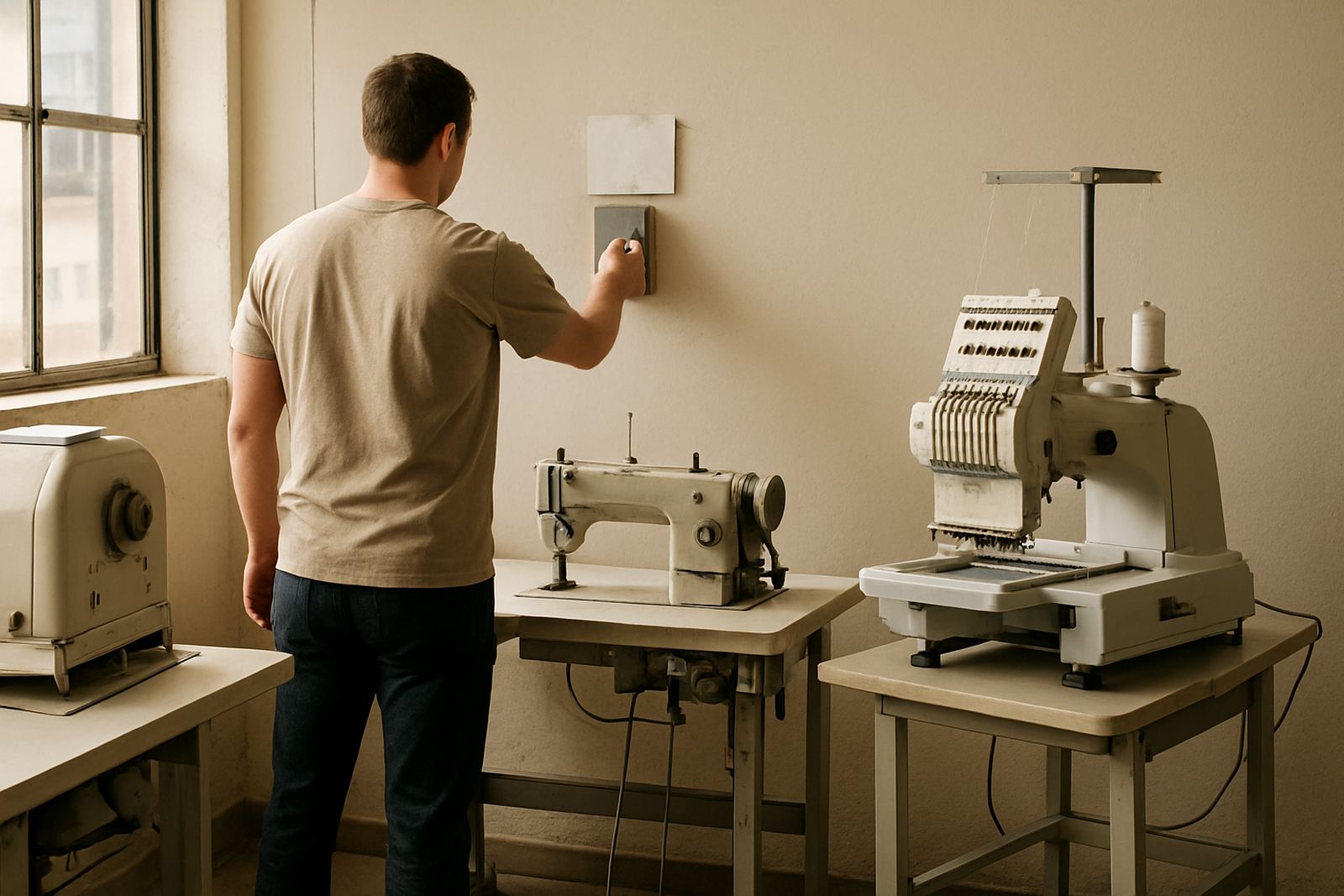
Industrial straight stitch machines, overlockers, coverstitch units and embroidery machines all use electricity differently. A machine that sits in one place for a full shift and only works in short bursts may be a good candidate for stricter switching habits. In a small workroom in Fordsburg, for example, the biggest savings often come from turning off idle machines during cutting, measuring or stock handling, not from changing the whole setup at once.
It also helps to keep a simple room list of each machine, its purpose and whether it should be on standby, switched off or fully powered down at the end of the day. That makes training easier for new operators and reduces confusion when the room is busy.
- Identify machines that sit idle for more than 10 to 15 minutes at a time.
- Switch off equipment during meal breaks and load shedding outages.
- Keep a written end of shift power checklist by the exit.
Choose motors that suit the work, not just the machine
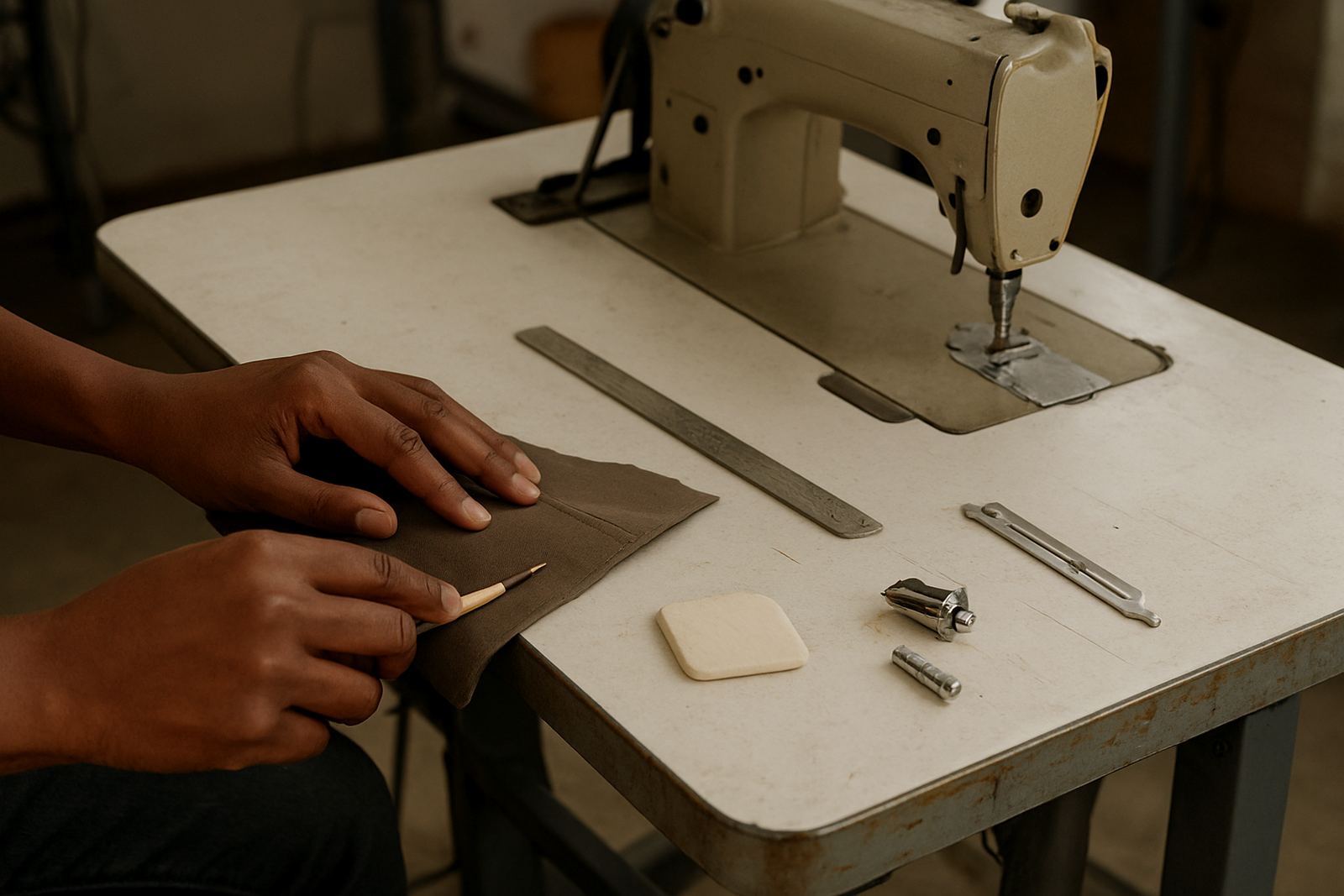
Motor choice can make a real difference to energy use and running comfort. Older clutch motors are known for being durable, but they often draw more power than needed when operators are doing lighter work. In many cases, a more efficient motor setup can reduce waste and also make sewing less tiring, especially for long shifts.
For factories in Germiston or Pretoria that run mixed production, the best option is not always the same across every station. A heavy seam on dense fabric may need one setup, while a school uniform line or alteration room may be better served by a lighter, more economical motor. It is worth matching the motor speed and torque to the job instead of running every machine at full output all day.
Motor conversions also need proper timing and belt adjustment. If a machine is under strain, operators often compensate by pressing harder or slowing down. That can waste time and create poor stitch quality. A correctly set machine uses less effort and usually gives cleaner work, which means fewer reworks and less power wasted on corrections.
- Ask whether the motor matches the type of fabric and stitch speed you use most.
- Check for unnecessary noise, heat or vibration, which can signal wasted energy.
- Have conversions tested after fitting so the machine runs at the right speed.
Use startup and shutdown habits to reduce waste every day
Many power saving gains come from what happens before and after sewing, not during it. Machines left on overnight or through lunch break continue to draw power, and in some workrooms they are powered up again before anyone has reached the station. That habit costs money and adds wear to switches, lights and motors.
A clear opening and closing routine helps. In Johannesburg CBD, where many workrooms are in shared premises and municipal supply interruptions can happen without much warning, orderly shutdowns matter even more. If the room is being closed for the evening, switch off machines at the unit, not only at the wall socket where possible, and make sure heated equipment such as fusing presses and pressing stations are not left on standby unnecessarily.
It is also wise to group work by process. If several sewing jobs can be completed before switching to embroidery or pressing, the room avoids repeated warm up periods. That does not only save power, it also keeps operators organised and reduces downtime between tasks.
- Turn off lights over unused work stations.
- Do not leave needles, motors or heating equipment running during breaks.
- Use one person to do the final power check each day.
Keep fusing presses and pressing stations tightly controlled
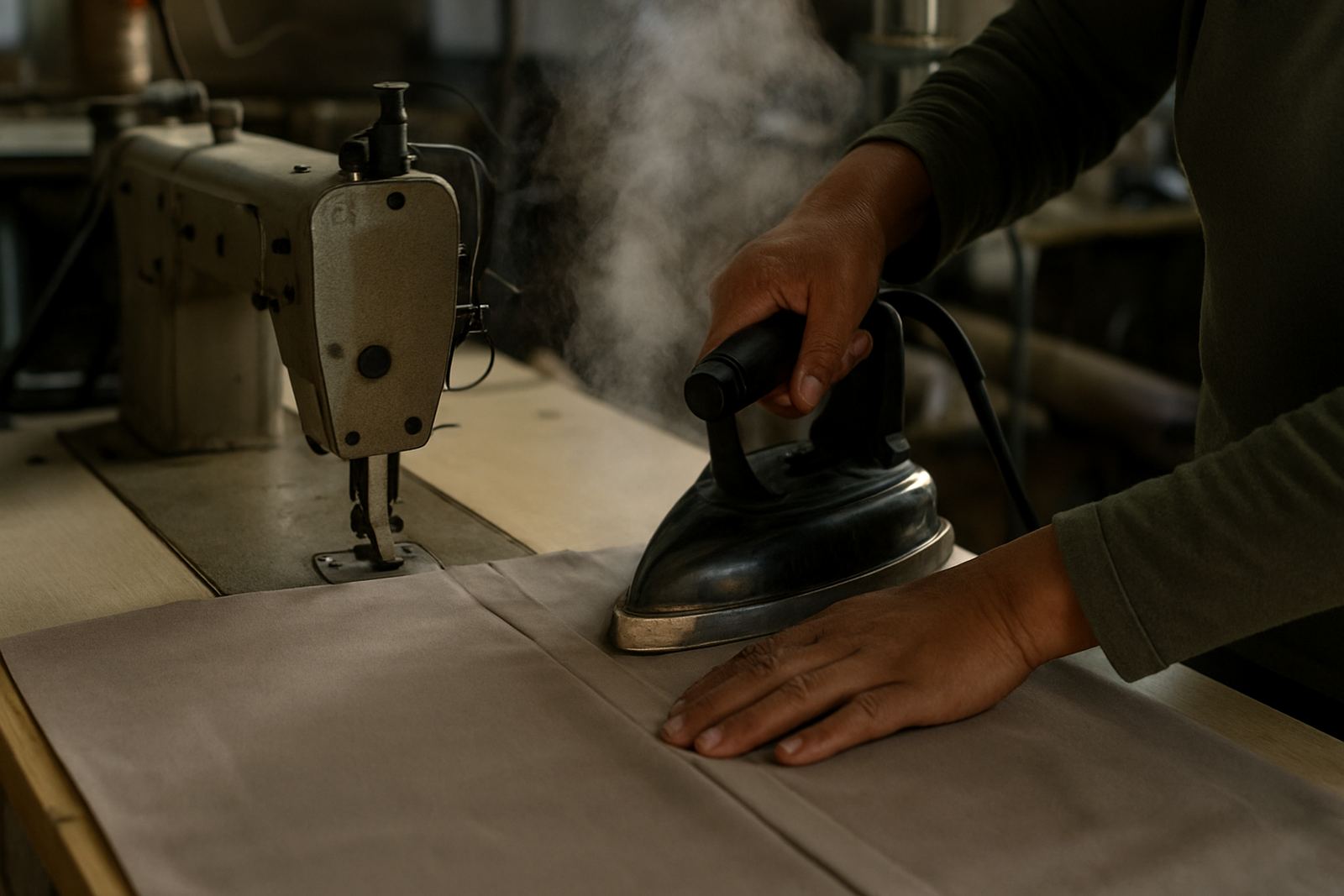
Heating equipment can become one of the biggest power users in a small clothing operation. A fusing press or pressing station that is set too hot, left on too long or repaired late can waste electricity every day. The same is true for equipment that is used for short jobs but remains warm for hours afterwards.
The setting should match the material and production pace. If a shop in Soweto or Alberton only uses a press in set batches, it may be better to plan those jobs together instead of keeping the press heated for the whole day. The operator should also check that the pressure, temperature and dwell time are correct. Overheating does not just waste power, it can damage fabric and cause rejects.
Routine service is important too. Loose wiring, worn elements and poor thermostat control can all increase the power draw of heating equipment. If a press takes too long to reach temperature or seems uneven across the platen, it should be checked before the problem grows. That is cheaper than paying extra on electricity every month while the machine still underperforms.
- Group pressing jobs into batches where possible.
- Check temperature control regularly, especially before busy production days.
- Service heating equipment if it runs unevenly or takes too long to heat.
Use embroidery and household machines more efficiently at home and in small shops
Power saving is not only for large factories. Home sewers and small tailoring shops can also cut costs by using machines in a more disciplined way. A computerised embroidery machine, for example, should be switched on only when the design is ready, the thread is set and the operator is prepared to run the job without interruption. Leaving it idling while checking patterns or waiting for fabric wastes power and time.
Household machines used for alterations, craft work or school uniforms can also be kept efficient by using the correct needle, thread tension and presser foot for the job. When a machine is fighting thick fabric or a poor setup, the operator usually slows down and repeats stitches. That means more running time for the same piece of work.
A practical example from a Mayfair workroom is simple. The owner separated quick repairs from embroidery work, then scheduled the embroidery jobs in one block after lunch. That reduced start up cycles and helped the team avoid leaving the machine on while waiting for the next order. The result was steadier work and lower monthly electricity use.
Train the team and inspect the room before the bill climbs
Power saving only works if the whole team follows the same habits. One operator switching off properly and another leaving a machine on all afternoon can cancel the savings. That is why short training sessions are worth the time. Staff should know how to shut down each machine, when to power down between jobs and what warning signs mean a machine is using more electricity than it should.
Workroom planning can also reduce power waste. Machines placed too close together can cause poor airflow and extra heat build up. Poor cable runs can lead to unsafe plugs, while crowded stations slow movement and leave equipment idle longer than needed. A cleaner layout often helps the whole room run better, especially in older premises where the supply points were not designed for current production.
If the power bill keeps rising, compare it with production levels, not just with the previous month. Sometimes the issue is more downtime, more rework or a machine that needs service. In that case, fixing the mechanical issue may save more than any single switching rule. The best approach is to keep the equipment maintained, the team trained and the shutdown routine clear.
- Review monthly power use alongside output, not in isolation.
- Keep machine servicing on schedule to avoid waste from poor running.
- Update the team when production methods change.