

What an alteration shop needs on a busy day
An alteration shop works differently from a full clothing factory. You may only have one or two people at the machines, but the work changes all day long: trouser hems, school skirts, zip replacements, waistband take-ins, sleeve shortening and emergency repairs for weddings, interviews or uniforms. That means you need machines that are easy to thread, reliable under load shedding, and quick to set up between jobs.
In Johannesburg CBD and the surrounding areas, many small shops run in tight spaces and share a counter with fitting, marking and packing. The right setup should let you finish work neatly without crowding the floor or making the operator walk back and forth for every task. Good lighting, strong tables and proper thread storage matter just as much as the sewing machine itself.
- One straight stitch machine for general alterations
- One overlocker for clean inside seams and finishing
- A coverstitch or hemming machine if you do knitwear and stretch hems
- A press or ironing station for crisp results before and after sewing
- Basic attachments for zips, edges and topstitching
Compact machine packages that suit small shops
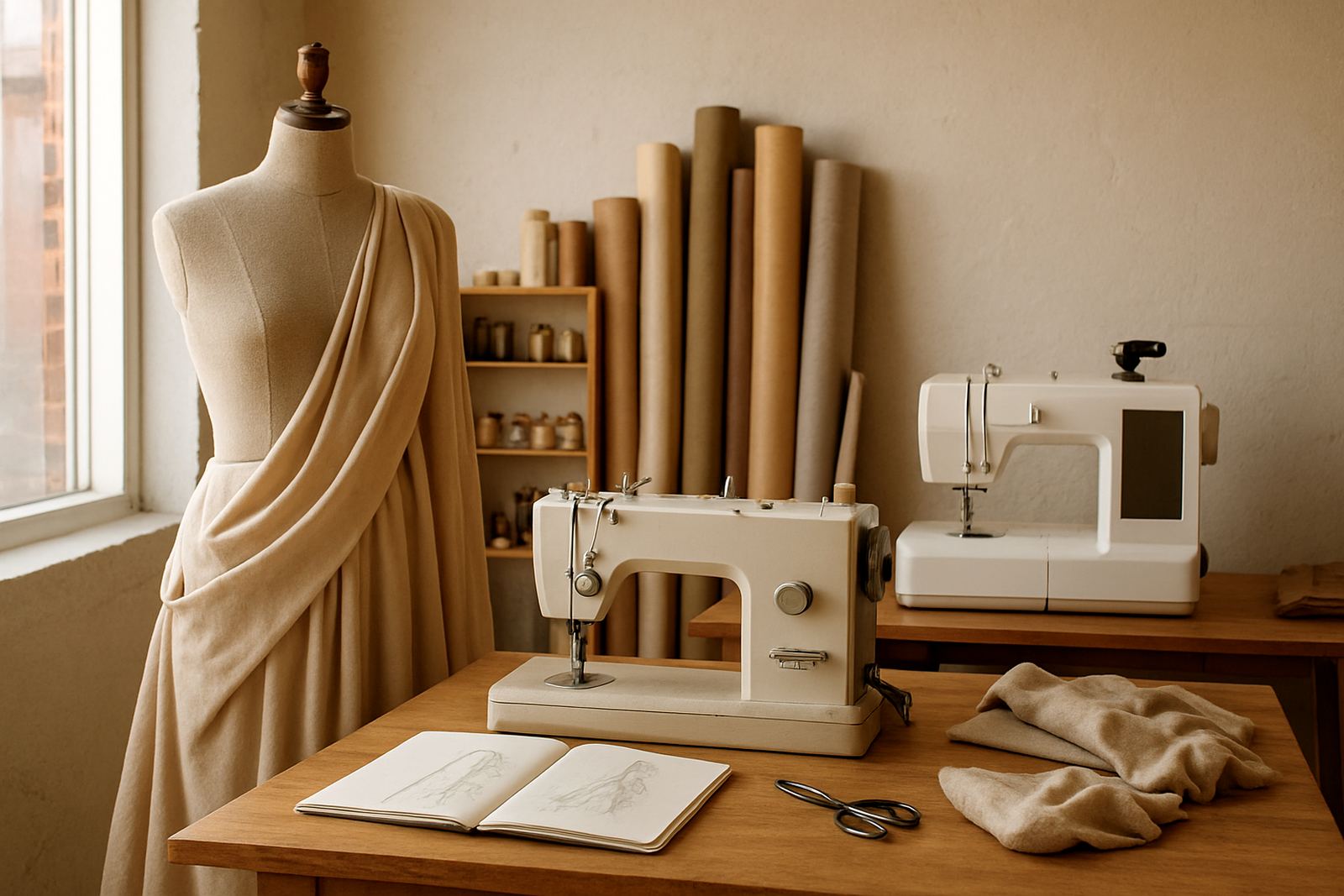
For most alteration shops, a compact package is the best place to start. The aim is not to overload the room with equipment you will not use every day. We often help clients choose between a simple two machine setup and a fuller workshop package depending on the volume of school uniforms, bridal work, repairs and corporate clothing they handle.
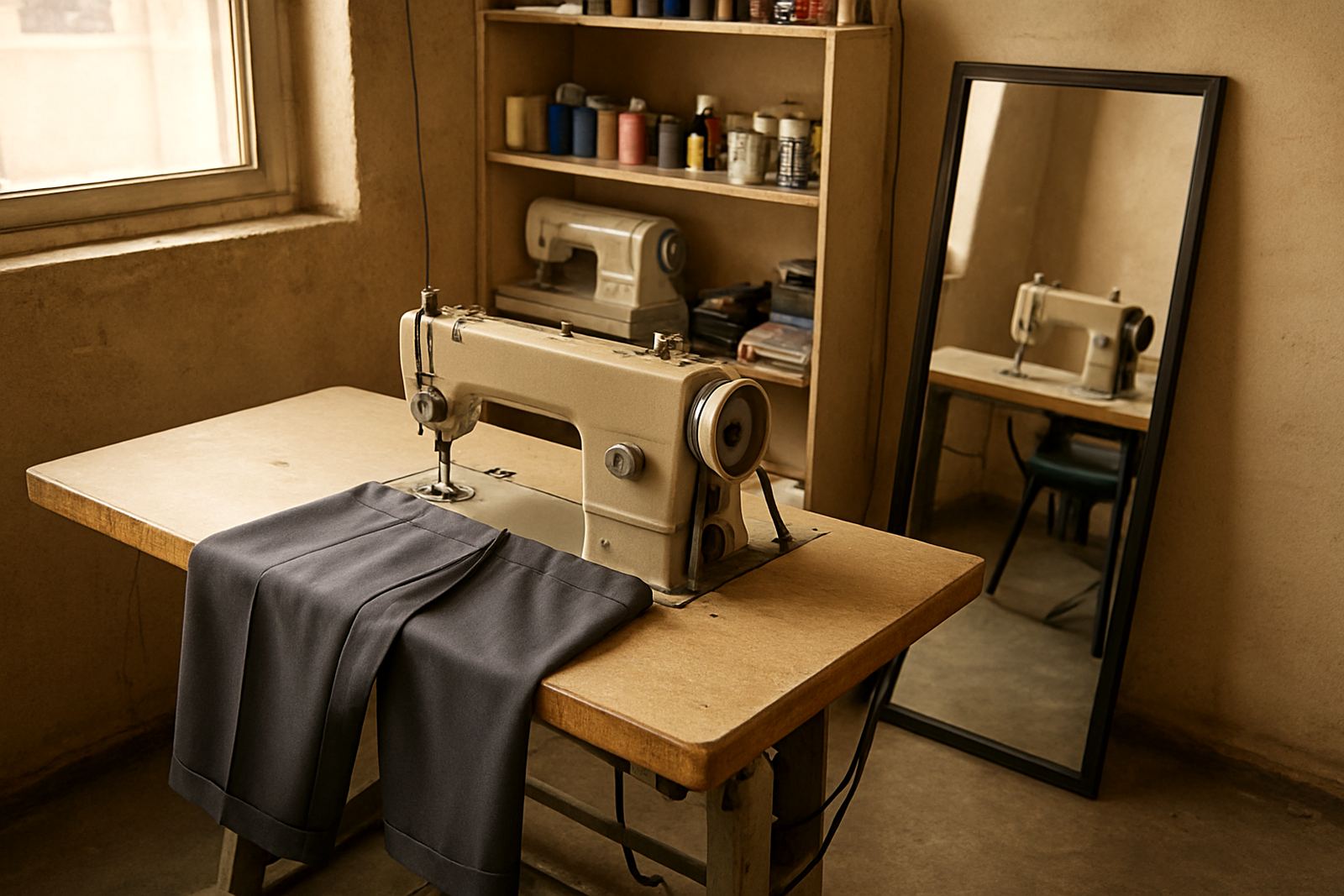
A typical starter set can include a household machine for light repairs, but many shops soon move to industrial units because they sew faster and hold up better to daily use. Industrial straight stitch machines are especially useful for hems and seam repairs because they give you better control and fewer skipped stitches. If you work with stretch garments, a dedicated machine for that fabric saves a lot of time and rework.
- Industrial straight stitch machine for everyday alterations
- Overlocker for edge finishing and side seams
- Optional buttonhole or zigzag machine for varied garment work
- Pressing station with steam iron and board
- Thread stand, scissors, clips, needles and spare feet
We also source spares, attachments, threads and haberdashery so you can keep the shop moving without waiting days for small items. That matters when a zipper foot or needle plate goes missing on a Friday afternoon.
Layout advice for a small alteration room
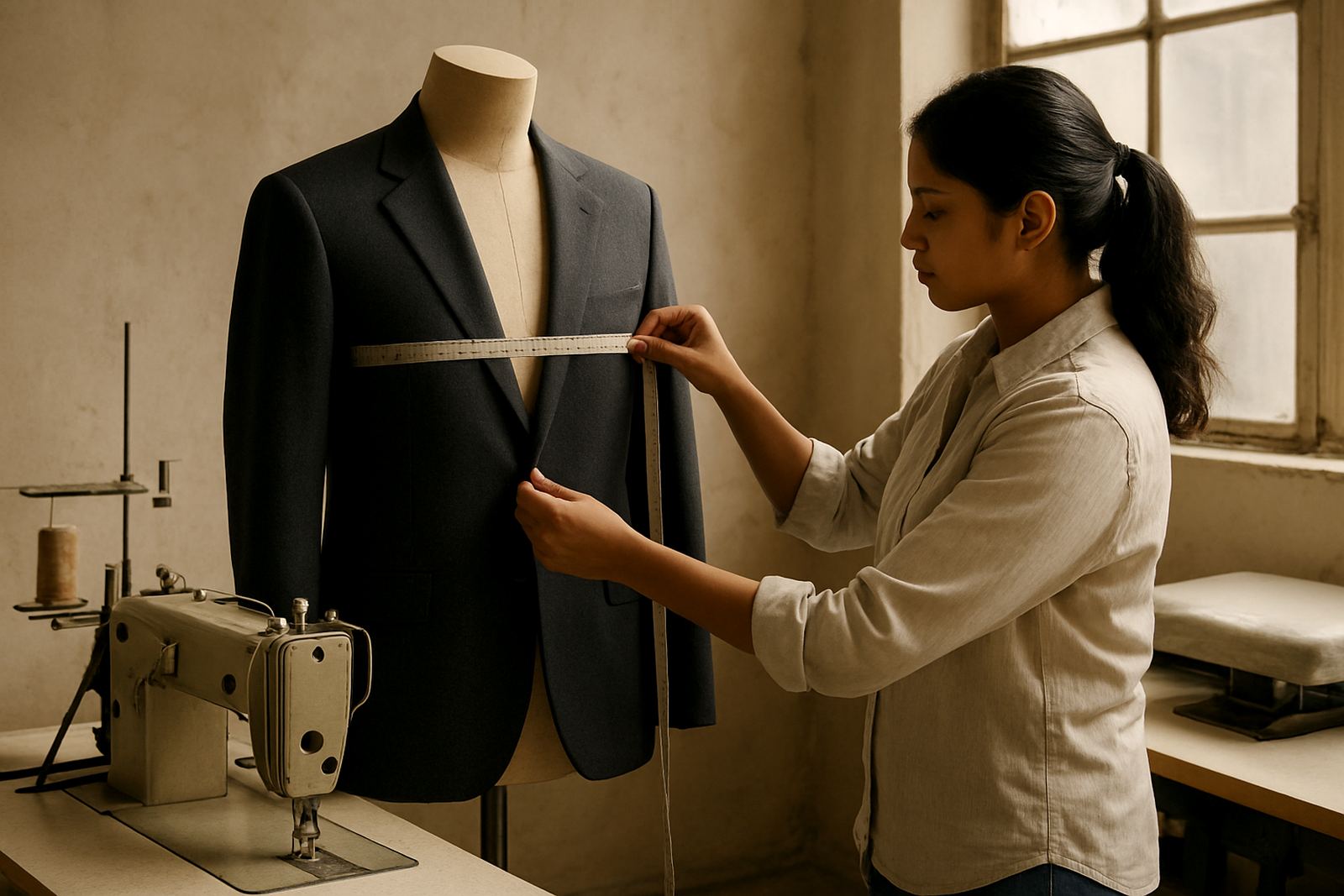
A good alteration room should flow in one direction. The customer comes in, the garment gets measured and marked, then moved to the sewing position, then pressed and collected. If the room is planned badly, operators keep crossing paths, garments get mixed up and the counter becomes cluttered.
For a small shop, place the sewing table near power points and leave enough space behind the operator for chair movement and fabric handling. Put the pressing station close to the sewing area so the garment can be checked quickly between steps. In areas like Fordsburg, Mayfair and Soweto, many businesses work in older buildings with limited space, so wall storage and compact tables help a lot.
- Keep the counter separate from the sewing area if possible
- Store thread, zips and notions in labelled containers
- Leave a clear path for garment movement from fitting to finishing
- Use strong lighting over the sewing and pressing points
- Plan sockets for machines, irons and any backup power setup
If you are working in a building with unstable power, we can advise on motor conversions and practical backup choices so the machines restart cleanly after outages. That is important for shops serving office workers and schools who expect quick turnaround.
Common mistakes that slow down alterations work
Many new alteration shops start with whatever machine is available, then struggle when the work gets busier. A household machine can handle light jobs but it may struggle with thick denim, lining layers, school blazers or repeated daily use. Another common mistake is buying machines without checking whether parts and service are available locally.
Incorrect setup causes its own problems. If the machine tension is off, hems pucker. If the needle type is wrong, stretch fabrics skip. If the machine is not timed properly, the operator wastes time redoing seams. These issues seem small but they eat into your profit quickly.
- Buying the wrong machine for thick or stretch fabrics
- Skipping routine servicing until the machine breaks down
- Using poor quality thread that snaps or sheds lint
- Not training staff on basic threading and tension settings
- Ignoring the need for a proper pressing station
Our workshop team can handle routine servicing, timing adjustments, motor conversions and on site repairs when a shop cannot afford downtime. For busy alteration shops in Germiston, Pretoria or Alberton, that support can make the difference between a full order book and lost customers.
Budget ranges for an alteration shop setup
Budgets depend on whether you are opening a basic repairs counter or a full clothing alteration service. The price range below is a practical guide for shops in Johannesburg CBD and nearby areas. It helps with planning before you commit to stock, fittings and rent.
A simple entry setup with one industrial straight stitch machine, one overlocker and a basic pressing station can start from around R18 000 to R35 000 depending on condition and accessories. A more complete package with additional specialty machines, spare parts, tables and training can range from about R40 000 to R85 000. Larger workrooms that also handle schoolwear, corporate uniforms or bridal alterations may spend more, especially if they need multiple stations.
- Starter alteration setup: R18 000 to R35 000
- Mid range shop package: R40 000 to R85 000
- Higher capacity workroom: from about R90 000 upward
- Allow extra for tables, lighting, thread and initial spares
We can help you phase the purchase so you begin with the most important equipment first, then add more machines as the work grows. That approach suits many owner operated shops that need to keep cashflow steady.
Service, training and support for ongoing work
Alteration shops do best when the equipment is maintained regularly instead of waiting for a breakdown. Daily use in busy areas means lint build up, needle wear and tension issues will happen. Regular servicing keeps the machine quieter, cleaner and more predictable.
We provide machine installation, workshop repairs, on site repairs, routine servicing, embroidery setup where needed, parts sourcing and operator training. If your shop adds embroidery names, badges or school logos later, we can advise on a suitable machine path without disrupting your alteration workflow.
Our Johannesburg CBD base supports clients across Gauteng including Fordsburg, Mayfair, Soweto, Germiston, Pretoria, Randburg and Alberton. Whether you are opening a small fitting room or upgrading an existing shop, we help you choose equipment that suits the garment types you handle every day.
For many alteration businesses, the goal is simple: sew fast, finish neatly and keep customers coming back. The right machine package makes that possible without overcomplicating the room.