
What church sewing groups usually need first
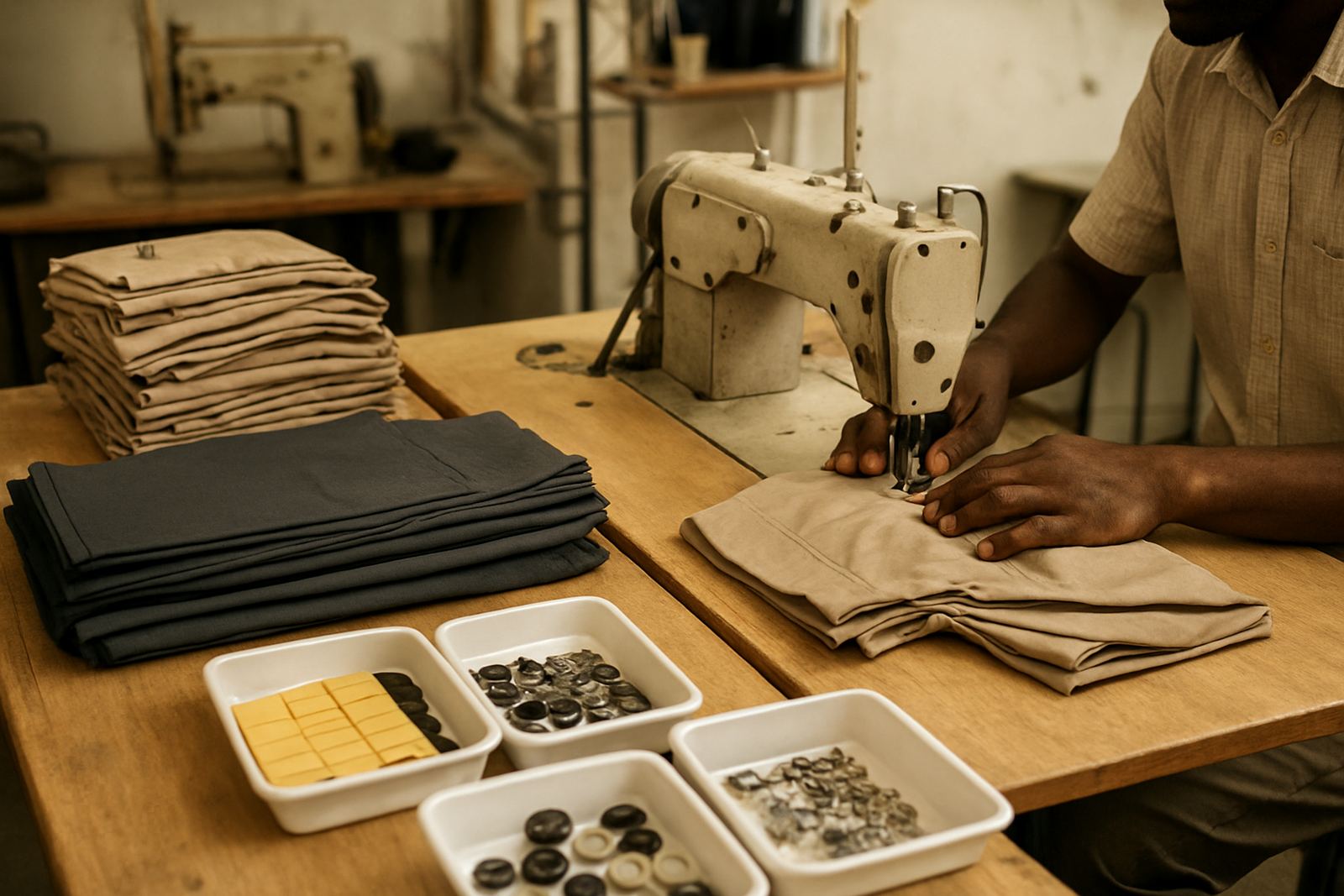
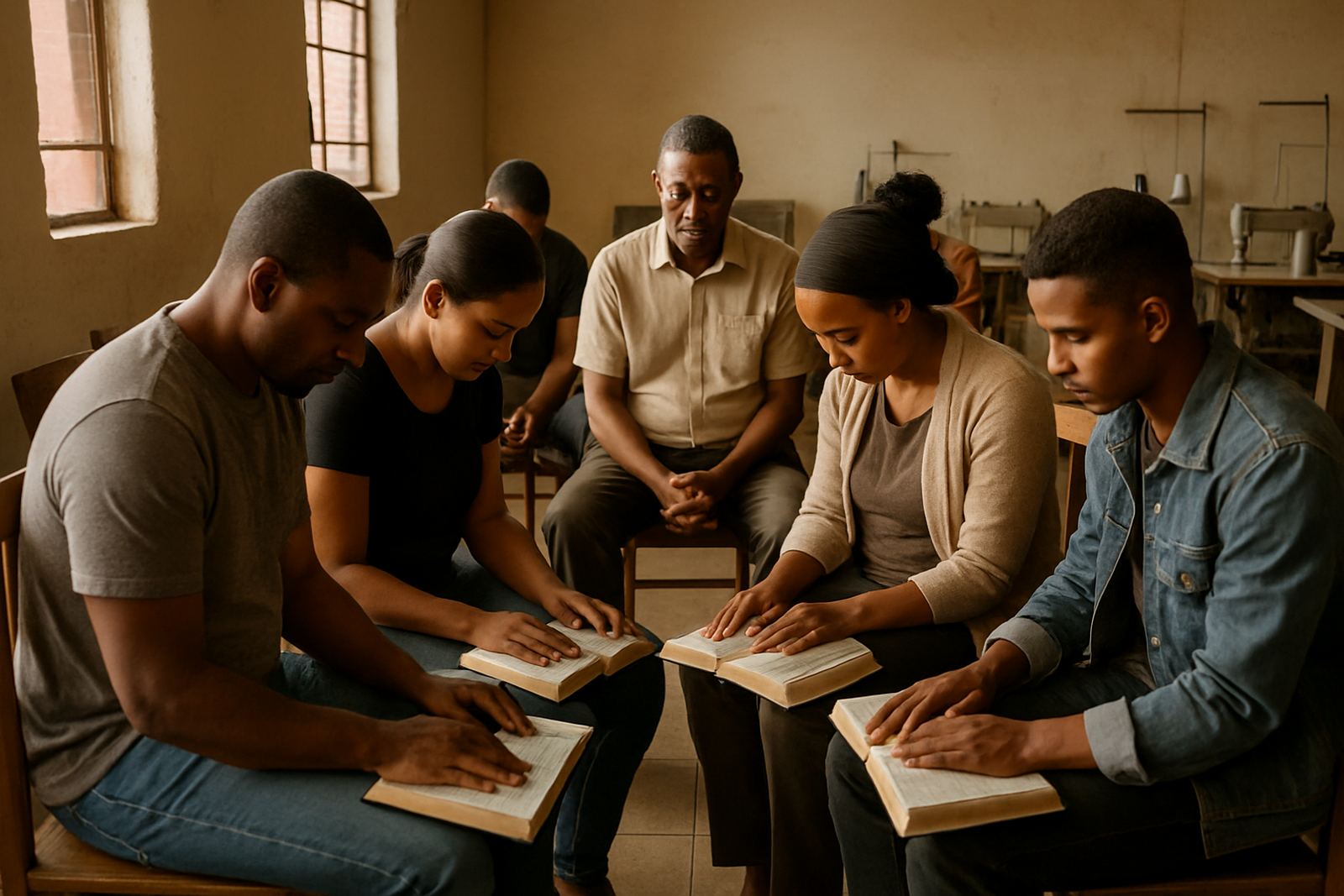
Most church sewing groups start with a clear purpose: making school uniforms, dresses, choir robes, counselling items, curtains or care packs. Some groups sew one day a week, while others run skills programmes for youth, women or unemployed members. The right setup depends on how many people will sew at once and how much output you need each month.
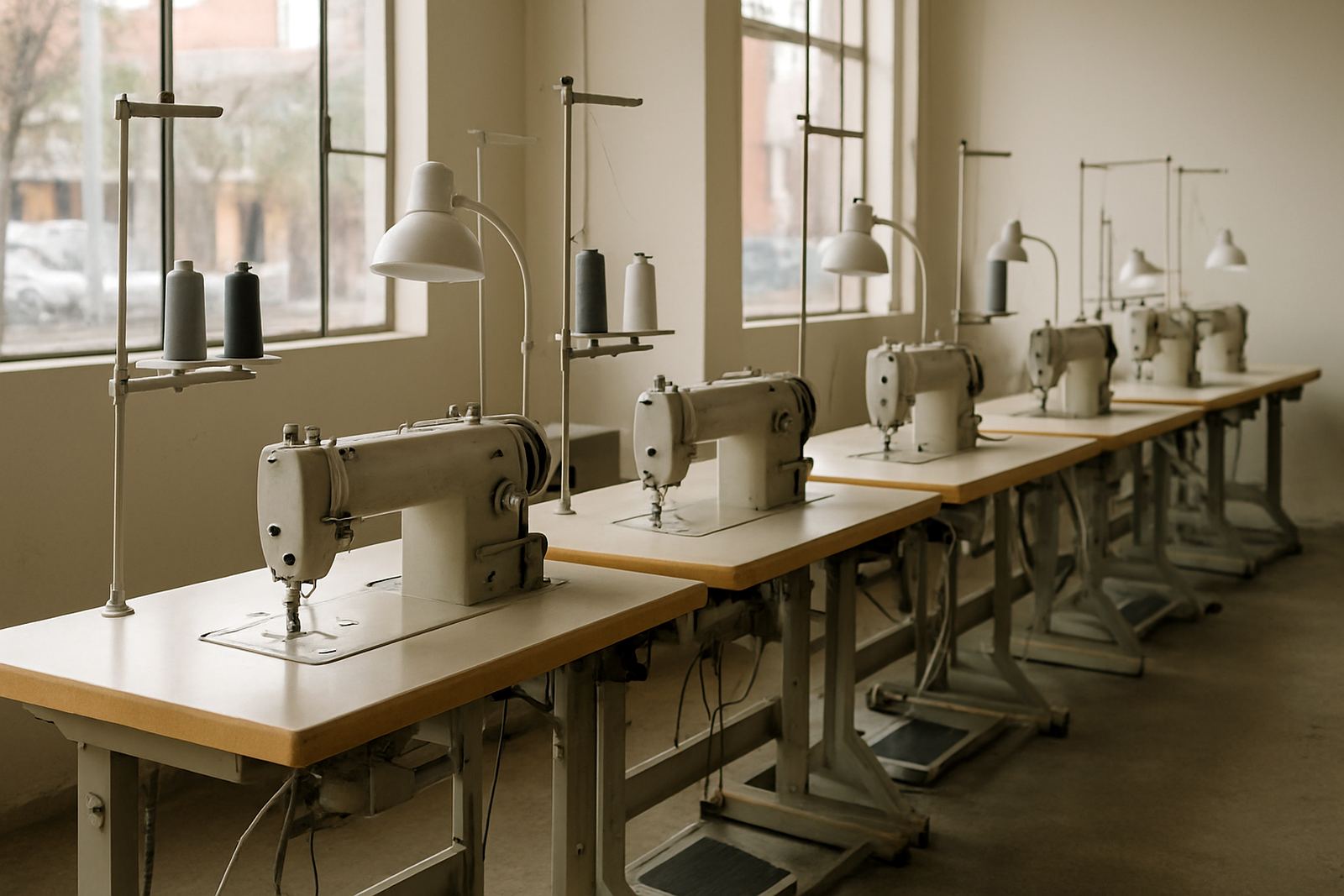
For smaller church rooms in Soweto, Fordsburg or Mayfair, it often makes sense to begin with a few dependable industrial straight stitch machines and a couple of household machines for lighter work. If the group is already experienced, a basic overlocker and one embroidery machine can help with finishes and badges. We also see churches in Gauteng planning for both daytime training and weekend production, so the room has to be easy to use and easy to lock up.
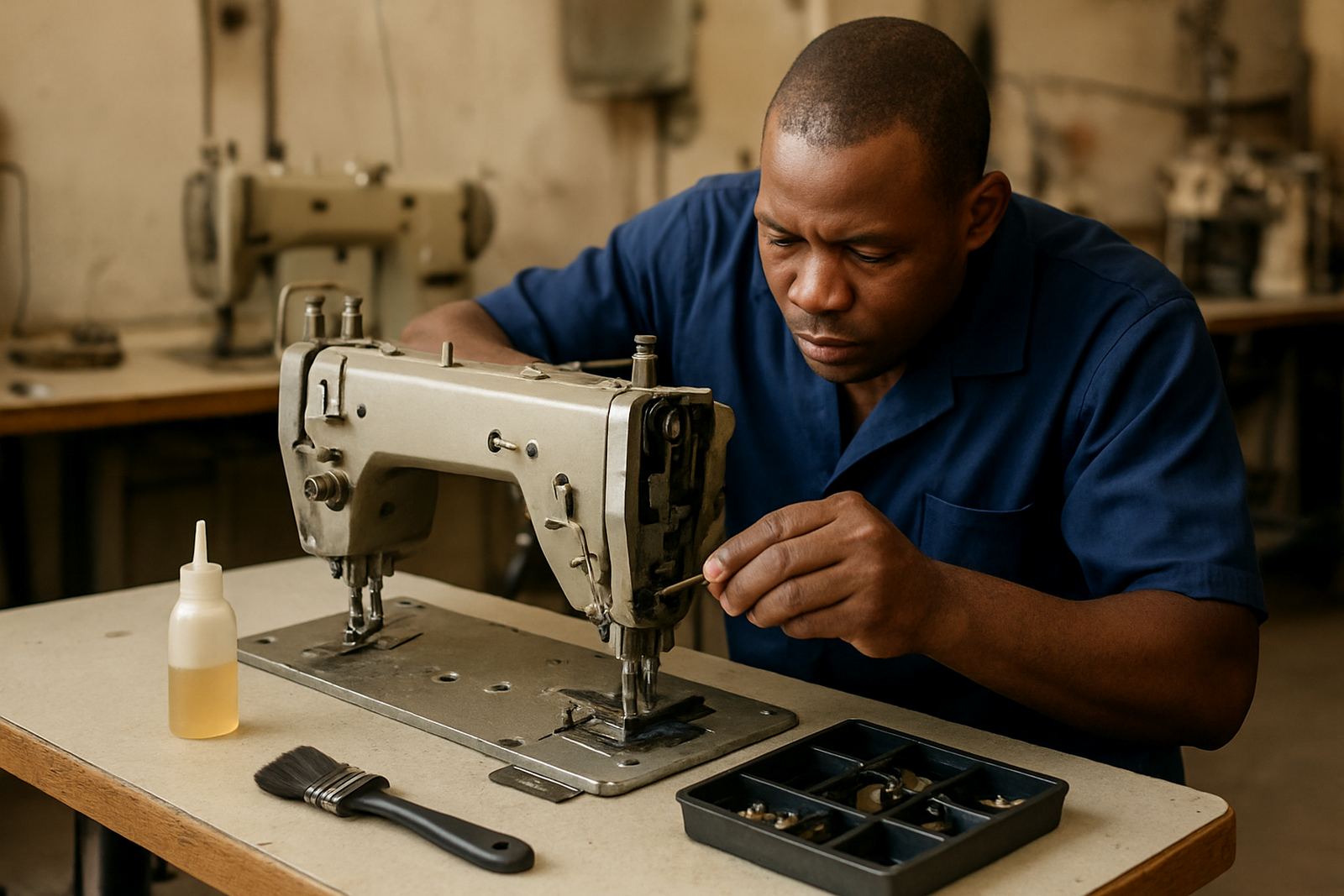
If you are starting with donated machines, it is worth checking whether they are still worth repairing. A machine that has been standing for years may need timing work, motor conversion or a full service before it can be used safely.
A sensible equipment mix for community sewing
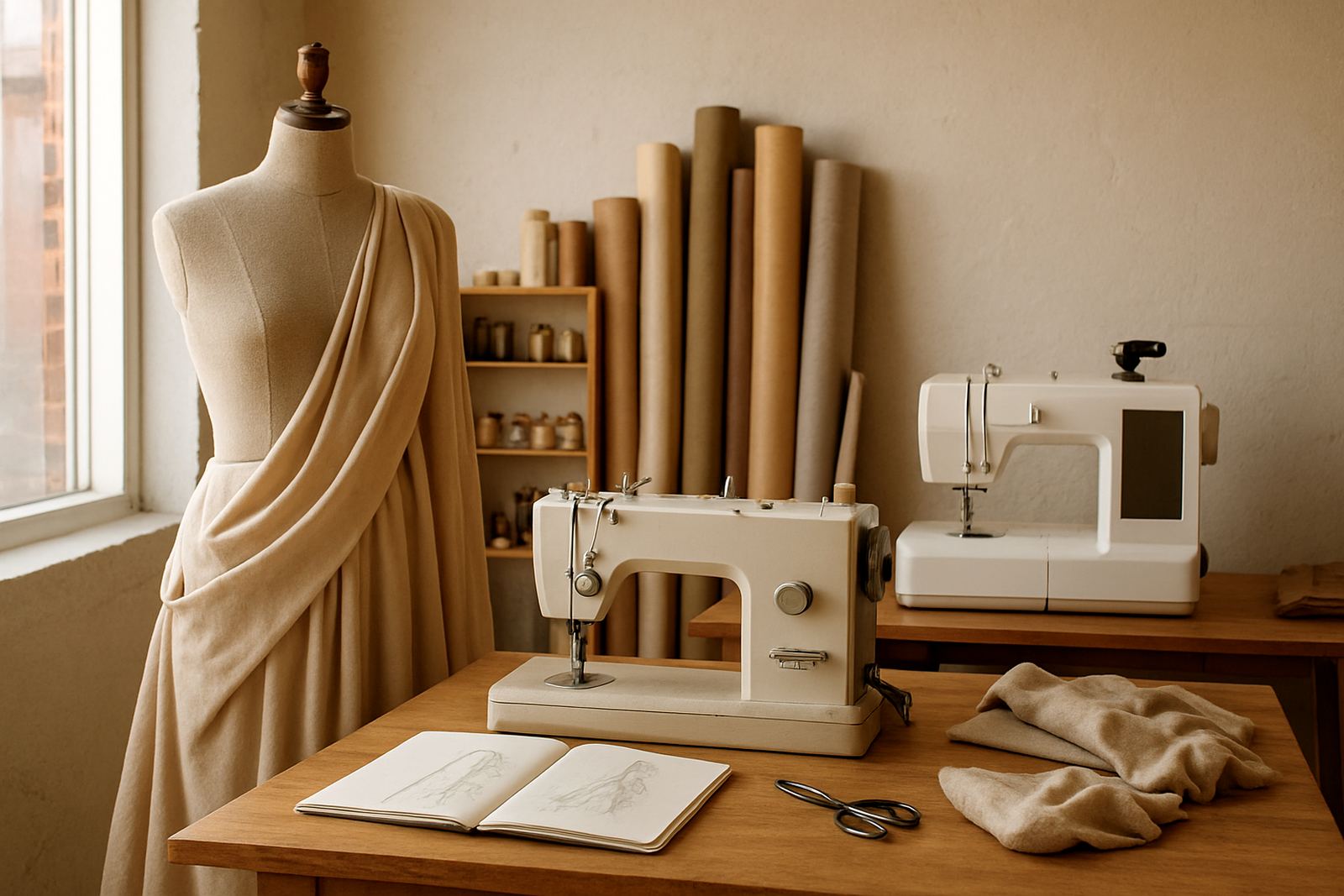
There is no need to buy every machine at once. A practical church sewing room usually grows in stages. The first stage should focus on reliable stitching, pressing and basic cutting, then you add specialist equipment later if the programme expands.
- 2 to 4 industrial straight stitch machines for main sewing work
- 1 overlocker for finishing seams neatly
- 1 or 2 household machines for alterations, light fabrics and beginner training
- 1 fusing press or pressing station for collars, cuffs and uniform work
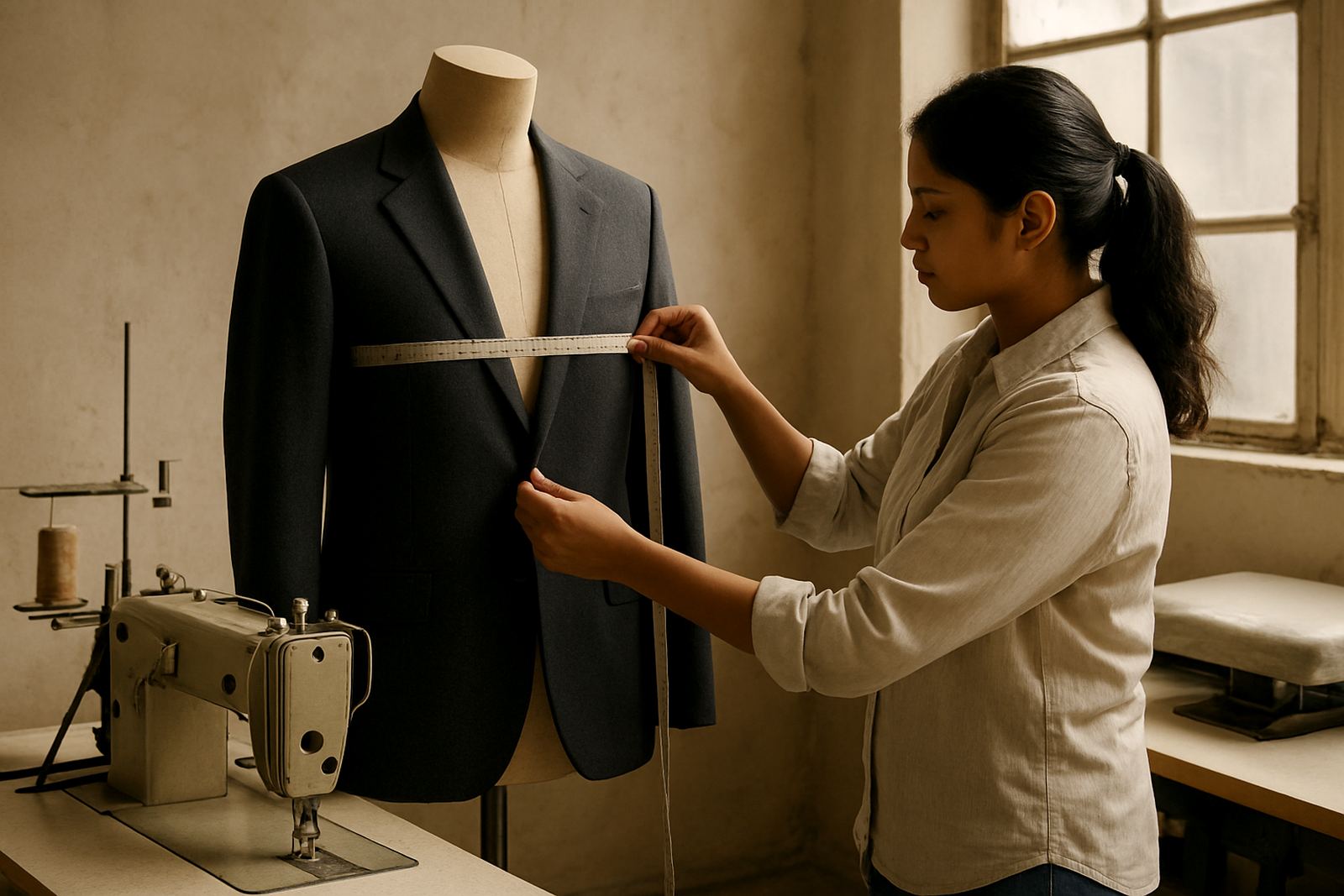
- Basic cutting tables, shears, rulers, tape measures and marking tools
- Thread, needles, bobbins, oil and spare feet for regular use
If your church does embroidery for badges, crests or names, a computerised embroidery machine can be useful, but only if someone in the group can manage setup and maintenance. Naledi Khumalo usually advises groups to keep embroidery simple at first, then build up the design library once the team understands the machine.
For bigger rooms or schools linked to church outreach, a second pressing station can save time. Pressing is often overlooked, but it makes a big difference to the final finish and the speed of the workroom.
Planning the room so volunteers can work safely
A good layout matters just as much as the machines. Church halls and spare classrooms are often used for sewing, but they are not always set up for work benches, plug points and storage. We look at the room size, the number of operators and where the light and power points are before recommending any installation.
In areas with load shedding or unstable power, it helps to plan for saved work and safe shut-down. Machines should be placed where the operator can stop quickly without pulling cords across walkways. If the room is near a coast or has damp walls, protective covers and regular cleaning help prevent rust and dust build-up.
Try to keep cutting, sewing and pressing in separate zones if possible. That keeps the room calm and reduces mistakes.
- Place machines near natural light where possible
- Leave enough space behind each machine for fabric handling
- Keep thread, needles and small parts in closed storage
- Do not crowd extension cords under tables
- Use one table for cutting only, not for packing and sewing too
Common mistakes church groups make with sewing projects
One of the biggest mistakes is buying too many machines before the group has a clear workflow. Another is using old equipment that has not been checked properly. We also see groups trying to sew thick work like uniforms, bags and upholstery on machines that are only suited to light domestic use. That leads to broken needles, poor stitching and frustration for volunteers.
Another issue is poor training. Even a simple industrial machine needs someone who understands threading, tension, oiling and safe use. If the group changes volunteers often, the training needs to be repeated and written down. Yusuf Patel often reminds church teams that a machine room runs better when one person is responsible for daily checks, even if several people sew.
Common problems include:
- Buying machines without checking spare parts availability
- Using blunt needles and low-grade thread
- Skipping servicing until a machine seizes
- Mixing heavy fabric and light fabric on the same setup
- Leaving machines uncovered in dusty rooms
Budget ranges for a church sewing room
Church sewing budgets vary a lot, especially when the project is funded by donations or small monthly contributions. A very simple starter room with a few serviced machines and basic tools may begin from around R15,000 to R35,000, depending on what is already available. That can suit a small volunteer group doing alterations, repairs and introductory training.
A more active sewing room for uniforms, church items and regular community work may cost around R40,000 to R90,000. This usually includes a better machine mix, a pressing station, spare parts and some workroom planning. If you add embroidery equipment or several new industrial machines, the cost can move above R100,000 quite quickly.
It is often cheaper to repair and reconfigure a few good machines than to replace everything. Motor conversions, timing adjustments and workshop repairs can stretch a budget further, especially if the machines were donated or were previously used in another sewing room.
Support for churches across Johannesburg and Gauteng
We work with church sewing groups across Johannesburg CBD, Fordsburg, Mayfair, Soweto, Germiston, Pretoria, Alberton and Randburg. Some groups bring machines to our Johannesburg CBD base for workshop repairs, while others need on-site setup and training in the room where they sew. For projects with tight deadlines, a practical service visit can save a lot of time.
Our team can help with installation, routine servicing, parts sourcing, embroidery setup, fusing press service and pressing station service. We also assist with operator training and workroom planning, which is useful when a church wants to run a formal skills programme or a community income project. If you are fitting out a new room or fixing an older one, Farah Ismail can help coordinate the enquiry so the right person looks at the job first.
For many church groups, the goal is simple: keep the machines running, keep the room orderly, and keep the work affordable.
When to bring in service before the next project starts
If your church has a new intake of trainees, a winter uniform drive or a Christmas project coming up, do not wait until the last week to check the machines. A quiet service visit before the project starts can pick up worn belts, loose tensions, blunt needles and power faults before they slow the group down. That is especially important where several people share the same machines and nobody wants a stoppage during a busy weekend.
When you are ready to plan the next step, the enquiry form on our contact page is the best way to reach us. Tell us what the church is making, how many people will sew, and whether the room already has machines or needs a full setup. We can then advise on the most practical mix for your budget and your space.