

What fashion designers usually need in the workroom
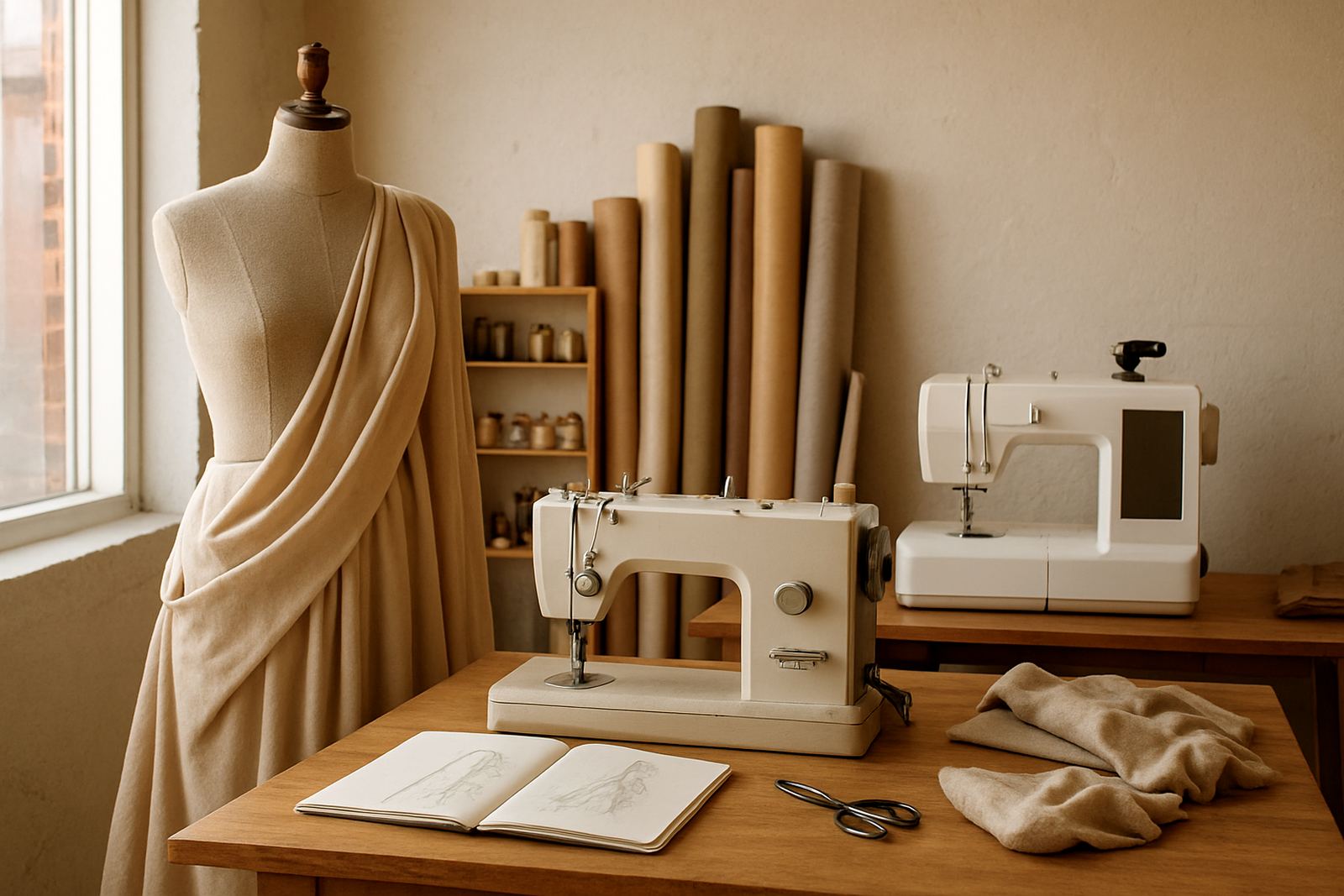
For a fashion studio, the machine mix has to suit changing fabrics, quick pattern tests and the odd rush order. A good starting point is one straight stitch machine, one overlocker, one coverstitch for finishing, plus a zigzag or multi-purpose household machine for light work and alterations. If your label works with trims, appliqué or texture, an embroidery machine or small fusing press can save time on repeat details.
We work with designers in Johannesburg CBD, Fordsburg, Mayfair, Soweto, Germiston, Pretoria, Alberton and Randburg who need equipment that can cope with cotton, denim, satin, lining and stretch fabrics. For sample rooms, the priority is steady stitch quality, easy threading and a layout that keeps cutters, pressers and machinists from crossing over each other all day.
A sensible equipment set for sampling and small runs
The best set-up depends on what you make, but most fashion designers do well with a compact core. It is better to start with the right machines and build up slowly than buy too many items at once and find the room is cramped. We also help with motor conversions, timing adjustments and embroidery setup when the work changes from week to week.
- Industrial straight stitch machine for construction and topstitching
- Overlocker for clean seam finishing and knitwear
- Coverstitch machine for hems and stretch garments
- Household machine for samples, repairs and finer detail work
- Small embroidery machine for logos, names and decorative runs
- Fusing press or pressing station for collars, cuffs and structure
If you are testing designs for market, a compact embroidery machine can do badge work, monograms and sample branding without tying up the main sewing line. For more structured garments, a fusing press helps keep collars, facings and waistbands stable, especially in humid weather where sticky interlinings can behave poorly if stored badly.
How to plan the layout so the room works properly
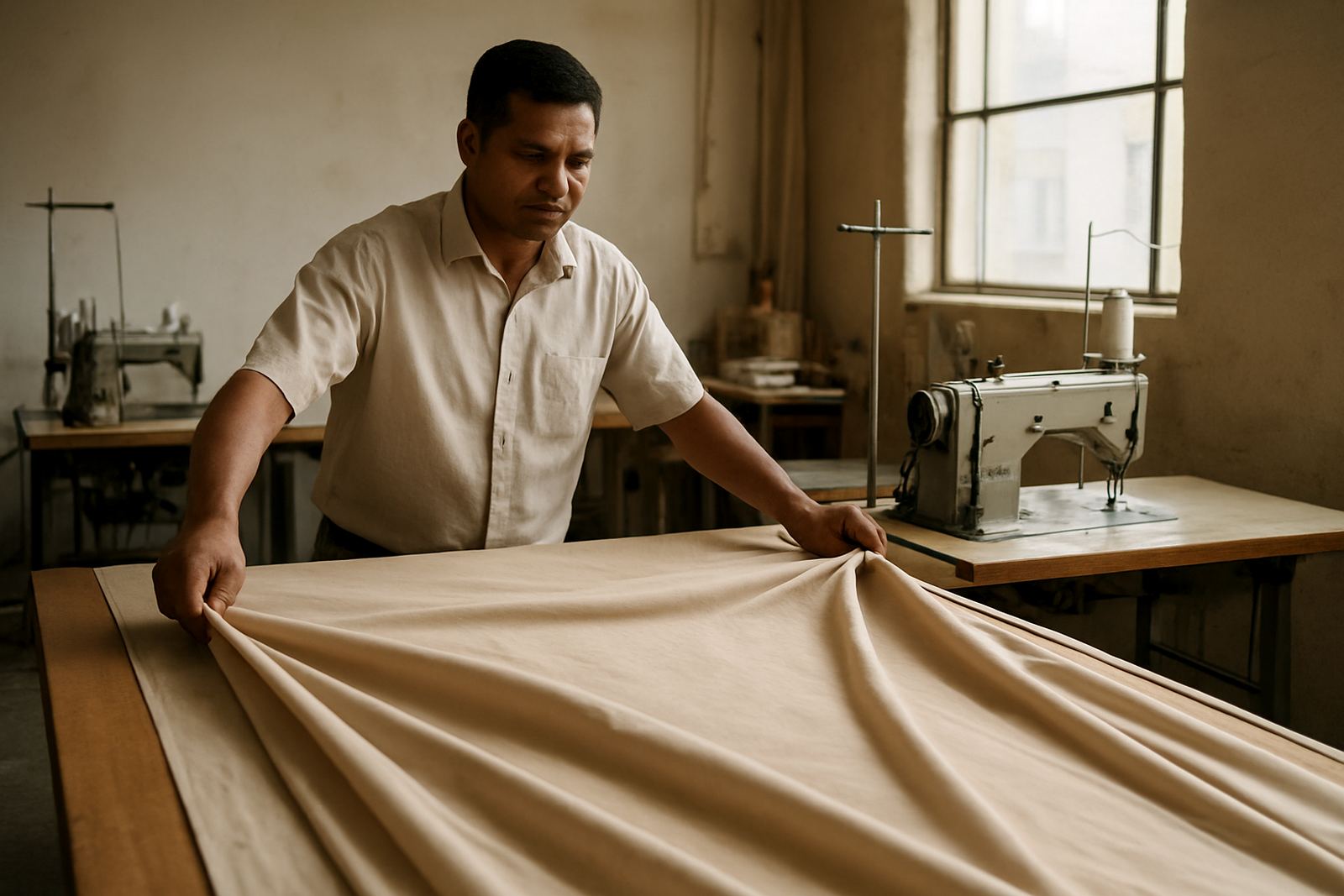
Many fashion studios lose time because the room is arranged around the first machine that arrived, not the actual flow of work. You need a clear path from cutting to sewing to pressing, with enough space for fabric rolls, thread, trims and finished garments. Keep heavy machines near solid flooring and allow space for service access at the back and sides. If the room is on an upper floor in the CBD, also think about lift access and safe loading for deliveries.
Power planning matters too. In Gauteng, load-shedding and voltage swings can interrupt computerised machines and embroidery units, so it helps to have proper surge protection and a plan for backup power where needed. We can advise on machine placement, plug points and workroom planning so the setup suits the size of your team and the volume of pieces you move through each week.
- Leave a clear cutting and bundling area away from machine feet and cords
- Place pressing stations close to finishing, not across the room
- Keep thread, needles, bobbins and spares in labelled storage
- Allow space for fabric rolls and finished pieces to stay dust-free
- Plan for service access so repairs do not disrupt the whole room
Common mistakes fashion designers make when buying machines
One common mistake is choosing a machine for one fabric only and then finding it struggles with the rest of the range. Another is buying a computerised unit without considering who will run it day to day. If the operator is still learning, a machine with clear controls and proper training is usually a better choice than one with features nobody uses.
We also see studios underestimating maintenance. A machine that is perfect on day one can start skipping stitches, running hot or losing timing if it is not serviced regularly. Dust from fabric cutting, lint from knits and thread build-up all add wear. In coastal humidity areas near the East Rand and parts of Pretoria, storage and cleaning matter as much as the machine itself.
For fashion work, it is worth avoiding rushed purchases of second-hand equipment that has no service history. A lower price can become expensive if the machine needs missing parts, a new motor or repeated workshop repairs within a few months.
Budget ranges for a fashion studio in Rand
Budget depends on whether you are starting from scratch, replacing older machines or adding specialist equipment for embroidery and pressing. For a small fashion studio, a basic starter set can begin around R25,000 to R60,000 if you are buying a mix of essential machines and keeping the layout simple. A more complete sampling room with several industrial machines, pressing equipment and a computerised embroidery unit can move into the R80,000 to R180,000 range.
If you need multiple workstations, better motors, setup and operator training, the budget can go higher. We always suggest planning for the machine itself and the support around it, including installation, routine servicing, spare parts and small consumables like needles, bobbins and thread. That way the room does not stall after the first busy season.
- Entry-level sample room: about R25,000 to R60,000
- Growing studio with finishing equipment: about R60,000 to R120,000
- Advanced fashion workroom with embroidery and pressing: about R120,000 to R180,000 plus
Support for busy studios, schools and creative teams
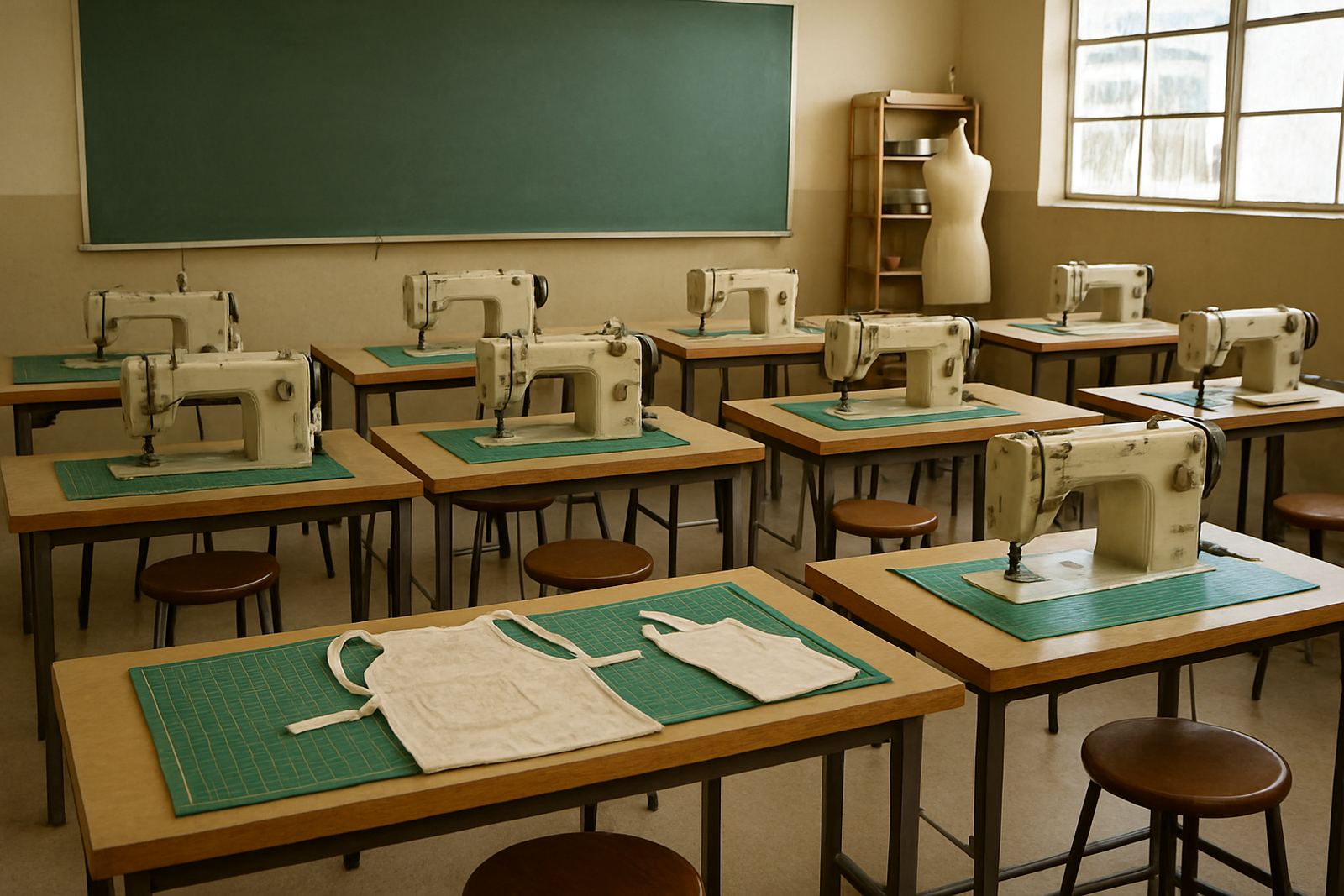
Our Johannesburg CBD team supports fashion designers, schools and home sewers who need reliable machines and practical advice. Lerato Mokoena handles sales guidance, Yusuf Patel leads workshop repairs, Naledi Khumalo works on embroidery setup, Willem van Wyk handles field service, Anele Dlamini manages parts and stores, and Farah Ismail coordinates customer support. Mandla Ndlovu oversees the business and keeps the service side focused on real production needs.
We help with machine installation, on-site repairs, workshop repairs, routine servicing, parts sourcing and operator training. If a designer is building a new label, preparing for a school fashion project or expanding a small sample room, the aim is the same: get the right equipment in place and keep it running so the work can carry on.
Clients reach us through the enquiry form on our contact page. From there we can discuss the machines you have, the garments you want to make and the space you are working with.