What a Tailor Needs on a Busy Week
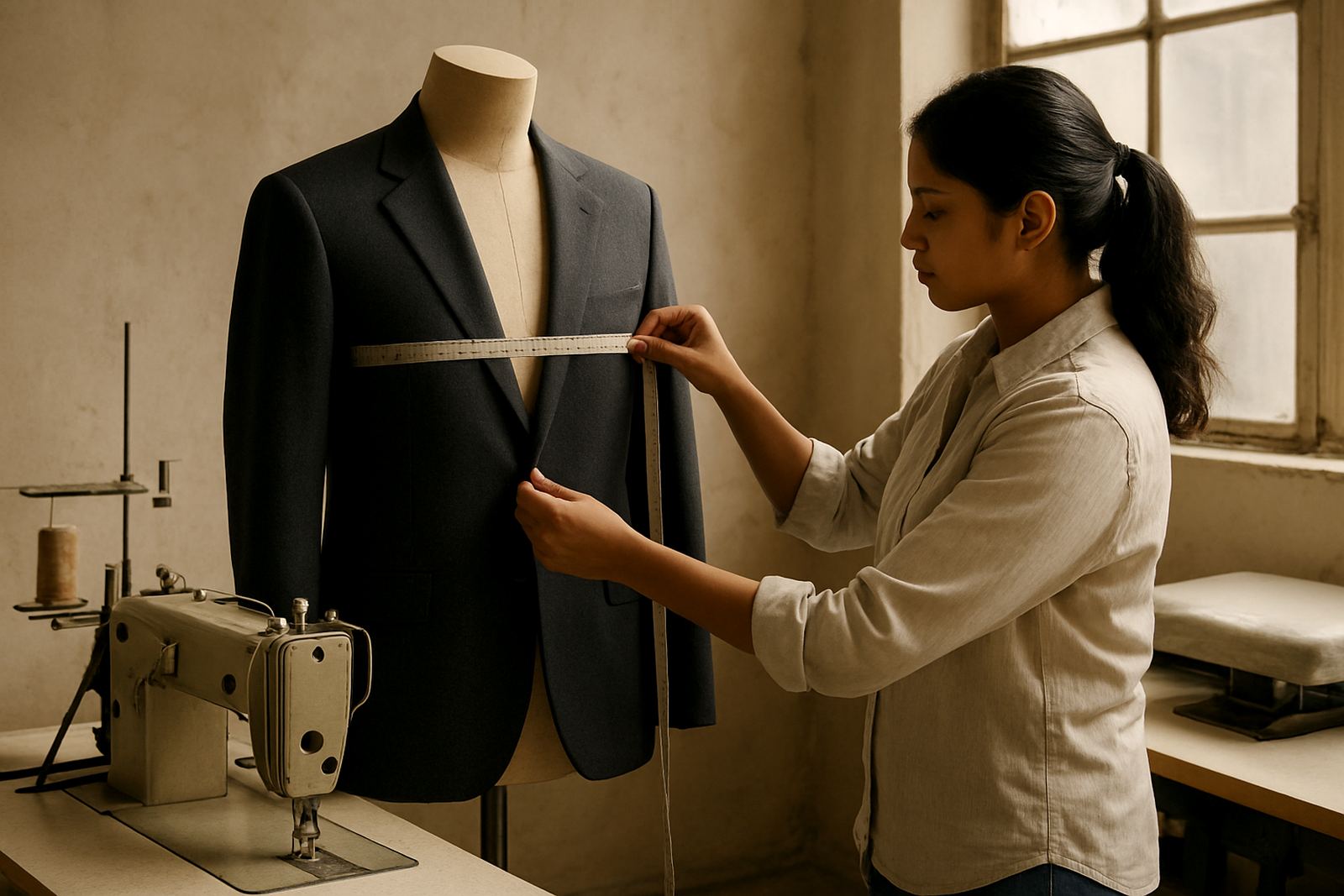
A tailoring workroom is usually dealing with hems, waist adjustments, repairs, custom fits and last minute changes, often all in the same day. That means the equipment must stitch cleanly on lightweight suiting, school wear, denim, stretch fabric and lining without constant rethreading or stop-start trouble.
For most tailors, the starting point is not a huge machine line-up, but a well chosen mix that keeps the work flowing. In our Johannesburg CBD base, we help tailors choose machines that suit the actual workload, room size and budget, whether the business is a solo alteration counter in Fordsburg or a larger workroom serving schools and uniforms in Germiston or Pretoria.
- Single needle industrial machine for general stitching
- Overlock machine for finishing seams and preventing fray
- Cover machine or zigzag option for stretch work if needed
- Steam iron and pressing station for shaping and final finish
- Optional embroidery machine for names, badges and detail work
Practical Equipment Mixes for Alterations and Custom Garments
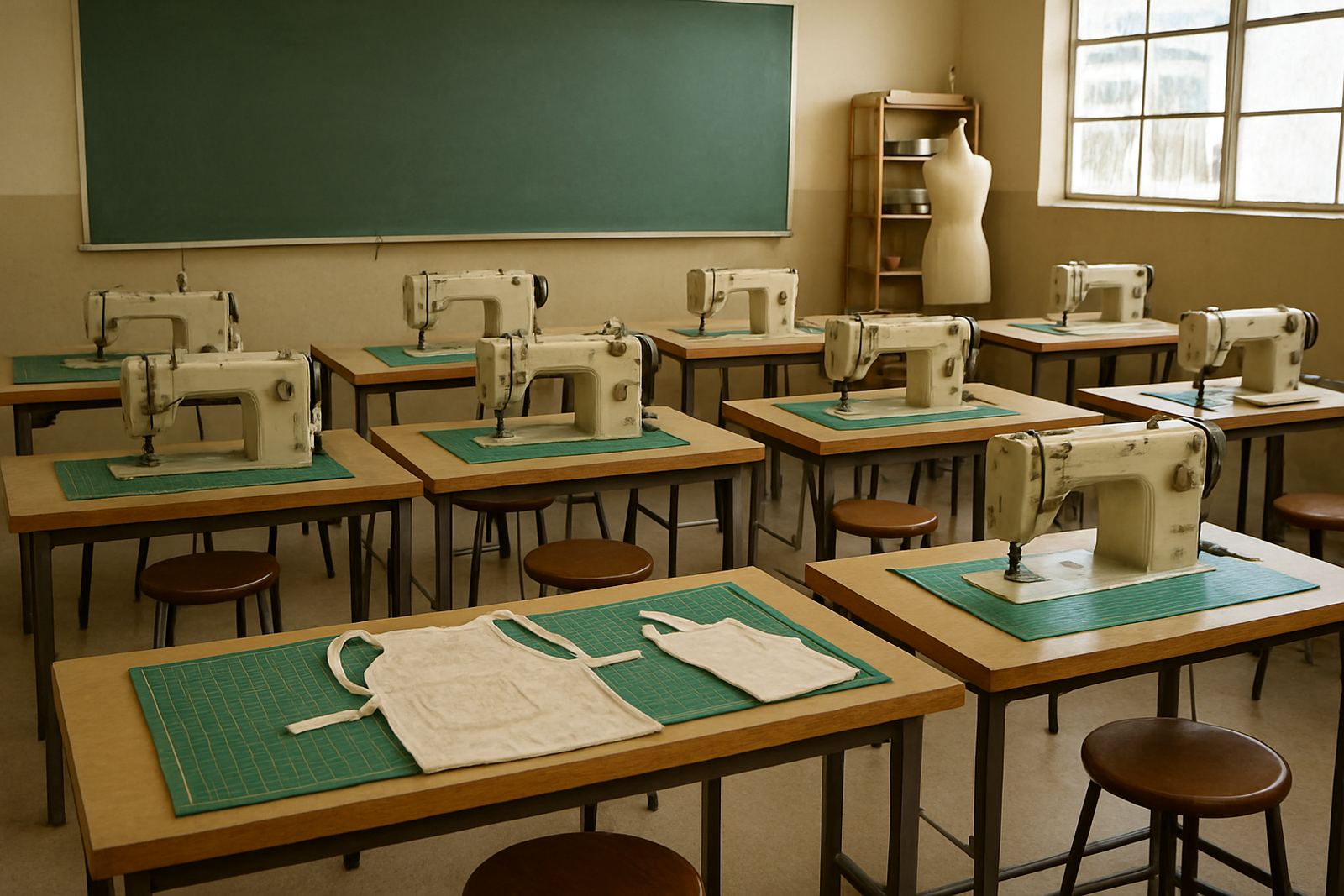
Not every tailor needs the same set-up. A shop focused on alterations and mending may do well with two industrial sewing machines, one overlocker and a solid pressing station. A custom garment maker may need a better spread of attachments, walking foot capability, stronger motors and more careful lighting around the cutting and pressing area.
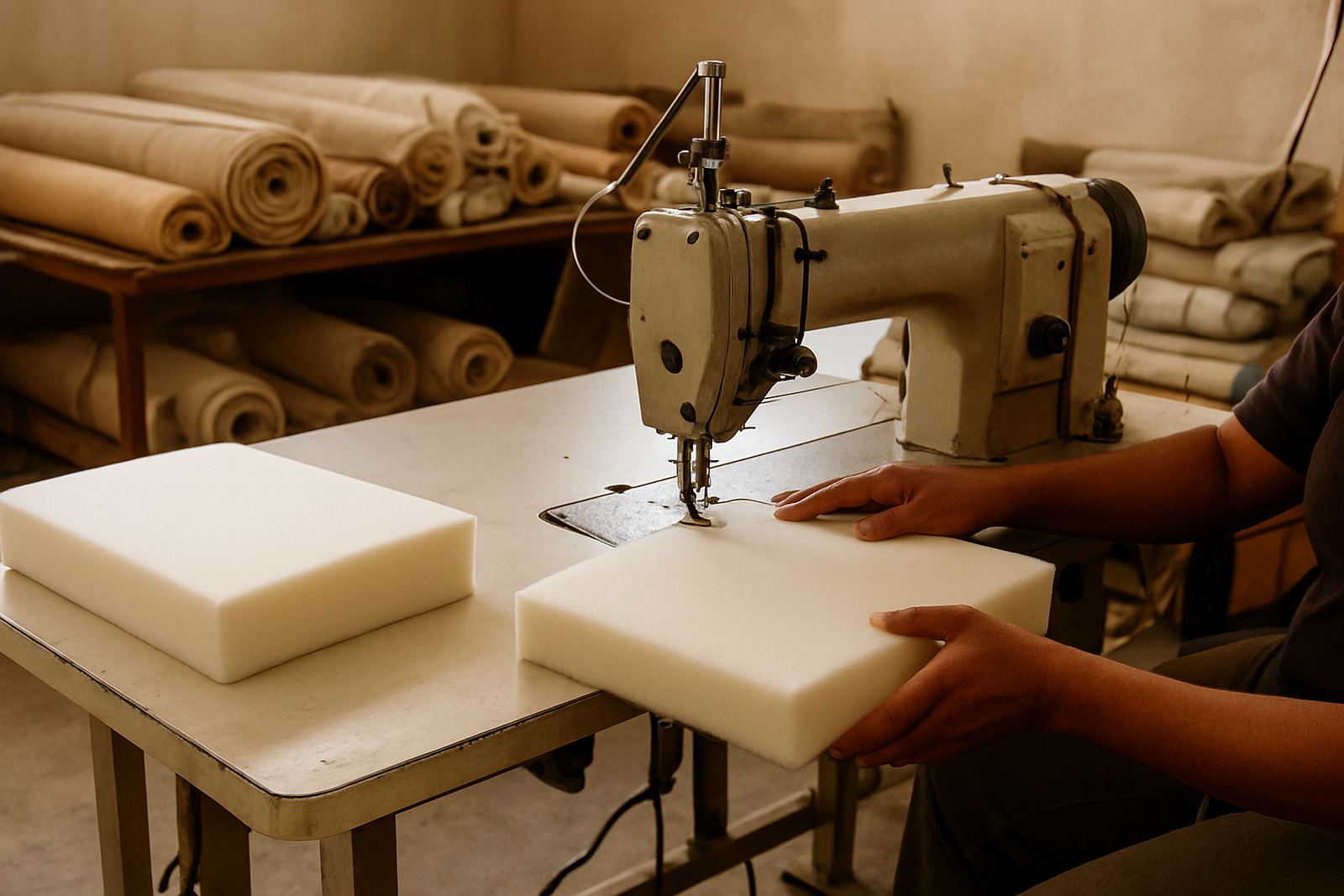
For heavier fabrics such as suiting, upholstery offcuts or school blazers, timing and motor condition matter as much as the machine body. For finer work on dresses, shirts and linings, stitch consistency and neat tension control are the big difference between acceptable and returned work. We also supply attachments and spare parts so the machine can keep up with mixed fabric jobs instead of sitting idle for small faults.
- Needle and thread selection matched to fabric weight
- Binder, zipper foot and hemming attachments
- Extra bobbins, needles, belts and oil for routine care
- Computerised embroidery setup for logos, initials and badge work
It is common for tailors to buy a machine for one job and then find it has to do five others. That is where the right planning saves money and frustration.
Layout and Workroom Planning That Saves Time
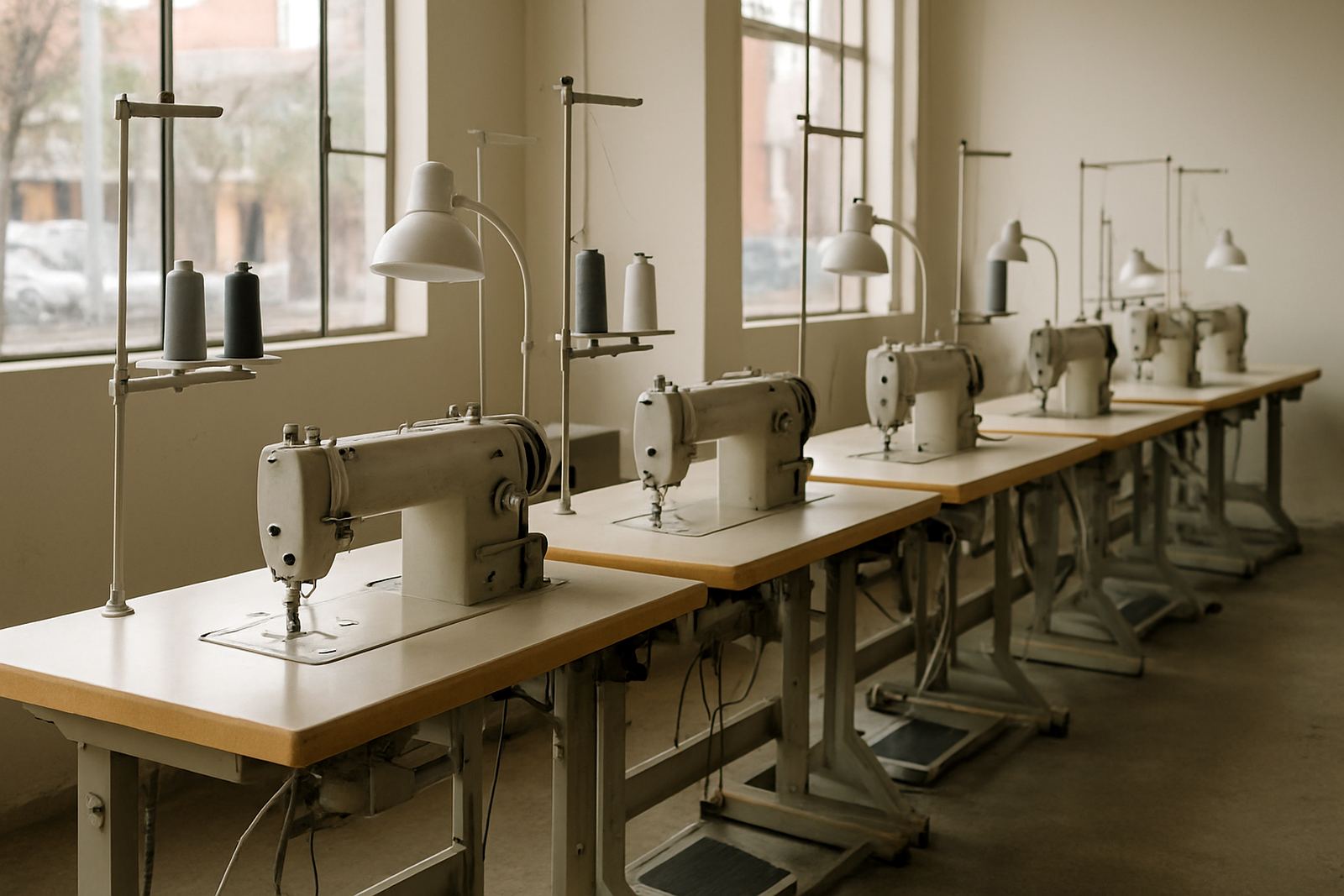
A good tailor layout reduces walking, cutting errors and pressed garments piling up in the wrong place. In a small shop, the cutting table should sit close to the machine line and the pressing area should be near the exit point, so finished work can move out cleanly. In a larger workroom, separating stitching, fitting and pressing keeps the place safer and easier to manage during busy periods.
We often advise tailors to think in steps: receive garment, mark and cut, stitch, press, check and package. If those steps bounce around the room, workers lose time and garments get mixed up. In Johannesburg CBD and surrounding areas where floor space can be tight, this sort of layout planning matters just as much as the machine choice. Load shedding is another factor, so motor conversions and sensible power planning can keep the room working when the lights go off.
- Place the pressing station near final finishing and packing
- Keep thread, needles and small parts in labelled storage
- Leave space for fabric rolls, alterations bins and repair jobs
- Use good lighting at the machine and cutting area for detail work
Common Mistakes Tailors Make When Buying Equipment
One common mistake is buying on price only and then finding the machine is not suited to the fabric mix. Another is setting up too many machines with no clear workflow, which clutters the room and slows everybody down. Some tailors also ignore maintenance until the machine starts skipping stitches, making noise or overheating.
We also see sewing rooms underestimating the value of service and setup. A machine can be strong enough for the job, but if the tension, timing or motor connection is wrong, the operator will fight it every day. In Gauteng's drier months and coastal humidity is less of a factor here than in other provinces, but dust, lint and constant use still build up quickly. That is why routine servicing and proper operator training matter just as much as the purchase itself.
- Buying a machine that cannot handle the fabric range
- Skipping installation and using poor table alignment
- Running dull needles too long and damaging material
- Delaying servicing until the machine starts failing
A few small adjustments at the start can prevent wasted fabric and unhappy clients later.
Budget Ranges for Tailor Setups in Rand
Budget depends on whether you are replacing one machine or fitting out a whole room. A basic alterations setup can start with a practical entry budget and grow as work increases. More advanced tailor operations, especially those adding embroidery or specialist pressing, need a wider budget because of the extra equipment and support items.
As a rough guide, a single industrial machine with table and motor, properly installed, may sit in a lower budget range, while a full tailor setup with overlocker, pressing station, spares and training can move into the mid range. Embroidery equipment, fusing presses and additional workroom planning will lift the total further. We always look at the actual job list first, because buying too much at once can tie up cash that should be going into stock, labour and rent.
- Starter alterations setup: budget for one or two machines plus pressing
- Growing tailor room: allow for spares, attachments and servicing
- Custom garment work: factor in better motors and more precise setup
- Embroidery and finishing work: add setup, training and maintenance
Service Support for Tailors Across Gauteng
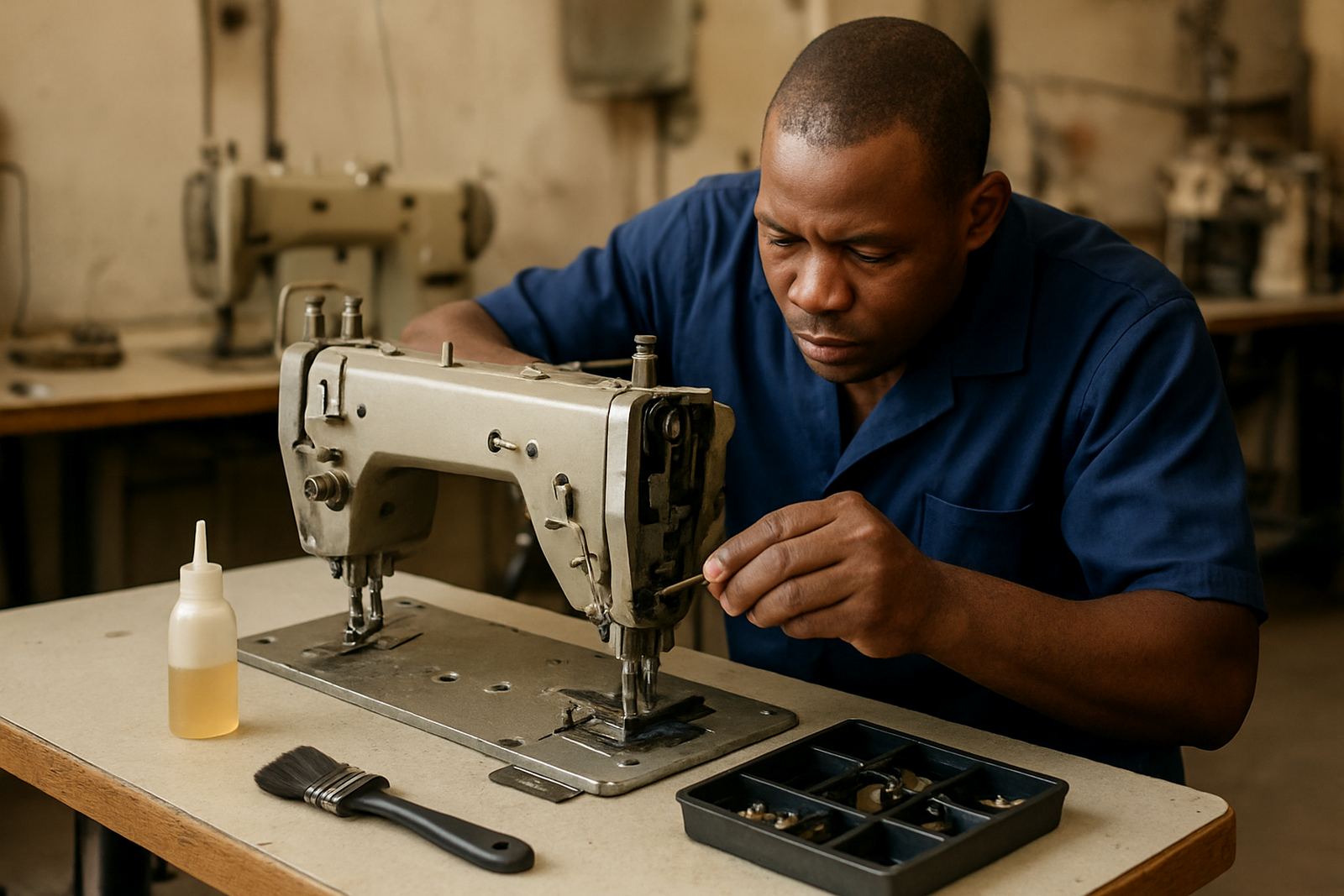
Tailor shops cannot afford long downtime. A broken motor, bad timing or worn presser foot can hold up a day's worth of fitting jobs. That is why we handle installation, workshop repairs, on site repairs, routine servicing, motor conversions, timing adjustments and parts sourcing from our Johannesburg CBD base.
Our team works with tailors in Fordsburg, Mayfair, Soweto, Germiston, Pretoria, Alberton and Randburg, supporting both household style alteration rooms and industrial garment operations. Lerato Mokoena leads sales, Yusuf Patel oversees the workshop, Naledi Khumalo handles embroidery needs, Willem van Wyk does field service, Anele Dlamini manages parts and stores, and Farah Ismail handles customer support through the enquiry form on our contact page. For a tailor, that means one practical point of contact and a team that understands the daily pressure of fitting deadlines and careful finishing.
Whether you need a new workroom planned, a fusing press checked, or an old machine brought back into steady use, we focus on equipment that keeps your sewing room earning. Small jobs matter, and so does getting them right the first time.