

What a bridal studio needs on a busy Gauteng week
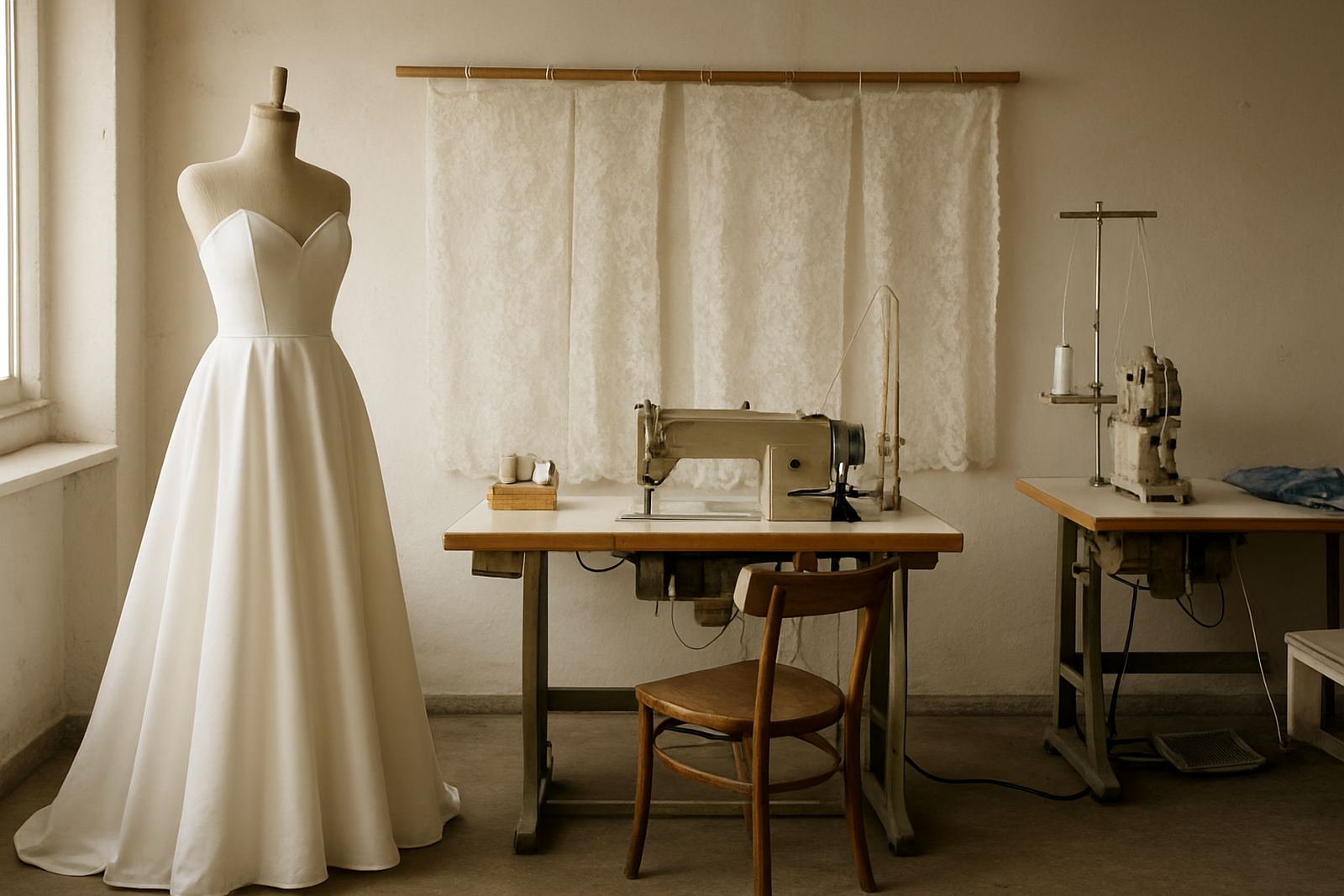
A bridal studio usually works with a mix of one-off alterations, sample making, embellishment and finishing. Some days are quiet and then suddenly you have hems, bodices, sleeves, beadwork and pressing all needing attention at once. In Johannesburg CBD, Fordsburg, Mayfair, Soweto, Germiston and Pretoria, the studio set-up has to cope with power interruptions, small workrooms and fabric that marks easily.
For this kind of work, the right equipment is not just about sewing speed. It is about control at low speed, clean stitch formation on delicate cloth and enough pressing capacity to shape seams without scorching. A bridal room often needs specialist support for fitting changes, final finishes and careful handling of lace, tulle, silk and synthetic blends.
We work with factories, tailors, schools and home sewers who need practical machines and proper set-up. Mandla Ndlovu and the team at Asia Sewing Machines help clients choose equipment that suits the actual workload, not just the showroom idea of it. That means looking at room size, operator skill, daily output and whether the studio also does embroidery or school uniforms between bridal jobs.
Typical machine set-up for bridal work
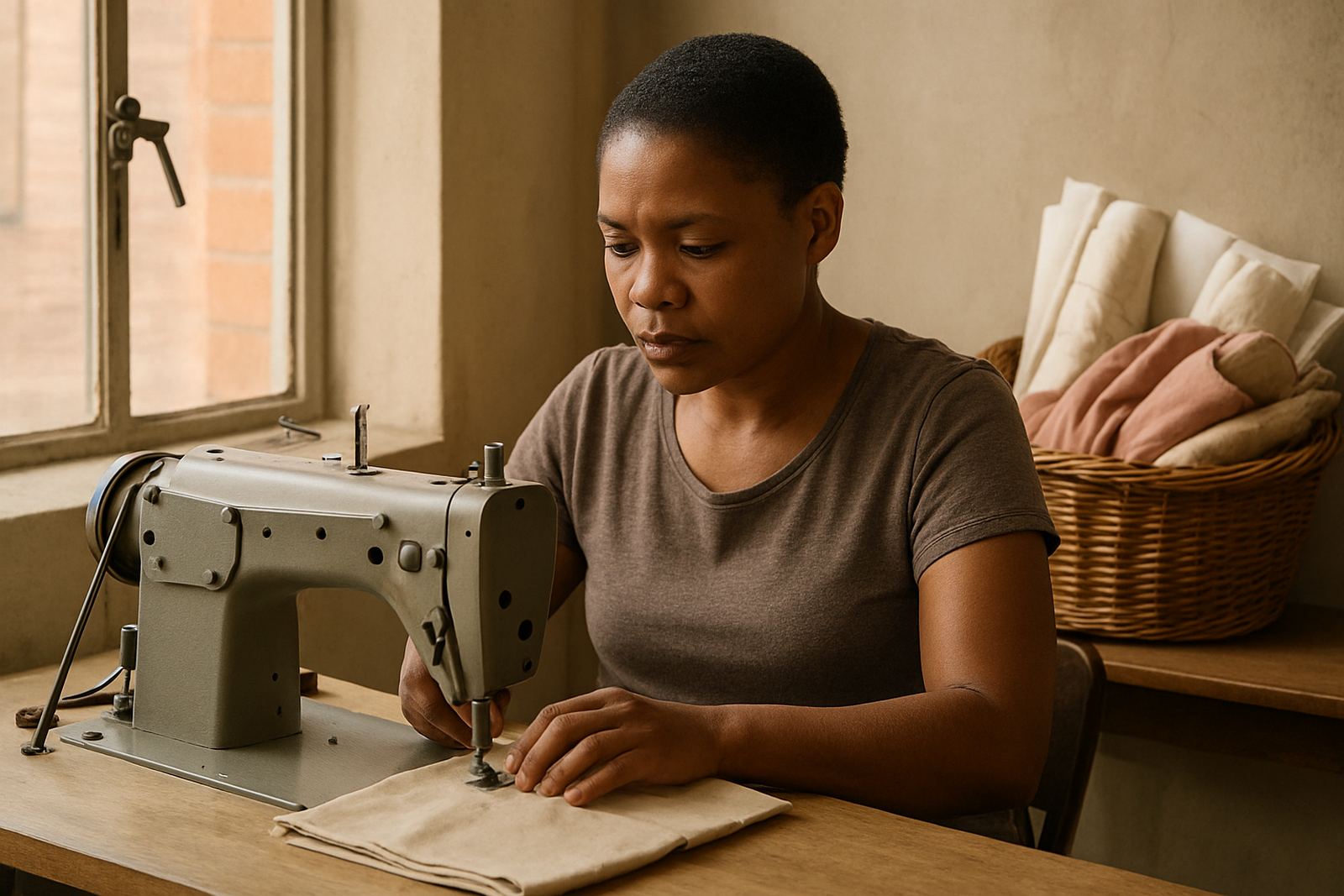
A solid bridal studio set-up often combines household-style precision with industrial strength where needed. The exact mix depends on whether you are doing alterations only or running a full production room for gowns and bridesmaids wear. Fine fabrics need stable feeding, accurate tension and quick response from the motor, especially when working on curved seams and decorative edges.
Common equipment includes straight stitch machines for clean seams, overlock machines for finishing edges, cover-style machines for stretchy linings or specialist hems, and a computerised embroidery machine where monograms or small motifs are required. A fusing press is useful for collars, facings and structured sections. Pressing equipment matters just as much because bridal finishing depends on shape, not only sewing.
- Straight stitch machine with smooth low-speed control
- Overlock machine for seam finishing and lining work
- Embroidery machine for names, motifs and custom details
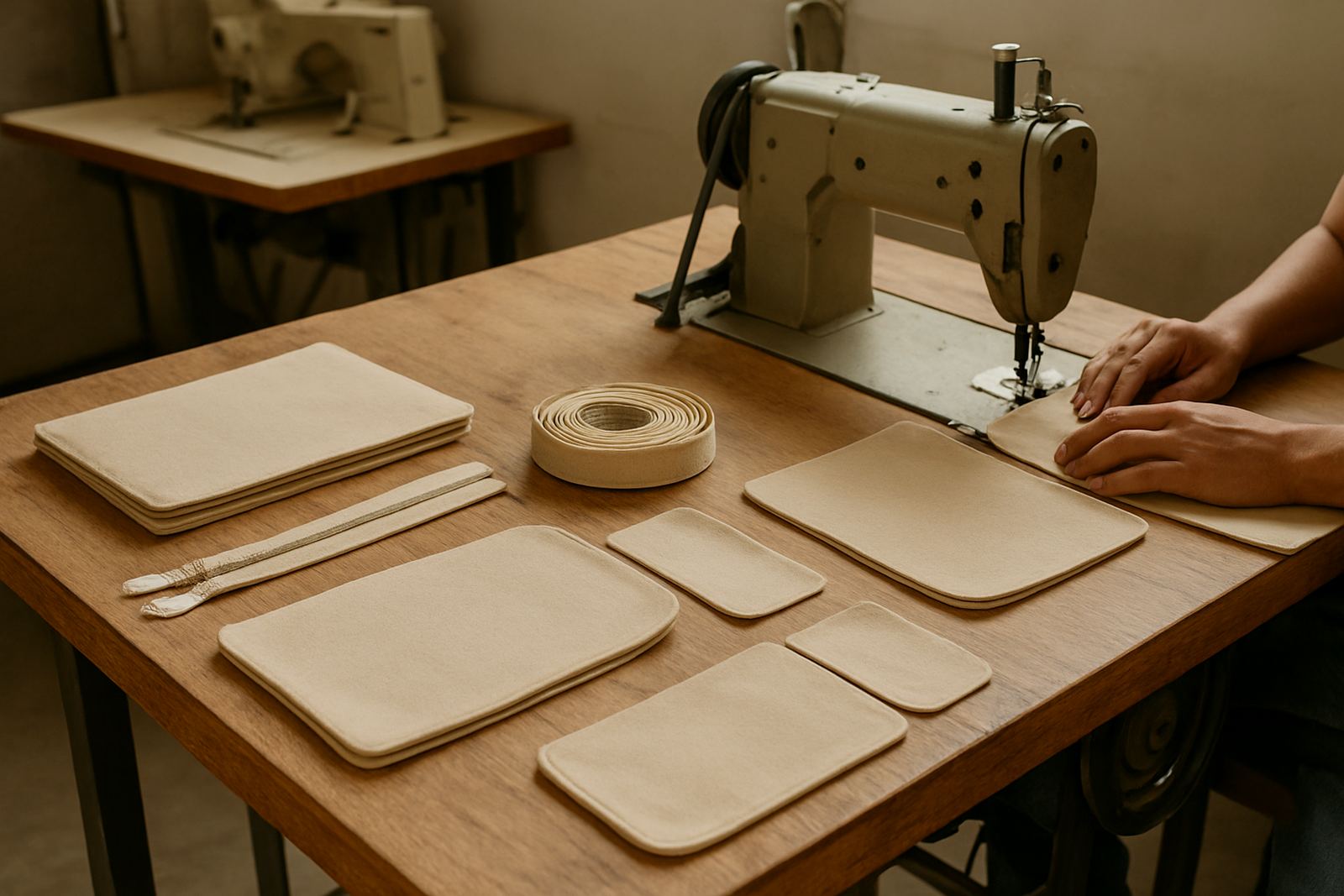
- Fusing press for interfacing, facings and support layers
- Steam iron and pressing station for final shaping
- Basic spare parts, needles, feet and bobbins kept on hand
Where a studio works from a small shopfront or inside a shared building, we also plan for sound, table space and safe cable routing. In some cases a motor conversion is worth doing so the machine starts softer and gives the operator more control on silk and organza.
Layout and workroom planning for fittings and finishing
Bridal work moves better when the room is planned around the sequence of work. Cutting, sewing, pressing, fitting and storage should not all happen in one cramped corner. If the press sits too far from the sewing area, workers waste time carrying half-finished garments back and forth. If storage is too tight, lace, trims and thread get crushed or dusti.
We usually look at the room in zones. One area for stitching, one for pressing, one for fittings and one for stock. Even a small room in the Johannesburg CBD can work well if the layout is sensible. In hotter months or coastal-humidity periods for clients moving stock between provinces, fabric storage also needs dry, clean shelving and a covered place for embellishment items.
- Keep the pressing station close to the sewing line
- Leave enough space for bridal gowns to hang without creasing
- Use clear storage for thread, zips, lace and beading supplies
- Place the embroidery machine where operators can see the hoop area clearly
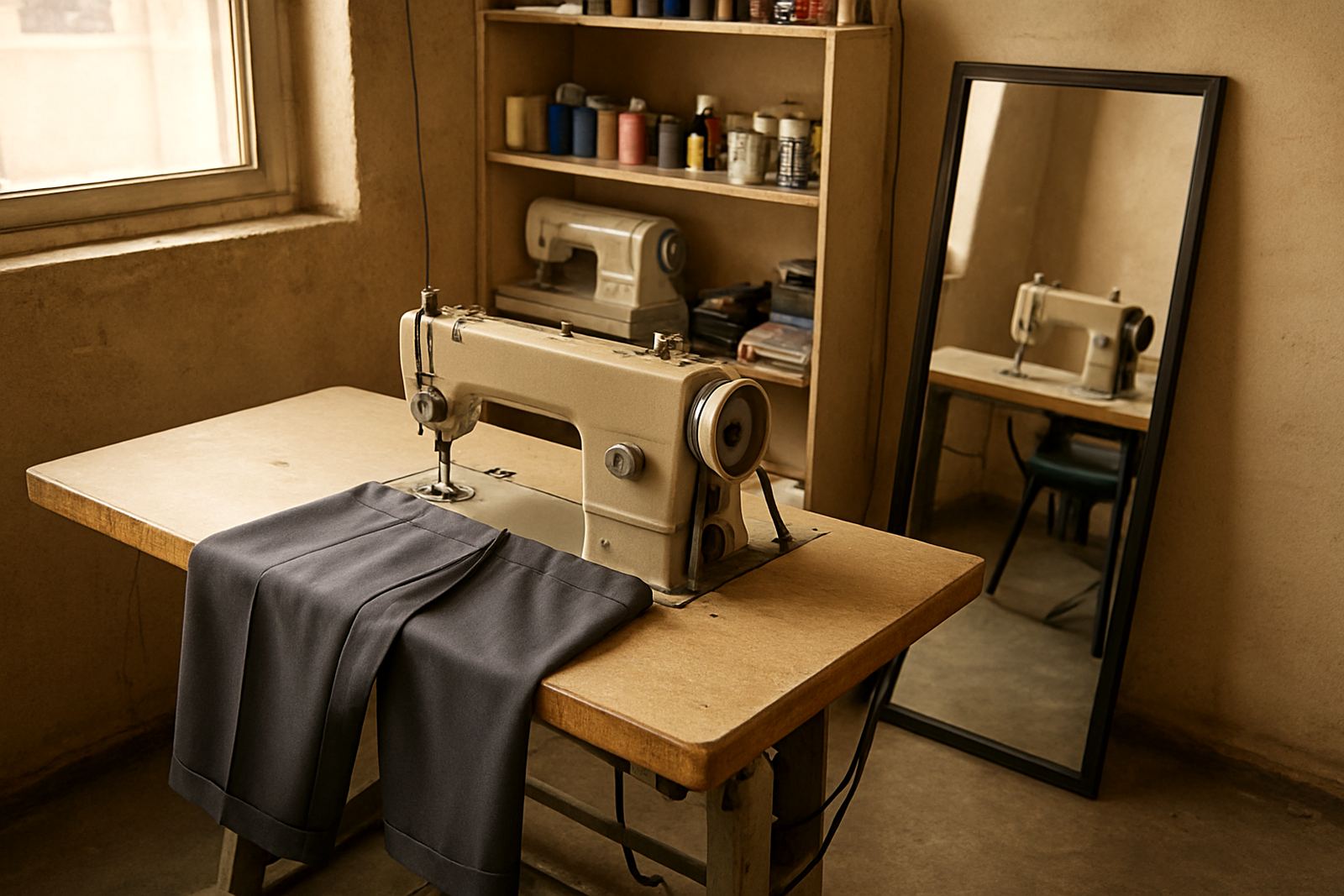
- Allow for a fitting mirror, changing space and one clean table for final checks
Workroom planning also includes power points, lighting and machine access for maintenance. A good layout makes routine servicing easier, and that saves time when there is a wedding deadline and no room for mistakes.
The mistakes we see most often in bridal rooms
Many bridal studios start with whatever machine is already available and only later find the problems. One common mistake is using a machine that is too fast and too aggressive for fine fabrics. Another is buying a press that is too small for full skirts or structured bodices. People also underestimate thread choice, needle size and the need for regular timing adjustments.
We often find that the room is packed with stock but short on useful attachments. A narrow zipper foot, walking foot or edge guide can save hours when handling slippery material. Another problem is skipping servicing until the machine starts skipping stitches or the motor becomes noisy. By then, the issue usually costs more to correct. Load-shedding can also expose weak set-ups because a machine that is already badly adjusted struggles even more after repeated power cuts.
For embroidery, the mistake is often poor hooping and insufficient testing. Even a small logo or initials can pucker if the stabiliser is wrong. Naledi Khumalo often helps clients sort out setup details so the output looks clean from the first sample, not after three wasted garments.
Budget ranges for bridal studio equipment in Rand
Bridal studios do not all need the same budget. A home-based alterations room will spend far less than a studio handling daily fittings, sample development and embellishment. The final figure depends on whether you are buying new equipment, reworking older machines or adding presses and embroidery capacity to an existing room.
As a general guide, a basic bridal alterations set-up may start from about R18 000 to R45 000 for a practical mix of sewing and pressing equipment. A more complete studio with industrial machines, a proper press and embroidery support can sit between R55 000 and R180 000 or more, depending on capacity and specification. For larger workrooms or training rooms, the budget can go higher once installation, tables, conversion work and operator training are included.
It is usually better to spend first on the machine that affects finish and control, then add extras after the room is working properly. Yusuf Patel and Willem van Wyk often help clients decide what must be bought now and what can wait. That approach keeps cash flow sensible and avoids stocking items that never get used.
How Asia Sewing Machines supports bridal studios
Asia Sewing Machines works from the Johannesburg CBD and supports bridal studios across Gauteng, including Alberton and Randburg. We handle machine installation, on site repairs, workshop repairs, routine servicing, motor conversions, timing adjustments, embroidery setup, fusing press service, pressing station service, parts sourcing, operator training and workroom planning.
Lerato Mokoena manages sales discussions, Anele Dlamini handles parts and stores, Farah Ismail keeps customer support moving and the workshop team keeps the machines in order. If you are setting up a new bridal room or trying to improve an existing one, we can look at the equipment list, room layout and service needs together.
Bridal work is exacting. It needs machines that behave properly, presses that shape cleanly and support that does not disappear after the sale. If your studio is ready for better control, we can help you choose equipment that fits the work you actually do.