When home sewing starts to slow you down
Many home sewers begin with a basic machine and then run into the same problems: skipped stitches, noisy motors, poor buttonholes, tension issues or a machine that simply cannot handle thicker fabric. That is when a repair or a better matched machine makes sense. We work from our Johannesburg CBD base and help clients from Fordsburg, Mayfair, Soweto, Germiston, Pretoria, Alberton and Randburg choose equipment that suits regular sewing at home.
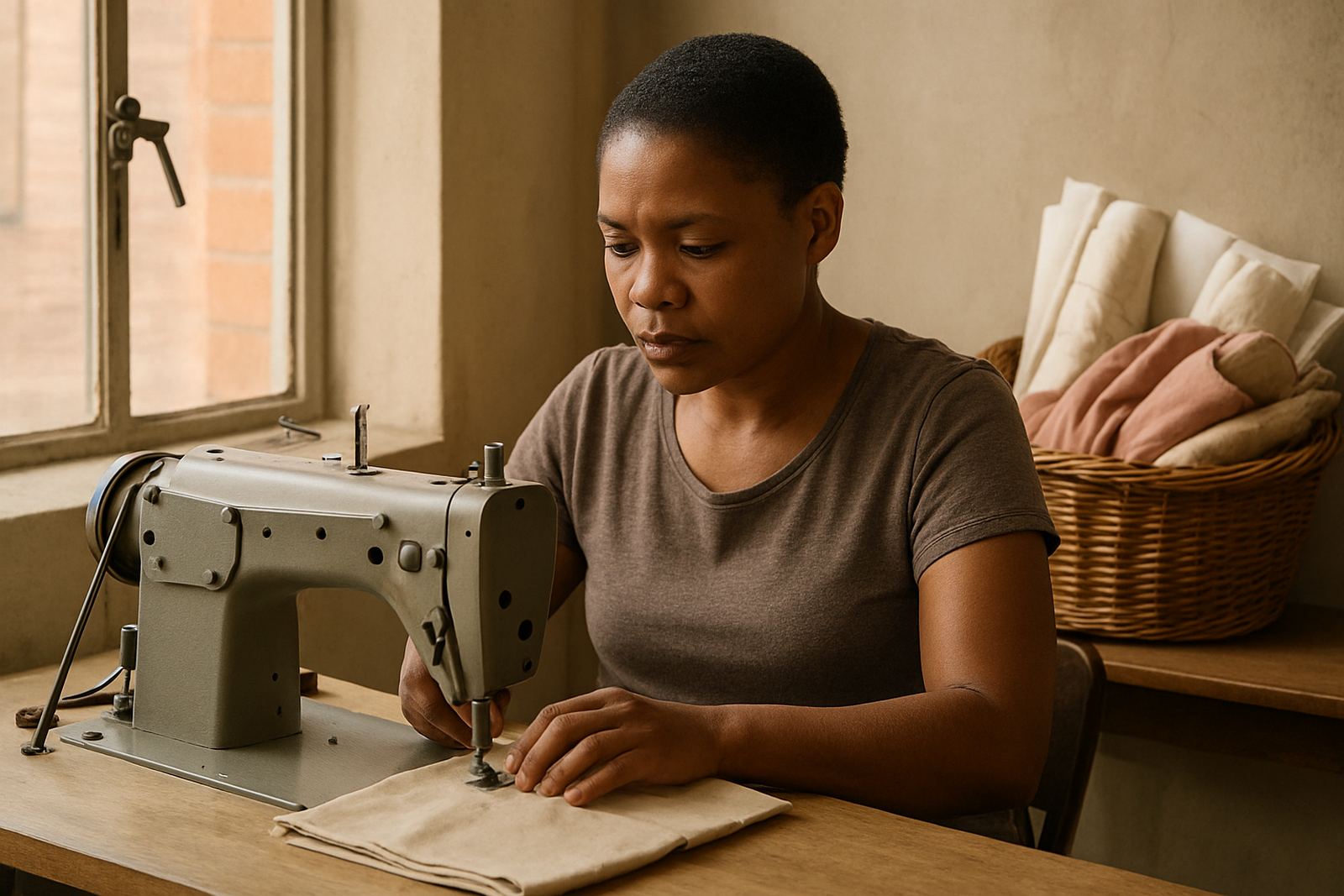
For dressmaking, curtains, school projects and small décor jobs, the aim is steady control and easy maintenance. A home sewer does not need a workshop full of industrial equipment, but they do need a machine that can manage everyday fabrics, a reliable iron for pressing, and the right attachments for zips, hems and topstitching. We also help with servicing so the machine stays consistent in Gauteng heat, dust and winter dry air, which can affect thread flow and lint build up.
- Common signs your machine needs attention: poor stitch balance, needle breakage, thread fraying and uneven feeding.
- Useful extras for home use: needles for different fabrics, bobbins, seam rippers, hem guides and spare feet.
- If your machine is moving around the table or rattling, it may need motor adjustment or a timing check.
Picking the right machine for your sewing at home
There is no single machine that suits every home sewer. A beginner making pillow covers needs something different from someone sewing uniforms, curtains or bridal alterations. We look at what you sew most often, how often you sew, and what you want to spend. That keeps the choice practical and avoids paying for features you will never use.
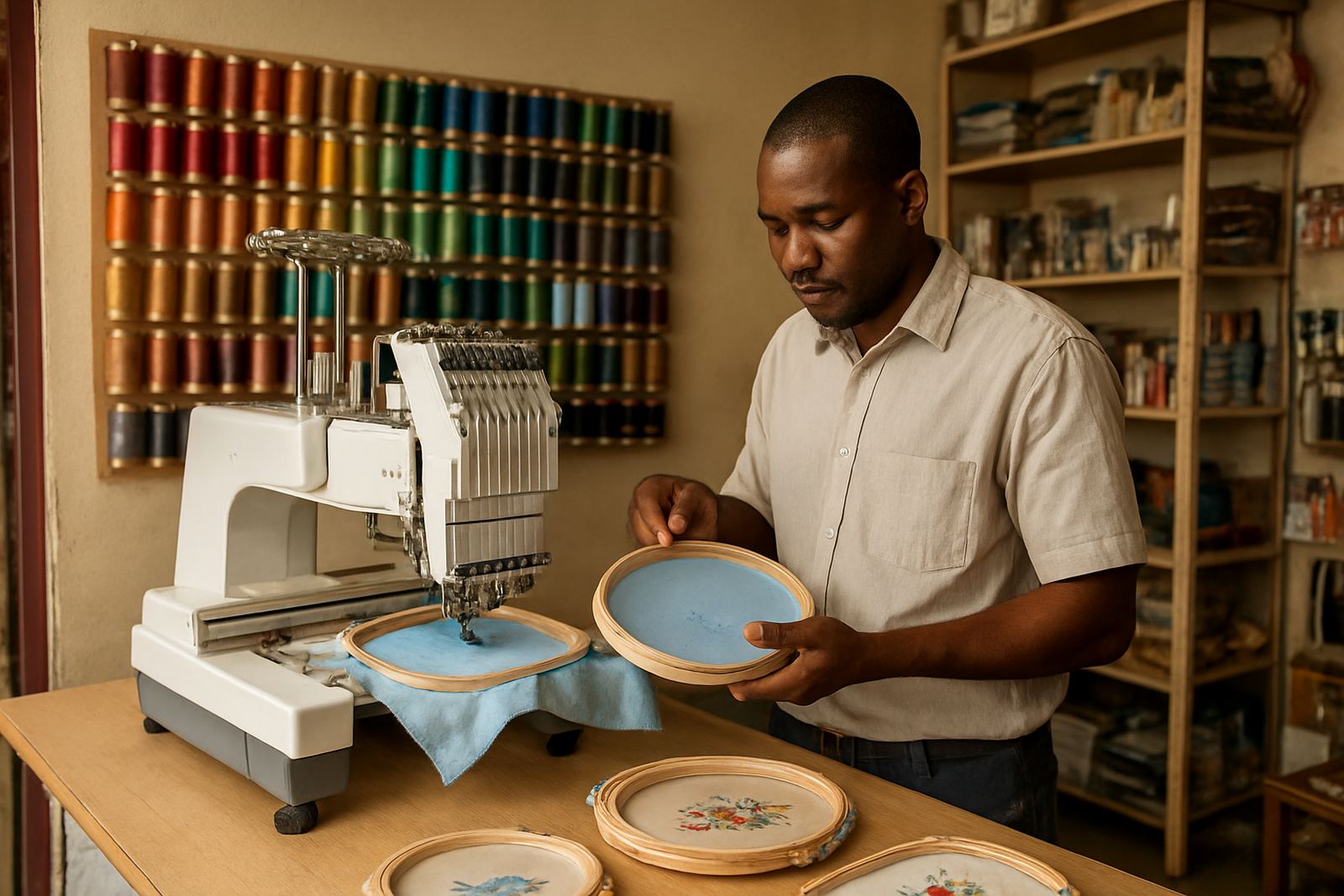
For light use and occasional repairs, a dependable household machine is usually enough. For heavier home sewing, a stronger motor, better feed system and more presser foot options can make a big difference. If you want embroidery, we can explain computerised embroidery machines in plain terms, including hoop size, design transfer and the space needed for the unit on a stable table. Fusing presses are useful for collar work, schoolwear and neat finish work, while a small pressing station helps with garments and décor pieces.
- Choose a machine for the fabric you use most, not only for the occasional thick job.
- Check the throat space if you sew quilts, curtains or bulky hems.
- Ask about spare parts and servicing before buying, so support is available locally.
A sensible home sewing layout that saves time
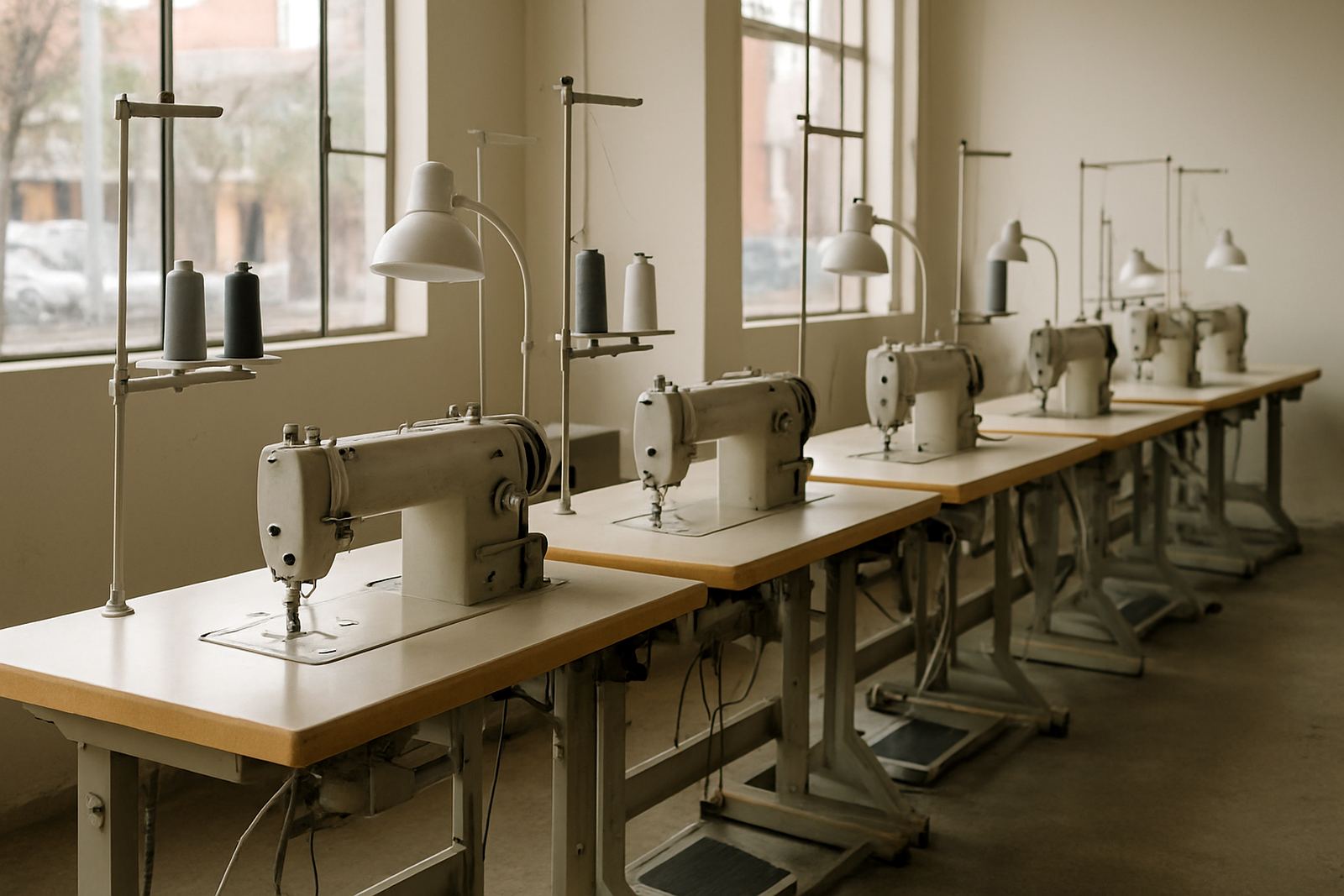
Good sewing at home needs a clear work area, even if the room is small. A stable table, enough light and a proper place for cutting and pressing make the whole process easier. We help with workroom planning for home sewers who want to turn a spare room, corner or garage space into a tidy sewing area without wasting floor space.
A simple layout usually works best. Keep your machine on a solid surface, place your iron and pressing mat within reach, and leave room for fabric flow so you do not keep folding and refolding large pieces. If you sew often during load shedding, consider how your machine behaves with power interruptions. Some units restart poorly after a cut, and a stable power setup can protect your work. It also helps to keep thread, needles and attachments in labelled containers so small parts do not go missing.
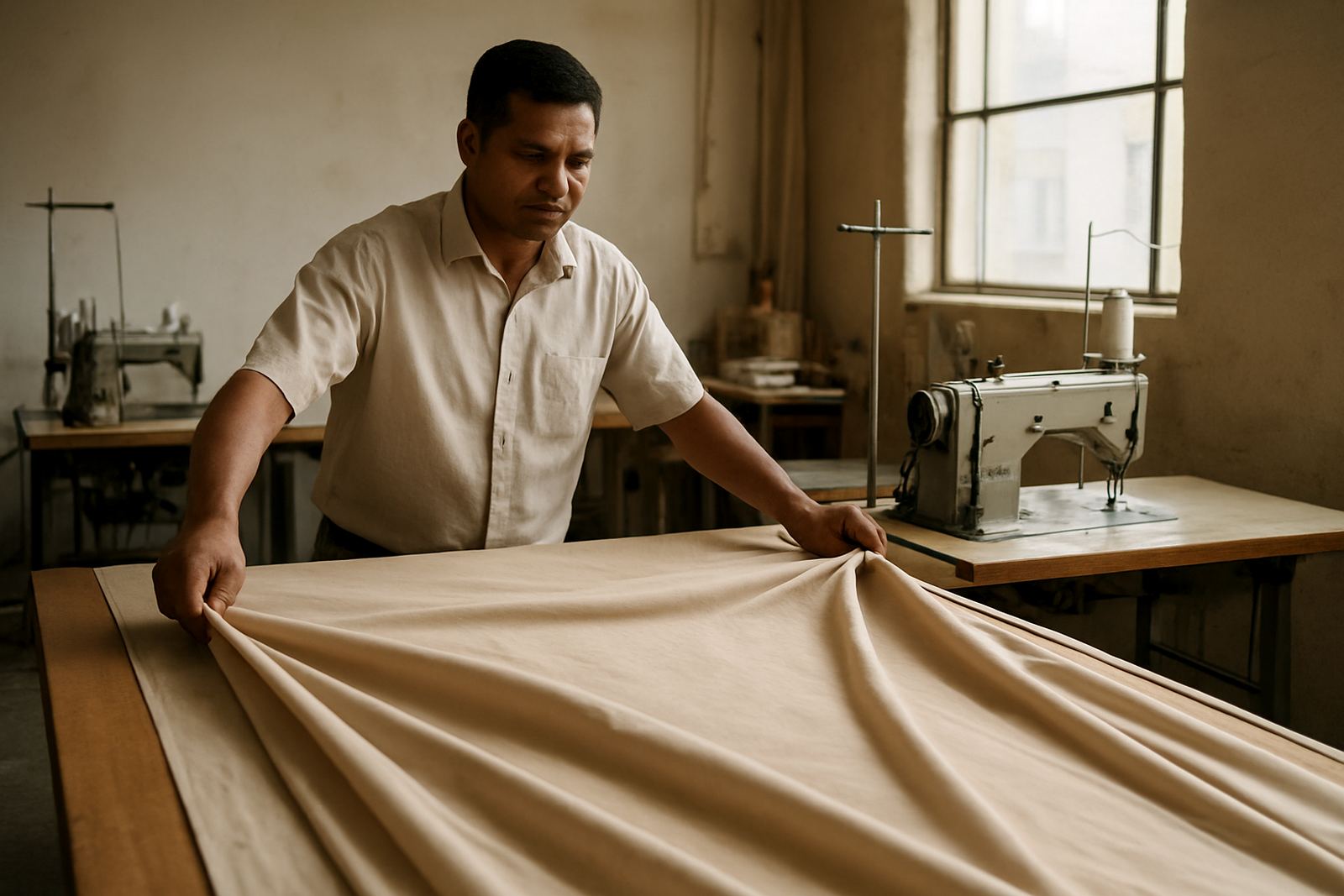
- Leave space behind the machine for fabric handling, especially for long lengths of curtain or dress fabric.
- Keep lint cleaning tools nearby, because dust and thread fluff build up quickly in home spaces.
- Use a sturdy chair and a table at the right height to reduce strain on shoulders and wrists.
Common mistakes home sewers make with equipment
Many sewing problems are not caused by the machine itself, but by setup and routine. A badly threaded machine, the wrong needle or old thread can cause more trouble than people expect. We often see home machines brought in with tension issues that were really caused by worn needles, poor bobbin winding or fabric being forced through too quickly.
Another common mistake is using the same settings for every fabric. Light cotton, stretch fabric, lining material and denim each behave differently. If the machine is not adjusted properly, the stitch may pucker or break. Some home sewers also wait too long before servicing, then the machine becomes noisy or unreliable. Routine servicing is usually cheaper than dealing with a major fault later.
- Do not use a blunt needle for stretch, denim or coated fabrics.
- Do not overload a household machine with thick layers if it is not built for that use.
- Do not ignore skipped stitches, because they often point to timing or needle alignment issues.
Repairs, servicing and training for everyday sewing
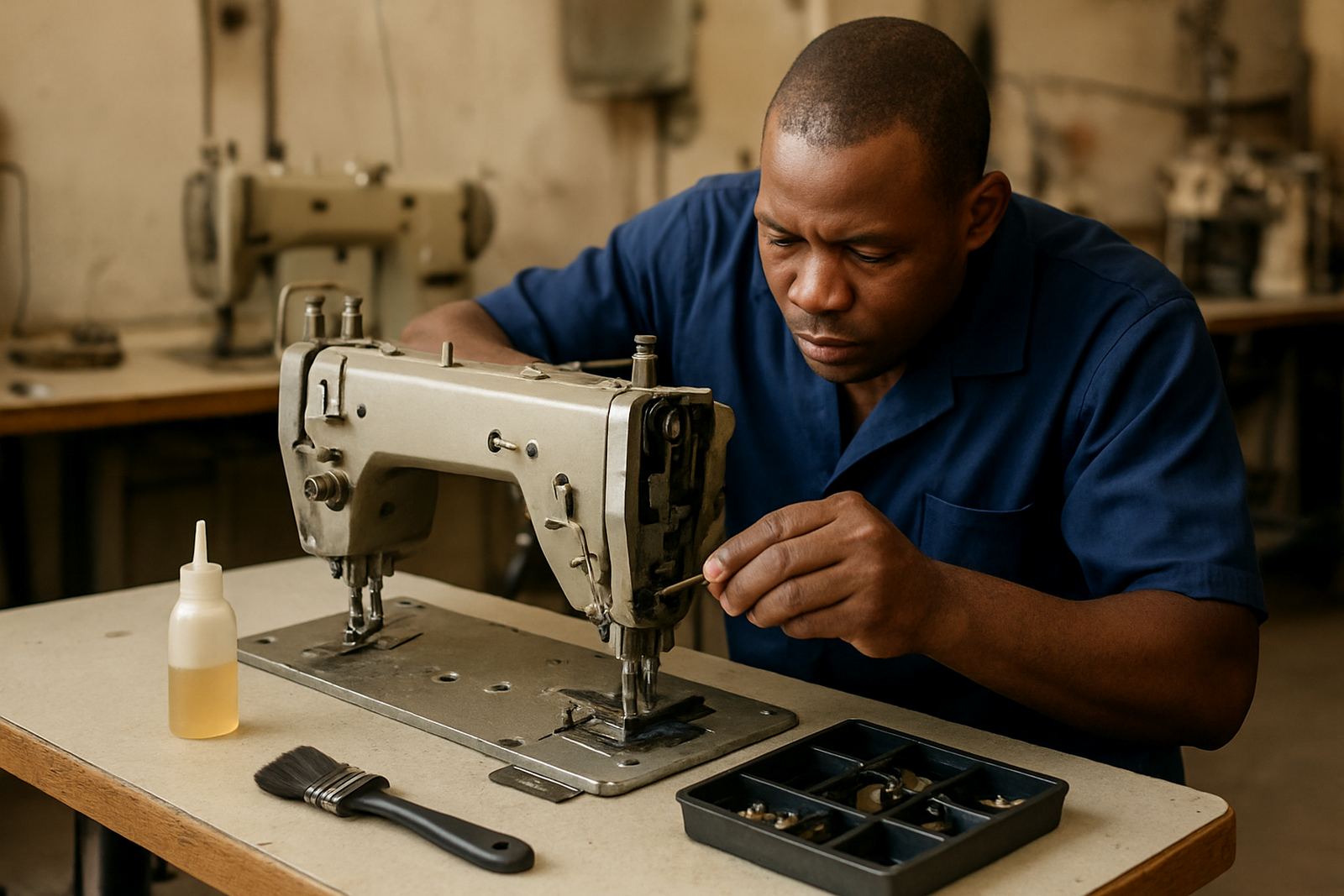
We handle workshop repairs and on site repairs depending on the fault and the type of machine. If a machine needs timing adjustments, motor conversions, cleaning or parts sourcing, we can advise on the most practical route. For home sewers, the main goal is usually to get back to sewing quickly without spending more than the machine is worth.
Our team includes Yusuf Patel in workshop supervision, Willem van Wyk for field service work, and Farah Ismail for customer support. Lerato Mokoena assists with sales guidance, while Anele Dlamini manages parts and stores. For embroidery machines, Naledi Khumalo helps with setup and use. We also offer operator training for clients who want a better understanding of stitch settings, thread handling and basic care. That support is useful for home sewers who are moving from simple repairs into more serious garment work or small side income jobs.
In many cases, a service will include cleaning, lubrication, checking tension, testing stitch formation and replacing worn parts where needed. If the machine has been sitting unused for months, especially in a warm room or near coastal humidity from travel stock, a full check is worth doing before the next project starts.
Budget ranges that make sense for home sewing
Home sewing budgets vary depending on whether you need a repair, a replacement machine or a full setup with accessories. A basic service is often the most affordable first step. If the machine can be fixed, that is usually better value than replacing it too soon. For older household machines, a repair may be a few hundred Rand if it is a simple issue, while more involved work with parts can cost more.
For buyers looking at new or pre-owned equipment, it helps to set a clear budget before coming in. A practical household machine for light sewing sits in a different range from a machine meant for frequent garment work or embroidery. Accessories, needles, threads, feet and pressing tools also add up, so it is wise to budget for the full setup and not only the machine itself.
- Allow for servicing every so often, especially if you sew most weekends or run a small home business.
- Budget separately for pressing tools, spare bobbins, needles and quality thread.
- If you need embroidery or fusing, ask for a full cost breakdown so there are no surprises.
Whether you sew for your household, for school events or to earn extra income, the right equipment should fit the way you work. From Johannesburg CBD and Fordsburg to Soweto, Germiston and Pretoria, we help home sewers get dependable machines, proper setup and honest advice on what is worth fixing and what is not.