

What a good school sewing room must handle
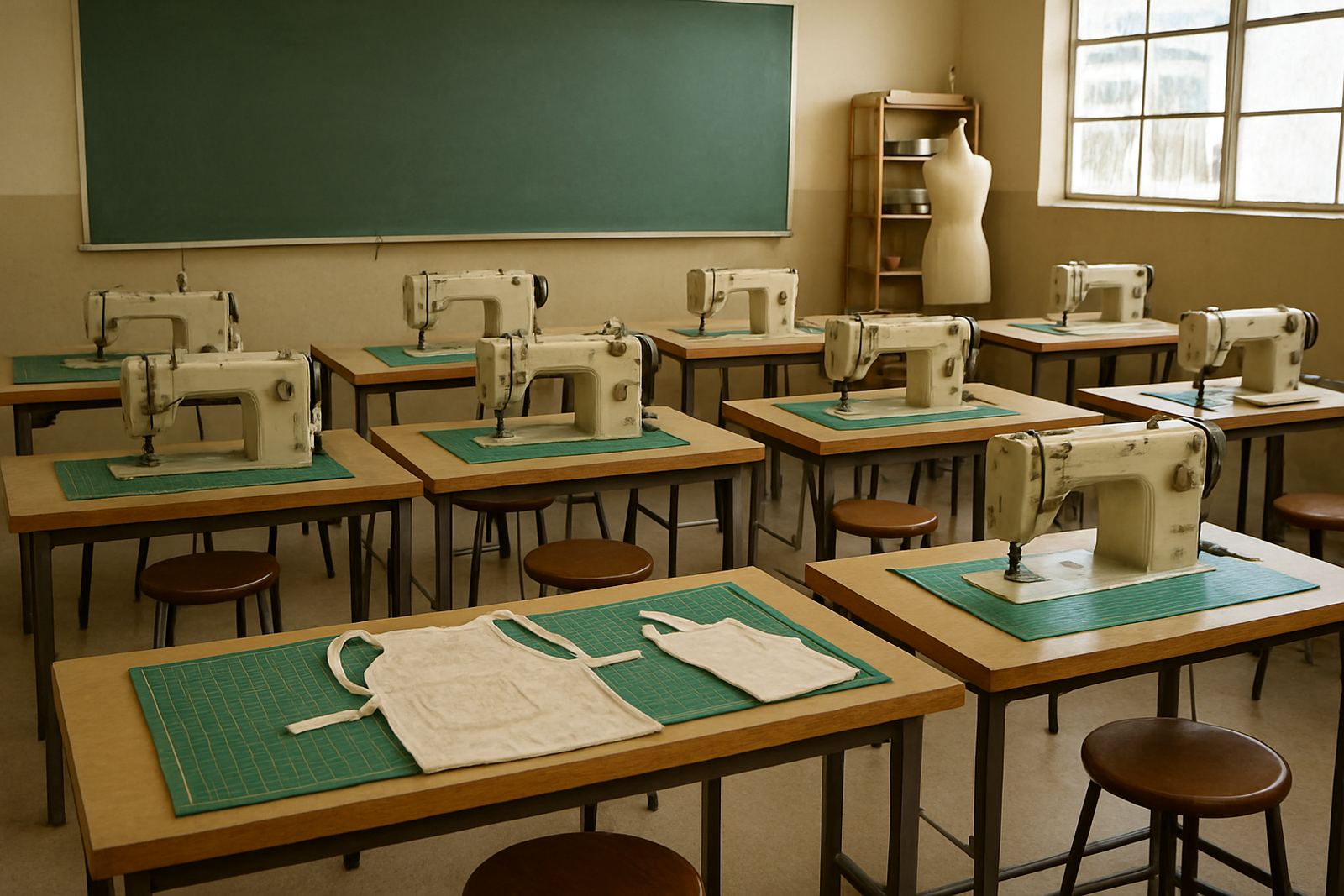
In a school setting the sewing room is not just about buying machines. It has to cope with first-time learners, repeated lessons, changing class sizes and the occasional power interruption. The room also needs clear walkways, proper storage for scissors and threads, and machines that can take regular use without confusing the learner or overloading the teacher.
For schools in Johannesburg CBD, Fordsburg, Mayfair, Soweto, Germiston, Pretoria, Alberton and Randburg, we usually start with the room itself. Where will learners queue, where will the machines sit, and where can the teacher watch the whole class at once. A tidy room reduces accidents and makes it easier to spot damage early, which saves money over time.
- Easy-to-use machines for beginners and mixed skill levels
- Safe spacing between tables, chairs and moving parts
- Storage for fabric, thread, needles and project work
- Lighting that supports close work and neat stitching
- Access to power points that are properly planned
Typical machine set for a school room
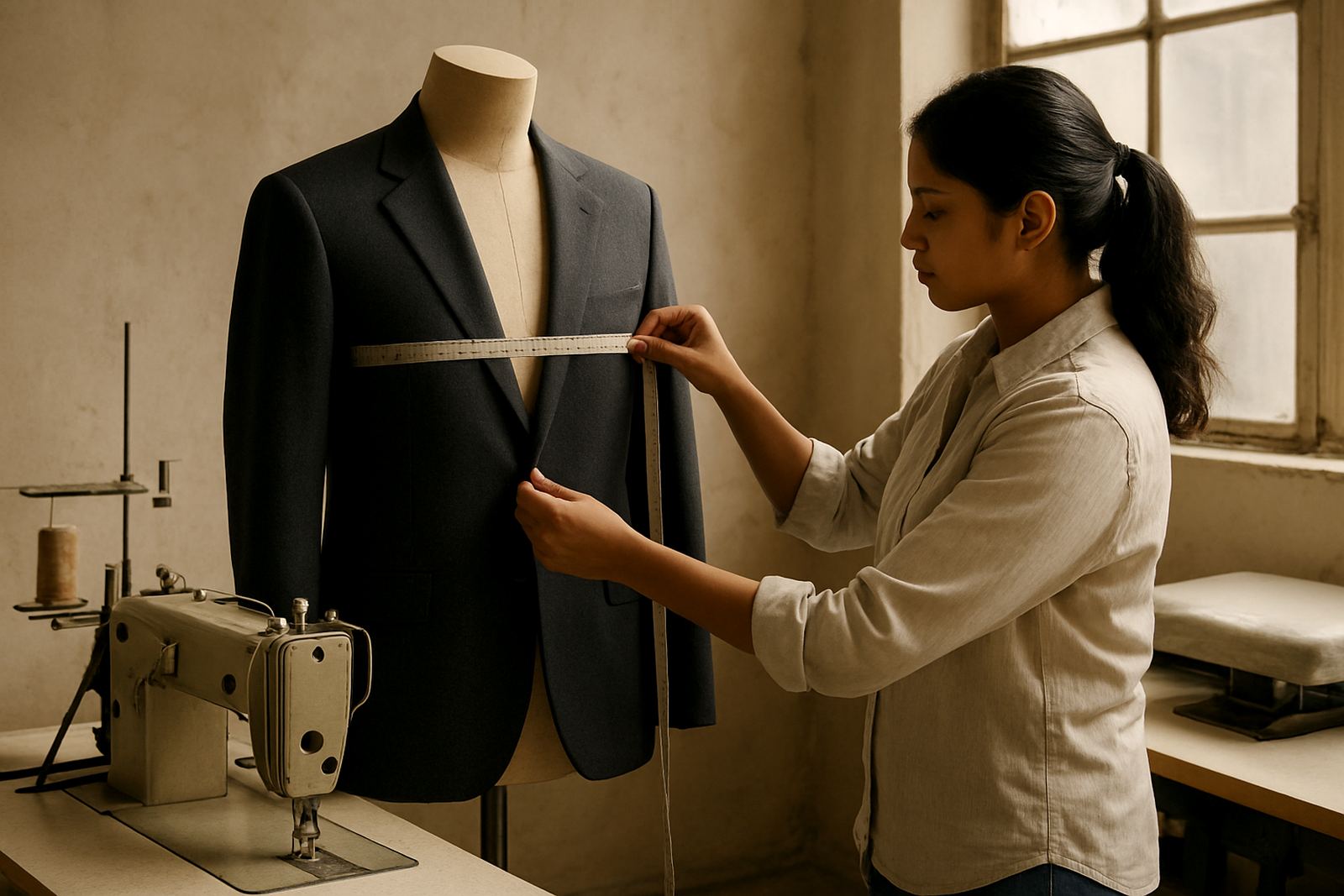
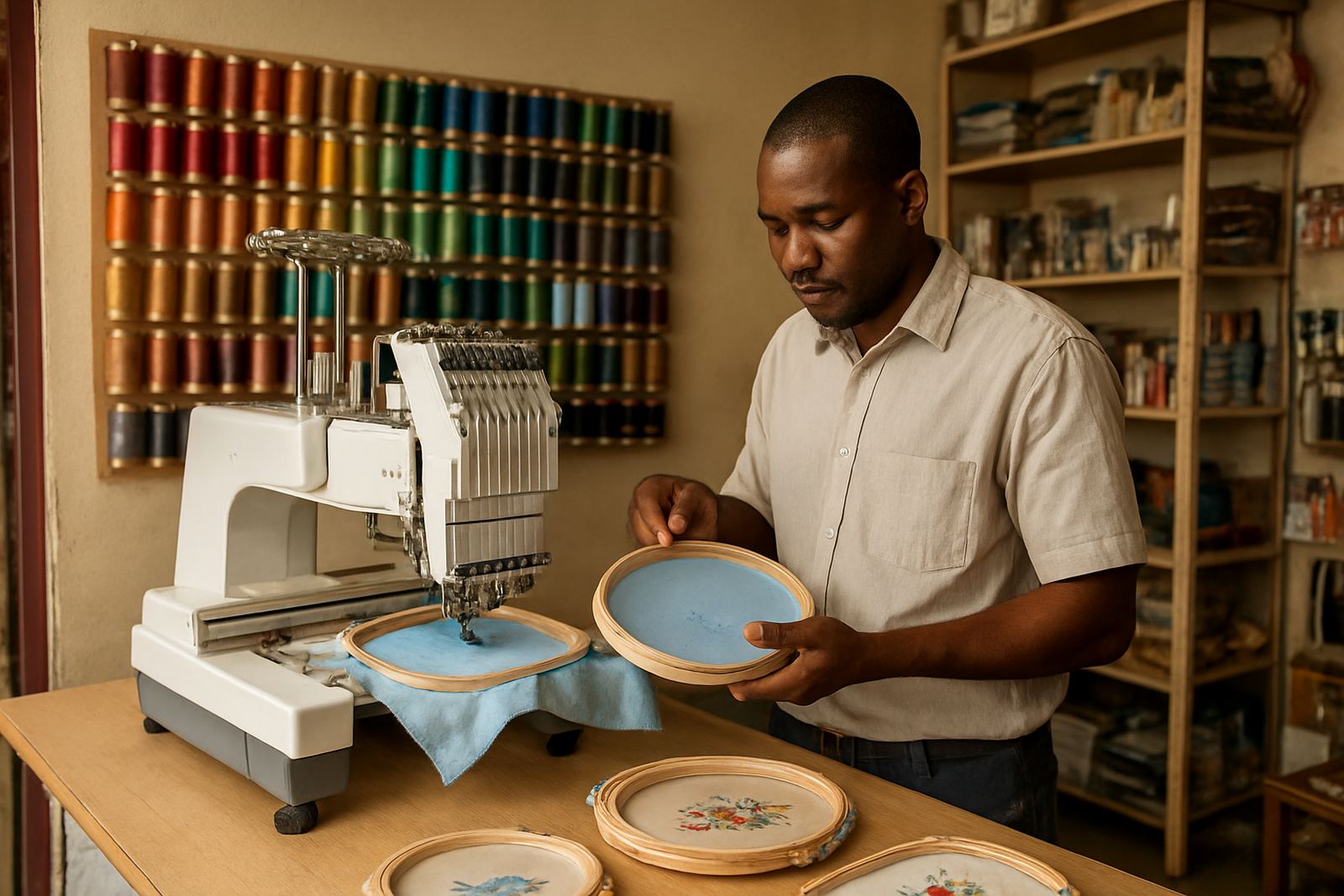
A strong school setup usually includes a mix of household machines for basic learning and a few heavier units for senior classes or teacher demonstrations. Where the school offers clothing, design or needlework subjects, we can also include an embroidery unit for sample work, as well as a fusing press for garment prep and small finishing tasks.
The exact mix depends on the grade level, the number of learners per class and whether the room is used for after-school clubs too. We often see schools do better with fewer machines that are properly maintained than with a large number of poorly placed units. If the teacher can supervise every station without walking too far, the room works better from day one.
- Household sewing machines for introductory lessons
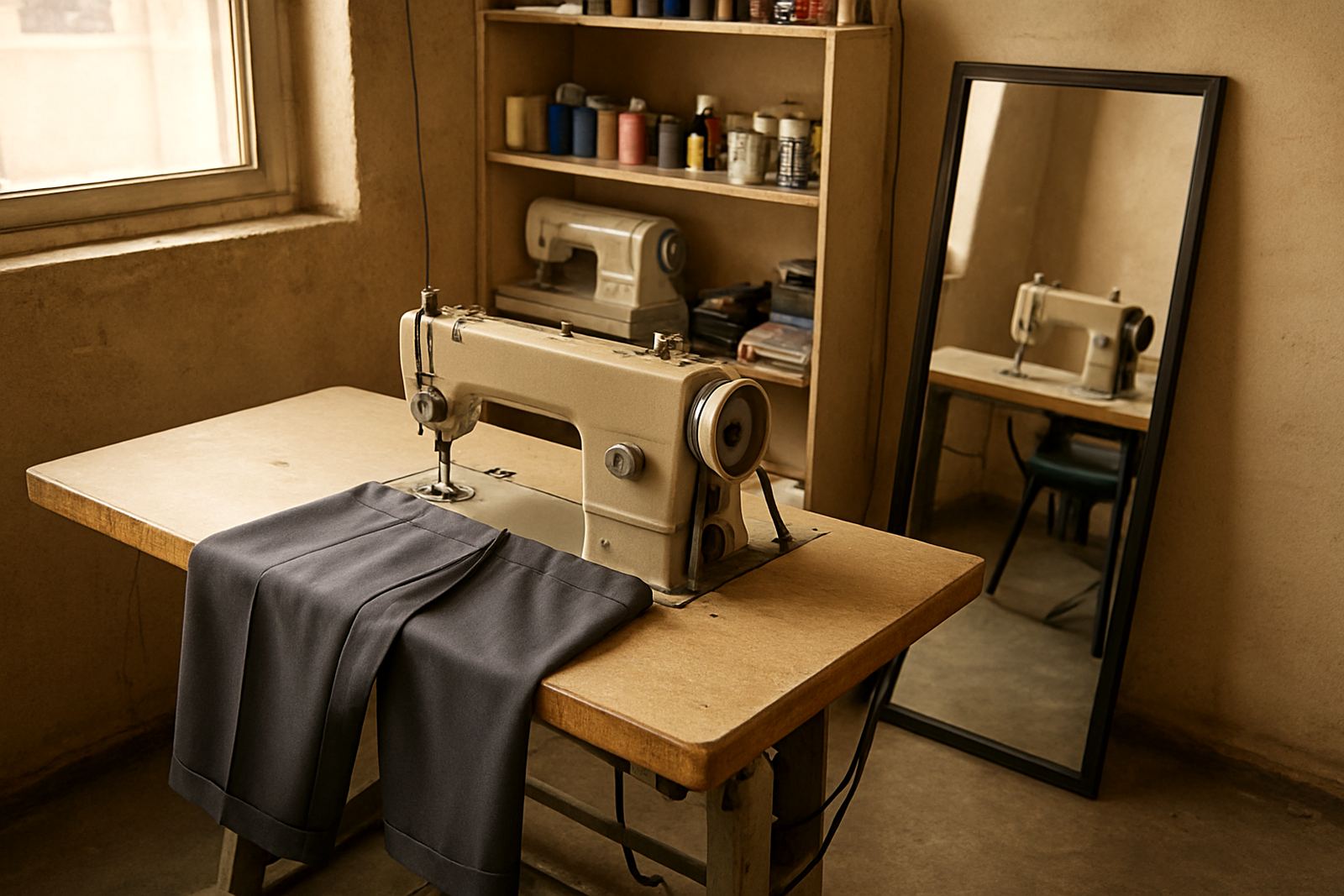
- Industrial straight stitch machines for older learners
- Overlock or finishing machines where the syllabus calls for it
- Computerised embroidery machine for sample work and demonstrations
- Fusing press for collars, hems and practical clothing lessons
- Spare feet, needles, bobbins, threads and small attachments
Layout and safety planning for learners
Good layout matters as much as the machine choice. In a school room, learners must move safely with fabric pieces, tools and finished work. We look at table height, chair spacing, plug point positions and the best place for a teacher station. The aim is to keep the room calm, practical and easy to supervise.
Safety planning should also include clear storage for sharp items, a place for ironing or pressing if that is part of the class, and a plan for covering machines when they are not in use. Load-shedding is another real issue. If the room has an inverter, backup power point or a sensible shutdown routine, the class can stop and resume without losing work or damaging machines.
- Keep aisles clear enough for movement during busy classes
- Do not place machines where learners can knock plugs or cords
- Use labelled storage for scissors, needles and small parts
- Set aside one area for cutting, not at the sewing stations
- Allow for natural light where possible, with backup lighting for winter afternoons
Routine support that keeps classes on schedule
School sewing rooms need regular attention, not only emergency repairs. Dust, thread lint and uneven tension can slow a lesson down very quickly. We provide routine servicing, timing adjustments, motor conversions where needed, and workshop repairs when a machine must be opened up properly. If a machine is taken from one term to the next without service, it often arrives with the same small issue repeated across several classes.
Our team can also train operators and teachers on daily checks, thread path setup and basic fault spotting. That kind of support makes the room easier to manage, especially when a school has a new teacher or a room used by more than one subject. Lerato Mokoena handles sales coordination, Yusuf Patel oversees the workshop, and Willem van Wyk handles field service for on-site callouts in Gauteng.
- Needle, bobbin and thread checks before each class block
- Regular oiling where the machine model allows it
- Cleaning lint from feed dogs, bobbin areas and motor vents
- Checking belts, foot controls and power leads for wear
- Setting stitch length and tension for learner-friendly results
Common mistakes schools make when buying machines
One common mistake is buying machines that are too advanced for the learner group. If the controls are confusing, the teacher spends the lesson on corrections instead of instruction. Another problem is underplanning the room and ending up with overcrowding, poor cable routes and no safe place for accessories. Those issues can make a good machine look bad very quickly.
Schools also sometimes overlook service access. If a machine must be moved through a narrow doorway or lifted over fixed furniture for every repair, it becomes a burden. Another mistake is leaving out consumables from the budget. Thread, needles, spare bobbins, machine oil and basic haberdashery should be included from the start, not added later when a class has already begun.
- Buying more machines than the room can safely hold
- Choosing models that are too technical for beginners
- Ignoring service access and future maintenance
- Forgetting consumables and small parts in the budget
- Placing pressing equipment too close to learner workstations
Budget ranges for school sewing rooms
Budget depends on class size, machine type and whether the school wants a simple starter room or a full practical sewing centre. A small starter setup for a school room can begin around R25 000 to R60 000, depending on how many machines and accessories are included. A stronger mid-range room with better furniture, more machines and support equipment often falls between R75 000 and R180 000.
For a more complete room with multiple machine types, embroidery capability, pressing equipment and extra training, budgets can move from about R200 000 upwards. We help schools plan the room around actual use, not just a catalogue list. That keeps the spend focused on what learners will use every week and avoids paying for equipment that sits unused.
Anneli, a school only has so much room and so much time in the timetable, so the best budget is the one that matches both. We can also phase the setup over more than one order if the school wants to start with essentials and add specialist items later.
How to get the room ready before term starts
Before the first lesson, it helps to check the room as if you are about to run a full practical class. Are the tables steady, are the chairs at the right height, is there enough light and are the machines positioned where the teacher can reach them quickly. If the room is planned properly, the class starts calmly and the learners settle faster.
From our Johannesburg CBD base, we support schools across Gauteng with machine installation, workroom planning, parts sourcing, routine servicing and on-site repairs. Farah Ismail coordinates customer support, and Anele Dlamini handles parts and stores, so the school can get the correct feet, needles, spares and attachments without unnecessary delay. If you are setting up a new school sewing room or improving an old one, the best time to sort it out is before the bell rings.