

What a training centre needs on day one
A good training room is not just a row of machines. It needs enough industrial and household units for group teaching, a few spare stations for demonstrations, and reliable power planning so lessons keep moving during load-shedding or when a breaker trips. For schools, community programmes, private academies and corporate skills projects, we help match the equipment to the level of the class and the sewing methods being taught.
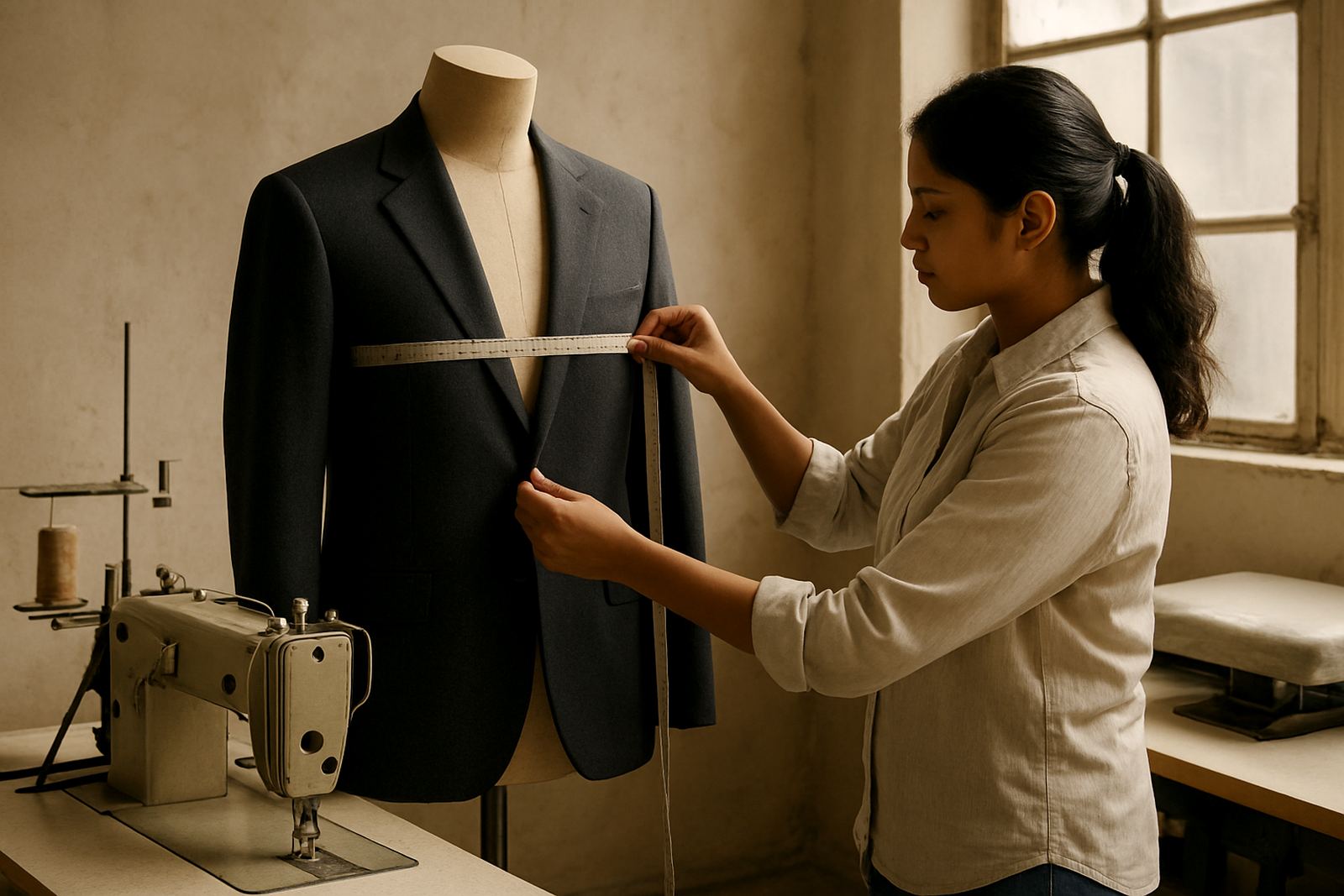
Most centres start with straight stitch machines, overlockers, zigzag units, pressing equipment and one or two computersied embroidery machines for advanced classes. If the aim is garment construction, sample making, alteration work or small production training, the room should be laid out so learners can move from cutting to sewing to pressing without crowding each other.
Typical equipment set for classroom and workshop use
The right mix depends on class size, budget and whether the centre teaches beginners, trade learners or adult upskilling. In Johannesburg CBD, Fordsburg and Mayfair we often supply mixed sets that combine practical teaching value with enough durability for daily use.
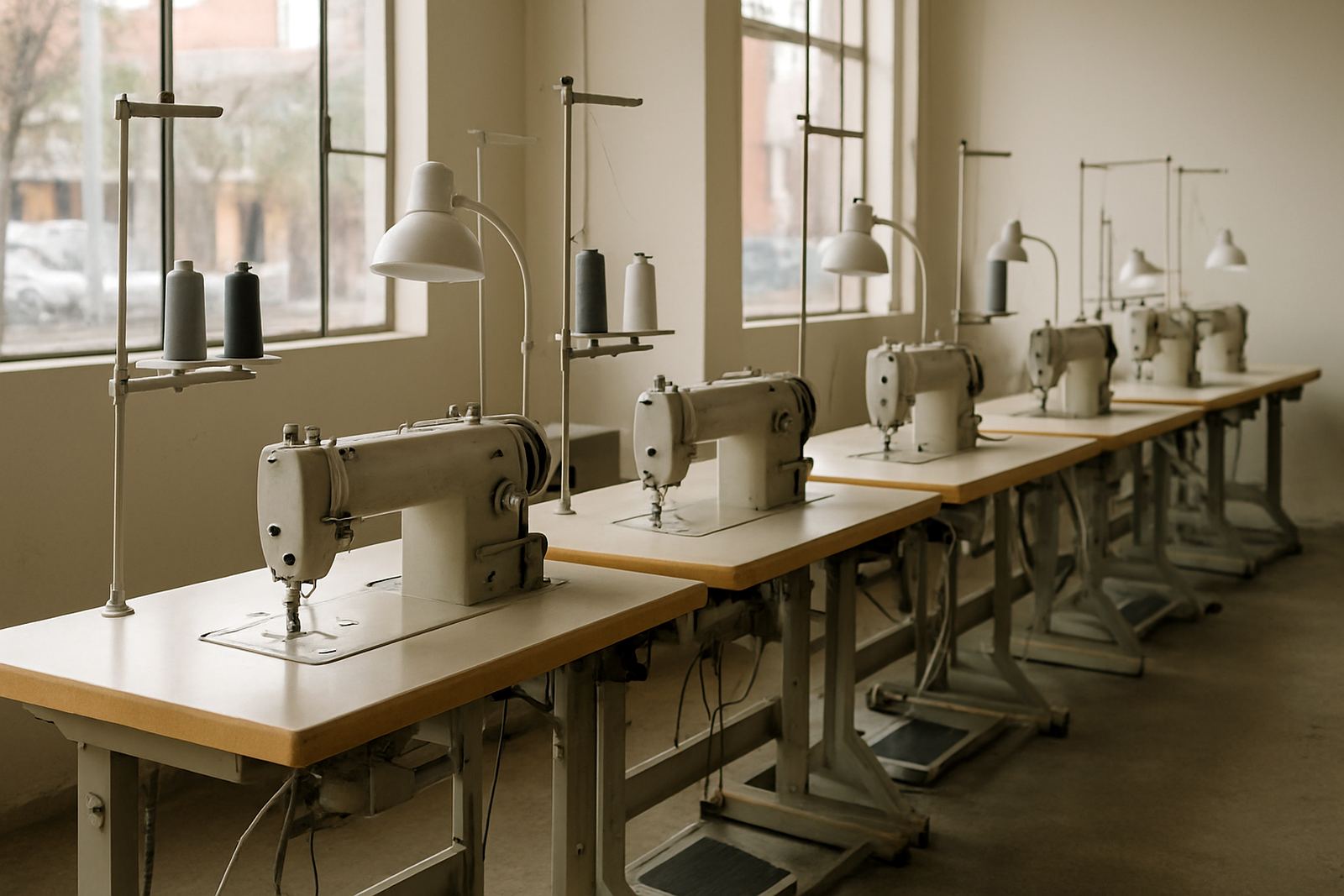
- 6 to 12 industrial straight stitch machines for core sewing practice
- 2 to 4 overlockers for edge finishing and speed work
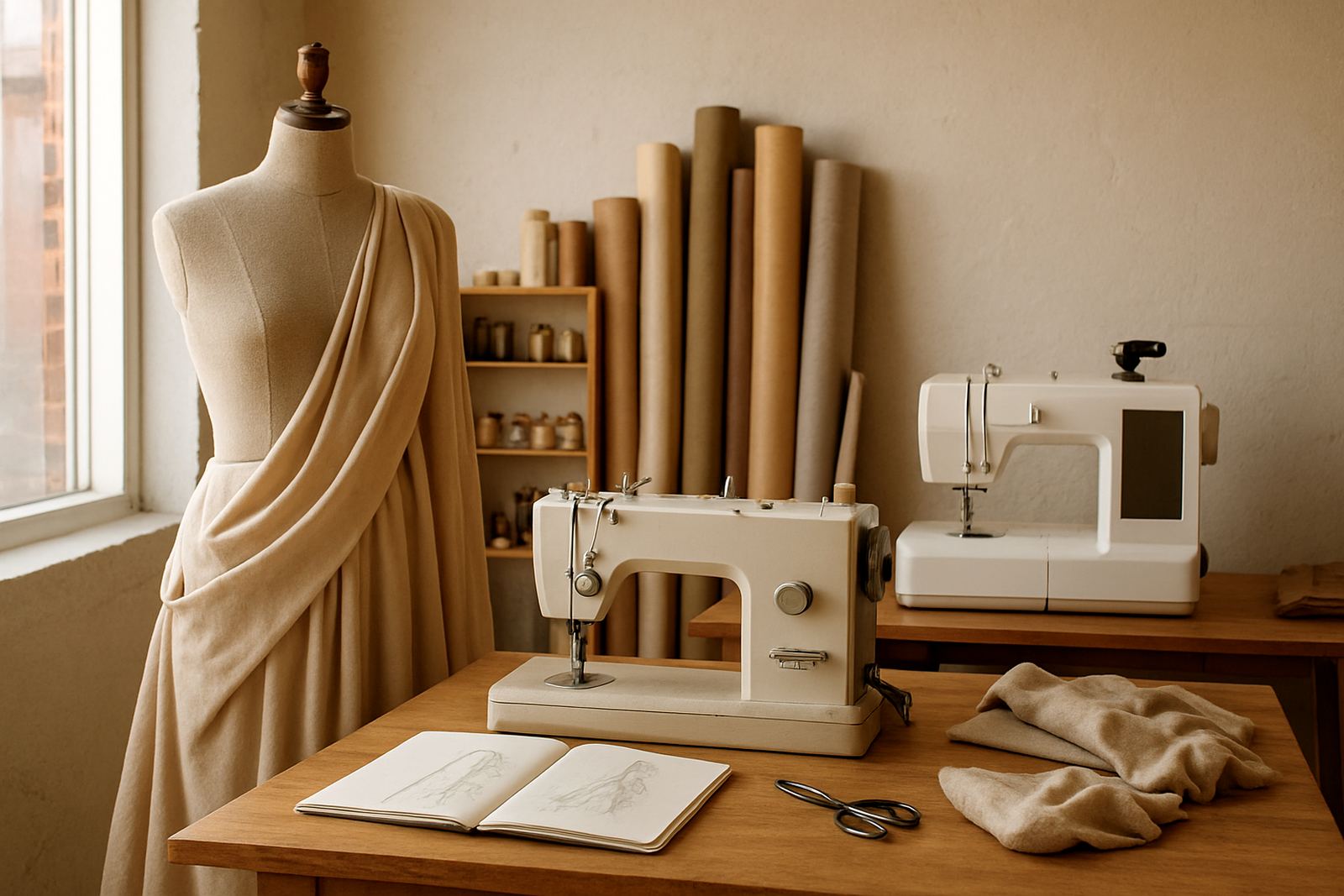
- 1 to 2 household machines for beginner familiarisation
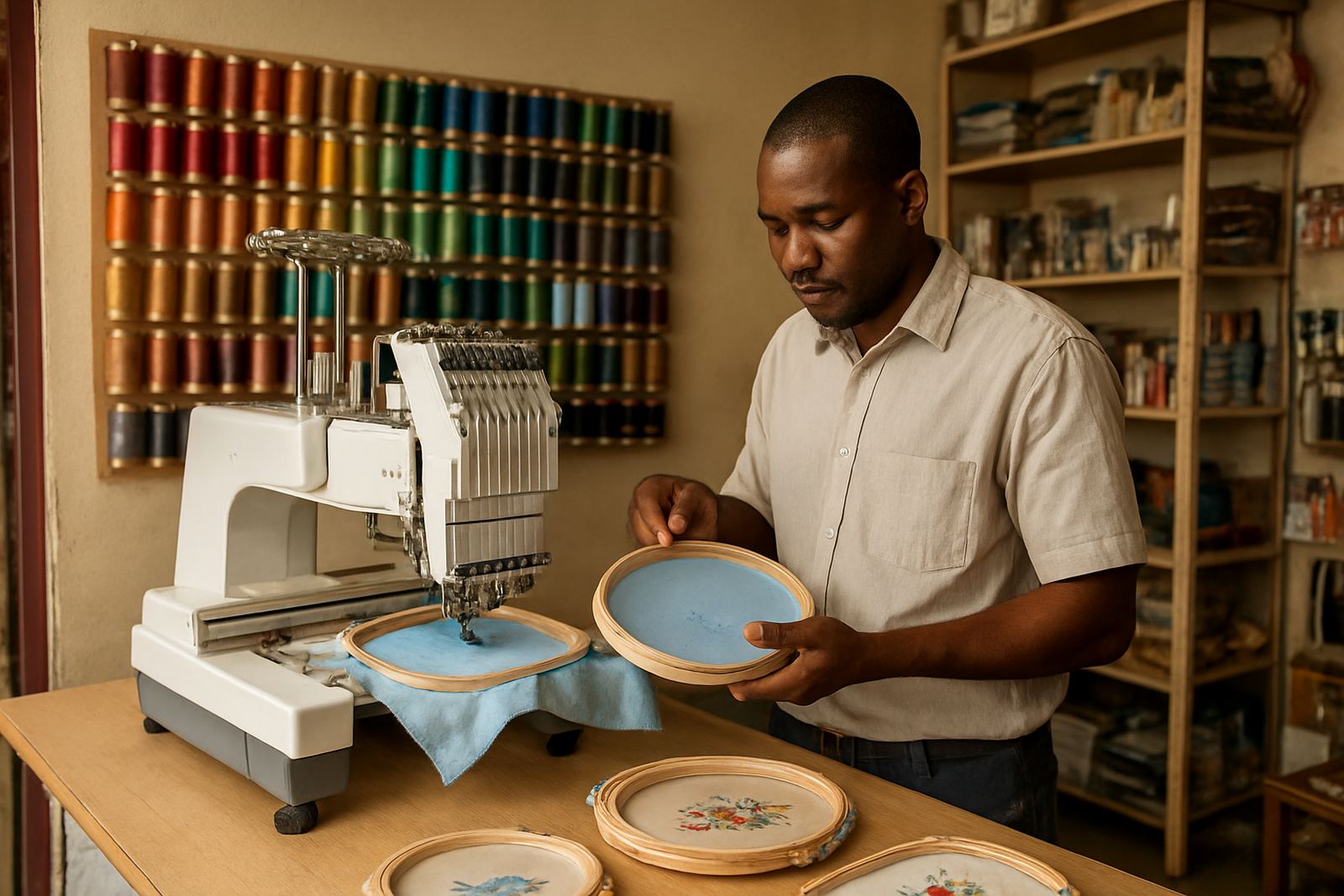
- 1 or 2 computerised embroidery machines for design training
- Fusing presses and pressing stations for garment finishing
- Basic attachments, spare needles, bobbins, feet, threads and haberdashery
For centres in Soweto, Germiston and Pretoria, we also look at transport access for servicing, storage for thread and notions, and whether machines will be used all day by different groups. If the intake is large, it is often better to buy fewer embroidery units and more sewing stations first.
Layout and room planning that keeps lessons moving
Training rooms fail when the layout looks neat on paper but does not work during class. Leave enough space between machines for instructors to walk through, check seams and correct posture. Put pressing equipment near the sewing stations but away from the entrance, so hot surfaces and movement do not clash. Cut tables should be stable, at a workable height and close to the storage area for fabric and patterns.
We usually advise a plan that separates noisy or vibration-heavy equipment from the quieter teaching area. Good light matters too, especially for thread colour matching and detail work. In older buildings around Johannesburg CBD, power points are not always in the best places, so a proper planning visit can save a lot of rewiring later on.
- Allow clear walkways for instructors and emergency access
- Place plug points where machines will actually stand, not where the wall is convenient
- Keep thread, tools and scissors in labelled storage to reduce losses
- Use wall charts or sample boards for stitching and machine care
- Plan for ventilation if fusing presses and irons are used for long periods
Common mistakes when setting up a training centre
One common mistake is buying too many different machine types before the trainers have settled on the syllabus. Another is choosing machines only on price, then finding that parts are hard to source or the machines need constant attention. In a busy training environment, downtime affects the whole class, not just one learner.
We also see centres underestimating the need for operator training and routine servicing. A machine can look simple, but timing, tension and motor setup must be correct if learners are to work with confidence. If the room has embroidery machines, staff need a basic process for file loading, thread checks and hoop handling. Without that, the machines sit idle while the class waits.
For schools and non-profit programmes, another issue is storage. Haberdashery, threads and accessories disappear quickly when there is no inventory control. A simple parts register and sign-out system usually saves money within the first term.
Budget ranges for practical training equipment
Budgets vary a lot depending on whether you are fitting out one room or several, and whether the machines are new, reconditioned or a mixed set. As a rough guide for Gauteng training centres, a small beginner room can start from about R35,000 to R80,000. A mid-sized practical lab with multiple industrial stations and pressing equipment often falls between R90,000 and R220,000. Larger setups with embroidery training, more sewing positions and stronger workshop support can run from R250,000 upward.
These figures should include more than the machines alone. Allow for installation, basic attachments, threading supplies, worktables, chairs, electrical checks and first servicing. If the building is in an area where power dips are common, motor conversions or backup planning may also be worth budgeting for.
Support for training centres across Johannesburg and Gauteng
We work with centres in Johannesburg CBD, Fordsburg, Mayfair, Soweto, Germiston, Pretoria, Alberton and Randburg, with on site support where needed. Our team handles installation, workshop repairs, routine servicing, embroidery setup, fusing press service, parts sourcing and operator training. For centres opening a new room, Lerato Mokoena and Yusuf Patel often help shape the equipment list, while Naledi Khumalo supports embroidery questions and Willem van Wyk handles field service visits.
When a centre needs to start quickly, we can help get the room running in stages rather than waiting for every item to arrive at once. That way learners can begin with the core sewing machines and pressing area while the rest of the workshop is still being fitted out.
- Machine installation and timing adjustments
- Routine servicing and on site repairs
- Parts sourcing and attachment supply
- Embroidery setup and fusing press service
- Workroom planning for new or expanding centres