
Brief For A Bridal Workroom In Alberton
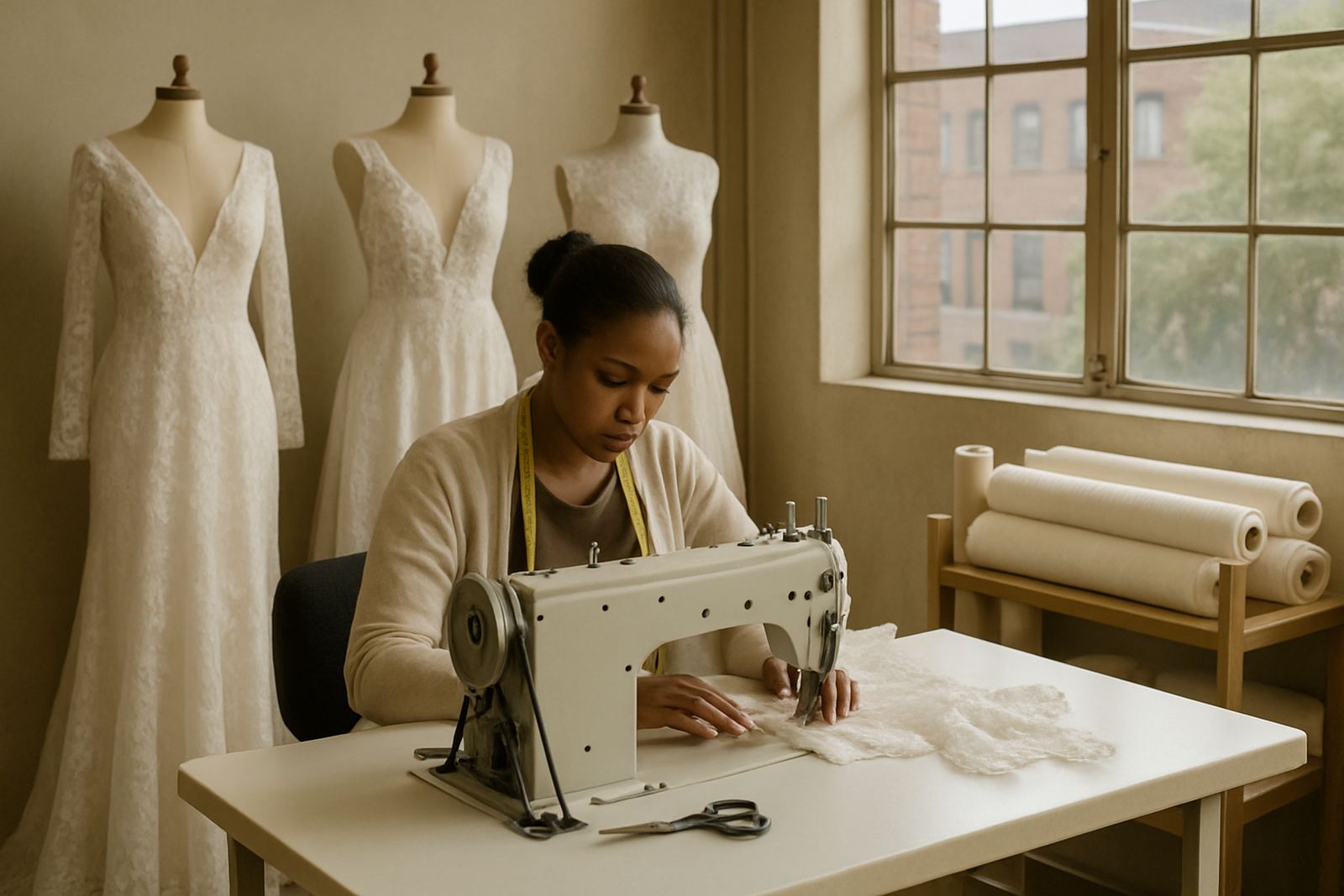
The client was a bridal studio in Alberton handling made to measure gowns, alterations and final finishing for brides and bridesmaids. Their main need was a sewing space that could move from delicate lace work to heavier hemming, with dependable machines that would hold stitch quality through long fitting days.
The brief was clear. They wanted a practical setup for a small team, enough bench space for cutting and dress prep, and equipment that would cope with frequent changes in fabric weight. The studio also needed cleaner thread control, better lighting around the sewing line and a pressing area that would not leave marks on satin or tulle.
- Location: Alberton, Gauteng
- Client type: bridal sewing studio
- Main work: fittings, alterations, finishing and embellishment
- Time on site: 3 weeks from layout to handover
What Made The Space Tricky
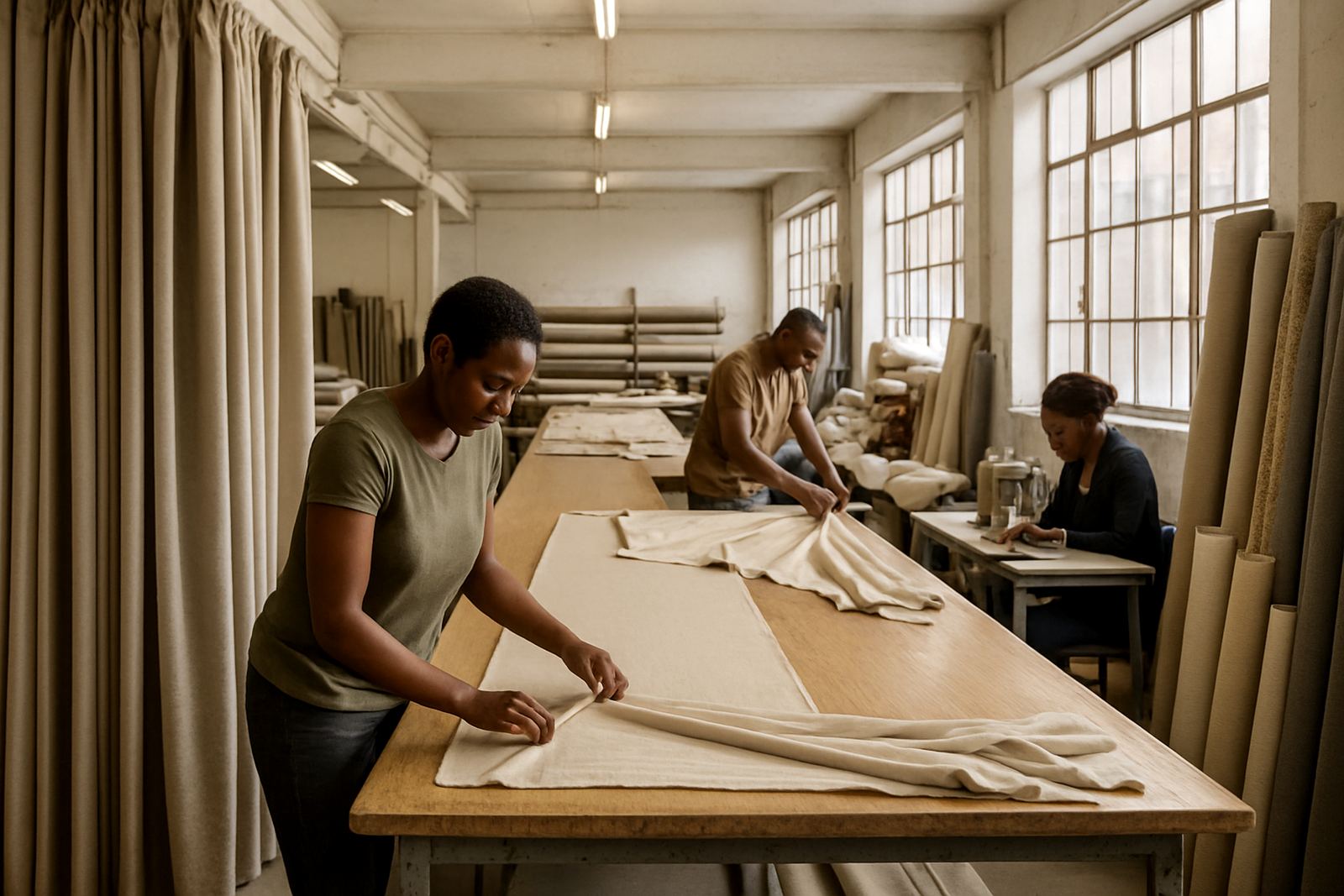
Bridal work sounds simple until you try to fit it into a busy room with limited floor area and uneven power use during load-shedding. The studio needed a layout that kept pathways open for dress rails, fitting mirrors and staff movement, while still leaving enough room for sewing tables and a pressing station.
There was also the issue of fabric handling. Lightweight linings, delicate outer layers and beaded panels all need different machine settings. One loose thread or hot soleplate can cause damage, so we planned the room around controlled movement, careful machine placement and a service routine that would keep every station consistent.
- Space needed for gowns on rails and in work in progress
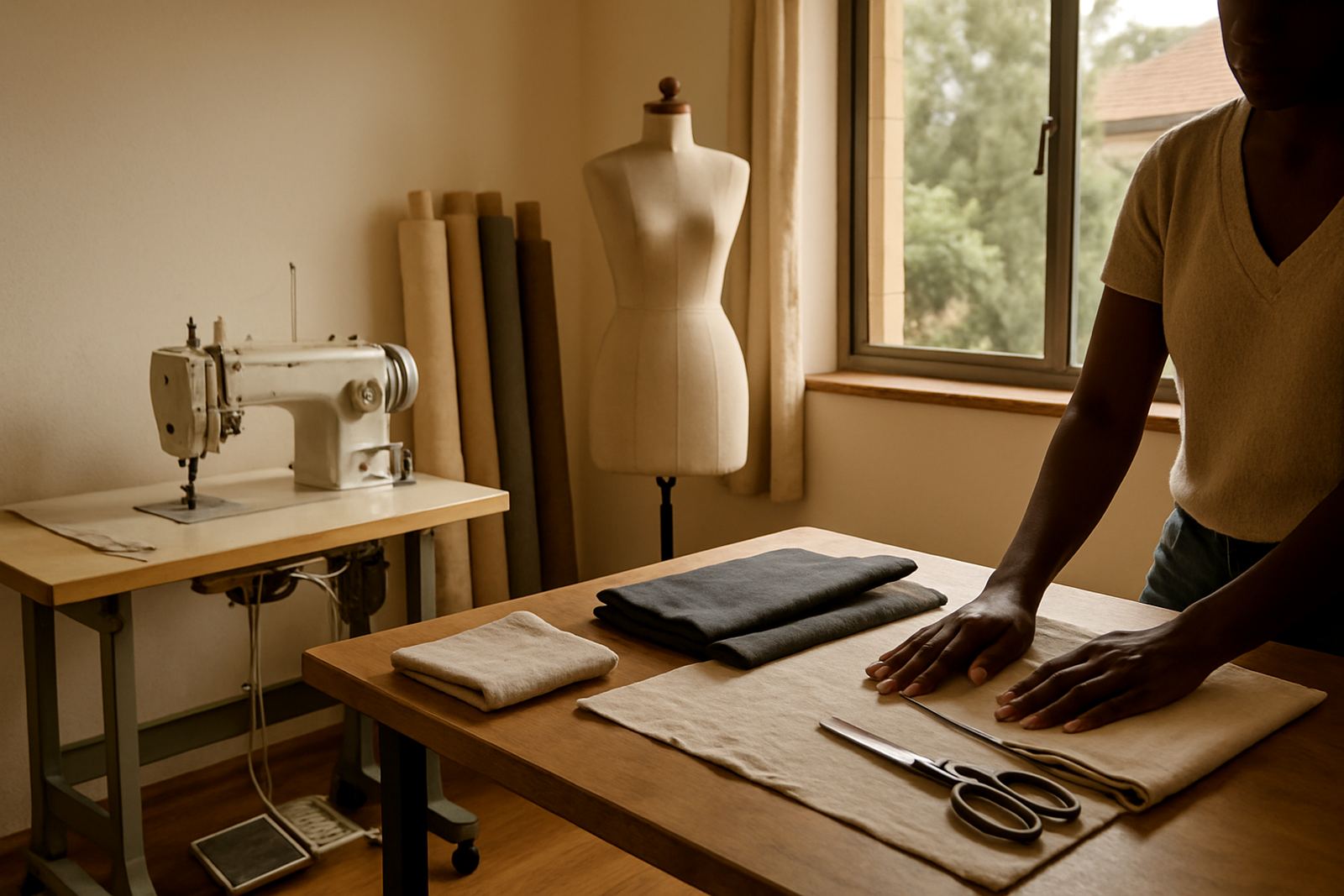
- Stable sewing tables for fine control
- Reduced heat risk at the pressing station
- Machine setup that could handle both light and medium weight fabrics
Machines, Pressing And Setup We Supplied
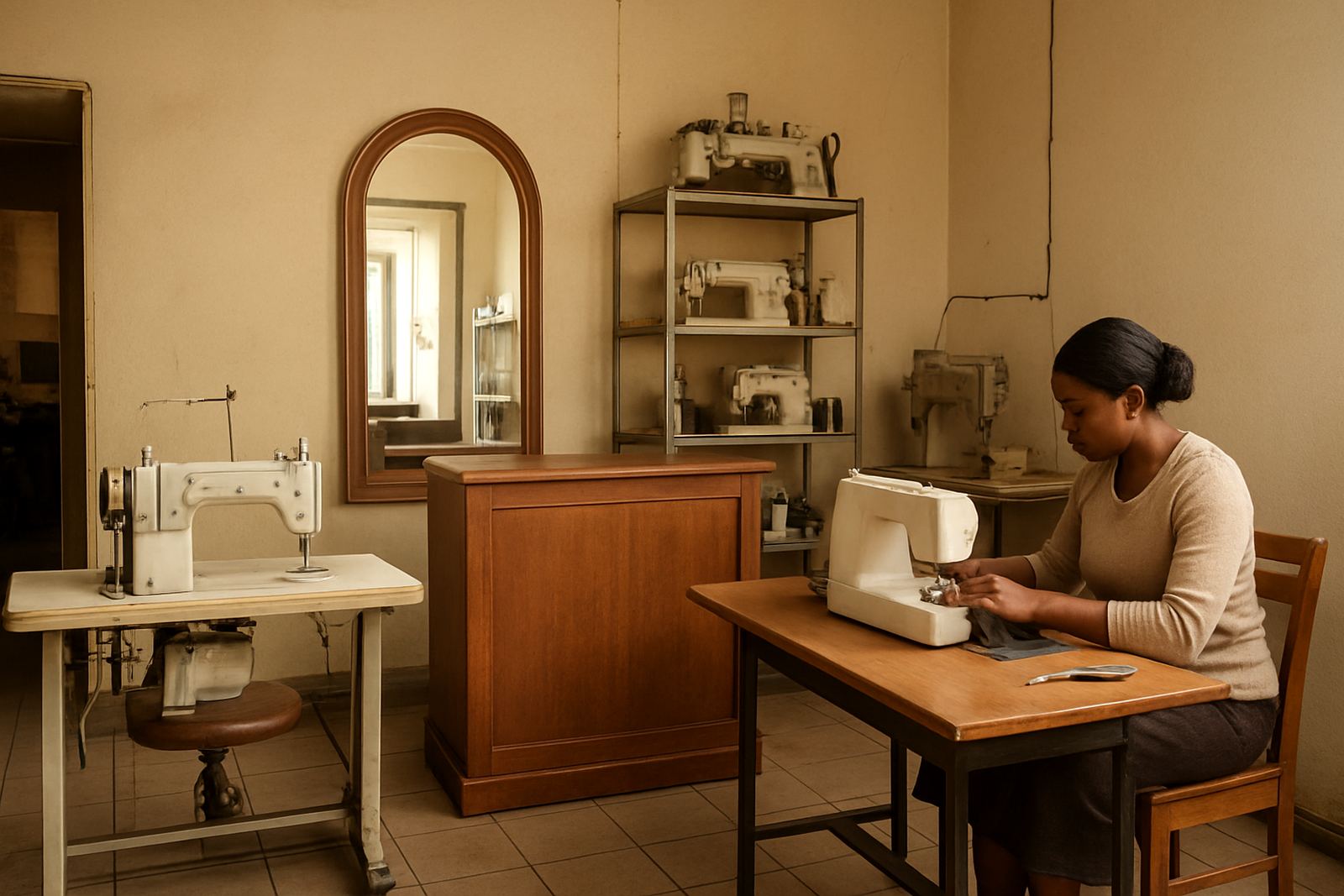
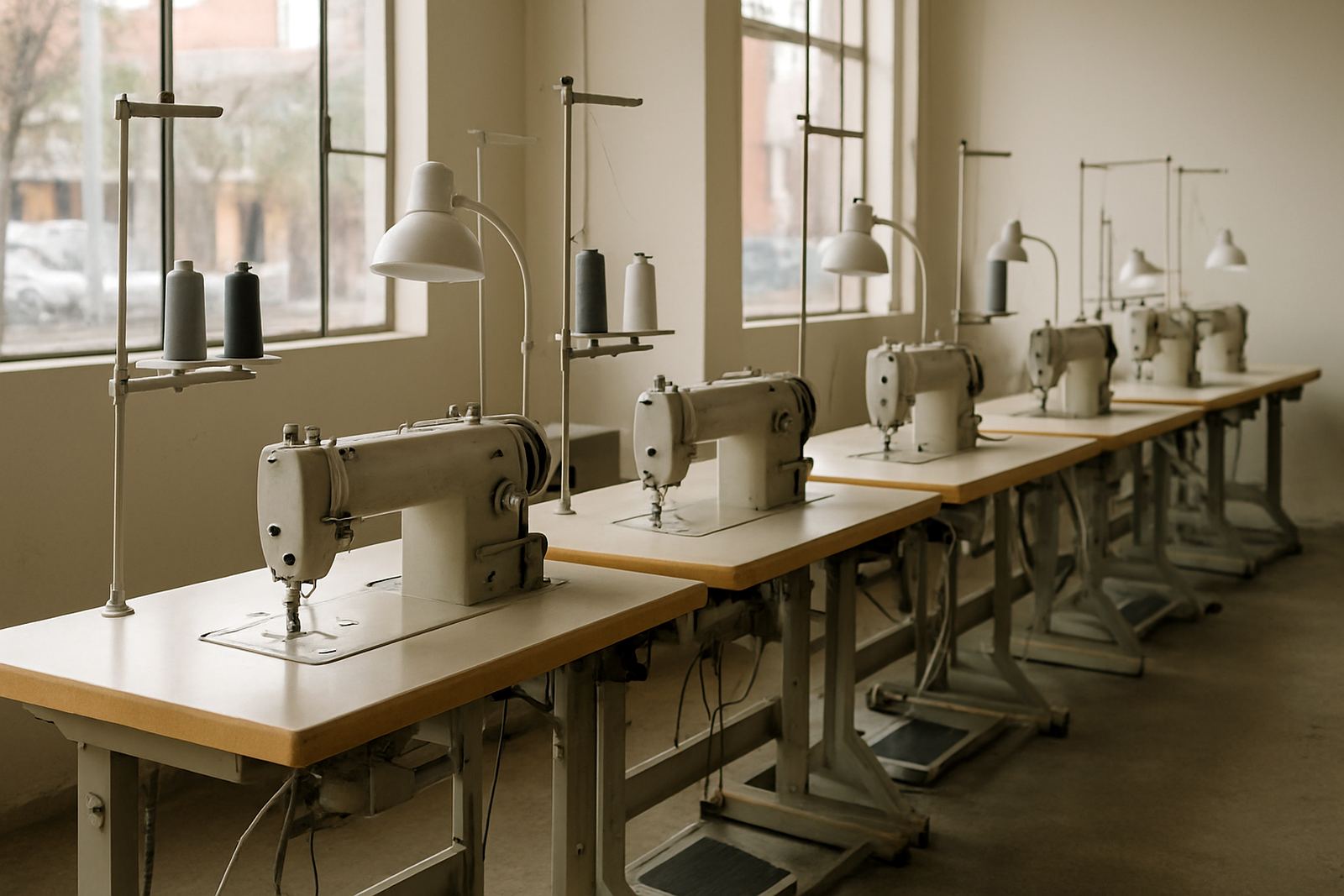
We supplied and installed a mix of industrial and household sewing machines suited to bridal alterations, sample making and detailed finishing. The room included straight stitch units for precise seams, zigzag-capable machines for stretch support and an embroidery machine for monograms, bodice details and small decorative runs. We also set up a fusing press and a compact pressing station for interfacing, hems and collar work.
Each machine was positioned with operator comfort and thread flow in mind. We checked motor response, needle alignment, tension range and bobbin behaviour before handover. The fusing press was set for controlled heat and pressure so the team could work on delicate layers without scorching or shine marks. That matters a lot in bridal, where one bad press can waste a garment.
- Industrial straight stitch machines for seams and alterations
- Household units for lighter, more varied jobs
- Computerised embroidery machine for detail work
- Fusing press and pressing station for finishing control
Workshop Work And On Site Fine Tuning
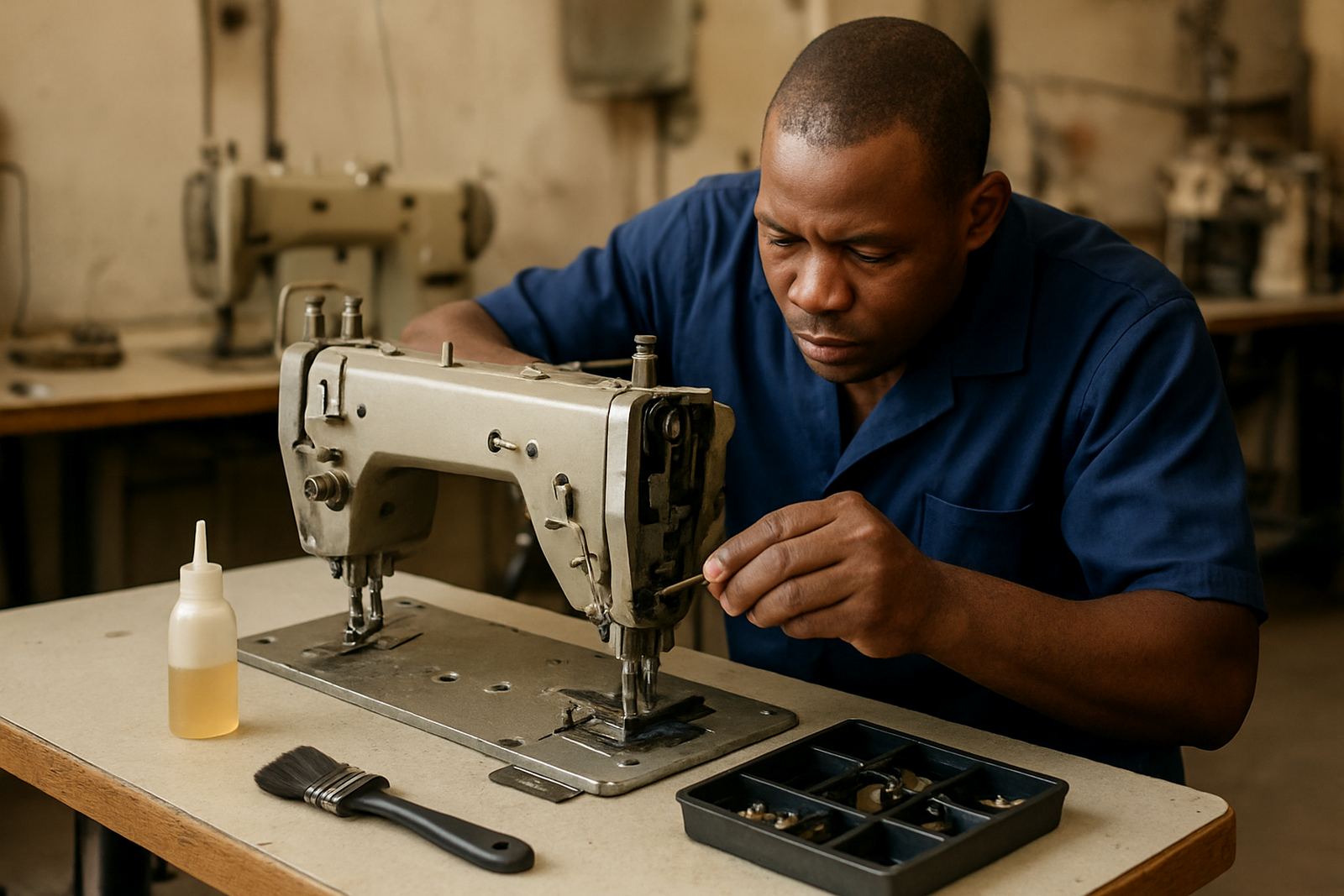
Our workshop team handled the initial preparation, then we completed the final setup on site in Alberton. The work included timing adjustments, motor checks, feed balance and a full clean on the main sewing units. We also ran through thread path correction and needle selection for slippery fabrics, because bridal satin and chiffon can pull badly if the setup is off.
Where needed, we adjusted machine stands and table height so the staff could sew longer pieces without strain. Willem handled the field checks, while Yusuf and Naledi focused on stitch quality and embroidery setup. Farah kept the handover notes in order and made sure the studio had a simple service plan for future maintenance. The result was a room that felt ready to use, not just fitted out.
- Timing adjustments completed on all main units
- Needle and thread paths checked for fine fabric work
- Operator positions adjusted for comfort and visibility
- Embroidery setup tested with small sample runs
How The Studio Performs In Daily Use
After handover, the bridal team had a cleaner flow between sewing, fitting and pressing. They could move a garment from cutting to seam construction, then to fitting and finishing without crossing over the whole room. That saved time during busy wedding seasons and reduced the chance of mix ups between garments.
The biggest improvement was consistency. Stitch quality stayed steady across different fabric types, and the team had better control when working on hems, sleeves and bodice alterations. The press area also helped with final presentation, so garments left the room looking clean and properly finished. Even during power interruptions, the layout made it easier to pause and restart work without upsetting the whole day.
- Better flow between sewing and pressing stations
- Less handling of delicate garments
- Cleaner finishing on hems, seams and linings
- Quicker turnaround for fittings and final alterations
What We Would Do Again For A Similar Job
If we were doing the same kind of bridal studio again, we would keep the same approach: plan the room around the garments first, then choose machines and pressing gear to suit the work. Bridal spaces need a calm layout, not a crowded one. They also need service access, because a machine fault on a Thursday can affect a weekend fitting schedule very fast.
We would also repeat the early training. A short session on thread tension, needle choice, pressing temperatures and daily cleaning gives the team confidence and avoids avoidable damage. For this Alberton studio, that practical start made the difference. The machines were not just installed, they were set to work properly from day one.
- Start with garment flow before placing machines
- Use a separate pressing zone where possible
- Train the team on daily care and fabric handling
- Keep spare needles, belts and thread on hand
Key facts
| Project location | Alberton, Gauteng |
|---|---|
| Project duration | 3 weeks |
| Primary client type | Bridal sewing studio |
| Main equipment supplied | Industrial and household sewing machines, embroidery machine, fusing press, pressing station |
| Work carried out | Installation, on site repairs, routine servicing, timing adjustments, embroidery setup, operator training |
| Key outcome | Better stitch control, safer pressing and faster garment turnaround |