Rosettenville brief: fast turnaround in a small workroom
The client was a local alterations business in Rosettenville handling everyday clothing repairs, school uniform work, trouser hems, dress adjustments and urgent same day collection. The owner wanted a compact workroom that could serve walk in customers and still keep up when the queue built up on a Saturday. The main goal was speed without losing stitch quality, because a poor hem or weak zip job costs repeat business very quickly.
The brief was straightforward but specific. The team needed reliable machines for mixed fabrics, a proper pressing point, tidy thread storage and a layout that would let one person measure, another stitch and a third press or finish garments. Space was limited, so every item had to earn its place on the floor. The shop also needed to cope with load-shedding and voltage dips, which are common in the area and can affect motor performance and heat on pressing equipment.
What the shop needed to handle every day
Because alterations work is broad, the equipment had to manage everything from fine blouse fabric to heavy denim, school pants and jacket seams. The owner also asked for a setup that would be easy to train new staff on, since casual helpers are often brought in during peak seasons. We worked from that list and kept the machinery selection practical rather than oversized.
- Fast hems and basic garment repairs on light and medium fabric
- Zips, seam rework and top stitching on thicker items
- Pressing for crisp finishes before handing garments back
- Thread, needles, bobbins and common haberdashery on site
- A floor plan that left room for fittings and customer movement
We also considered noise, dust and heat in the workspace. Rosettenville has busy street activity and many small shops work in tight premises, so the shop needed equipment that could run steadily without making the room uncomfortable for staff and customers.
Equipment supplied and the workshop layout
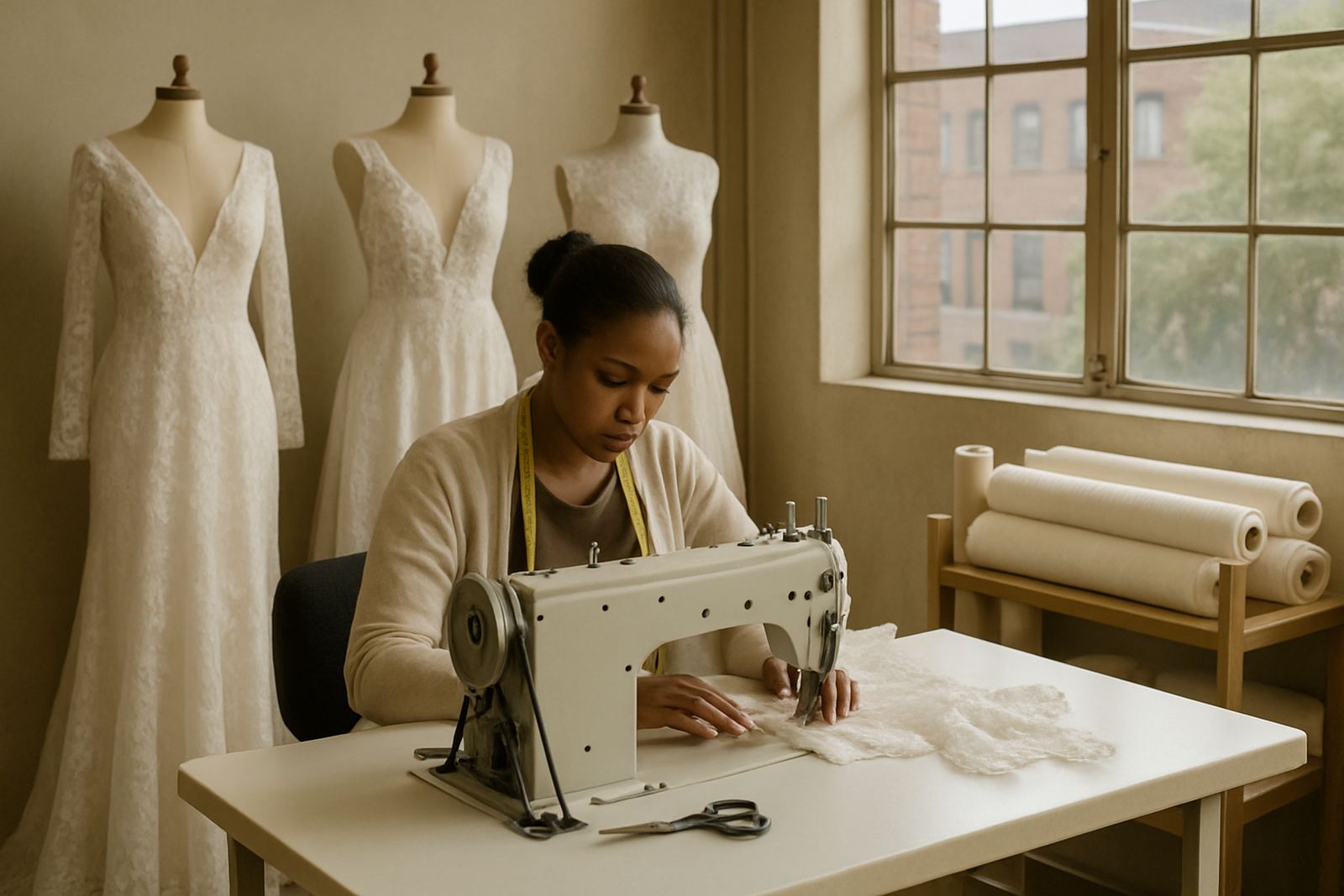
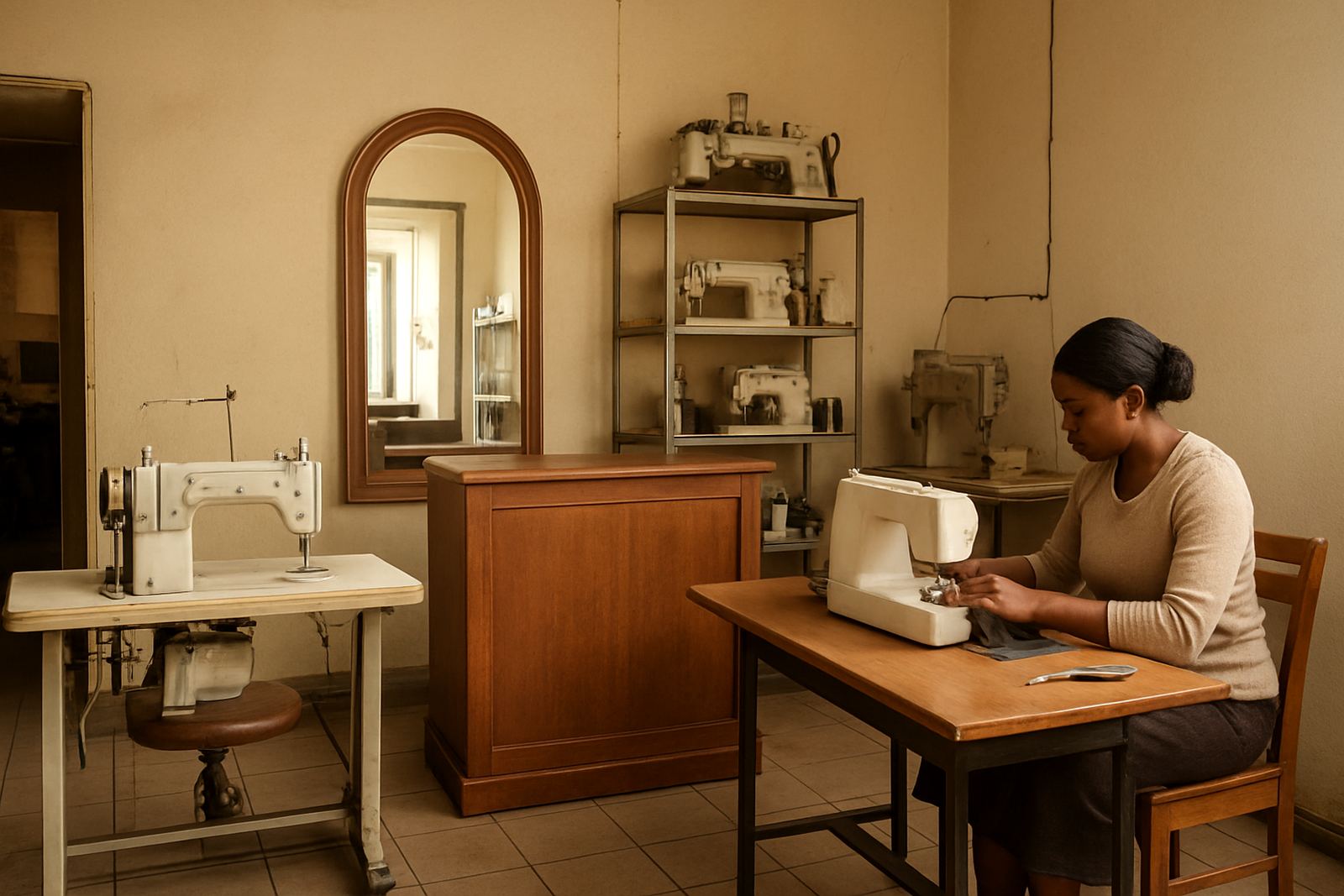
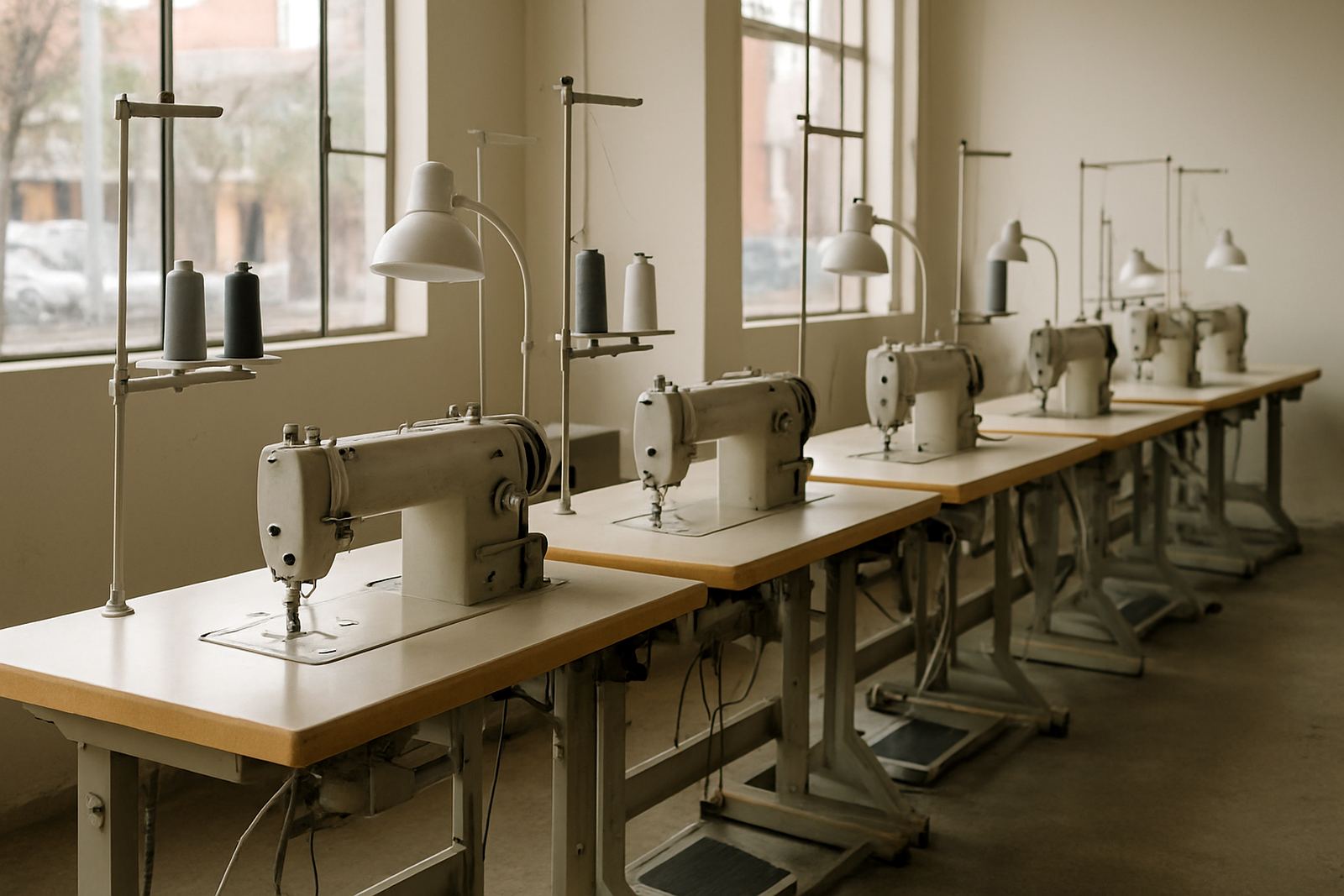
We supplied a mixed alterations setup built around durable industrial sewing machines, a household machine for lighter finishing work, an overlock machine for neat edge work, and a compact fusing press for collars, facings and small repair jobs. A reliable pressing station was included so garments could be finished properly before collection. We also provided attachments for zip insertion, hemming and general attachment work, plus spare parts and consumables to avoid unnecessary delays.
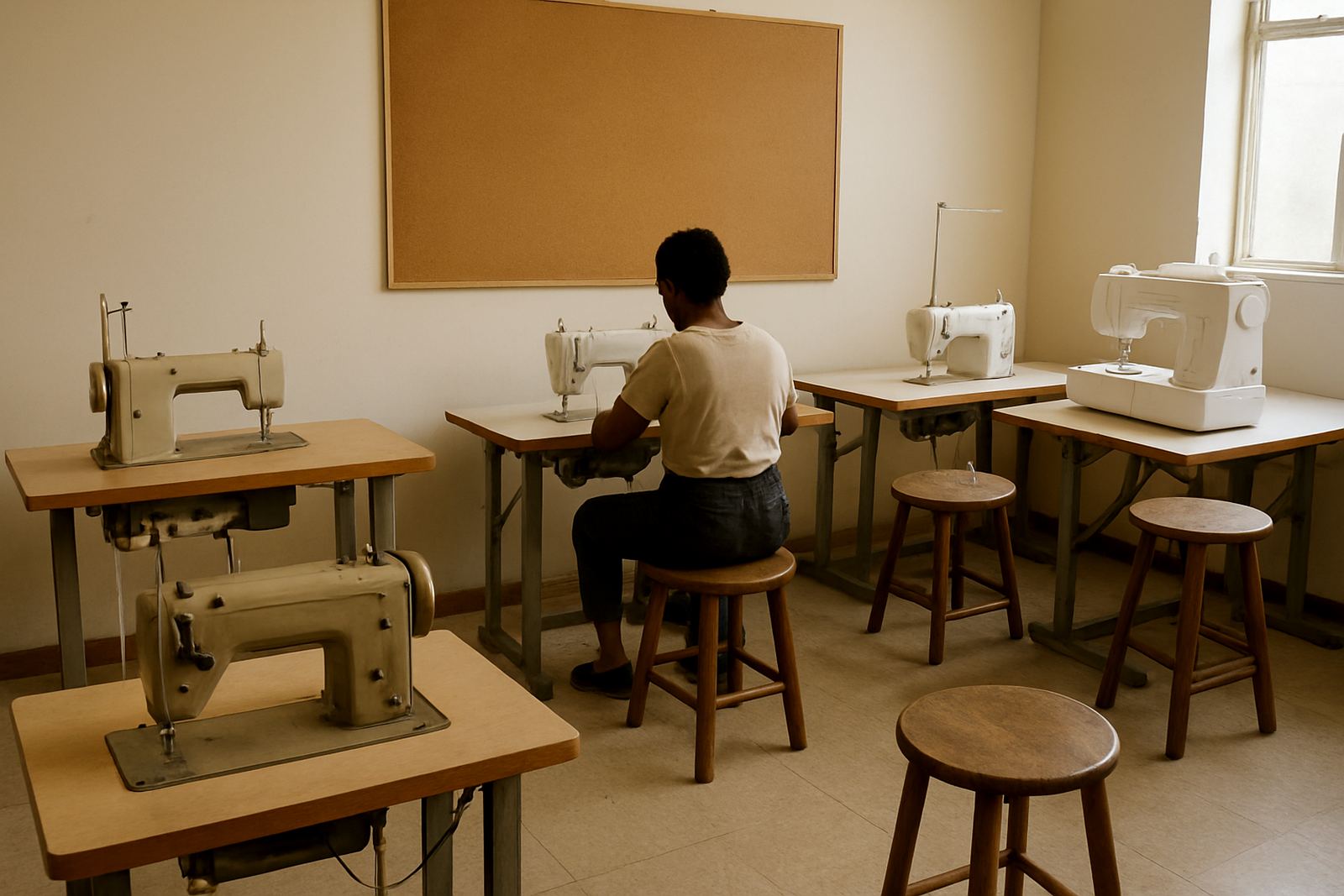
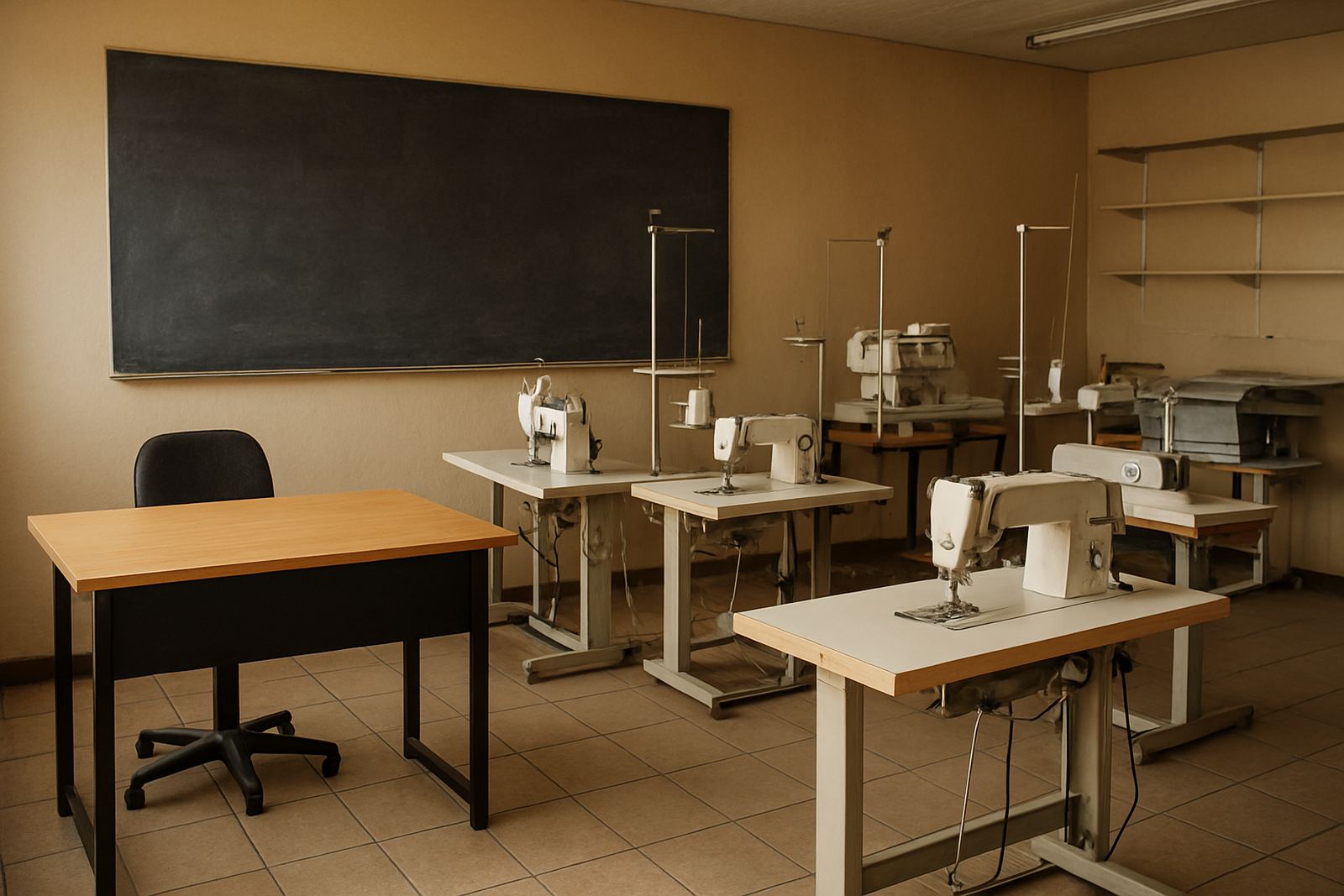
The floor plan was arranged in a simple sequence: measuring and marking at the front, stitching in the middle, pressing at the back, with thread and parts kept close to the machine stations. That reduced walking time and helped the team keep momentum during busy periods. The shop now has a proper service path for garments too, which means items move in one direction instead of doubling back across the room.
- Industrial straight stitch machine for core alterations work
- Overlock machine for edge finishing and fraying control
- Household machine for lighter garments and fine stitching
- Compact fusing press for small adhesion jobs and reinforcement
- Pressing station with heat control for clean final finishing
- Spare parts, needles, oil, attachments and thread stock
Installation, setup and the first test runs
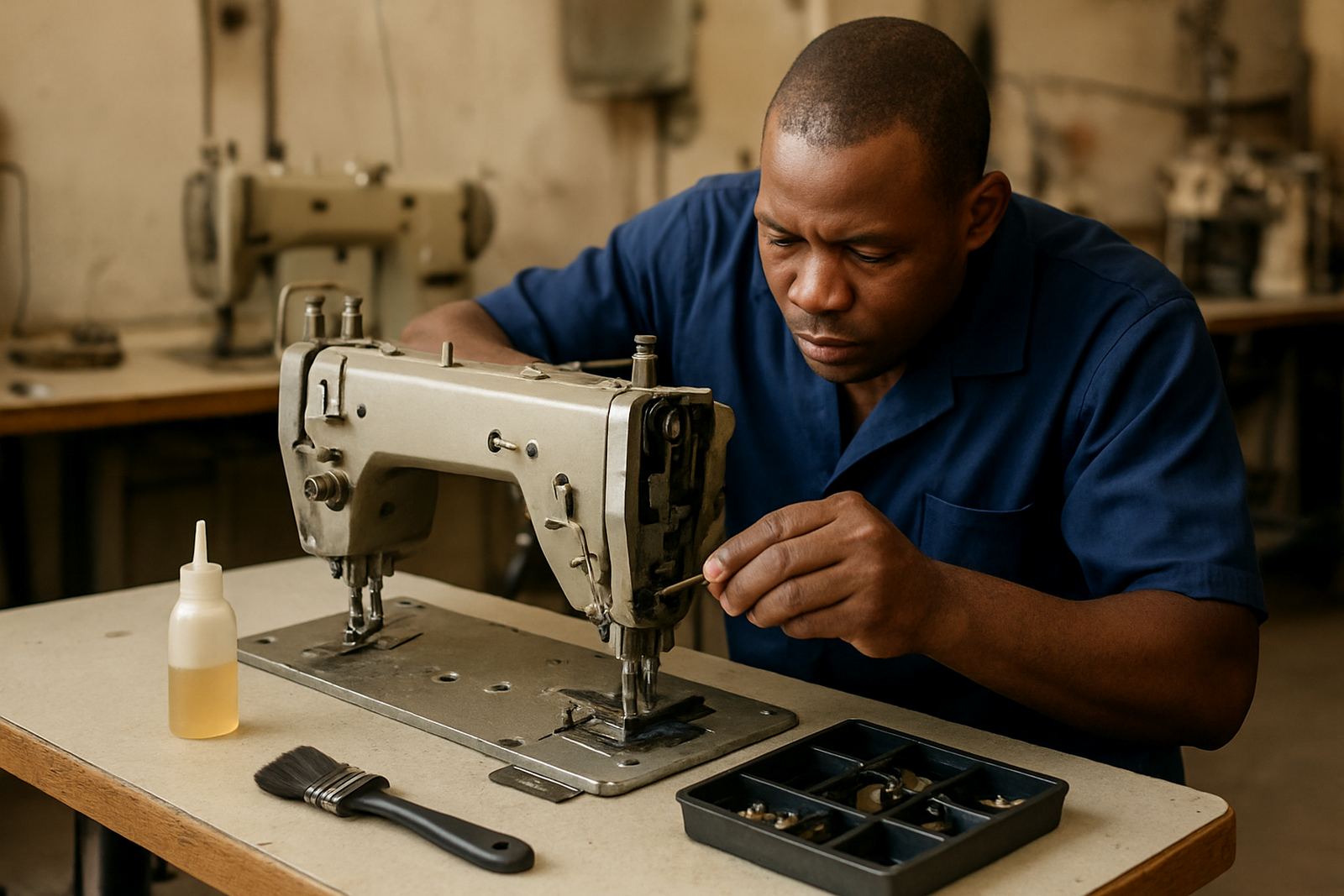
The work was completed over two weeks. In week one we delivered the machines, positioned the stations and checked the power points, table height and foot control response. We adjusted the motors for smooth start up and made sure the machines could handle repeated short runs, which is common in alterations work where one garment follows another all day. Week two was used for timing adjustments, stitch balancing, tension setting and test runs on common fabrics brought in by the shop.
We spent time setting the presser feet, checking needle sizes and testing zip work, trouser hems and seam repairs. The pressing station was adjusted so staff could move garments straight from stitching to finishing without piling them up. Because the shop is in an inner city location, we also kept the setup compact enough for easy cleaning and safe customer movement around the front counter.
Training the team for day to day use
Once the machines were working properly, we showed the team how to keep the line moving without overhandling garments. That included basic machine care, correct threading, recognising when a needle needs changing and how to avoid puckering on thin fabrics. We also covered simple fault checks so the shop could solve small issues before they became lost time.
The training focused on practical habits rather than theory. In an alterations business, the important thing is not just how to sew but how to finish quickly and consistently. The team was shown:
- How to prepare garments before stitching
- How to switch between light and heavier fabric settings
- How to keep thread, scissors and attachments organised
- What to do during power cuts and restart safely afterwards
- How to keep press temperatures correct for mixed fabrics
That approach suited the shop because the staff could apply it immediately the same day, without needing long downtime or complicated procedures.
Results on the floor and what we would repeat
By the end of the project, the shop had a cleaner workflow and a more confident team. Turnaround improved because garments no longer had to wait for shared equipment or be moved around awkwardly between tasks. The owner reported smoother handling of school uniform jobs, quicker zip replacements and better consistency on hems and finishing. The pressing station also made a visible difference, since garments now left the shop looking properly completed instead of just stitched.
If we were doing this project again, we would keep the same practical approach: compact equipment, clear station flow and training that matches the work the shop actually does. For a Rosettenville alterations business, that matters more than adding machines for show. The right setup is the one that keeps customers coming back because their clothes are ready on time and finished well.
Key facts
| Project type | Alterations shop machine supply, setup and workflow planning |
|---|---|
| Location | Rosettenville, Johannesburg |
| Timeline | 2 weeks |
| Core equipment | Industrial sewing machine, household machine, overlock machine and compact fusing press |
| Services included | Installation, timing adjustments, setup, training and parts sourcing |
| Use case | Hems, zip work, repairs, school uniforms and quick garment turnaround |