

What the workshop needed in Boksburg
The client was a small to mid-sized bag workshop in Boksburg making carry bags, laptop sleeves and promotional bags for local orders and repeat corporate work. Their team was already sewing, but they were losing time on heavy seams, uneven feed on layered panels, and repeated rework on strap ends and binding joins. The brief was practical: set up the workshop so the staff could move from cut pieces to finished bags with less handling and fewer stops.
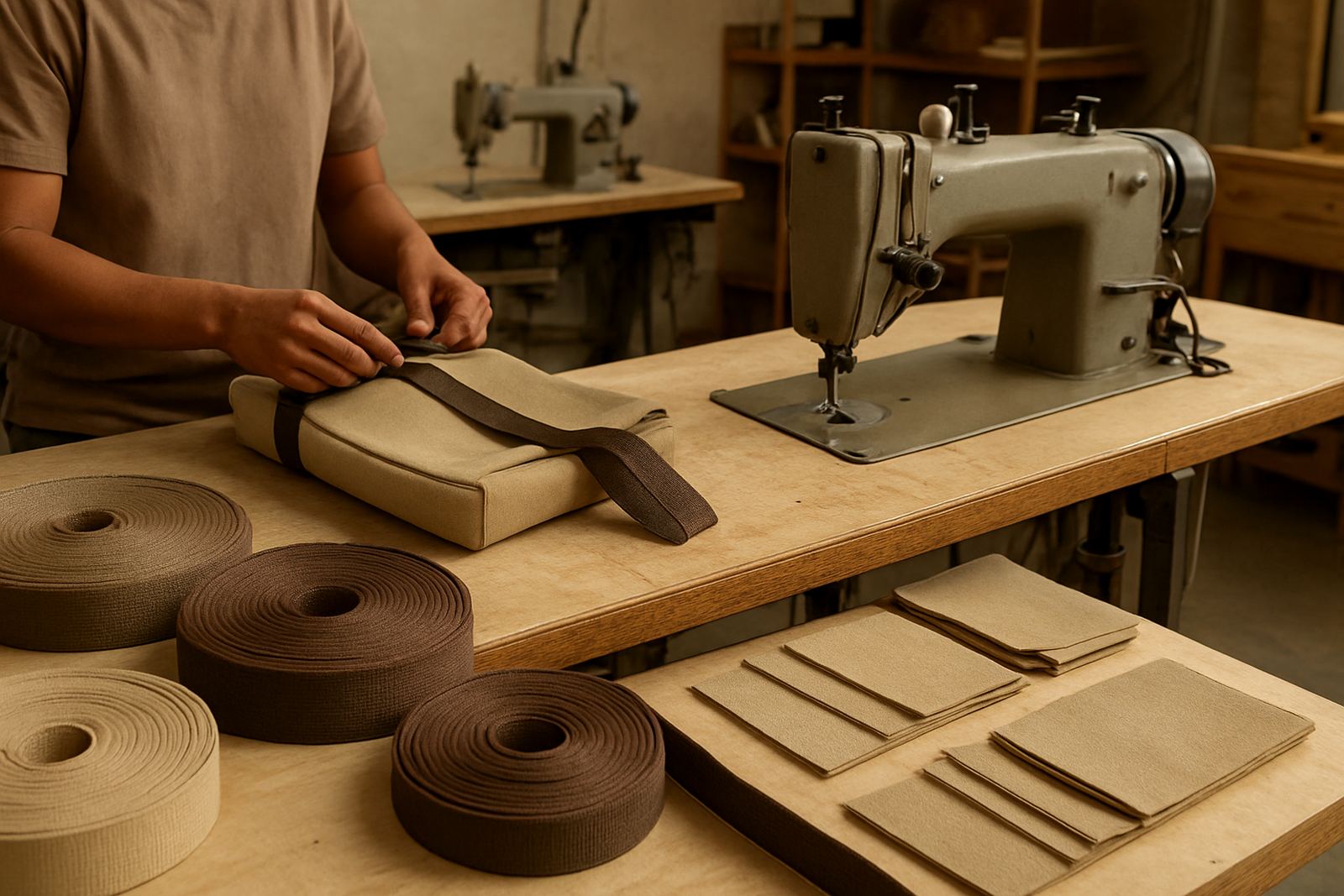
The main challenge was the material mix. Some jobs used light lining, others used coated canvas, webbing straps and folded edge binding. That meant the machines had to deal with thickness changes without skipping stitches or dragging the layers off line. The client also needed a setup that could work during load-shedding planning, with equipment that would be easy to maintain and simple for the operators to use.
- Town: Boksburg
- Work type: bag making and finishing
- Materials: layered fabric, webbing straps, binding tape and linings
- Output mix: small runs and repeat workshop orders
The workshop plan and machine mix we supplied
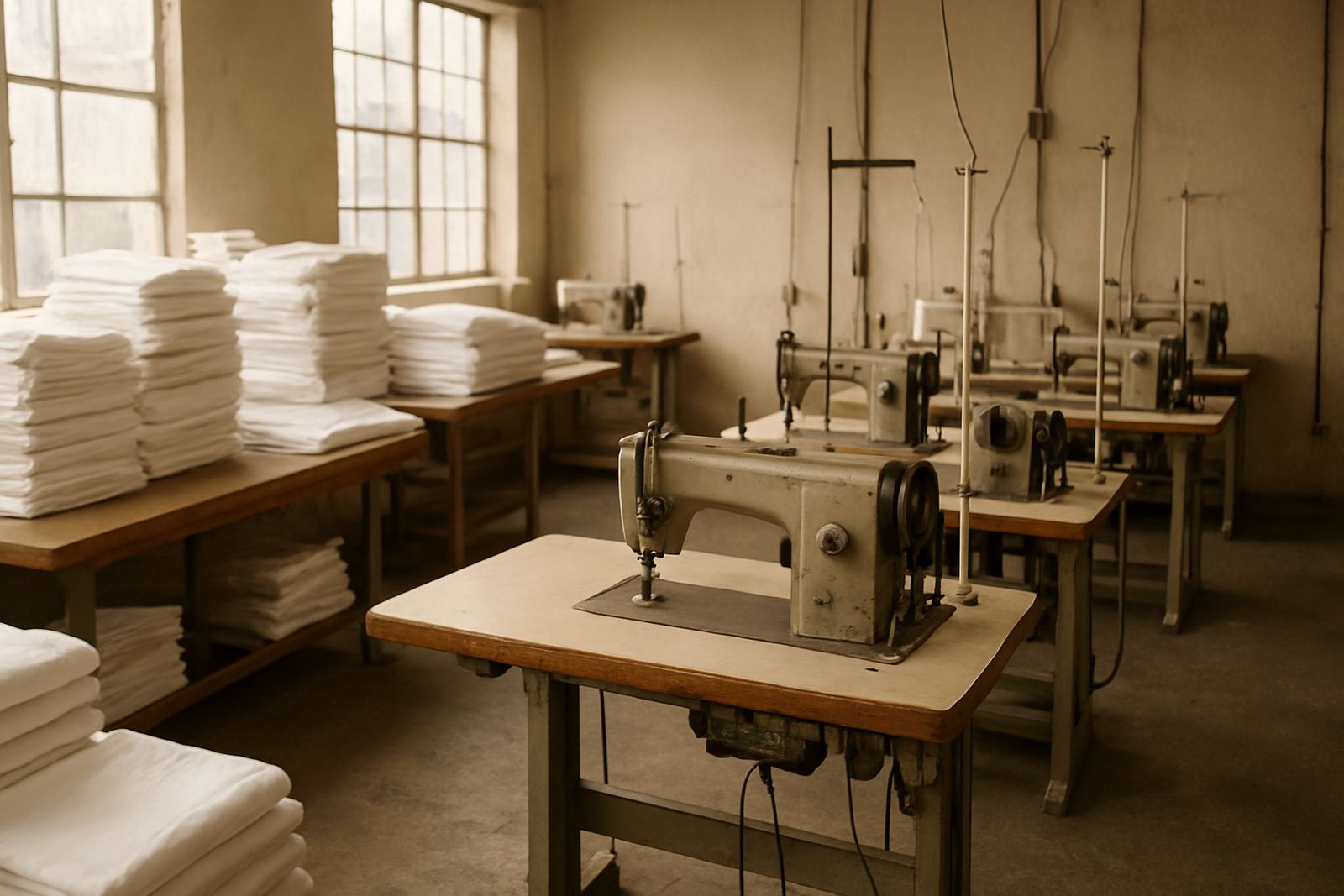
We supplied and positioned a practical machine mix for the job. The setup included industrial straight stitch units for body seams, a heavier-duty machine for dense sections, and a binding-friendly station for edge finishing. We also added attachments suited to strap work and guided feeding, plus spare parts and basic consumables so the workshop would not lose time waiting for small items.
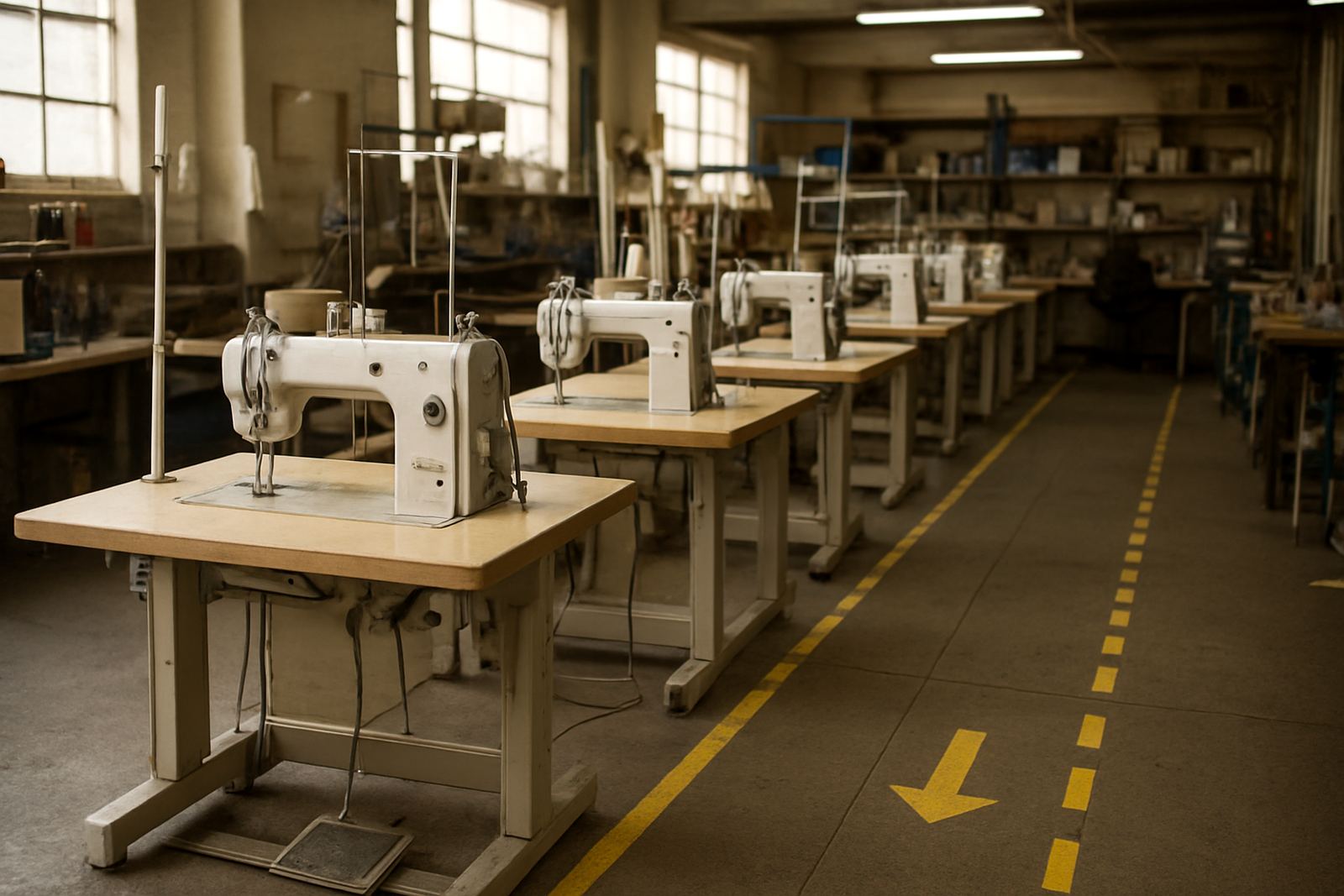
Because the team worked on different bag styles in the same day, we kept the layout tight and logical. Cutting, stitching, binding and inspection were arranged in sequence so the operators did not carry work back and forth across the floor. That saved steps and reduced handling marks on lighter outer fabrics.
- Industrial sewing machines for general bag construction
- Heavy-duty machine support for thick seams and corners
- Binding and edge-finish attachments
- Needles, bobbins, belts and common spares
- Thread selection matched to outer fabric and strap work
Set-up details for straps, edges and layered seams
For bag work, the small details matter. Strap ends need consistent tension, binding needs a clean fold, and layered corners must stay flat enough to stitch without puckering. We adjusted machine timing, pressure and feed settings for the materials on hand, then tested each station on sample panels before sign-off. Where needed, we also showed the team how to move between lighter lining work and thicker outer sections without changing the whole process.
The workstation heights and table positions were set for practical use, not showroom neatness. Operators needed to see the needle area clearly, reach the thread path quickly, and keep cut panels close by. We also checked the lighting and power layout because a workshop running through long shifts cannot afford weak visibility or loose cabling. The final layout was tidy, but still easy to service and move around.
- Timing adjustments done on site
- Presser foot pressure set for layered panels
- Feed path checked for strap joins and binding
- Test runs completed on full-size sample bags
Timeline from first visit to production start
The job ran over three weeks from assessment to handover. In week one we assessed the workflow, machines already in the room and the bag range being made. In week two we supplied and installed the required machines and attachments, then checked stitch quality on the actual materials. In week three we returned for fine tuning, operator guidance and final checks on the main product lines. The process was quick, but not rushed.
That timeline worked well because the workshop was already organised around real orders. We did not need to rebuild the whole space, only make the existing operation more reliable. The client wanted a setup that could start paying back almost immediately, and that is exactly how the project was planned. There was no point in introducing extras that would sit unused or slow the team down.
- Week 1: site assessment and workflow review
- Week 2: supply, installation and first tests
- Week 3: training, fine tuning and final handover
Results on the floor after handover
Once the machines were in place and the settings were locked in, the workshop saw cleaner seam lines and fewer interruptions on mixed-thickness jobs. Strap attachment became more consistent, the binding station handled edges better, and operators spent less time correcting feed issues. The client also reported smoother daily planning because the line now matched the actual job mix rather than forcing every order through the same method.
Another gain was easier maintenance. With the key spares in house and the machine setup standardised, the team could deal with normal wear before it turned into downtime. That matters in a workshop where one bad morning can throw off an entire delivery. The new setup made the room more predictable, which is what a good bag operation needs.
- Less rework on strap joins and corners
- More consistent binding finish
- Better handling of layered materials
- Fewer stoppages for small service issues
What we would repeat for another bag workshop
If we were doing the same kind of job again, we would follow the same approach: assess the real product mix first, then match the machines to the material rather than the other way round. Bag work looks simple from the outside, but a workshop that handles straps, binding and layered panels needs the right feed, the right table layout and the right set of attachments. That is what keeps output steady.
We would also keep the training focused and practical. Operators do not need long theory sessions. They need to know how to thread the machine, set tension, react to thickness changes and spot early signs of wear. When the team understands those basics, the work stays moving and the workshop stays in control. That was the case in Boksburg, and it is the same elsewhere in Gauteng.
- Start with the actual bag construction methods used on site
- Choose machines for layered seams, not general use alone
- Keep spares and service items close to the work area
- Train operators on the exact jobs they sew every day
Key facts
| Project location | Boksburg, Gauteng |
|---|---|
| Workshop type | Bag making and finishing |
| Material range | Layered fabrics, straps, binding tape, linings |
| Timeline | 3 weeks from assessment to handover |
| Machine scope | Industrial sewing machines, binding support and attachments |
| Service work | Installation, setup, adjustments, training and follow-up |
| Support area | Johannesburg CBD, Fordsburg, Mayfair, Soweto, Germiston, Pretoria, Alberton and Randburg |