
What the client needed in the CBD
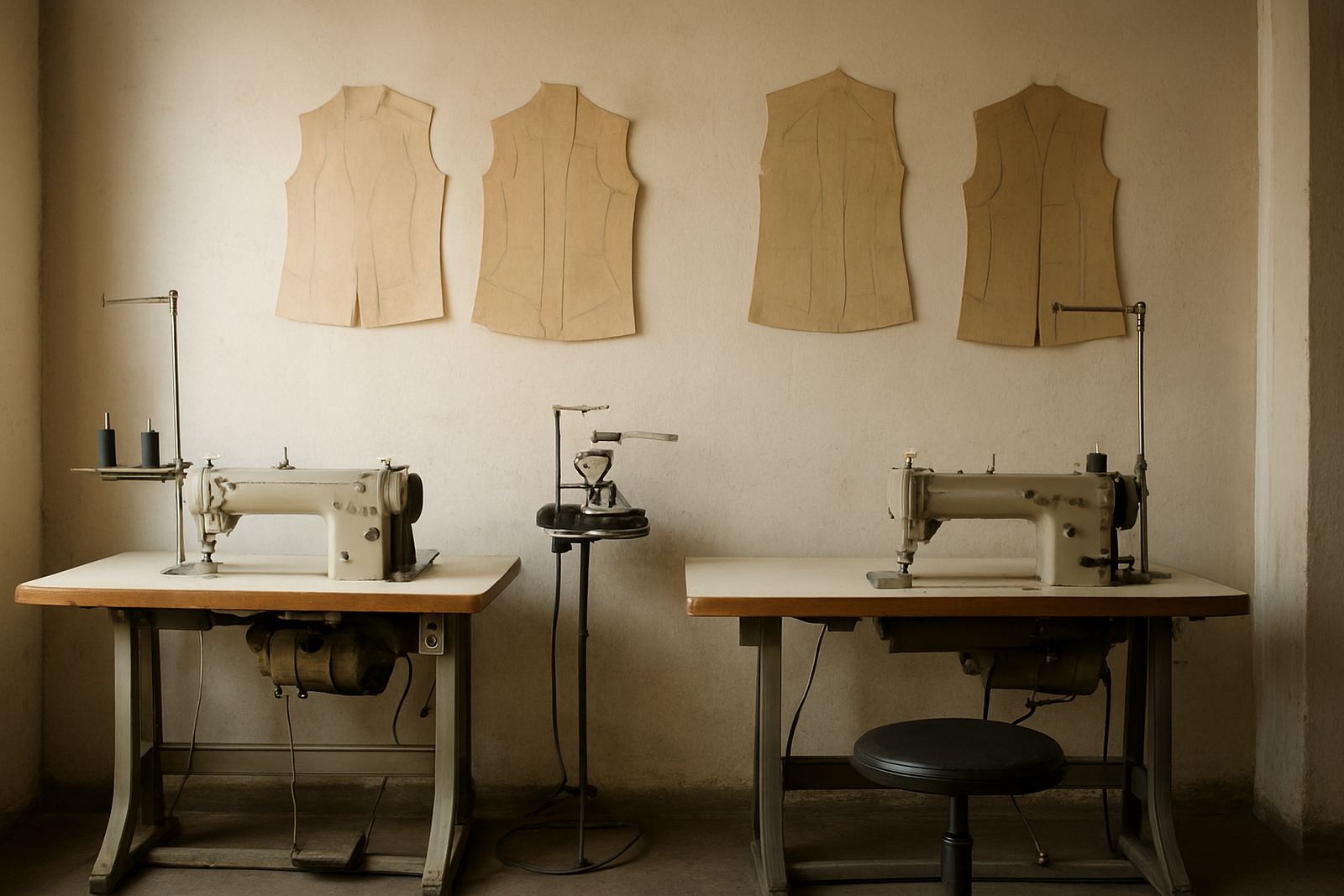
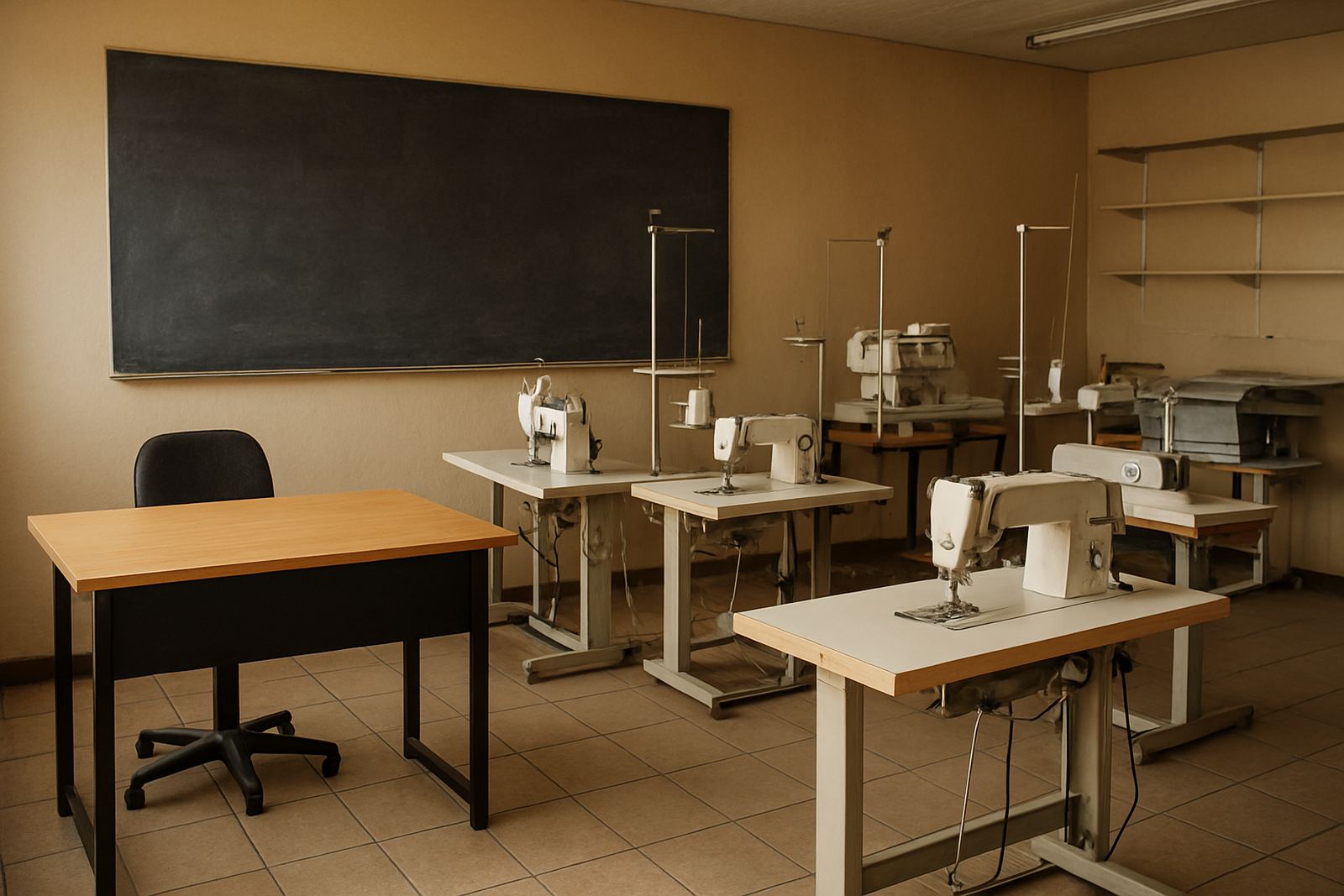
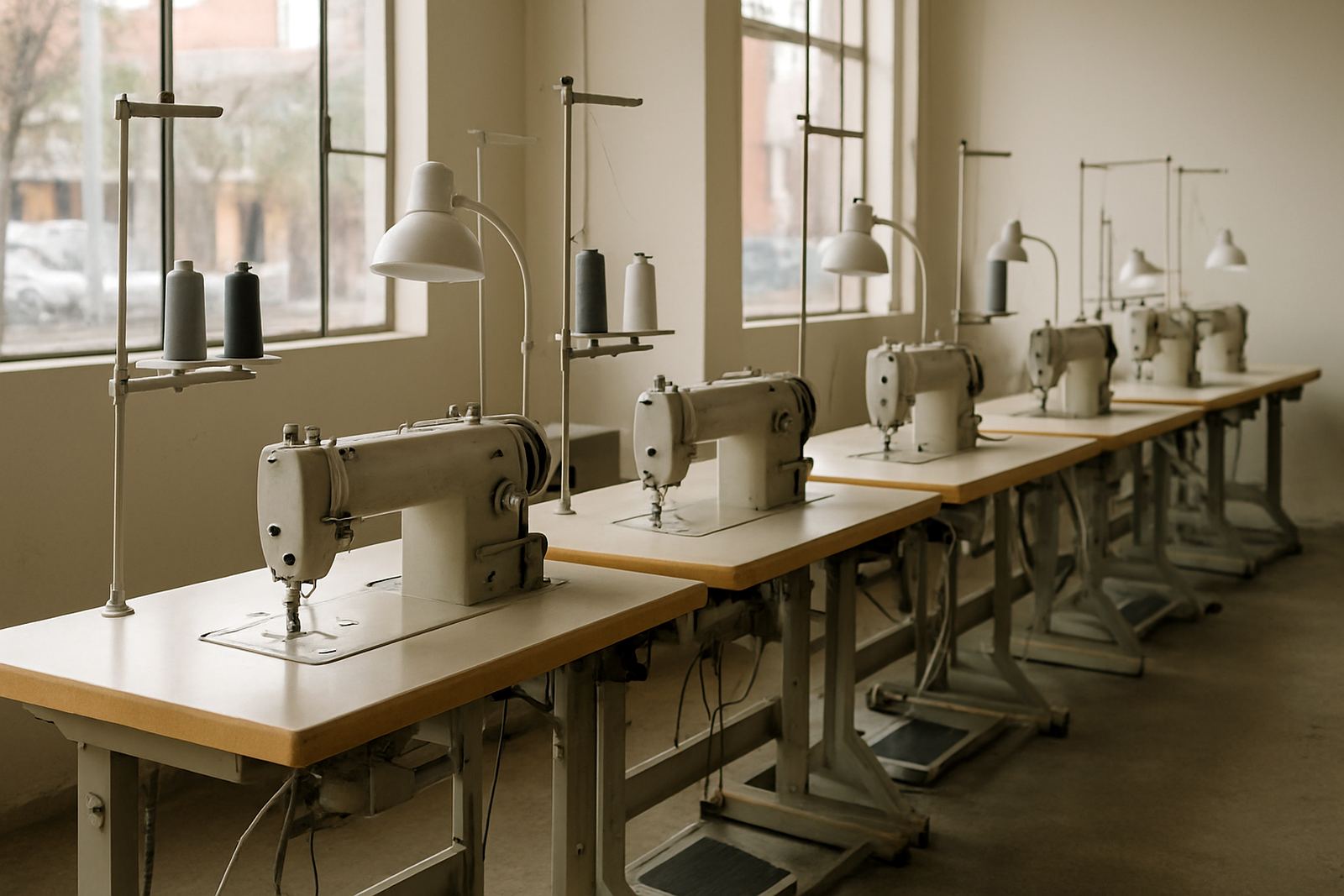
This project was for a small to medium garment workroom in Johannesburg CBD serving local orders and repeat schoolwear and alterations work. The room had outgrown its old layout, with machines placed wherever space allowed and operators walking too far between cutting, sewing, pressing and packing. The client wanted a cleaner production line, better use of the floor and equipment that could keep up during busy weeks.
The brief was straightforward: replace tired machines where needed, add proper tables, improve the position of the pressing area and sort out the everyday issues that slow a room down. That included skipped stitches, noisy motors, uneven table heights and awkward cable runs that made maintenance harder. We also needed to work around existing stock and keep disruption low because the team had to keep sewing while the upgrade was happening.
- Type of client: garment workroom
- Area: Johannesburg CBD
- Workload: mixed production and alterations
- Main goal: better output with less machine downtime
Site limits and production pressure
The space sat in an older CBD building with narrow access, limited loading time and strict attention needed for shared passageways. That meant equipment had to be brought in in stages, with careful planning around lift use and floor access. We also had to keep the workroom usable while the changeover took place, so the installation was done in sections rather than shutting the place down completely.
Another issue was power stability. Like many city workrooms, this one had felt the effect of load-shedding and occasional voltage dips, so we looked at motor suitability, safe cabling and how each station would restart after an outage. Ventilation and dust control were also checked because pressing and trimming equipment works better when the area stays clean and cool, especially in a busy room.
- Access was restricted by building rules and shared corridors
- Installation had to happen while production continued
- Power checks were part of the job because of load-shedding
- Layout needed to suit the room, not force the room to suit the machines
What we supplied and set up
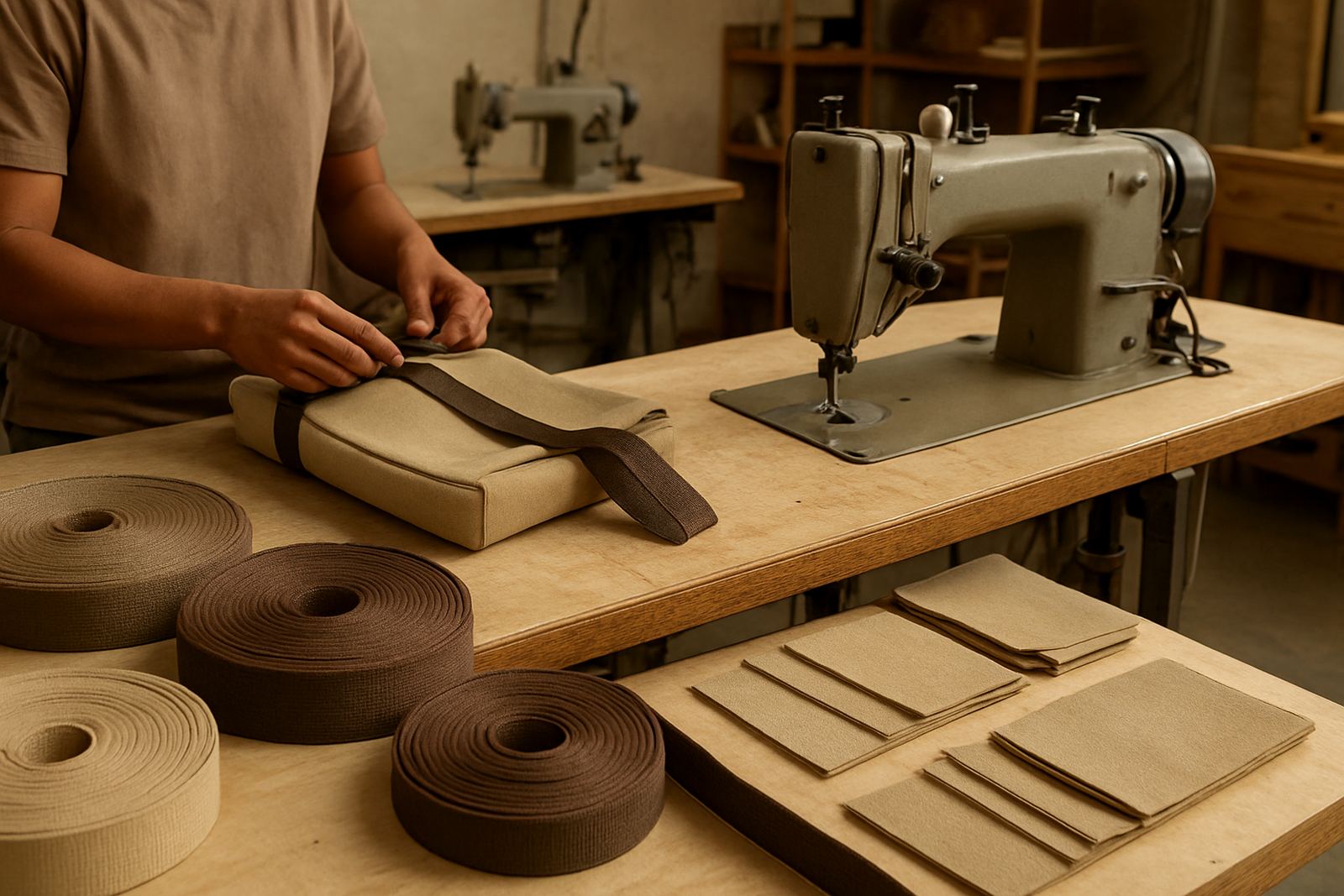
We supplied a mix of industrial and household sewing machines suited to the client’s product range, along with a computerised embroidery machine for branded work and samples. We also installed fusing press equipment for clean collar and panel bonding, plus worktables set at practical heights for operators who spend long hours at the machine. Where needed, we changed motors and adjusted timing so the machines would run smoothly from the first day.
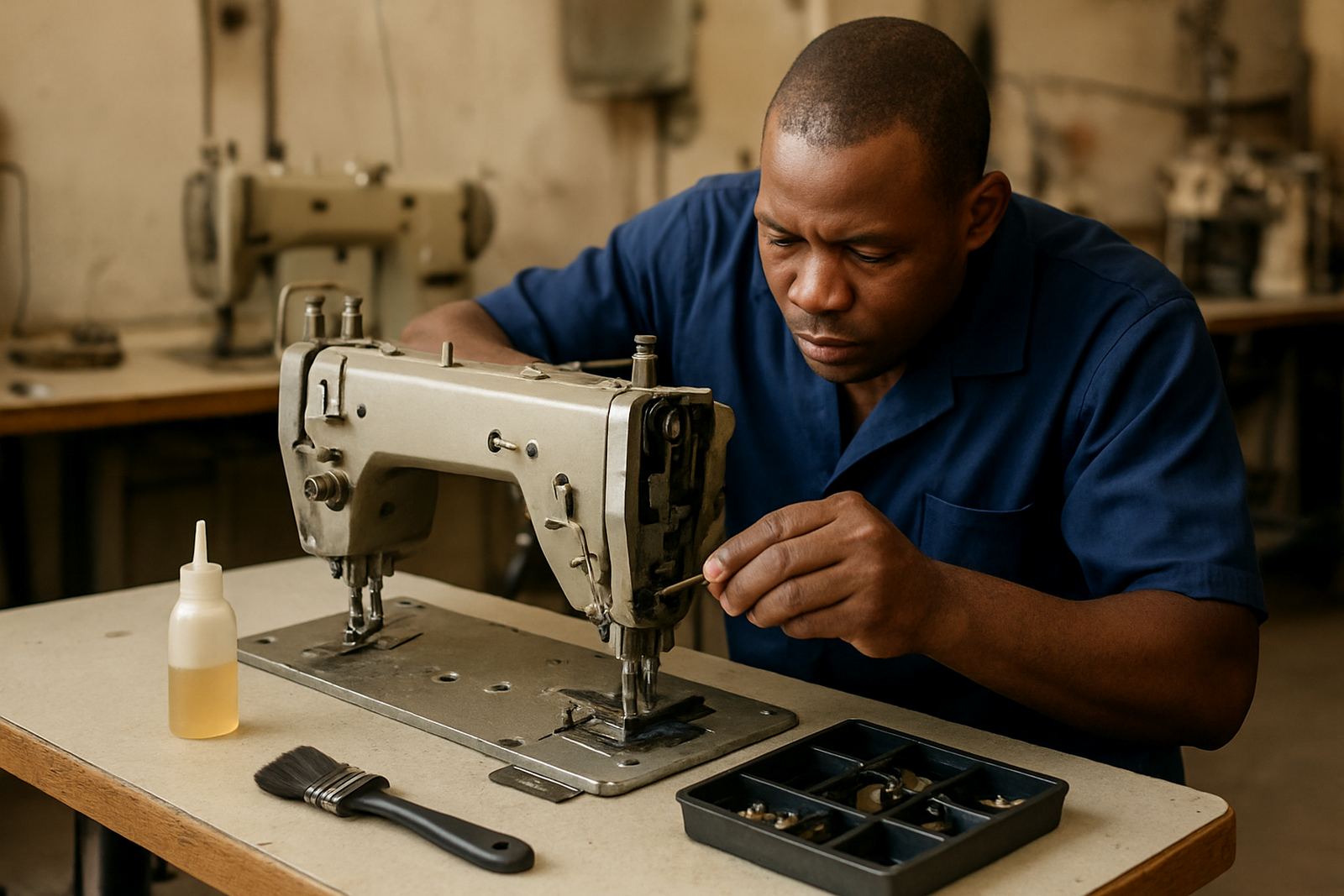
The setup included setting needle positions, thread paths, bobbin systems and operator reach so each station could do one job properly. We made sure the pressing point sat close to sewing and finishing, which cut extra walking and kept the flow tighter. A few attachments and spare parts were added to match the fabrics being used, including lighter cloths and thicker uniform materials. The team also received basic training on threading, needle changes, tension checks and how to spot wear before it became a stoppage.
- Industrial sewing machines for core production
- Household machines for lighter work and finishing
- Computerised embroidery machine for logo and sample runs
- Fusing press for bonding and shaping work
- Motor conversions, timing adjustments and operator training
How the upgrade was carried out
The project ran over three weeks from first site visit to handover. Week one was the assessment and planning stage, where we measured the room, checked power points, confirmed the machine mix and marked the new layout. Week two covered delivery, installation and machine positioning. Week three was used for fine tuning, operator training and a final service check on the stations that had been moved.
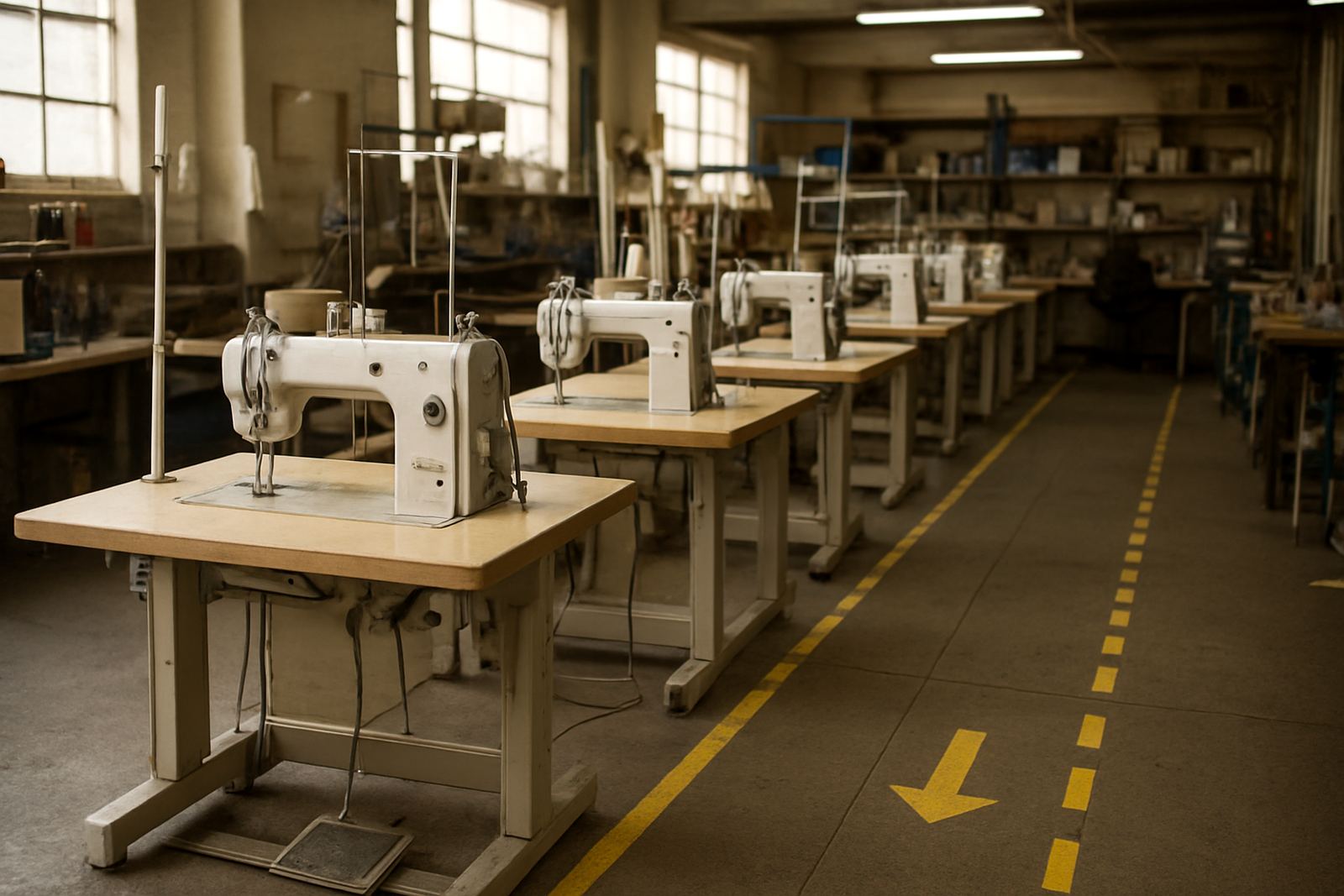
We kept the sequence practical. Cutting and storage stayed near the back of the room, sewing sat in the centre line and pressing was placed where finished pieces could move out quickly. This reduced cross traffic and made it easier for the team to pass work from one step to the next. By the end of the job, the room felt less cramped and the people working there could move without bumping into stock, cords or each other.
- Week 1: site measure, load check and layout plan
- Week 2: delivery and full installation
- Week 3: tuning, training and handover
- Production kept running during the upgrade
Results the client could see quickly
The biggest change was flow. Operators no longer had to step around awkward machine positions or carry work across the room just to reach pressing and finishing. Changeovers became faster because the stations were set up for the type of sewing being done, and the new tables gave the team a steadier working height. That matters more than people think, especially in a room where the same motion gets repeated all day.
Machine behaviour improved too. With timing corrected and motors matched to the load, the room had fewer thread breaks and less vibration. The embroidery unit gave the client a way to handle small branded runs in-house, which saved time and reduced the need to send out simple work. The staff also had a better understanding of daily care, so small faults could be picked up before they turned into a workshop call-out.
- Cleaner flow between sewing, pressing and packing
- Less vibration and fewer simple stoppages
- Better use of the floor space
- More work kept in-house, including embroidery samples
What we would do again on a similar job
If we were doing the same kind of CBD workroom again, we would plan the layout in the order of the work itself, not just by where the power points happen to be. That means thinking from cutting through to finishing and making sure each station sits where the work naturally moves. We would also repeat the same approach on machine selection: fit the machine to the product, then set the table and motor to match.
For a city site, we would keep the staged installation method. It suits buildings with access limits and it helps the client keep trading while the upgrade happens. We would also continue to include operator training at the end, because a good setup can still underperform if the team has not been shown the right settings and care routine. The workroom in this project showed that a well planned refresh can make an older CBD space feel much easier to run, even without increasing the floor area.
- Plan around the actual work sequence
- Match machine, motor and table to the fabric mix
- Keep installation staged for CBD access limits
- Include operator training before handover
Key facts
| Project type | CBD garment workroom upgrade |
|---|---|
| Location | Johannesburg CBD |
| Timeline | 3 weeks |
| Key equipment | Industrial sewing machines, household sewing machines, computerised embroidery machine, fusing press |
| Services used | Machine installation, workroom planning, motor conversions, timing adjustments, operator training |
| Main outcome | Better production flow, steadier sewing and less downtime |