

A Fordsburg room built for daily alterations and custom pieces
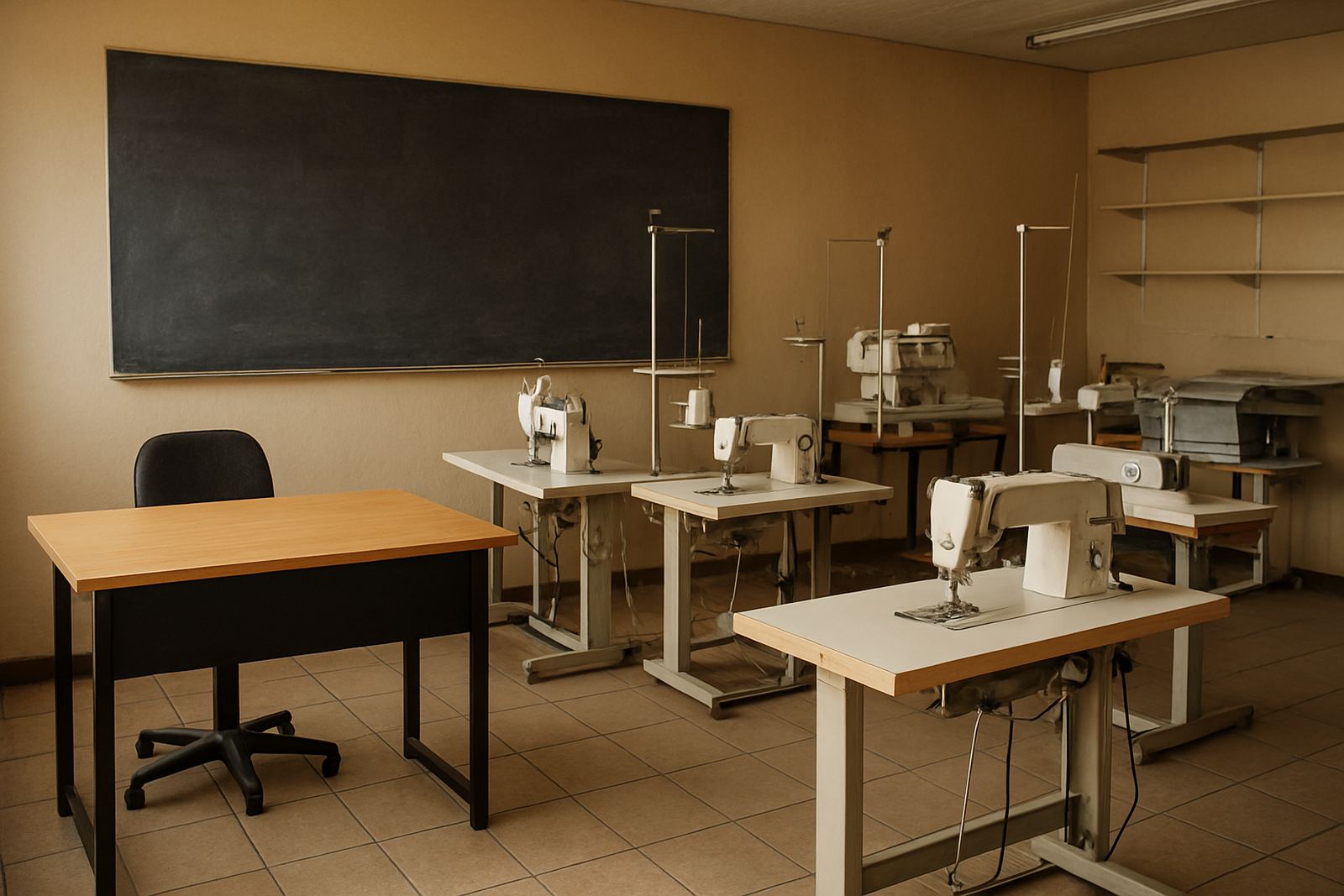
The client was a small tailoring operation in Fordsburg serving walk in repairs, schoolwear alterations and made to measure garments for nearby customers. The room had to work hard in a tight footprint, with enough machines for one operator to sew, another to overlock and a third person to press and finish without bumping into each other.
The brief was practical. Keep the layout compact, use equipment that can handle long days, and make sure the room stays usable during load shedding and voltage swings that are common in the area. The owner also wanted a cleaner workflow for cutting, stitching and pressing so finished garments could move through the room in a straight line.
- Client type: independent tailor serving daily custom and alteration work
- Town: Fordsburg, Johannesburg
- Room size: compact workroom with limited wall and floor space
- Workload: steady everyday sewing, overlocking and pressing
What we assessed before fitting the equipment
Before supply and installation, we checked the room size, power points, lighting, wall space and ventilation. We also looked at the likely cloth mix, because a tailor room that handles school uniforms, polycotton, suiting and lining needs different settings from a light home sewing room. The client needed a practical mix of straight stitching, edge finishing and pressing, not a showroom set-up.
There were three main constraints. First was space, because the room had to carry several stations without blocking movement. Second was power, since sensitive equipment and motors need cleaner supply when the power returns after an outage. Third was noise and heat, especially with pressing equipment running in a room that already gets warm during a busy day.
- Space planning for narrow walkways and clear work flow
- Power consideration for outages and restart surges
- Placement for pressing heat and extractor airflow
Equipment supplied for sewing, overlocking and pressing
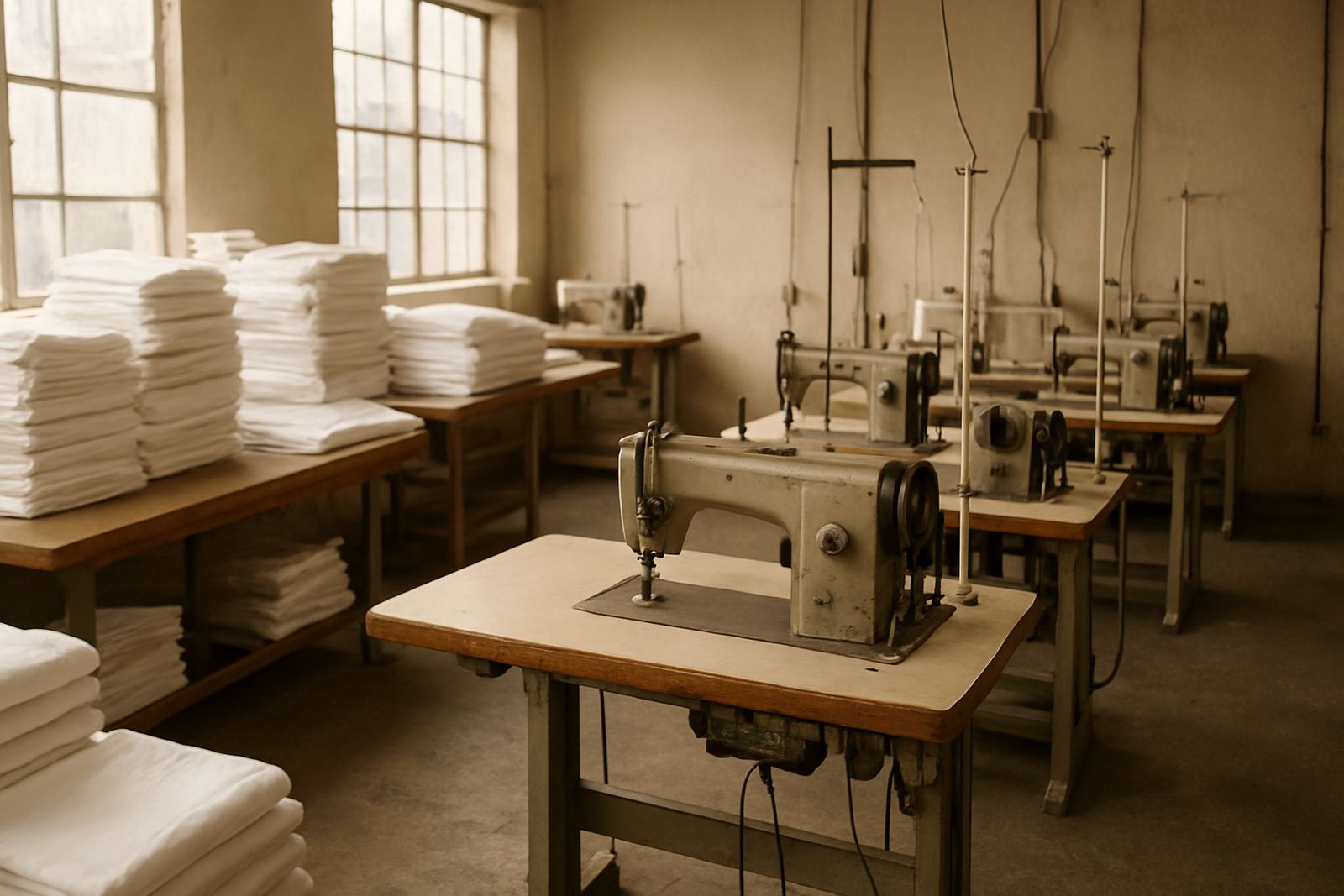
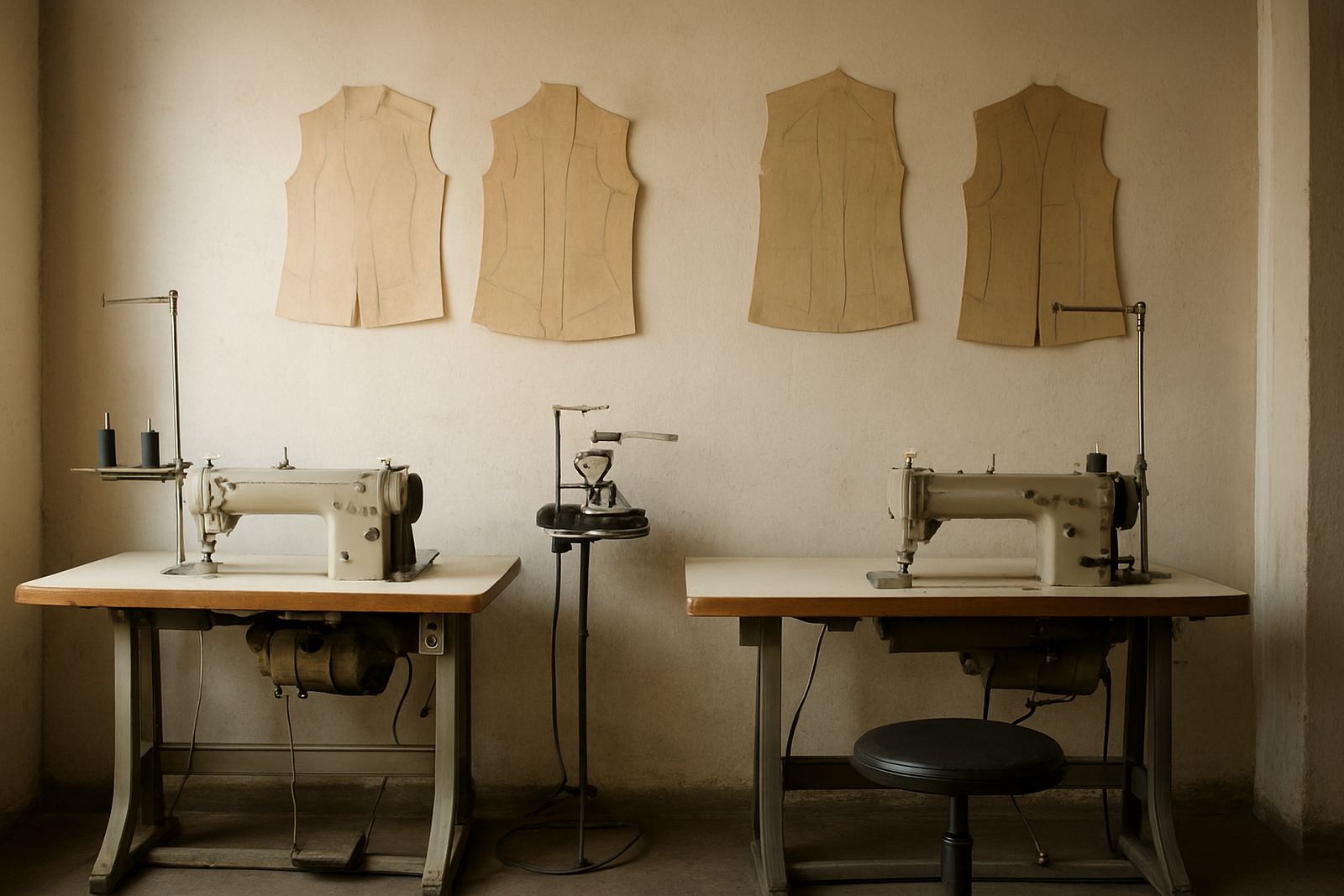
We supplied a mix of industrial and household machines to suit the client’s order size and the type of work done on site. The sewing station was set up with a straight stitch industrial machine for daily garment construction. The overlocking station was matched to the same pace so seam finishing could keep up with sewing. A pressing station was added for shaping seams, collars and hems, plus a compact fusing press for interfacing where needed.
We also provided spares, needles, belts, bobbins, attachments, threads and basic haberdashery so the team could keep working without waiting for small parts. The machines were set up with appropriate motors and foot controls, and we checked timing, needle bar action and stitch formation before handover.
- 1 industrial straight stitch machine for main construction
- 1 overlocker for seam finishing and edge control
- 1 pressing station with iron, board and heat resistant setup
- 1 compact fusing press for collars, waistbands and facings
- Starter spares pack with common wear items and consumables
Layout and installation in a tight Johannesburg CBD style space
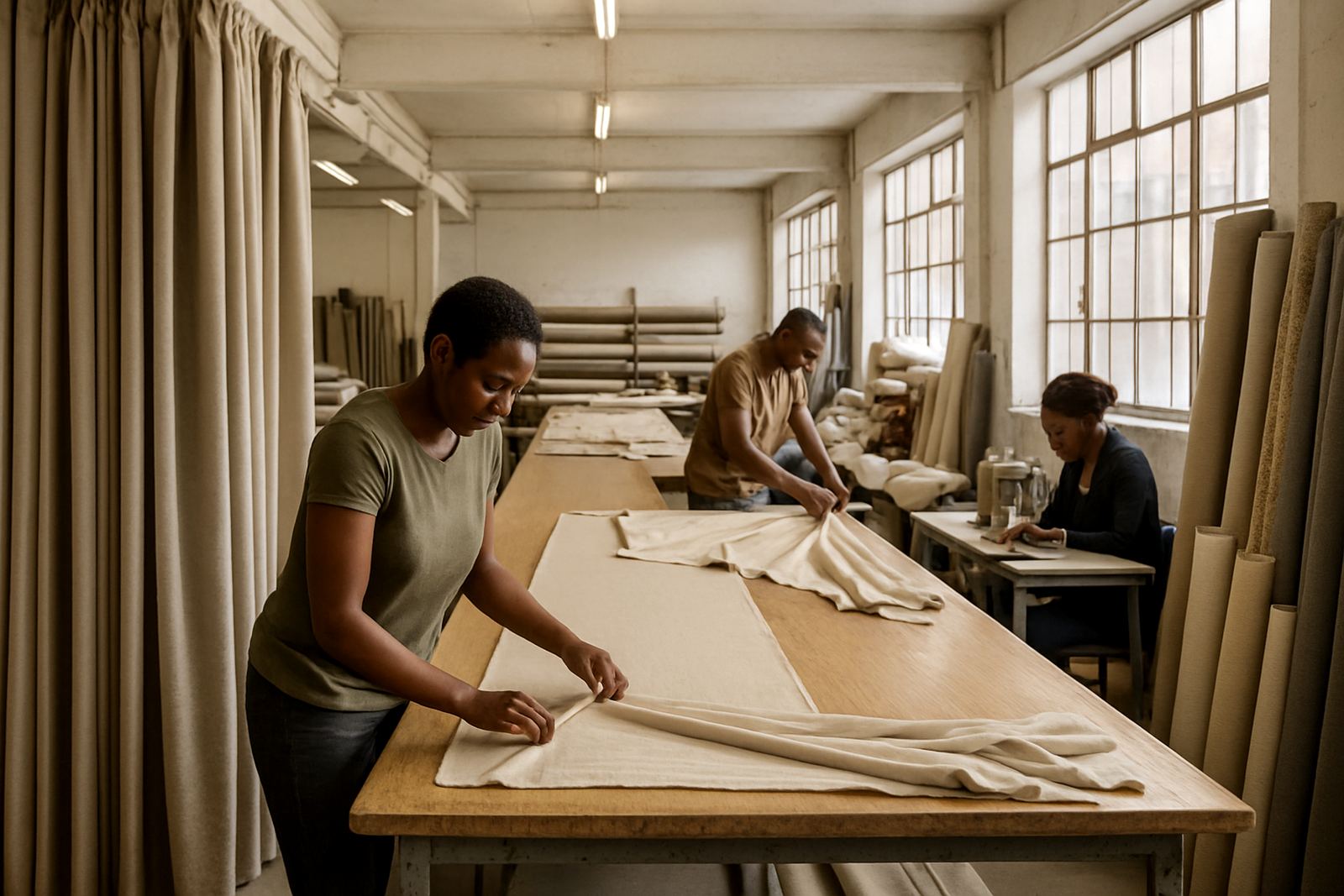
The fit out was planned so the room could move in one direction from cutting to sewing, then overlocking and pressing. That matters in a compact space because crossed movement slows the team and causes damage to garments that are already partly finished. We positioned the sewing machine where natural light could be used during the day, while the pressing point was placed closer to the wall and away from the main passage.
Installation included levelling the machines, checking belt alignment, setting needle and feed timing, and testing stitch quality on standard fabrics and thicker layers. We also arranged the work surfaces so rolls of thread, scissors, rulers and small parts stayed within reach without crowding the operator. The result was a room that feels organised, but still practical when the pace picks up.
- Linear workflow from cut to stitch to finish
- Machines spaced for safe movement in a small room
- Power leads and foot controls positioned to reduce trip risk
- Pressing area kept separate from the main sewing path
Training, servicing and the first week of operation
Once the room was running, we spent time with the operators on routine care and daily use. That included threading, tension checks, oiling points, needle selection, belt inspection and how to spot early signs of timing issues before a machine starts missing stitches. The team was also shown how to recover from a power cut without forcing the motor or jamming the hook assembly.
The first week was used as a live test. The client worked through alterations, uniforms and custom garments under normal pressure, which let us fine tune the set-up. Small adjustments were made to thread tension and press settings, and we confirmed that the operator flow was correct even when the room was busy. By the end of week two the team was working with less backtracking and fewer bottlenecks.
- Timeline: 2 weeks from site visit to handover
- Operator training included daily cleaning and stitch checks
- Minor adjustments made after live production started
Results for a steady tailor room serving Fordsburg and nearby areas
The finished room gave the client a compact but proper setup for daily work. Orders now move through the room in a more logical sequence, which has reduced clutter on the work surfaces and made it easier to keep garments separate by stage. The pressing station improved the final finish on hems, seams and collars, while the overlocker helped keep edges neat on the inside of garments.
There was also a practical gain in uptime. With the correct spares on hand and the machines matched to the work, the team can keep going through ordinary interruptions without losing a full day to preventable stoppages. For a tailor in Fordsburg, that matters because much of the work is same day or short lead time and clients expect things to be ready when promised.
- Cleaner workflow and better use of limited floor space
- Improved finishing quality on everyday garments
- Less downtime from small parts shortages
- Better control over pressing and seam shaping
What we would repeat on a similar tailor setup
If we were doing the same type of project again, we would keep the same approach. Start with a measured layout, match the machines to the actual work and keep the pressing station close enough to save steps but far enough to avoid heat build-up. In a Fordsburg or Mayfair tailor room, that balance is usually more important than adding extra machines.
We would also keep the parts list sensible from the start. A tailor room does not need a box full of extras it will never use, but it does need the small items that keep production moving. That includes needles, bobbins, belts, thread, machine oil and a few common attachments. In our experience, that is what makes a compact room hold up through busy weeks, power cuts and the usual wear that comes with daily use.
- Measure the room before buying anything
- Match machine count to real daily volume
- Keep common spares on site
- Plan for load shedding and restart checks
Key facts
| Project type | Tailor room setup and equipment fitting |
|---|---|
| Location | Fordsburg, Johannesburg |
| Timeline | 2 weeks |
| Main equipment | Industrial straight stitch machine, overlocker, pressing station, compact fusing press |
| Users | 1 to 3 operators on daily custom and alteration work |
| Support supplied | Installation, training, timing checks, parts sourcing and routine servicing |