

Uniform room brief for Kempton Park
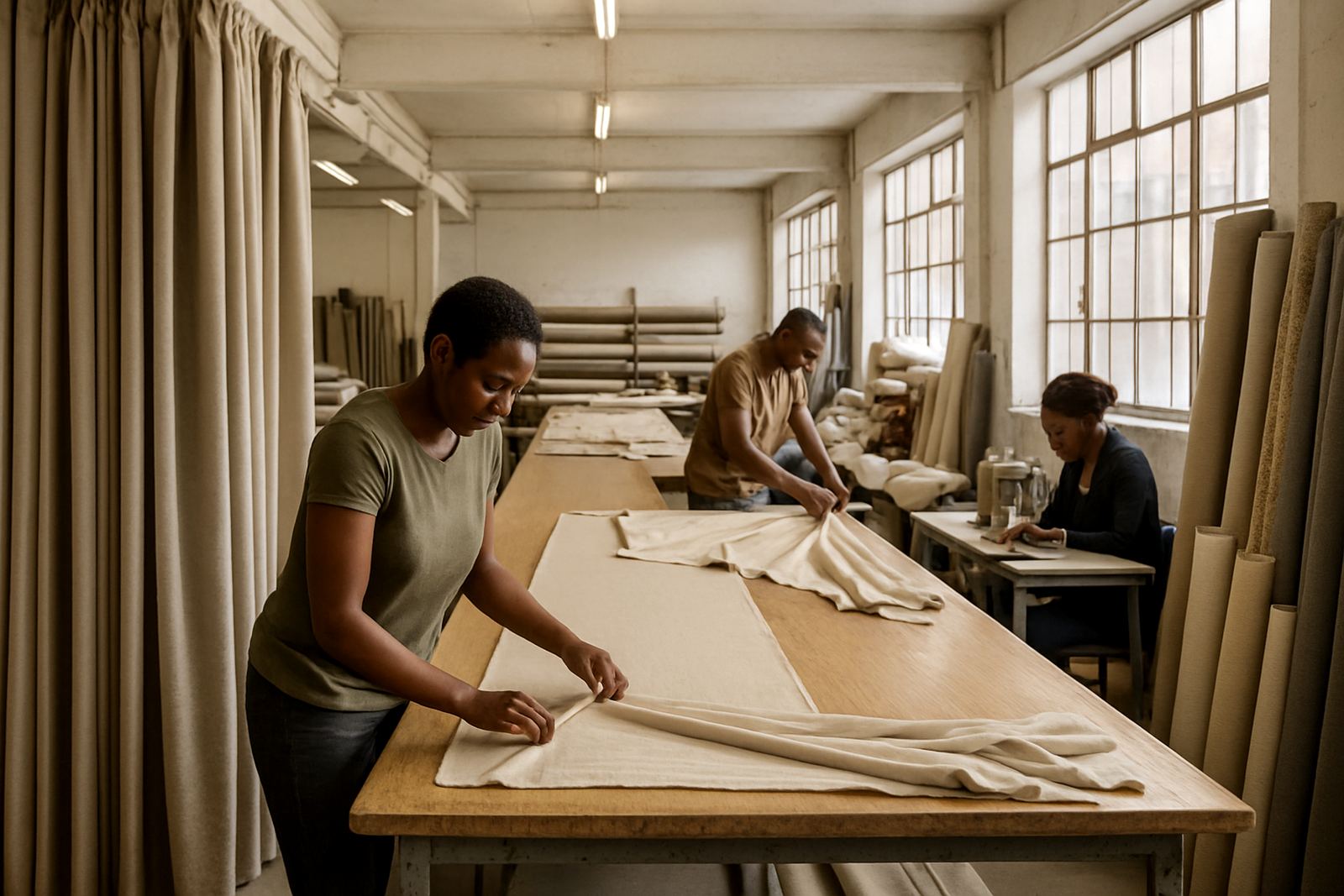
The client was a small to mid-size uniform maker in Kempton Park working on schoolwear, work shirts and basic corporate items. Their team needed a room that could move from cutting to stitching to pressing with very little backtracking, because the same garments were being repeated in batches through the week. They also wanted the set-up to suit a mixed team, with some experienced machinists and a few newer operators who needed clear stations and simple handling.
The brief was straightforward: keep the room tidy, make the sewing line easy to supervise, and reduce stoppages during busy periods. They had a standard electrical supply, but load-shedding was a real concern and the room had to cope with interruptions without throwing the whole day off. The building had a narrow entrance, limited storage, and a concrete floor that made machine positioning important from the start.
Constraints we planned around
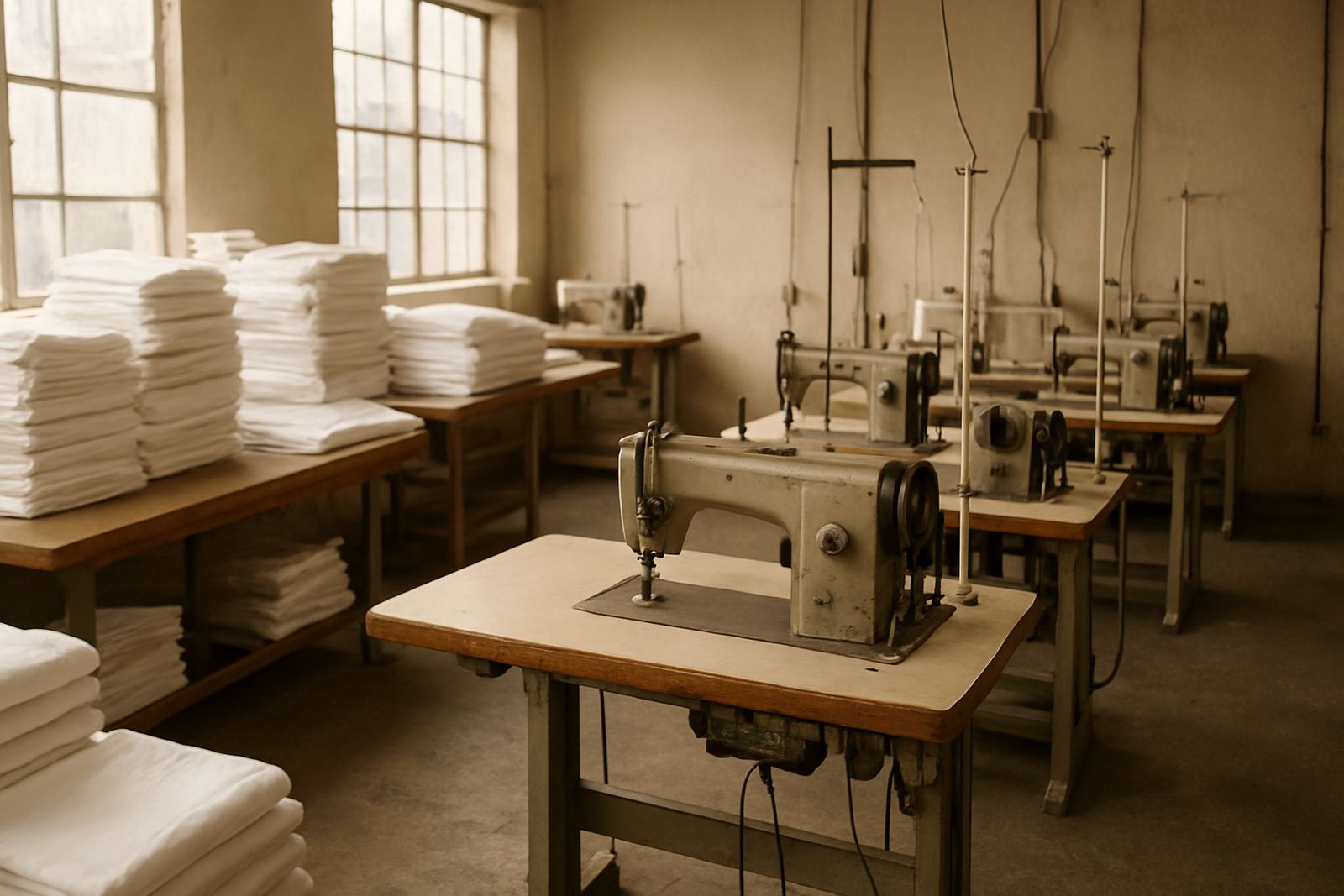
Kempton Park heat, dust and regular power cuts shaped the project. The room also had limited floor space, so every machine had to earn its place. We measured the working area first and planned clear walking space between the cutting table, sewing rows, pressing area and packed-goods zone. That reduced crossed movement and made it easier for supervisors to see what was happening at a glance. It also left enough room for trolleys and thread stock, which matters more than people think.
- Floor area planned: about 72 square metres
- Operator positions: 6 sewing stations plus 1 finishing station
- Power planning: sockets grouped by work zone to reduce cable crossing
- Storage: shelving for spares, threads and trims kept off the floor
The room had one wall that carried more heat in the afternoon, so we kept the pressing section away from that side. We also made sure the embroidery and fusing points were not placed where operators would be walking through steam or repeated heat. Small changes like that save time and help avoid avoidable wear on machines, especially in a room that runs most days of the week.
What we supplied and set up
Asia Sewing Machines supplied a practical mix of industrial and support equipment suited to repeat uniform work. Lerato Mokoena handled the sales spec, Yusuf Patel managed workshop preparation, and Willem van Wyk and Naledi Khumalo carried out installation and setup on site. The line included straight stitching machines for main seams, overlocking for edge finishing, a buttonhole unit for shirt work, and pressing equipment for shaping and final presentation.
We also set up a computerised embroidery machine for logos and school badges, plus a fusing press for collars, cuffs and other reinforced sections. The room was fitted with thread stands, spare needles, presser feet, bobbin stock and a basic parts drawer so the team would not lose half a morning searching for a small item. The setup was finished with labelled stations and a simple order for work flow, from incoming bundles to packed output.
- Industrial straight stitching machines for repeat seams
- Overlock machine for clean edge finishing
- Buttonhole and attachment support for shirt production
- Computerised embroidery setup for names and logos
- Fusing press for collars, plackets and cuffs
- Pressing station with heat control and garment support
Installation and first weeks of running
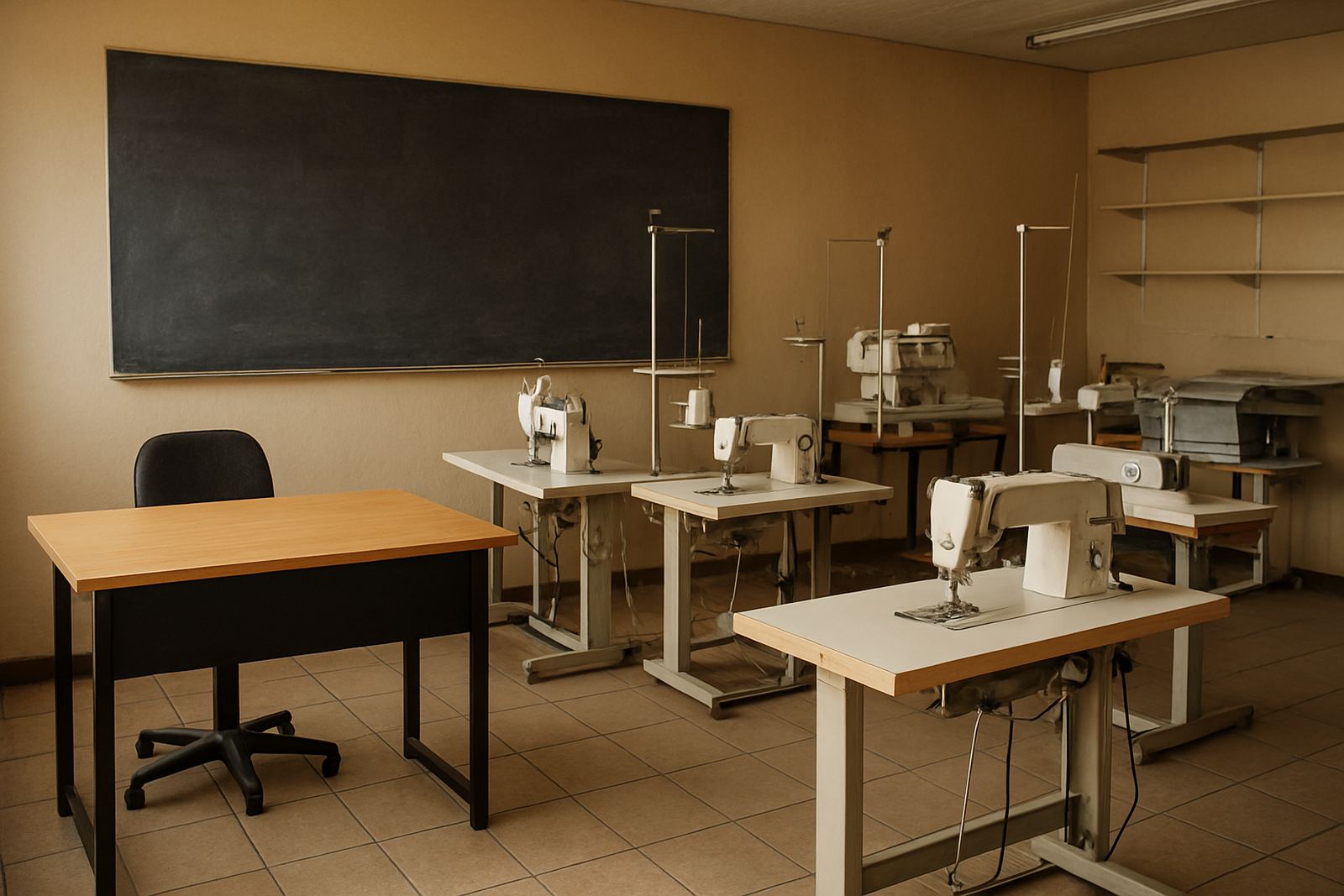
The project took three weeks in total. Week one was planning, site measuring and machine allocation. Week two covered delivery, placement, levelling and wiring checks. Week three was testing, operator handover and a few fine adjustments once the room started running full batches. We prefer to test under real use rather than only on empty machines, because that is when thread tension issues, table height problems and bottle-necks show up properly.
During the first run, Yusuf adjusted timing on two units, Farah Ismail logged the parts list, and Anele Dlamini made sure the workshop spares were matched to the machine types on site. One sewing table needed to be shifted by just under a metre to improve movement around the pressing station, and that small change made the whole room feel less cramped. The embroidery corner was also tuned for better visibility, so the operator could keep an eye on thread breakage and hoop changes without standing up every few minutes.
Results the client could measure
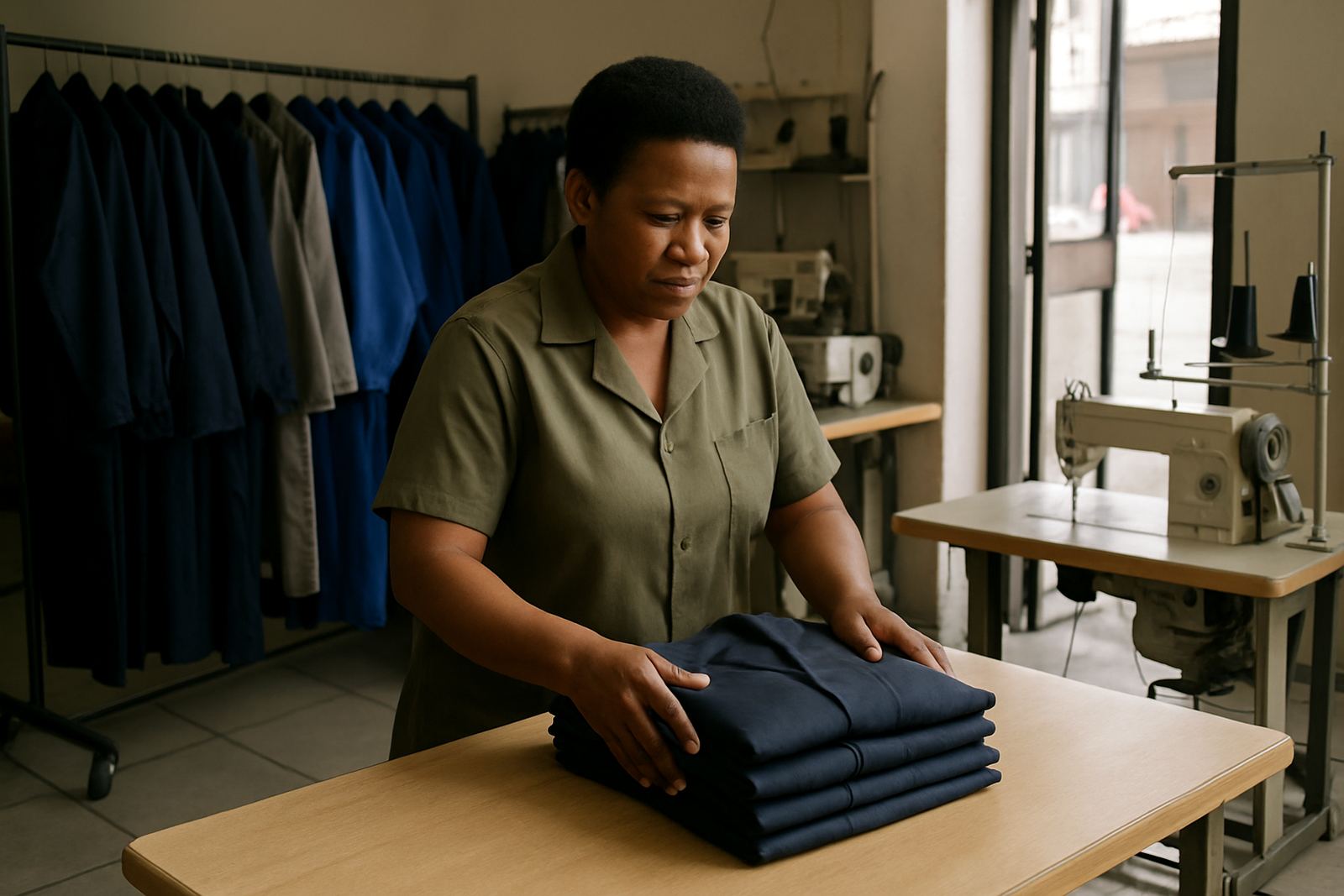
Once the line settled in, the client saw faster handling of repeat styles and fewer delays between sewing and pressing. Because the room was planned around batch movement, operators were not crossing one another as often and quality checks could happen at the right point in the process. The finishing area also stayed cleaner, since trims and rejects had a fixed place and were not piling up around the machines.
- Cleaner flow from sewing to pressing to packing
- Less downtime caused by missing attachments and small spares
- Better consistency on collars, cuffs and logos
- Quicker changeover between uniform sizes and repeat orders
- Simple maintenance access for routine servicing
The client reported that the room was easier to supervise, which matters when you are working with different garment sizes and a mix of experienced and newer staff. We also left them with a servicing plan, so routine checks could be booked before peak periods instead of after a machine started giving trouble. That keeps a room moving, especially when term-time orders or seasonal work arrive all at once.
What we would do again for a similar uniform room
For a similar setup in Kempton Park, Germiston or Pretoria, we would use the same approach: measure first, place the heavy machines near the strongest points of the room, and keep pressing and embroidery close enough to the sewing line without causing congestion. We would also keep spare needles, oil, bobbins and common attachments in one known place. It sounds basic, but in a production room basic discipline saves time every day.
We would repeat the same service mix too. Installation, on-site training, timing adjustments and routine servicing need to happen together if the room is going to stay useful after the first few weeks. Mandla Ndlovu likes the same principle across our Gauteng work: set the room up properly, teach the operators the right way round, then back it up with workshop support when needed. That approach works for factories, tailors, schools and home-based production rooms alike. It is not fancy, it just works.
Support after handover
After the handover, the client stayed in touch through our enquiry form whenever they needed extra attachments, servicing or advice on a new run. That matters because uniform rooms change as orders change. A room that starts with school shirts may later add trousers, skirts or embroidered items, and the machine mix must keep up. Our Johannesburg CBD team supports that by supplying parts, setting up machines again when layouts change, and carrying out repairs either in workshop or on site.
For this Kempton Park job, the main lesson was simple: a good uniform room is not only about machines, it is about the order in which people use them. Once that is planned properly, the sewing gets easier and the quality checks become more reliable.
Key facts
| Client type | Uniform producer in Kempton Park |
|---|---|
| Project duration | 3 weeks |
| Room size | About 72 square metres |
| Workstations | 6 sewing stations plus 1 finishing station |
| Equipment | Industrial sewing, embroidery and fusing setup |
| Main focus | Repeat styles, efficient flow and quality checks |