

A classroom sewing room for daily supervision
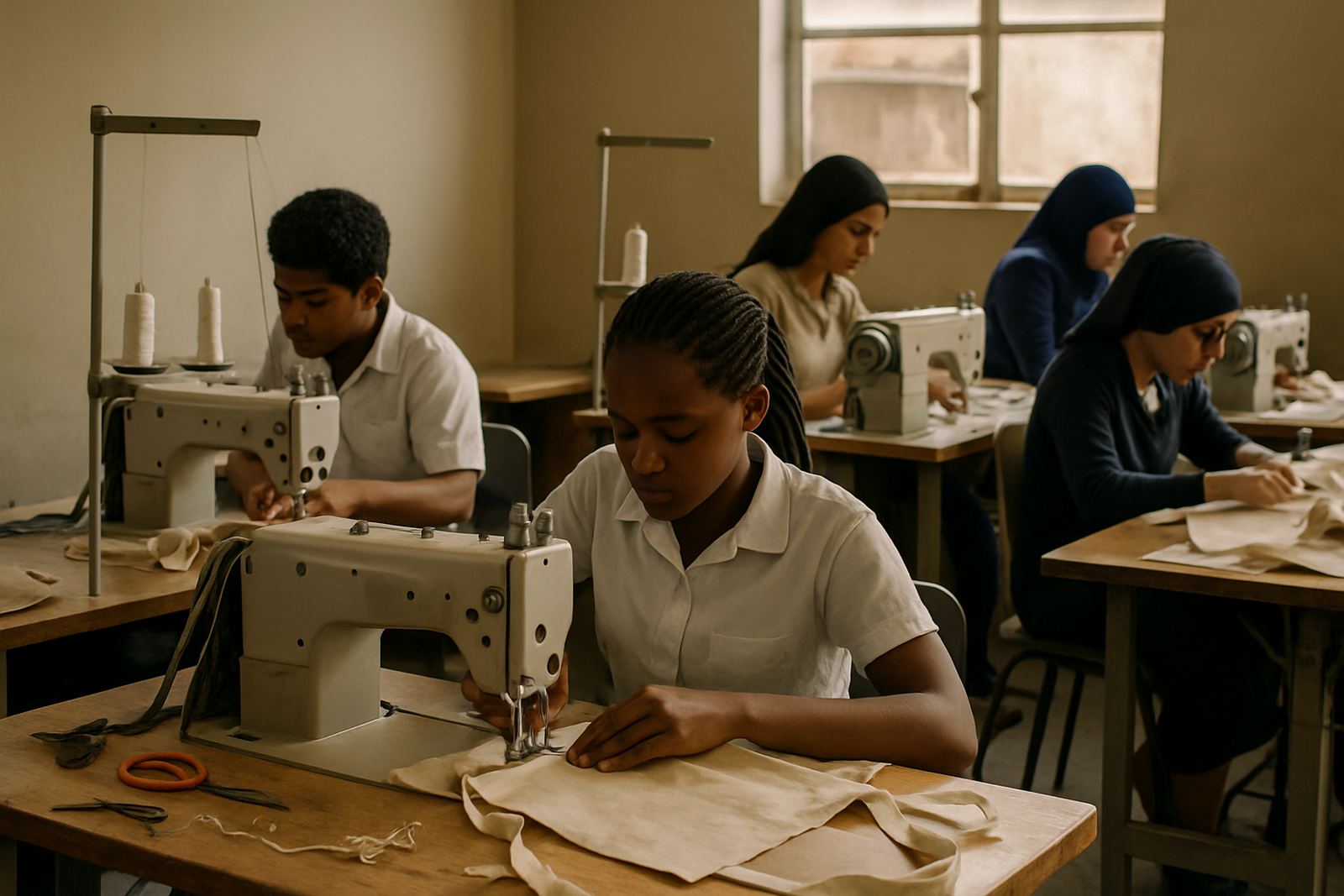
The client was a school in Mayfair, Johannesburg, needing a practical sewing room for learners and staff to use every week. The brief was clear: keep the room orderly, make it simple for one teacher to supervise a full class, and allow learners to move between cutting, stitching and pressing without crowding the walkways.
We visited the site, measured the room and mapped the layout around doors, windows, plug points and the main teaching wall. The school wanted a setup that would suit beginner practice, textile lessons and project work, not a showroom arrangement. That meant strong attention to circulation, machine spacing and storage that could handle daily use. The room had to work for young learners, so we kept edges clear and the paths wide enough for safe movement.
The school also needed a solution that would hold up during load-shedding and morning rush periods. We factored in power stability, machine noise and the need for easy shut-down when classes end. The final plan gave the teacher a direct line of sight across the room and left space for demonstrations at the front.
- Location: Mayfair, Johannesburg
- Use: classroom sewing, practice and project work
- Focus: supervision, safety and simple learner movement
- Room type: mixed teaching and practical work area
What the school needed from the room layout
The main constraint was floor space. The room had to fit multiple sewing stations, a pressing point and a cutting area without blocking access to the board and store cupboard. Another constraint was noise and motion. School rooms need a calmer layout than factory floors, so we planned machine placement to keep the centre of the room open and reduce distractions.
We also had to work around typical Johannesburg CBD supply timing and school operating hours. Delivery, setting up and testing all had to happen with minimal interruption to classes. The school asked for a room that could be supervised by one teacher and one assistant, with enough organisation for learners to return tools and fabric to the correct point after each lesson.
- Limited floor area and fixed room walls
- Need for clear sight lines from the teaching point
- Safe space between machines for movement
- Simple storage for scissors, notions and fabric
- Support for power interruptions and restart checks
Machines, fittings and classroom-ready supply
We supplied a mix of industrial and household sewing machines suited to learner use, plus support items for the room. The machine selection was based on ease of use, stitch control and serviceability. For a school, the machine must be dependable and forgiving, because learners are still building confidence and the teacher needs equipment that can be reset quickly between lessons.
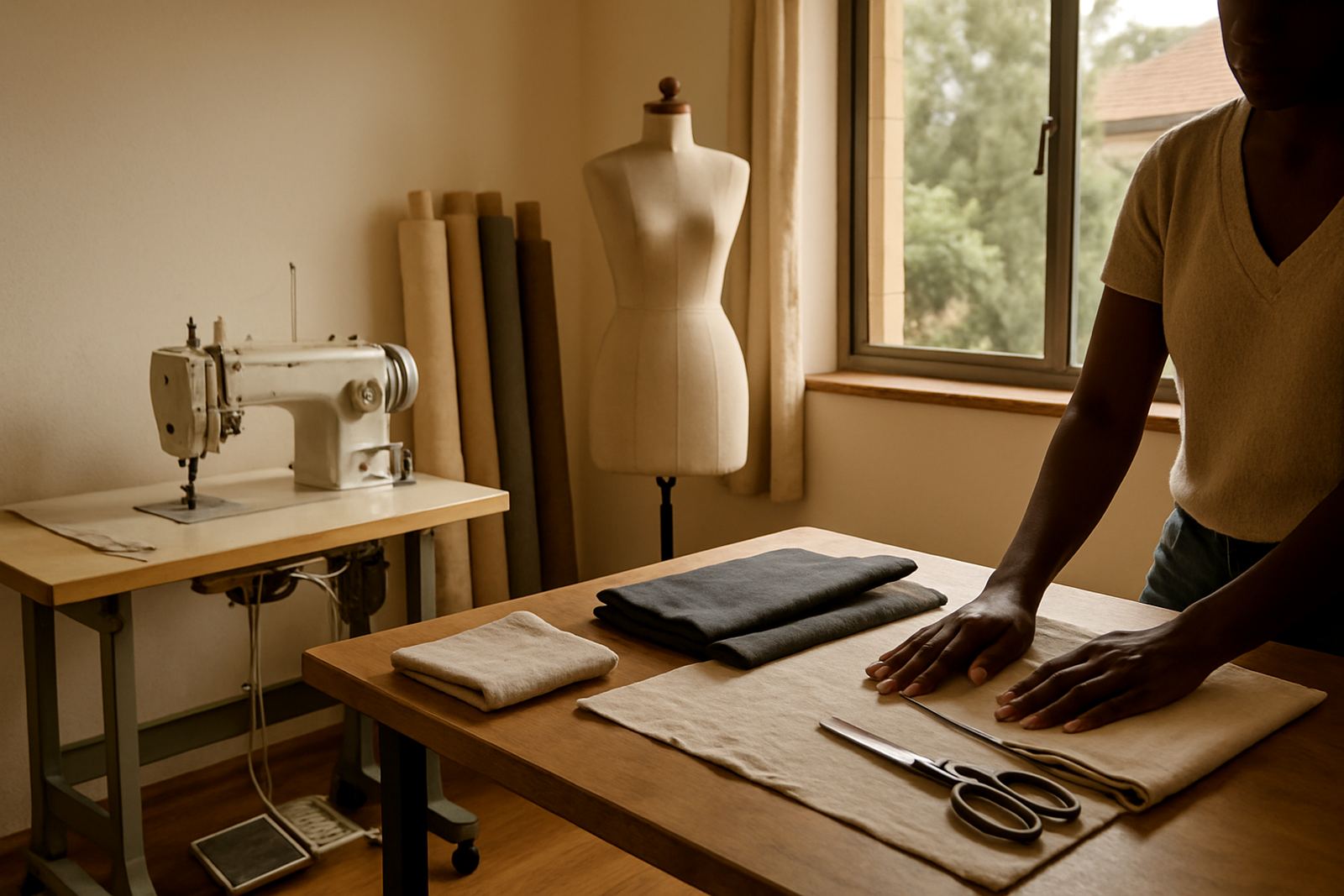
The room also included a pressing point and a practical work area for ironing seams and preparing pieces before sewing. We added the smaller items needed to keep lessons moving, including bobbins, needles, threads, attachments and basic haberdashery. The school wanted a setup that could begin work straight away, so we ensured the parts and consumables list matched the machines supplied.
- Sewing machines sized for classroom use
- Pressing station for finishing and seam setting
- Threads, needles, bobbins and attachments
- Starter haberdashery for learner projects
- Consumables matched to the machine mix
Installation, testing and staff handover
Our team handled the installation in phases over two weeks. First we positioned the machines and work points. Then we checked threading, tension, stitch formation and pedal response on each unit. After that we walked the staff through the layout, daily start-up checks and basic problem solving, so the room could be used confidently from the first lesson.
Mandla Ndlovu oversaw the client side of the job, while Lerato Mokoena handled the sales coordination and Yusuf Patel led workshop checks before delivery. Willem van Wyk carried out on site setup and timing adjustments, and Naledi Khumalo covered the embroidery and stitch-use questions where needed. Anele Dlamini managed parts allocation and Farah Ismail handled follow-up support and handover scheduling. The handover included practical advice on how to keep the room tidy between classes, which matters more than most schools expect.
- Timeline: 2 weeks from site measure to handover
- Testing included stitch quality and tension checks
- Staff training covered daily care and safe use
- Room markings supported learner flow and supervision
Results in the classroom after handover
The finished room gave the school a cleaner working rhythm. Learners could move from cutting to stitching to pressing without crossing into one another’s space, and the teacher had a better view of every station. Because the machines were arranged with supervision in mind, there was less confusion when new groups entered the room and less time lost in setting up each lesson.
The school reported steadier lesson flow and easier cleanup at the end of class. The machines stayed accessible for routine checks, and the consumables were stored where learners and staff could reach them without digging through boxes. The room now supports repeated practical lessons rather than one-off demonstrations, which was the real aim from the start. It was a simple change, but it made a proper differnce to the way the room is used.
- Better supervision from the teacher’s position
- Safer movement between stations
- Faster setup and pack-away after lessons
- More consistent learner practice time
What we would do again for another school
If we were setting out another school sewing room in Mayfair, Soweto, Germiston or Pretoria, we would follow the same practical approach. Measure the room properly, keep the walkways open, choose machines that match the learners’ skill level and make sure the teacher has an unobstructed view of every station. That is what keeps a classroom room useful over time.
We would also repeat the same maintenance plan. School equipment needs routine servicing, quick access to parts and a clear call for support when tension, timing or motor issues start to show. For rooms used every week, prevention is better than waiting for a breakdown in the middle of term. A good sewing room should be simple to teach in, simple to clean and simple to keep running.
- Measure first, then set the machine count
- Keep pressing and cutting areas separate
- Plan for load-shedding with sensible power checks
- Schedule routine servicing before term pressure builds
Key facts
| Project | Mayfair School Room |
|---|---|
| Client type | School sewing room |
| Town | Mayfair, Johannesburg |
| Timeline | 2 weeks |
| Scope | Layout planning, machine supply, installation, testing and training |
| Outcome | Safe learner movement and easy teacher supervision |