
Clean the machine properly
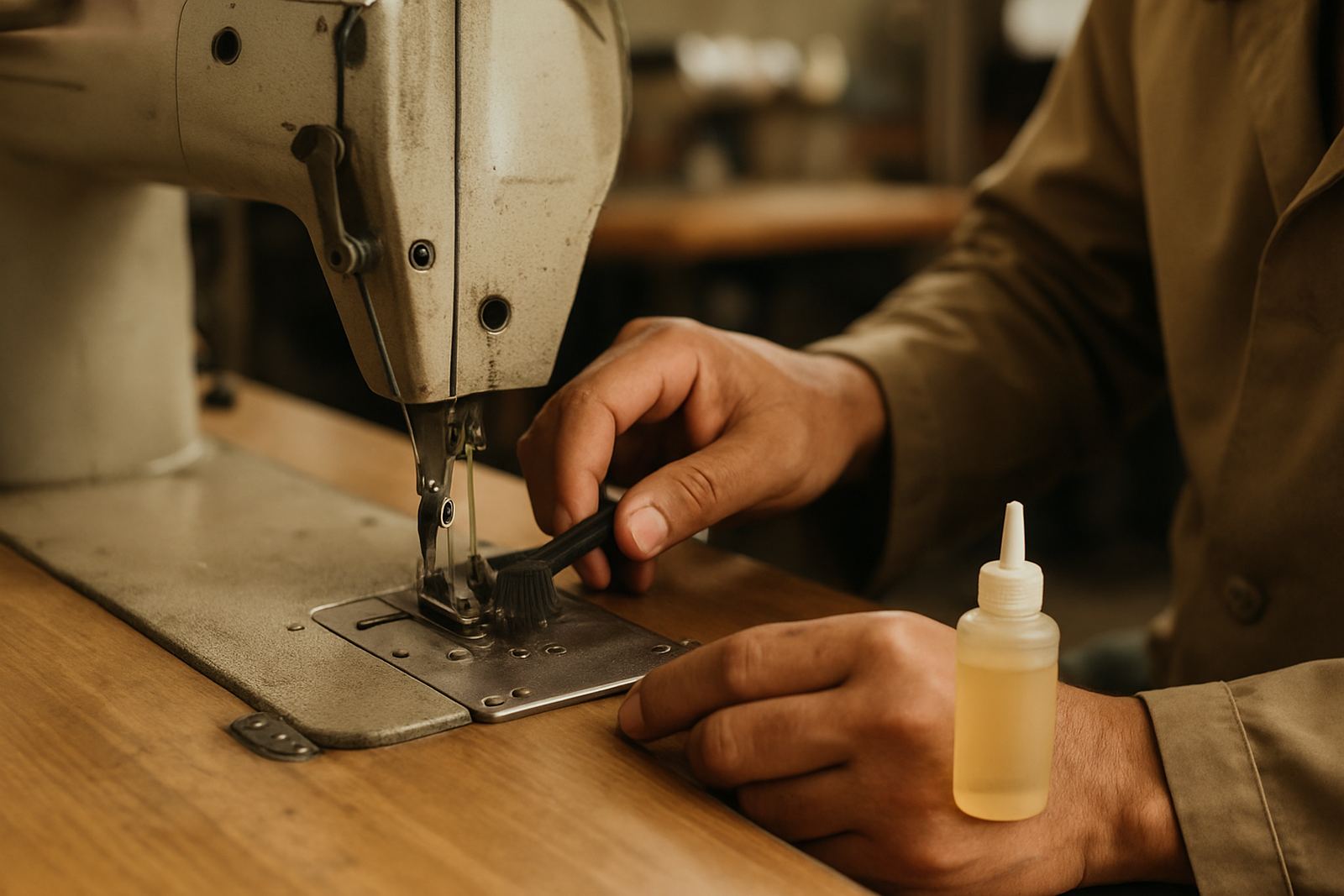
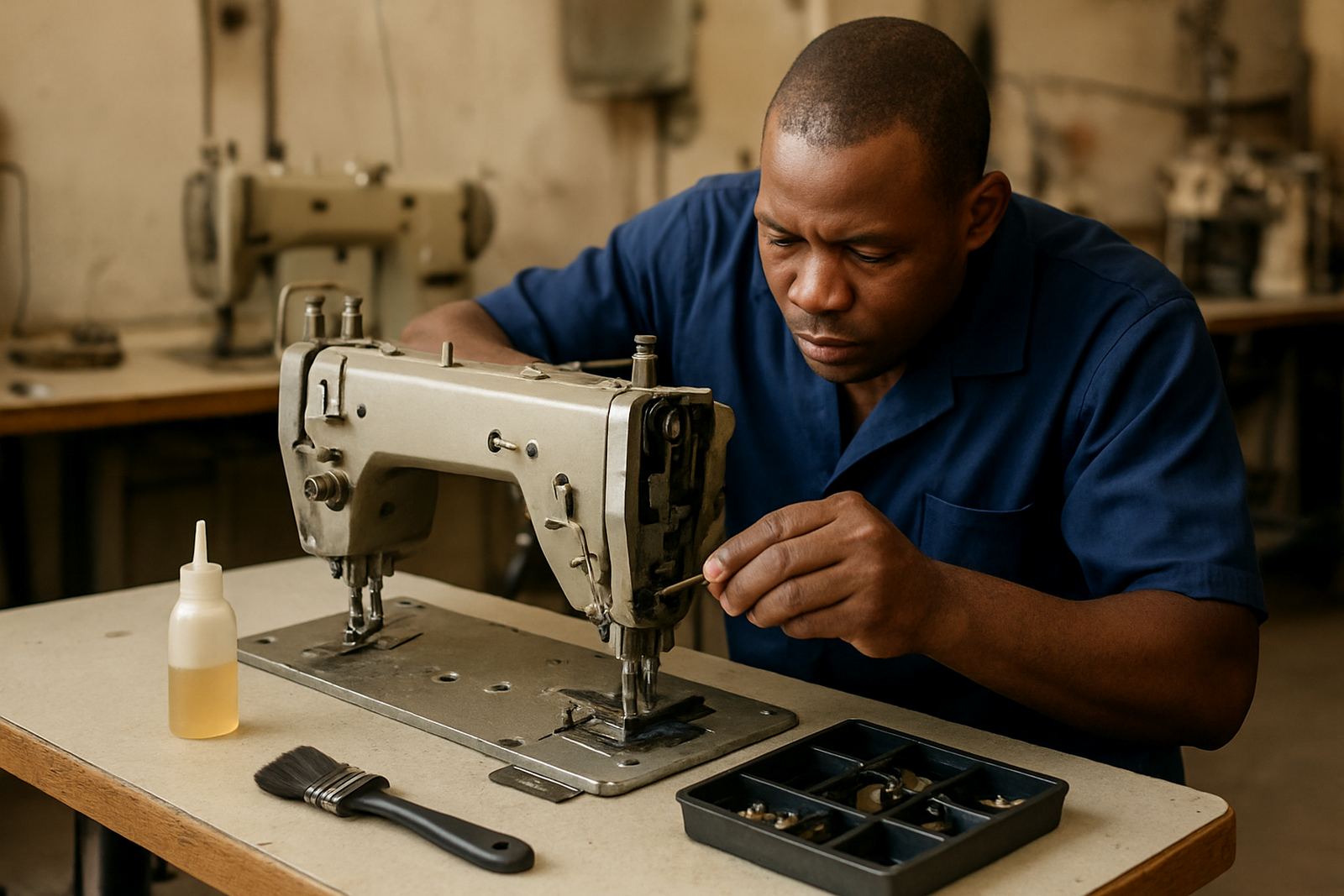
Start with a full clean, not a quick wipe over. Remove lint from the needle area, bobbin case, feed dogs, tension path and under the throat plate, then clear dust around the motor, belt and table top. If a machine has been working hard through the season, this is the time to remove built-up thread fluff before it settles in over the break.
Use the right brush and a soft cloth, and avoid forcing fluff deeper into tight spaces. For overlockers and embroidery units, give extra attention to thread paths and trimming areas because loose fibres collect there quickly.
- Unplug before cleaning
- Open all accessible covers
- Check for loose screws, broken needles and worn blades
- Vacuum lint away before oiling
Oil the right points
Once the machine is clean, oil only the points that take oil and only with the correct machine oil. A few drops in the right places help prevent dry bearings and stiff movement during the shutdown. Too much oil can mark fabric, collect dust and make the first January run messy.
If a machine has been left standing for a while before shutdown, test the handwheel by turning it slowly after oiling. It should move smoothly without tight spots, grinding or drag. If it feels rough, that is a sign to have it checked before the holiday break.
Check timing before packing away
Timing faults often show up when a machine is started again after a long break. Before shutdown, look for signs of missed loops, needle strikes, irregular hook pickup or unusual noise. If the stitch formation is already unstable, do not leave it for January, because the problem usually gets worse after downtime.
Industrial machines, overlockers and embroidery heads all depend on accurate timing. A simple check now can save a lost morning when the workroom reopens and everyone needs the machine back immediately.
Cover and store the machine well
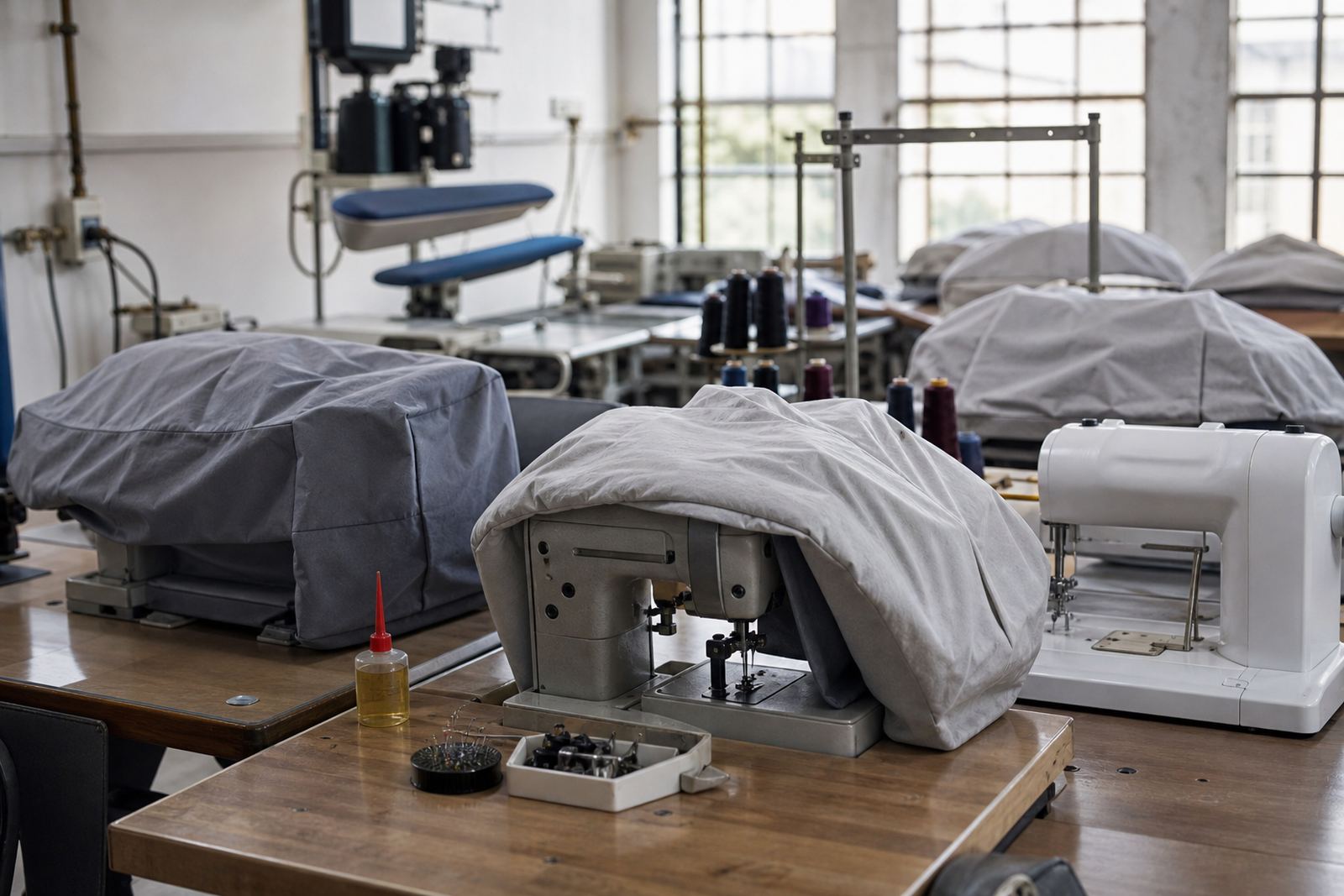
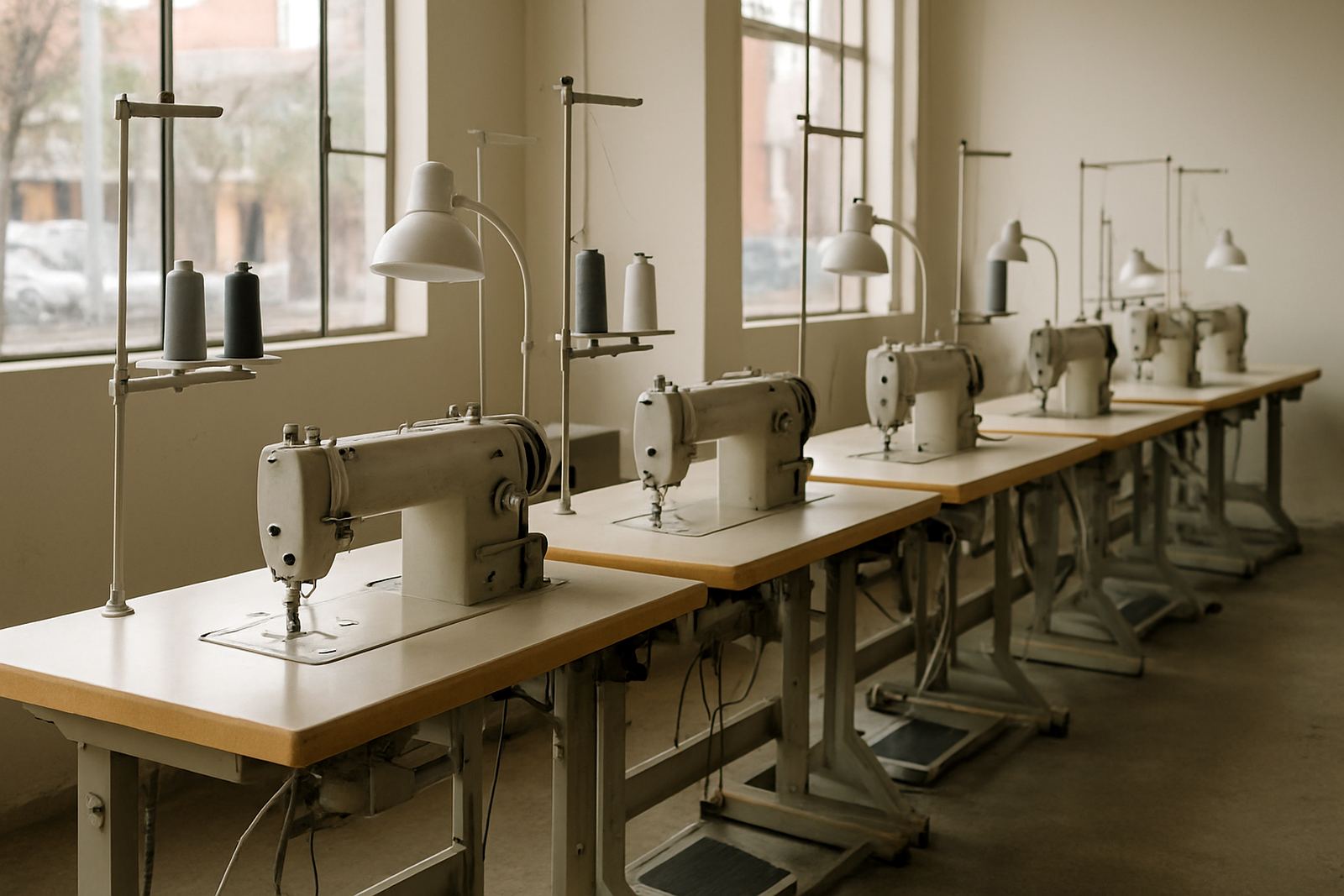
Dust is one of the biggest problems over the festive shutdown, especially in open workrooms and busy shops. Fit a proper cover over each machine, including portable units, and make sure the power switch is off before closing up. If the room is likely to be cleaned or moved around, unplug the machine and keep leads tidy.
Where possible, store loose attachments, feet, needles, bobbins and tools together in a marked container so they are not lost in the January rush. A covered machine stays cleaner, but a covered machine with its small parts together is even better.
- Use a clean, dry cover
- Keep machines off the floor where possible
- Do not leave fabric scraps inside the bed or under the table
- Store accessories with the machine they belong to
Stock the small spares now
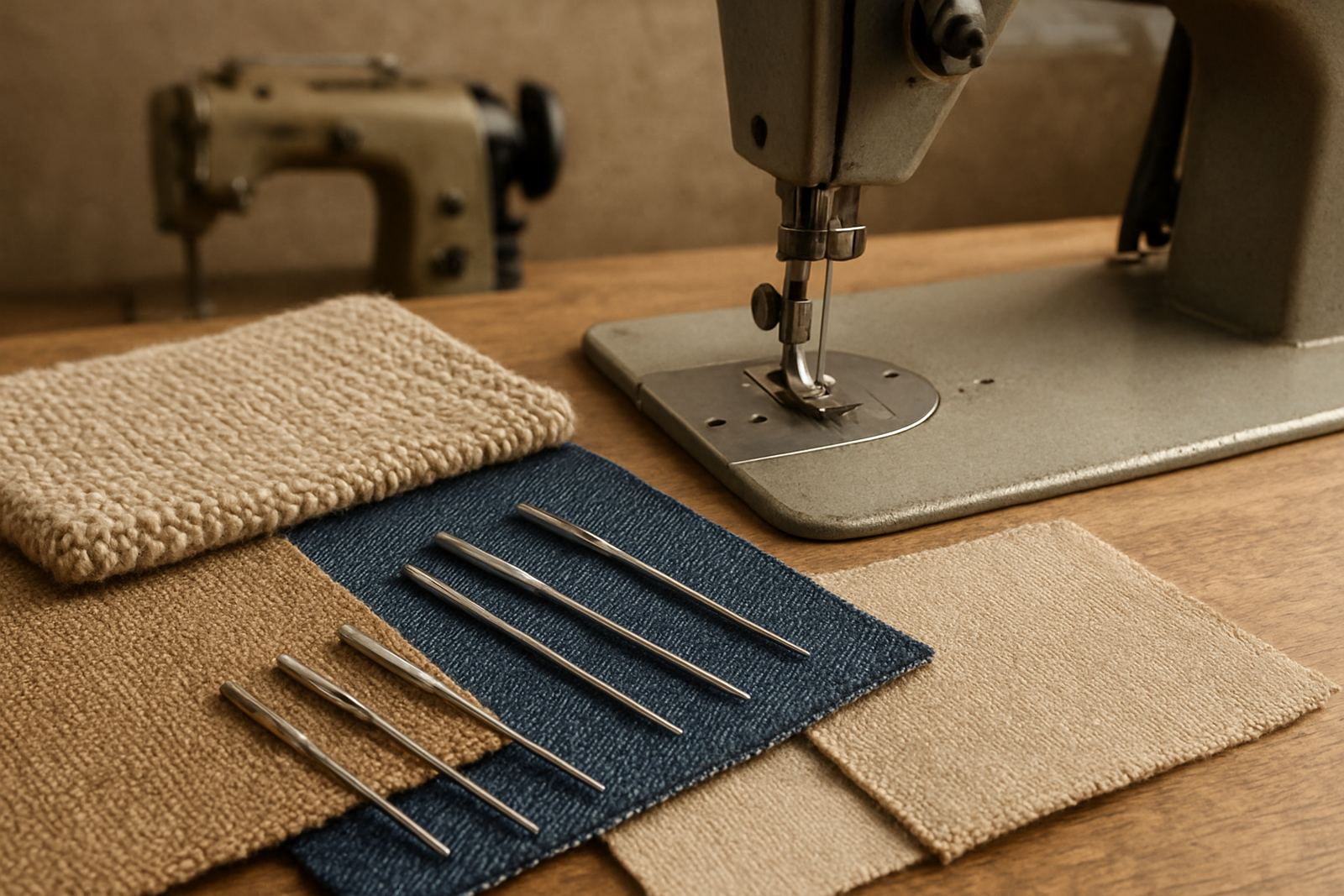
January is not the time to discover that the workshop has no spare needles, bobbins, belts or common feet. Before shutdown, set aside the small parts you know will be needed first, especially on machines that work daily. This is also a good time to check worn presser feet, cracked bobbin cases, dull blades and tired belts.
We always suggest keeping the simple consumables close at hand, because they get used first when production starts again. A small spare kit can make the difference between a smooth first week and avoidable downtime.
Plan the January restart
When the workroom opens again, do not rush straight into full production. Start each machine by hand, thread it carefully, test the stitch on scrap fabric and listen for any change in sound. A machine that sat clean, covered and correctly oiled should come back into service quickly, with less adjustment needed.
If anything feels off, sort it before the rush builds. January is easier when the machines are already prepared for work, not waiting for emergency attention.
For related reading, see Fabric Handling Basics in our journal, or look through our services and guides.